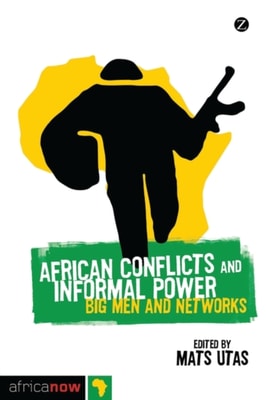
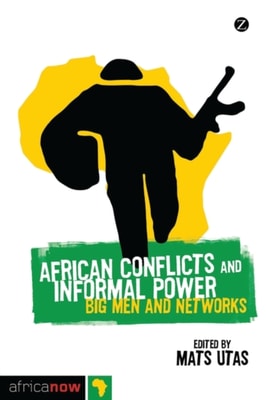
In the aftermath of an armed conflict in Africa, the international community both produces and demands from local partners a variety of blueprints for reconstructing state and society.
In the aftermath of an armed conflict in Africa, the international community both produces and demands from local partners a variety of blueprints for reconstructing state and society.
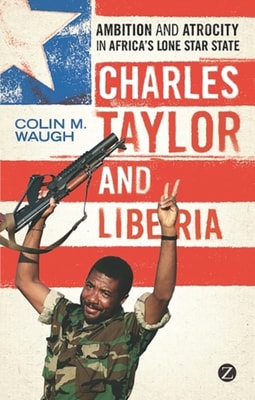
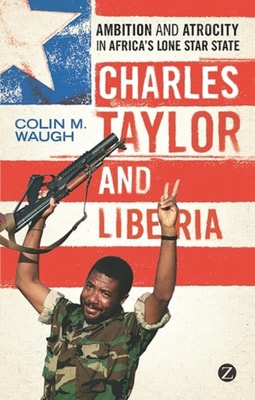
Campaigner, insurgent, fugitive, rebel commander, commodity kingpin, elected president, exile and finally prisoner, Charles Taylor sought to lead his country to change but instead ignited a conflict which destroyed Liberia in over a decade of violence, greed and personal ambition.
Campaigner, insurgent, fugitive, rebel commander, commodity kingpin, elected president, exile and finally prisoner, Charles Taylor sought to lead his country to change but instead ignited a conflict which destroyed Liberia in over a decade of violence, greed and personal ambition.
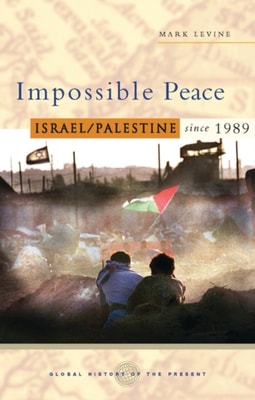
Hundreds of Israeli soldiers, called up to take part in controversial campaigns like the 1982 invasion of Lebanon or policing duties in the Palestinian territories today, have refused orders.
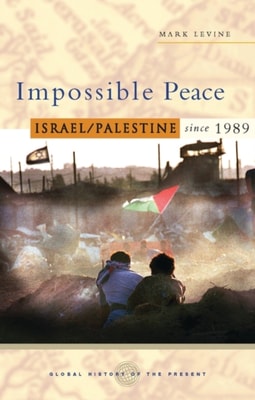
In 1993 luminaries from around the world signed the 'Oslo Accords' - a pledge to achieve lasting peace in the Holy Land - on the lawn of the White House.
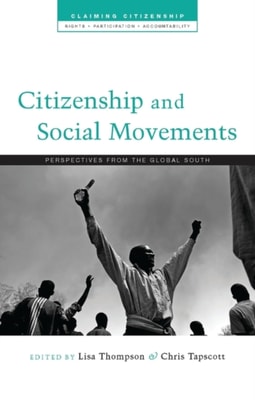
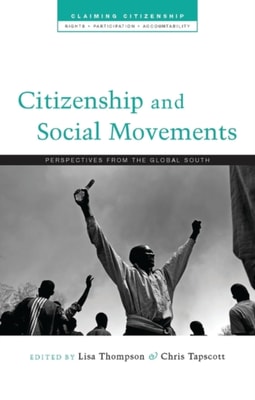
Debates over social movements have suffered from a predominate focus on North America and western Europe, often neglecting the significance of collective action in the global South.
A priceless resource for everyone ready to make a difference, environmental activist Aidan Ricketts offers a step-by-step handbook for citizens eager to start or get involved in grass-roots movements and beyond.
During the 1990s the drive of liberal peace efforts in the form of humanitarian intervention transformed the ways in which traditional development assistance operated in war and post-war situations.
In this volume, Latin Americanist scholars explore the recent evidence relating to the ways in which partial state failure in the continent is interacting with new types of organized violence, thereby undermining the process of democratic consolidation that has characterized Latin America over the past two decades.
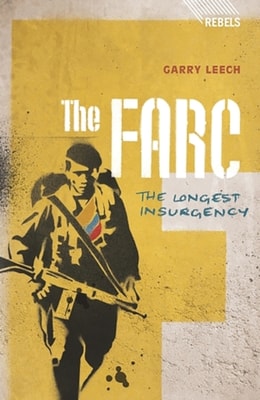
Garry Leech has written the definitive introduction to the FARC, examining the group's origins, aims, and ideology, and looking at its organizational and operational structures.
Debates over social movements have suffered from a predominate focus on North America and western Europe, often neglecting the significance of collective action in the global South.
In 1993 luminaries from around the world signed the 'Oslo Accords' - a pledge to achieve lasting peace in the Holy Land - on the lawn of the White House.
Hundreds of Israeli soldiers, called up to take part in controversial campaigns like the 1982 invasion of Lebanon or policing duties in the Palestinian territories today, have refused orders.
When we think "terrorism," our minds conjure up dramatic and horrifying images of hijackings, suicide bombings, assassinations and various other forms of brutal carnage.
On the afternoon of September 11 2001 the Irish Prime Minister (Taoiseach), Bertie Ahern ordered the 'heads of the security services of key government departments' to undertake a complete re-evaluation of measures to protect the state from attack.
Church, nation and race compares the worldviews and factors that promoted or, indeed, opposed antisemitism amongst Catholics in Germany and England after the First World War.
Contemporary violence: Postmodern war in Kosovo and Chechnya draws on several years of field research, as well as interpretive IR theory and analysis of empirical source material so as to shed light on contemporary violence.