This volume provides a synthesis of protocols, and strategies to support assessment leaders in effectively using data for educator preparation program improvement.
This edited volume focuses on visual and image-based methodologies that can be used to expand how educators approach, design, and innovate research for the purpose of informing and improving teaching and learning.
The purpose of this book is to help secondary school principals and college faculty fulfill their key role for continuous improvement planning of educational practices and safety at their institution.
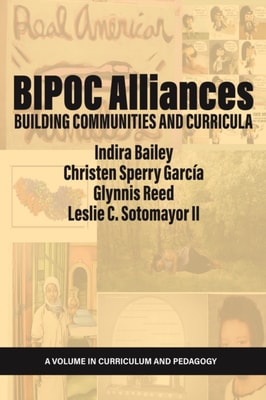
BIPOC Alliances: Building Communities and Curricula is a collection of reflective experiences that confront, challenge, and resist hegemonic academic canons.
STEM Teacher Preparation and Practice for the 21st Century: Research-based Insights introduces the reader to a collection of thoughtful, research-based works by authors that represent current thinking about the future of science, technology, engineering, and mathematics or STEM as it known today, as well as STEM education for a rapidly evolving global society and the preparation of STEM teachers to meet the educational needs of a changing educational landscape.
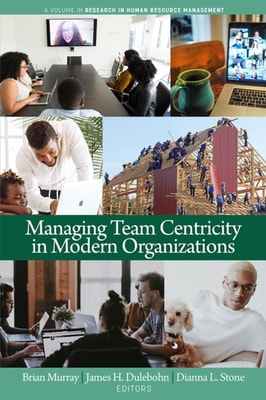
Managers are increasingly employing teams as a primary work unit in organizations, but they are struggling with how to effectively lead the emerging team structures.
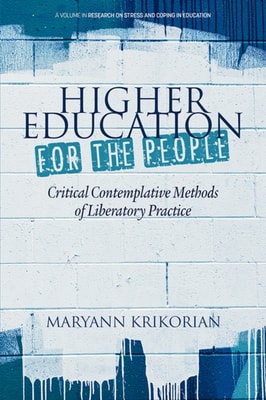
This monograph aims to uncover value-belief-systems underlying dominant narratives in modern IHEs, impacting the lives of many multidimensional adult learners.
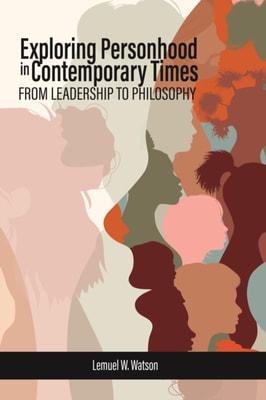
With the dawn of research into leader-behaviors, scholars differentiated between being task-oriented, which is important, and also being people-oriented.
This book is significant in that it offers an in-depth historical analysis of educational leadership and educational policy in the United States and around the globe.
This book encourages leadership educators and practitioners to understand the importance of black male leadership on college campuses in today's world.
This book provides a set of testimonies that bring into focus the children and adolescents who have been driven from their lands as subjects with rights who have different ways of envisioning the world.
Creating an Inclusive Social Studies Classroom for Exceptional Learners serves as a comprehensive reference guide for K-12 educators and university-based social studies methods instructors and special education instructors wanting to create more inclusive opportunities for students with disabilities in the general education curriculum.
To sustain contemporary movements towards educational equity, postsecondary leaders at all levels need resources that connect evidence-based critiques of structural inequities to forward-thinking visions for a more socially-just academy.
Reducing Hate through Multicultural Education and Transformation is a book that reminds us that we live in a complex world; and at micro and macro levels, the demography is changing and people are worried about the current state of affairs, their future, and the future of their children.
The mission of the Action Research Across Educational Disciplines series is to present targeted volumes of action research findings from a wide variety of educational settings.
This book, Voices of the Field: DEIA Champions in Higher Education, will explore the experiences and stories of Diversity, Equity, Inclusion, and Anti-racist (DEIA) champions and leaders within higher education.
During the 2020 and 2021 phases of the global COVID-19 pandemic, there was significant prognostication regarding what internationalization in higher education would look like in its aftermath.
The COVID-19 pandemic triggered, and continues to trigger, many changes in K-12 education-some major, like learning remotely from home, and some minor, like sitting farther apart on the school bus.
Originally published in 1985, this book provided a broad review of the range of systems of housing finance used throughout the developed and developing world at the time.
People are often stigmatized by virtue of their status on such dimensions as race, ethnicity, gender, age, weight, disability, or sexual orientation, and this book deals with the plight of those who are stigmatized in organizations.
In the late 1970s, the role of the state in the finance, provision and legal control of housing had increased enormously during the previous sixty years.