Offers an interdisciplinary exploration of historical and political myth-making via the concept of royal sanctity in twelfth- and thirteenth-century Nordic history writing.
Offers an interdisciplinary exploration of historical and political myth-making via the concept of royal sanctity in twelfth- and thirteenth-century Nordic history writing.
'Irresistibly fascinating' MARIE CLAIRE GREECE'Essential' VICTORIA HISLOP'Brilliantly conceived' PAUL CARTLEDGEAn enormous bestseller in Greece, this is a bold, witty retelling of the story of Ancient Greece by a rising star in archaeologyTwo strangers meet in a trapped elevator.
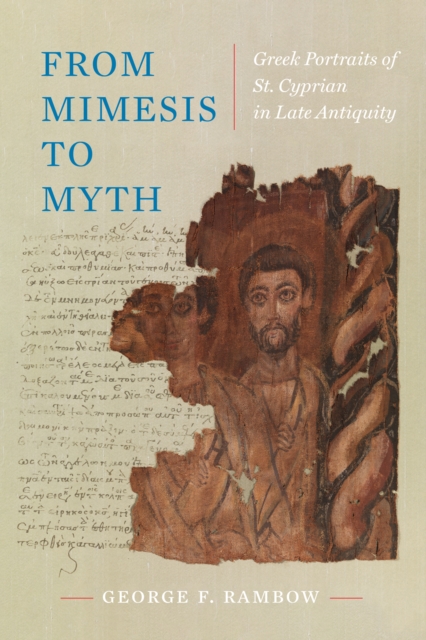
From Mimesis to Myth traces the transformation of a Greek account of the life of Cyprian of Carthage into the legendary tale of Cyprian of Antioch as a means of exploring how late antique Christian authors and audiences interpreted the fictional qualities of hagiographic narratives.
From Mimesis to Myth traces the transformation of a Greek account of the life of Cyprian of Carthage into the legendary tale of Cyprian of Antioch as a means of exploring how late antique Christian authors and audiences interpreted the fictional qualities of hagiographic narratives.
The Buildings is a sixth-century text by Prokopios of Kaisareia (Caesarea Maritima) on the building works attributed to the eastern Roman emperor Justinian I (r.
The second edition of Animals in Greek and Roman Thought: A Sourcebook offers a detailed introduction to Greco-Roman thought on the intellectual and emotional capacities of non-human animals and on the ethical dimensions of human-non-human animal interactions.
The Buildings is a sixth-century text by Prokopios of Kaisareia (Caesarea Maritima) on the building works attributed to the eastern Roman emperor Justinian I (r.
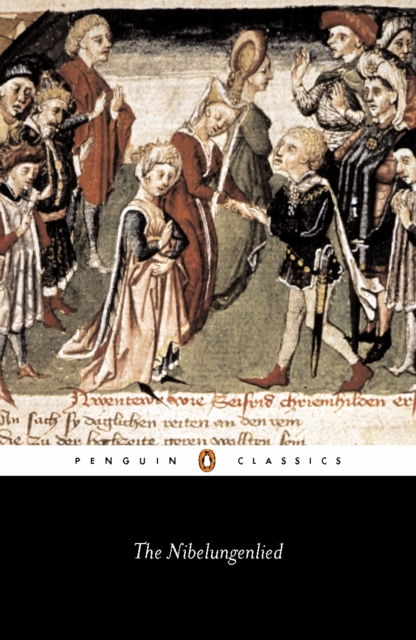
Written by an unknown author in the twelfth century, this powerful tale of murder and revenge reaches back to the earliest epochs of German antiquity, transforming centuries-old legend into a masterpiece of chivalric drama.
The second edition of Animals in Greek and Roman Thought: A Sourcebook offers a detailed introduction to Greco-Roman thought on the intellectual and emotional capacities of non-human animals and on the ethical dimensions of human-non-human animal interactions.
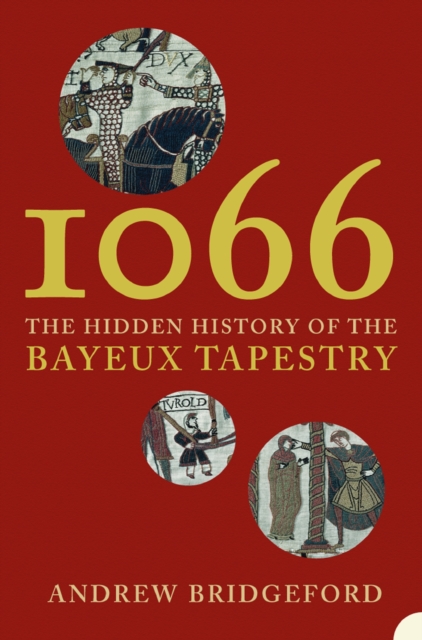
A brilliant new reading of the Bayeux Tapestry that radically alters our understanding of the events of 1066 and reveals the astonishing story of the survival of early medieval Europe's greatest treasure.
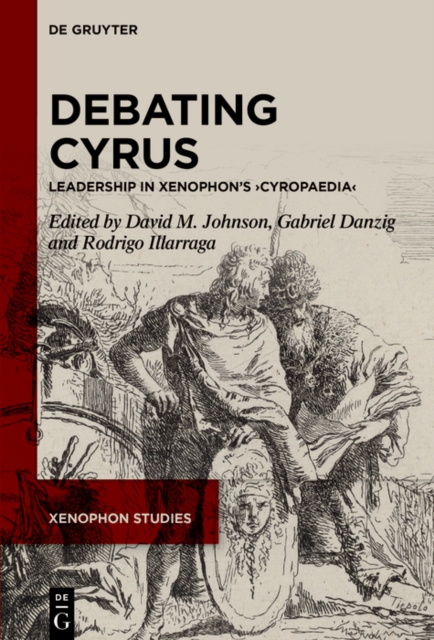
Is Xenophon's Cyrus the Great the model leader he seems to be, or does his apparent success actually demonstrate the dangers of imperialism and one-man rule?
This book reorients the study of 'unbelief' in Ancient Greece by dismantling two persistent scholarly misconceptions: the portrayal of Greek atheism as a form of proto-modern secularity and the dismissal of the subject as merely a lexical dispute over definitions.
Epicteto, uno de los más insignes representantes del estoicismo romano, nos dejó un legado breve y directo, pero también brillante, rotundo e imperecedero.
This book reorients the study of 'unbelief' in Ancient Greece by dismantling two persistent scholarly misconceptions: the portrayal of Greek atheism as a form of proto-modern secularity and the dismissal of the subject as merely a lexical dispute over definitions.
Is Xenophon's Cyrus the Great the model leader he seems to be, or does his apparent success actually demonstrate the dangers of imperialism and one-man rule?
EL MUNDO NATURAL A TRAVÉS DE LOS OJOS DE LOS ESTOICOSCuestiones naturales es una obra en la que, con su habitual lucidez, Séneca aspira a conseguir un conocimiento racional del mundo, entendido como la actividad más digna y liberadora del ser humano y, especialmente, como la única forma de acercamiento a ese dios que se oculta a nuestros ojos y al que solo podemos llegar con la fuerza de la razón.
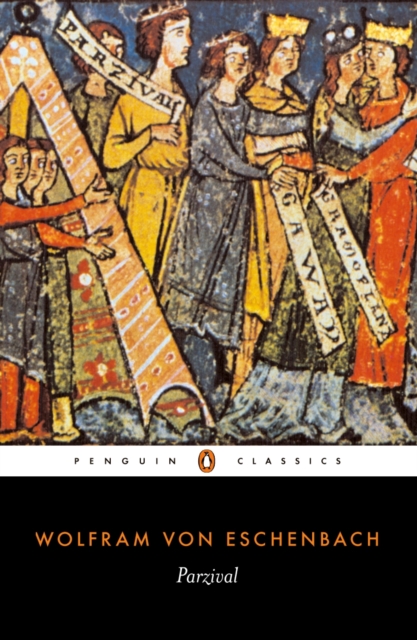
Composed in the early thirteenth century, Wolfram von Eschenbach's Parzival is the re-creation and completion of the story left unfinished by its initiator Chr tien de Troyes.
Composed in the early thirteenth century, Wolfram von Eschenbach's Parzival is the re-creation and completion of the story left unfinished by its initiator Chr tien de Troyes.
Recent decades have seen a flourishing of interest in Hellenistic epigram (short poems usually in elegiac couplets), an interest fostered in part by the appearance of several ground-breaking new studies of these poems and the history of their collection, as well as by the publication in 2001 of a newly found papyrus, P.