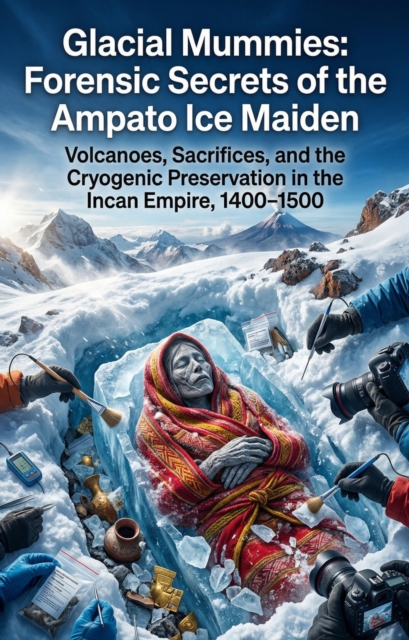
Hoch in den eisigen Todeszonen der peruanischen Anden stieen Archaologen auf ein 500 Jahre altes Inka-Madchen, das so perfekt erhalten war, dass noch gefrorenes Blut in ihrem Herzen ruhte.
High in the freezing altitudes of the Peruvian Andes, archaeologists discovered a 500-year-old Inca girl so perfectly preserved that she still had blood in her heart.
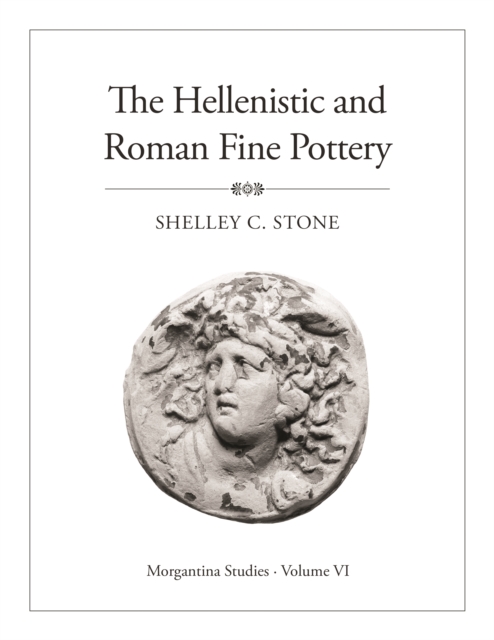
The author considers the Morgantina terracottas as representatives of one of the liveliest traditions of the Greek minor arts, and thus he examines questions of stylistic development and influence, workshop traditions, and technique.
This volume of papers delivered to The Royal Society in February of 1992 explores the debate over the "e;single center"e; hypothesis of human origins versus "e;multi-regional evolution.
From thousands of fragments of plaster the author has assembled clues to the scheme of the wall painting in this royal palace destroyed by fire at the end of the thirteenth century B.
A photograph, map, or diagram illustrates the text for every site described in this pilgrimage to Palestine, beginning with places connected with John the Baptist and proceeding to Bethlehem and Nazareth, Samaria and Galilee, Jerash, Caesarea, Jericho, the Mount of Olives, Jerusalem, and Emmaus.
A distinguished publication of the famous comedy of Plautus which includes a fully revised text with many new scansions; a new critical apparatus based upon a rereading of the important medieval manuscripts and involving correction and supplement of the Goetz editions; and an extensive commentary.
The most famous conspiracy of silence in the history of antiquity is examined here by one of the three archaeologists entrusted by the Archaeological Society of Athens with the final excavations of the Sanctuary.
This work is the first volume of two that will be the full report of major excavations carried out by Dumbarton Oaks and the Istanbul Archaeological Museum at Sarachane in the heart of ancient Constantinople.
In 1937 the Colt Archaeological Expedition, excavating the ancient site of modern Auja Hafir in the Negeb, uncovered two storerooms containing the hoard of Greek papyrus documents of the 6th and 7th centuries.
The kilns at Morgantina, site of the well-known excavations in central Sicily, are an outstanding example of multiple potters' workshops in use during the late Hellenistic period.
This book inaugurates a series of volumes that will present the results of more than twenty years of research by a team of American and Yugoslav scholars at Stobi, an ancient city of northern Macedonia.
From the first apes to the first cities, HUMANS: FROM THE BEGINNING is the definitive guide to our distant pastIn just a few years, our understanding of the human past has changed beyond recognition as new discoveries and advances in genetic techniques overturn long-held beliefs and make international news.
Homer's King Nestor of "e;sandy Pylas"e; passes from legend into history in this first volume of the report of excavations on a hill called Englianos in Messenia, conducted by the Archaeological Expedition of the University of Cincinnati.
This case study of an underdeveloped area was carried out by the Rockefeller Foundation in an effort to discover what kinds of assistance can be usefully given to underdeveloped areas and in what ways.
Black Sea Atlantis: The Flood That Forged the Indo-EuropeansAround 5600 BCE, the tranquil freshwater lake that would become the Black Sea was violently transformed.
A desire to recreate Minoan palaces, villas, and houses of the Late Bronze Age inspired the author of this book to undertake an eight year research program that has radically modified our conception of the appearance of Cretan dwellings.
A photograph, map, or diagram illustrates the text for every site described in this pilgrimage to Palestine, beginning with places connected with John the Baptist and proceeding to Bethlehem and Nazareth, Samaria and Galilee, Jerash, Caesarea, Jericho, the Mount of Olives, Jerusalem, and Emmaus.
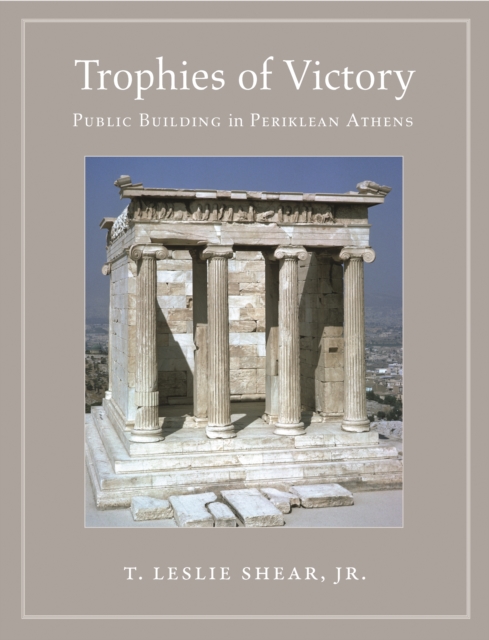
The ancient Athenians were "e;quarrelsome as friends, treacherous as neighbors, brutal as masters, faithless as servants, shallow as lovers--all of which was in part redeemed by their intelligence and creativity.
Excavations conducted at Morgantina by Princeton University and the University of Illinois have revealed substantial Iron Age remains beneath the Greek town on the Cittadella hilltop.
Though Greece is traditionally seen as an agrarian society, cattle were essential to Greek communal life, through religious sacrifice and dietary consumption.
Excavation of the ancient city of Morgantina in southeastern Sicily since 1955 has recovered an extraordinary quantity and variety of pottery, both locally made and imported.
This volume continues documenting the well-known excavations at Morgantina, a Greek town in central Sicily, in a presentation of the largest body of coins ever unearthed at an Italian site and published as a group.
Kommos, located on the south coast of Crete, is widely known for its important sanctuary of the Greek period for its earlier role as a major Minoan harbortown.
Household archaeology, together with community and regional settlement information, forms the basis for a unique local perspective of Andean prehistory in this study of the evolution of the site of Lukurmata, a pre-Columbian community in highland Bolivia.
One of the most powerful examples of human creativity and ingenuity is the ancient craft of pottery, with its delicate balance of form, function, and cultural expression.
Deep in the mist-shrouded hollows and ancient limestone bluffs of the Ozarks lies a hidden corridor — a fault-aligned seam where the Night Dwellers walk between worlds.
Lost Race of the Giants: Evidence, Memory and the Forgotten WorldFor millennia, legends of colossal beings have echoed across every continent—towering Nephilim, red-haired giants of the American mounds, Patagonian Titanes, and the ancient ones who walked the Ozark hollows.
Skunk Ape: Florida's Hidden GiantIn the steamy swamps and palmetto thickets of central Florida, something ancient and massive has never stopped walking.
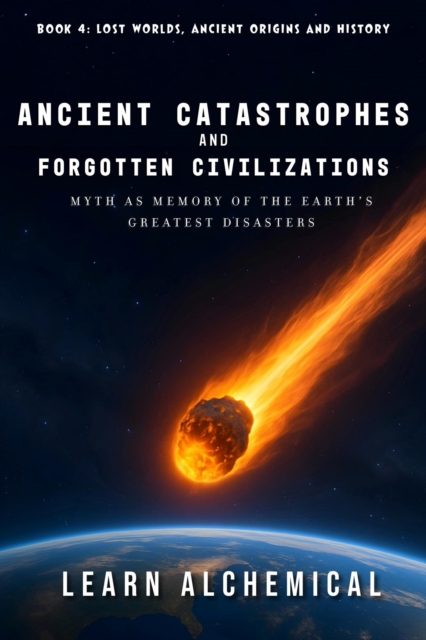
Ancient Catastrophes and Forgotten Civilizations takes readers on a gripping journey into humanity's deepest past, where myth and science converge to reveal a world shaped by fire, flood, and upheaval.