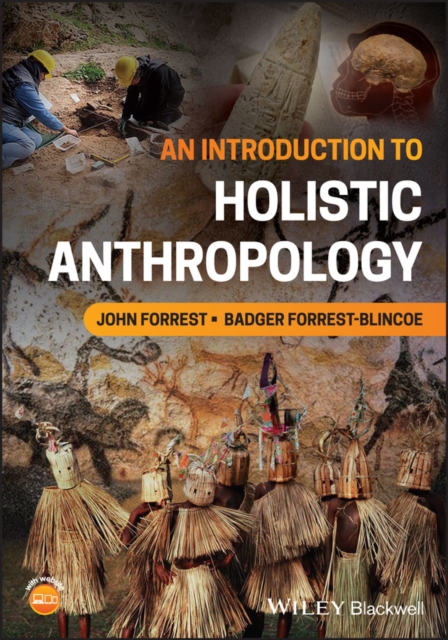
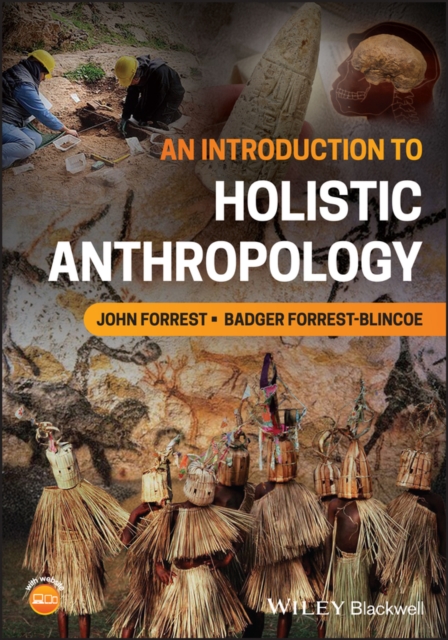
Combines anthropology s four subfields to explore what it means to be human Introduction to Holistic Anthropology invites students to rediscover anthropology as Franz Boas once envisioned it a unified discipline that integrates biological, historical, linguistic, and cultural perspectives to understand human diversity and commonality.
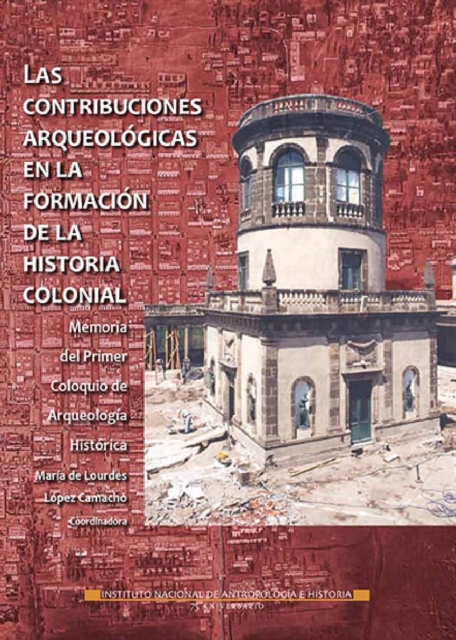
Reune un conjunto de investigaciones que reflexionan sobre la relevancia de la arqueologia como disciplina fundamental para enriquecer la comprension de la historia colonial de Mexico y America Latina.
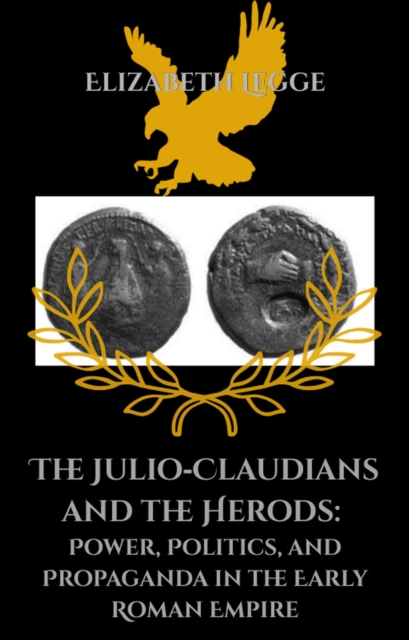
LA CIVILIZACION MAS PODEROSA DE LA HISTORIA OCCIDENTALDurante mas de 500 anos, Roma fue la mas poderosa y avanzada civilizacion que el mundo habia conocido jamas.
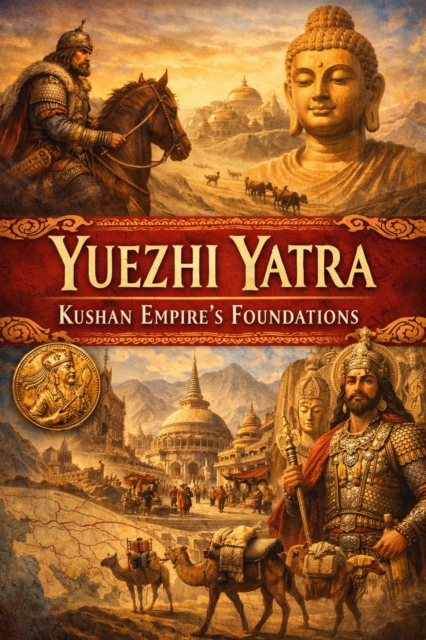
Yuezhi Yatra: Kushan Empire's Foundations is a sweeping historical journey into the rise of one of the ancient world's most remarkable yet often overlooked empires.
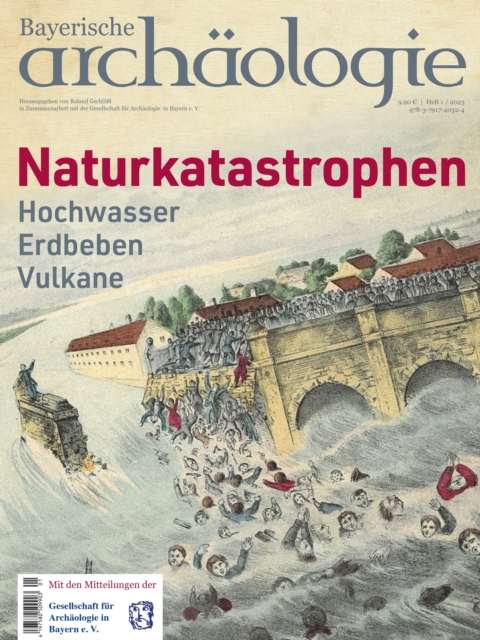
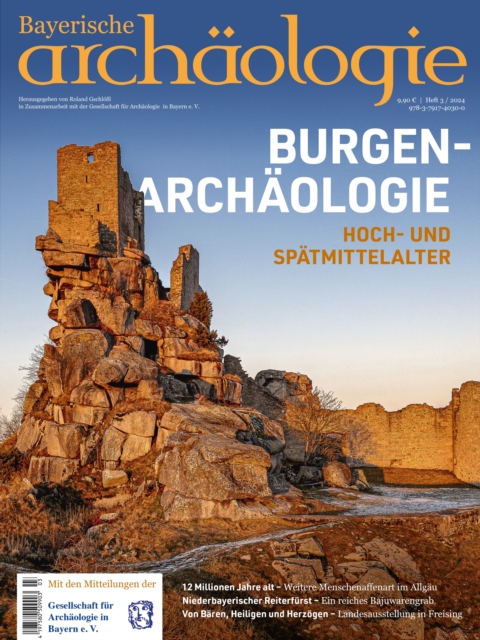
Verheerende Naturkatastrophen haben auch die Menschen in Bayern immer wieder heimgesucht – insbesondere Hochwasser und Dürren, aber auch die Auswirkungen von schweren Erdbeben in den Nachbarländern.
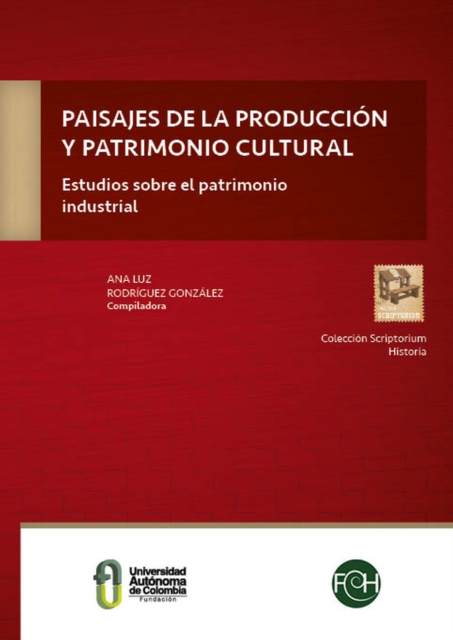
En las ultimas decadas del siglo XX y comienzos del XXI, las sociedades han empezado a identificar, reconocer, estudiar y valorar el legado de las generaciones anteriores, en relacion con el trabajo, la tecnica y la apropiacion del paisaje a traves del trabajo.
El presente ensayo relata la historia y el contenido de una colección hallada hace años en la localidad de Huacalera, provincia de Jujuy, que acompañaba a un personaje de especial importancia para su etnia, a juzgar por lo nutrido de su inventario.
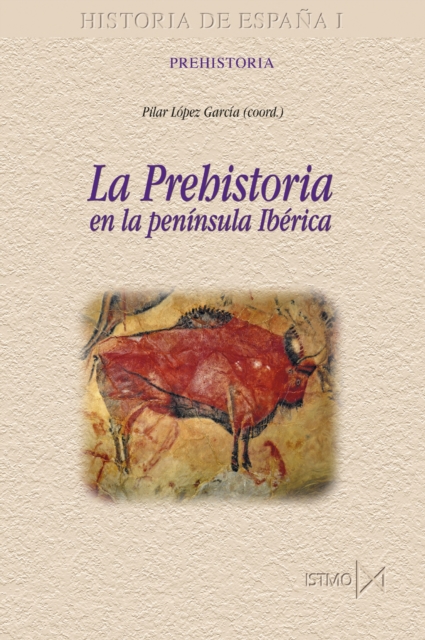
El presente volumen es el resultado de la colaboración interdisciplinar de un grupo de los más destacados especialistas en el estudio de la Prehistoria peninsular, que han combinado los más actuales conocimientos científicos sobre el tema para ofrecer una visión holística de un pasado que no siempre se interpreta exclusivamente a través de la cultura material.
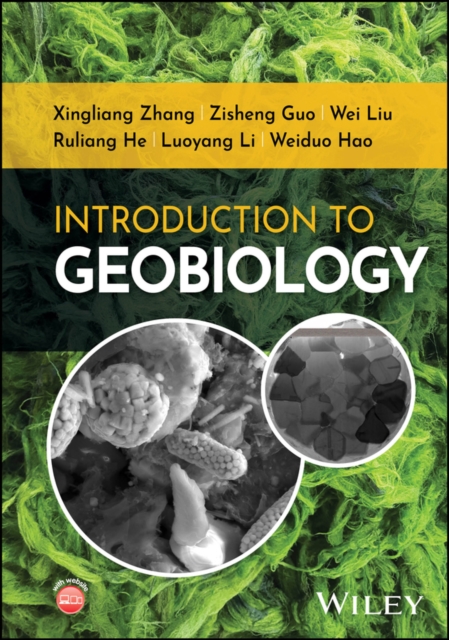
An introduction to how life has colonized and shaped the Earth, turning it into the habitable planet of today Exploring the geological basis for life on Earth, Introduction to Geobiology systematically examines the interaction between the geosphere and the biosphere, including its evolutionary history.
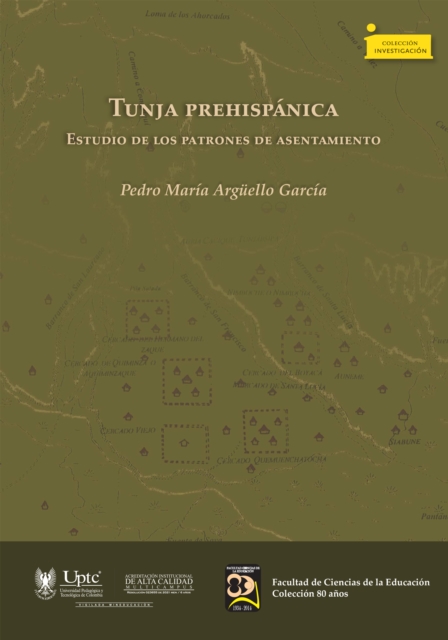
Este libro expone los resultados de un reconocimiento regional sistemático en un área de 277 Km² que incluyó parte de los actuales municipios de Tunja, Motavita, Cómbita, Oicatá, Chivatá, Boyacá, Samacá, Sora y Cucaita, (Boyacá-Colombia).
Xia Dynasty Dawn: Mythical First Chinese Rule is a sweeping exploration of one of the most mysterious and fascinating beginnings in Chinese civilization—the legendary Xia Dynasty.
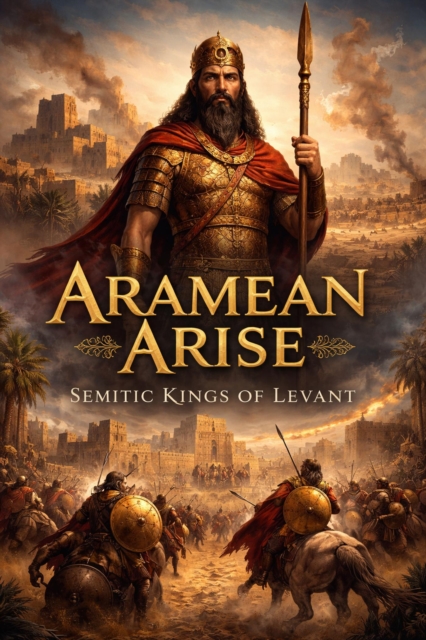
Aramean Arise: Semitic Kings of Levant is a sweeping historical exploration of one of the ancient Near East's most dynamic yet often overlooked peoples—the Arameans.
An introduction to how life has colonized and shaped the Earth, turning it into the habitable planet of today Exploring the geological basis for life on Earth, Introduction to Geobiology systematically examines the interaction between the geosphere and the biosphere, including its evolutionary history.
Combines anthropology s four subfields to explore what it means to be human Introduction to Holistic Anthropology invites students to rediscover anthropology as Franz Boas once envisioned it a unified discipline that integrates biological, historical, linguistic, and cultural perspectives to understand human diversity and commonality.
'A truly remarkable writer, one of the most gifted non-fiction authors alive' Simon Schama, Financial TimesSHORTLISTED FOR THE 2015 COSTA BIOGRAPHY AWARDThis is the autobiography that John Aubrey never wrote.
Bridges culture, nature, and sustainability through an anthropological lens on global environmental challenges Environmental anthropology offers powerful tools for making sense of today s pressing sustainability challenges, from climate change and biodiversity loss to environmental injustice and resource conflicts.
Bridges culture, nature, and sustainability through an anthropological lens on global environmental challenges Environmental anthropology offers powerful tools for making sense of today s pressing sustainability challenges, from climate change and biodiversity loss to environmental injustice and resource conflicts.
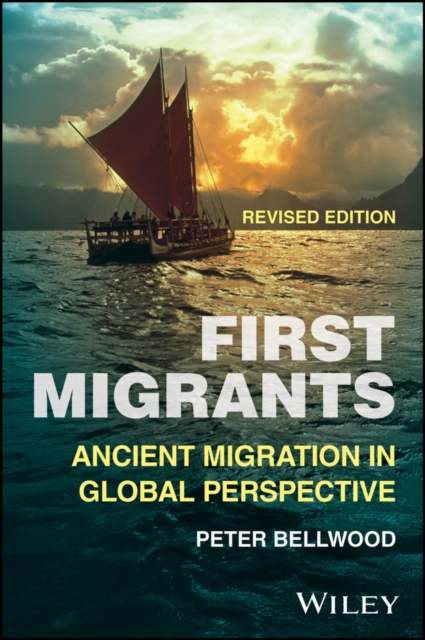
How Our Restless Ancestors Shaped the Interconnected World We Live in Today First Migrants Revisited: Ancient Migration in Global Perspective reveals how human and hominin migrations over the past five million years shaped the world we inhabit today.
How Our Restless Ancestors Shaped the Interconnected World We Live in Today First Migrants Revisited: Ancient Migration in Global Perspective reveals how human and hominin migrations over the past five million years shaped the world we inhabit today.
Nestled in the heart of mainland Southeast Asia, the Lao People's Democratic Republic guards a heritage of profound depth and quiet dignity—a legacy where ancient traditions persist as living presence rather than museum artifacts.
Wahrend die Agypter Pyramiden fur ihre Pharaonen bauten und die Mesopotamier blutige Kriege fuhrten, existierte im Industal (heutiges Pakistan) eine gewaltige Metropole, die komplett aus dem Raster der Geschichte fallt.
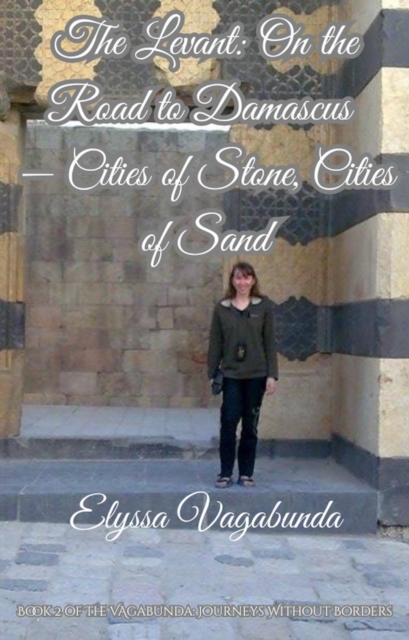
The Levant: On the Road to Damascus — Cities of Stone, Cities of Sand is a living book, shaped by years of movement through Syria, Jordan, and the UAE.
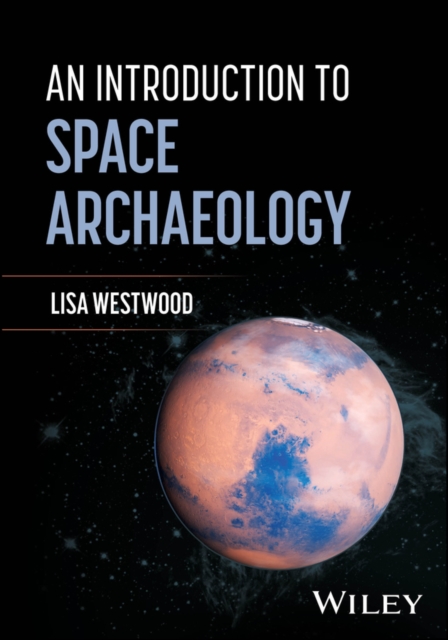
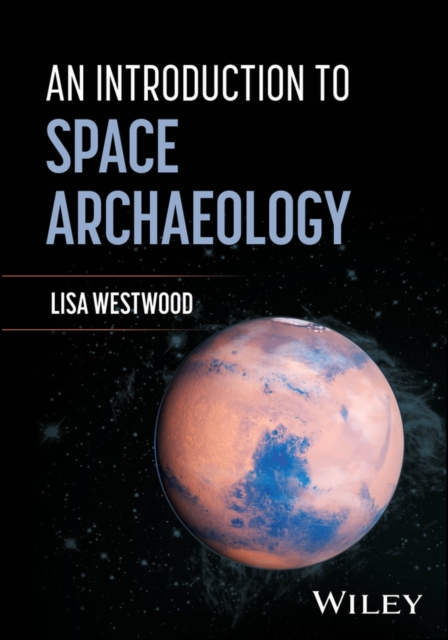
An engaging, accessible account of humanity s heritage beyond Earth Space exploration has produced a rich material record that forms part of our cultural heritage.
An engaging, accessible account of humanity s heritage beyond Earth Space exploration has produced a rich material record that forms part of our cultural heritage.
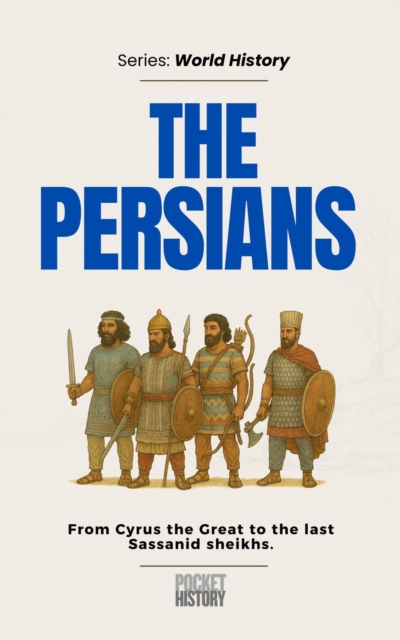
The Persian Empire was one of the largest and most sophisticated civilizations of the ancient world, stretching from the Indus Valley to the shores of the Mediterranean.
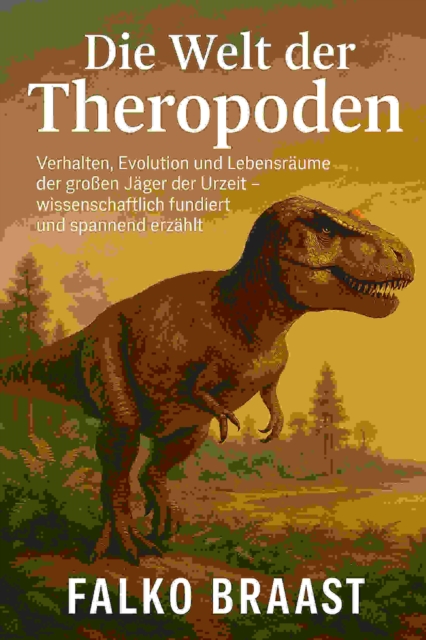
Dieses Buch entfuhrt Sie in die faszinierende Welt der Theropoden - jener zweibeinig laufenden Dinosaurier, die uber Millionen von Jahren hinweg die Kontinente beherrschten.
Vietnam's World Heritage sites represent a profound intersection of deep geological time, ancient cultural traditions, and a spiritual harmony with the natural world.
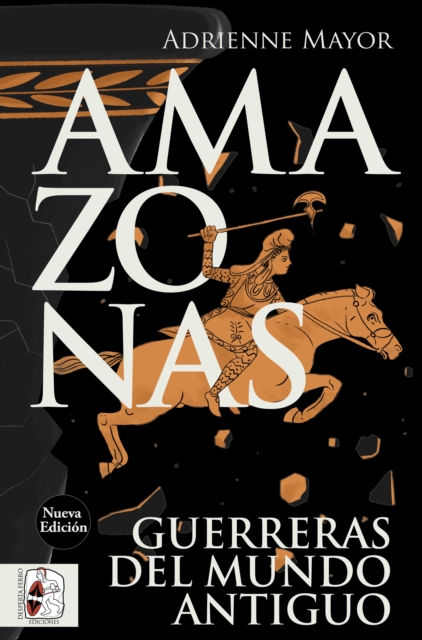
Las amazonas, esas fieras mujeres que habitaban en los confines del mundo conocido, fueron en los mitos griegos guerreras archienemigas de heroes como Aquiles o Hercules.
This anthology explores the fruitful encounters between deities and humans, drawing on a broad spectrum of research and discoveries ranging from ancient Levantine archaeology and iconography to history.