'Irresistibly fascinating' MARIE CLAIRE GREECE'Essential' VICTORIA HISLOP'Brilliantly conceived' PAUL CARTLEDGEAn enormous bestseller in Greece, this is a bold, witty retelling of the story of Ancient Greece by a rising star in archaeologyTwo strangers meet in a trapped elevator.
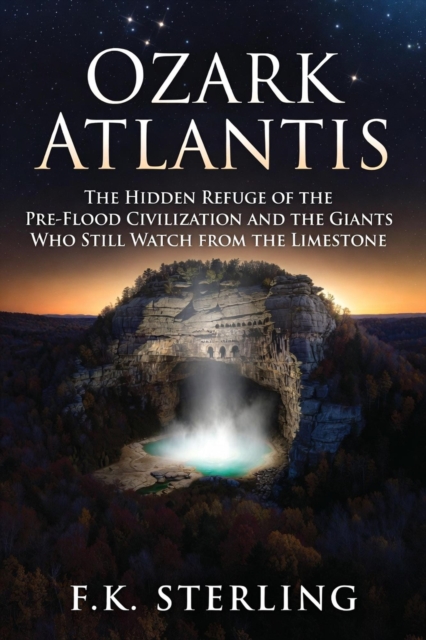
Tombs, Mummies and Burials: The Ancient World's Obsession With DeathBeneath the healing springs and Victorian spires of Eureka Springs lie echoes of humanity's oldest rituals—ancient tombs hidden in Ozark hollows, cave burials, and legends of the restless dead that mirror civilizations half a world away.
Lost Worlds: From Ancient Civilizations to Unexplained PhenomenaStep into the shadowed hollows and mist-veiled bluffs of the Ozarks, where the veil between past and present thins.
Este libro ha sido concebido como una obra colectiva y redactada por muchas manos, seleccionadas segun el ideario del proyecto que enfatiza la descentralizacion del discurso desde Santiago y convoca a personas especializadas y/o que hubiesen realizado arqueologia en distintas regiones del pais, incluidos aquellos territorios y maritorios tradicionalmente excluidos de los relatos convencionales, como pueden ser las islas alejadas del continente y la Antartica.
This book is a Weekend Pocketbook on Everything You Should Know About the Dawn of Mankind, the story of how fragile primates became toolmakers, storytellers, farmers, and builders of civilization.
Forgotten Titans: Giants, Creation Myths, and Lost Civilizations of Africa, Australia, and Oceania While the West obsesses over Nephilim, Titans, and Norse frost-giants, the colossal beings of the Global South have been largely forgotten.
For more than a century, textbooks, universities, encyclopedias, and institutions confidently declared that civilization began in Mesopotamia around 3500 BC.
Ever since Darwin established our close relationship with living apes, anthropologists have sought fossil evidence for the so-called 'missing link', a transitional form between apes and humans.
For many years, palaeoanthropologists believed that human evolution was a straightforward progression from the ape-like australopithecines, to the more human but still small-brained Homo erectus, to the larger-brained Neanderthals and Homo sapiens.
Stones, Bones and Forgotten Voyagers: Giants, Ghosts, and Forgotten Civilizations of the Ozark PlateauBeneath the winding streets of Eureka Springs and the misty hollows of the Ozark Plateau lies a secret history far older—and stranger—than the Victorian cottages and healing springs that draw dreamers today.
Echoes of the GiantsForgotten Titans, Wild Men, and Werewolf Bloodlines of EuropeFor centuries, the ancient forests and mist-shrouded mountains of Europe have hidden a terrifying truth.
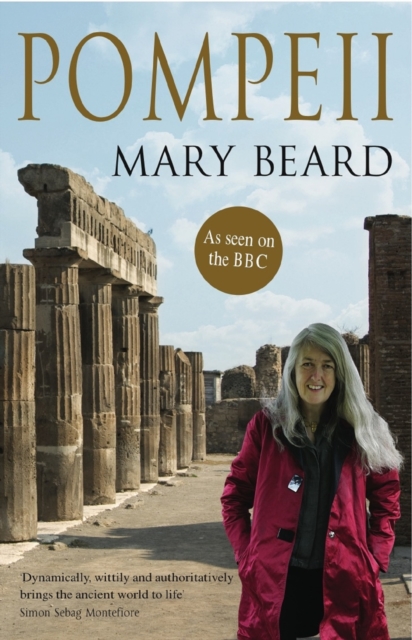
WINNER OF THE WOLFSON HISTORY PRIZE 2008'The world's most controversial classicist debunks our movie-style myths about the Roman town with meticulous scholarship and propulsive energy' Laura Silverman, Daily MailThe ruins of Pompeii, buried by an explosion of Vesuvius in 79 CE, offer the best evidence we have of everyday life in the Roman empire.
WINNER OF THE WOLFSON HISTORY PRIZE 2008'The world's most controversial classicist debunks our movie-style myths about the Roman town with meticulous scholarship and propulsive energy' Laura Silverman, Daily MailThe ruins of Pompeii, buried by an explosion of Vesuvius in 79 CE, offer the best evidence we have of everyday life in the Roman empire.
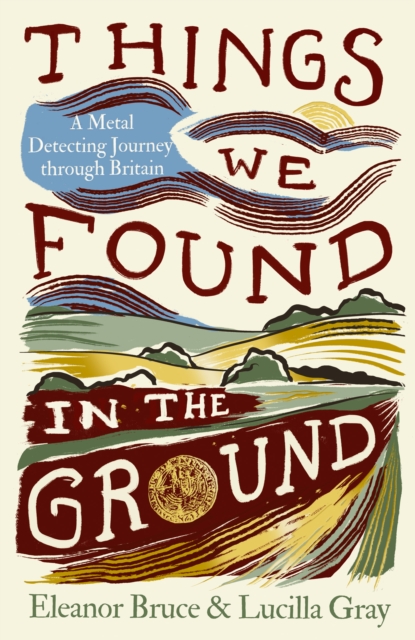
Fascinating, surprising and illuminating, join metal detecting cousins, Ellie and Lucie, on their journey into the search for hidden history in this story of nature, lost lives and long buried objects in this treasure trove of a book.
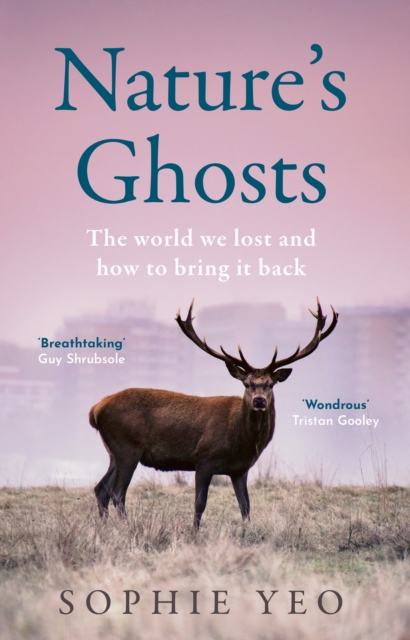
Winner of the 2024 Richard Jefferies Award for nature writingShortlisted for the 2024 Wainwright Prize for Writing on ConservationA Times Science Book of the Year'Sophie writes fantastically, chronicling the most important issues facing nature conservationists today.
An absorbing travel book, a meditation on geology, photography, Romanesque art and the romance of physical decline, The Slow Breath of Stone throws a mirror on Europe of the Middle Ages and its hold on us today.
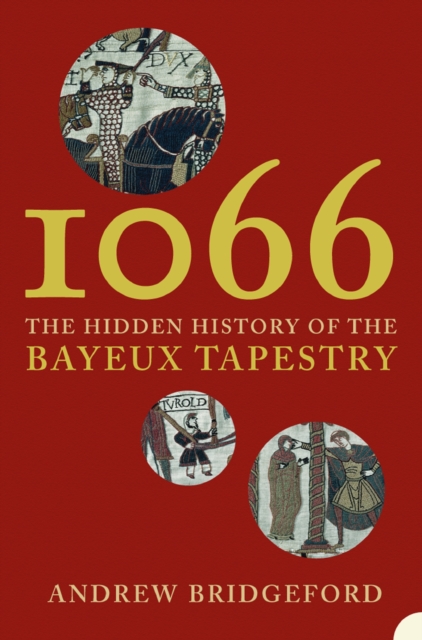
A brilliant new reading of the Bayeux Tapestry that radically alters our understanding of the events of 1066 and reveals the astonishing story of the survival of early medieval Europe's greatest treasure.
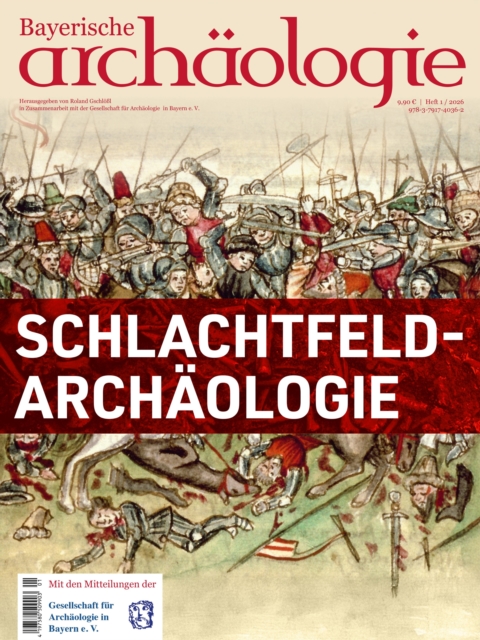
Schlachtfeldarchaologie: In Heft 1/2026 blicken wir auf die Schlachtfelder verschiedener Epochen, zu denen archaologische Funde wie Waffen, Ausrustung oder menschliche Uberreste vorliegen.
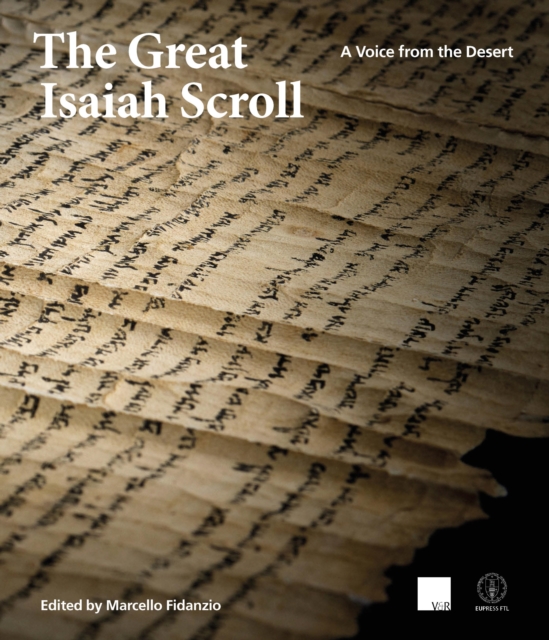
The Great Isaiah Scroll lives up to its present-day name: with its over 7 meters, it preserves a complete text of one of the most extensive Hebrew Bible books.