This is the OCR-endorsed publication from Bloomsbury for the Latin AS and A-Level (Group 1) prescription of Cicero's pro Milone sections 24 32, 34 35 and 43 52, and the A-Level (Group 2) prescription of sections 53 64 (to defendere) and 72 80, giving full Latin text, commentary and vocabulary, with a detailed introduction that also covers the prescribed text to be read in English for A Level.
This is the OCR-endorsed publication from Bloomsbury for the Latin A-Level (Group 4) prescription of Virgil's Aeneid X, giving full Latin text, commentary and vocabulary for lines 215 250, 260 307, 362 398 and 426 542.
This is the OCR-endorsed publication from Bloomsbury for the Latin A-Level (Group 2) prescription of Seneca's Letters, giving full Latin text, commentary and vocabulary for Letters 51, 53 and 57, with a detailed introduction that also covers the prescribed text to be read in English.
This is the OCR-endorsed publication from Bloomsbury for the Latin AS and A-Level (Group 1) prescription of Annals Book I sections 16 30 and the A-Level (Group 2) prescription of Annals Book I sections 3 7, 11 14 and 46 49, giving full Latin text, commentary and vocabulary, with a detailed introduction that also covers the prescribed text to be read in English for A Level.
This is the endorsed publication from OCR and Bloomsbury for the Latin AS and A-level (Group 3) prescription of Virgil's Aeneid VIII, giving full Latin text, commentary and vocabulary for lines 86 279 and 558 584, along with a detailed introduction.
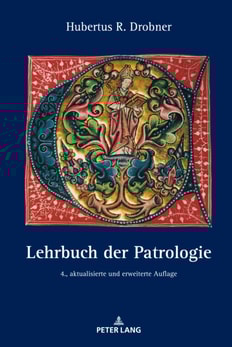
Dieses Lehrbuch versteht sich als eine fachübergreifende Literaturgeschichte und stellt in den mehr als acht Jahrhunderten, die es umspannt – von den biblischen Apokryphen bis zu Isidor von Sevilla, Johannes von Damaskus und den orientalischen christlichen Literaturen – alle Literaturgattungen sämtlicher großen Autoren der Periode vor, eingebettet in ihren literarischen, historischen, kirchlichen und theologischen Kontext.
From the epic adventures of gods and heroes to tales of the world's beginning, this illustrated collection of myths and legends from Greece and Rome is a captivating exploration of the tales that shaped the ancient world.
Discover the captivating worlds of Ancient Greece and Rome in this detailed introduction to the age-old deities, festivals, and legendary tales that have shaped Western mythology and culture.
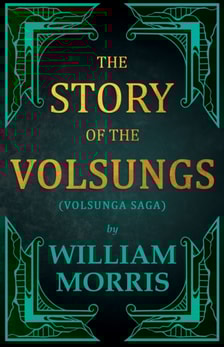
This book is two of the most famous and influential stories ever put to paper, providing the foundation for western literature for more than two millennia.
Originally published in 1897, "e;The Flourishing Of Romance And The Rise Of Allegory"e; is a fascinating treatise by English writer George Saintsbury on Romance.
From the bestselling author of Horrible Histories, named 'the outstanding children's non-fiction author of the 20th century' by Books For Keeps_______________Ideal for readers aged 7+Molly loves travelling with Shakespeare's theatre company but the jester, Armin, keeps picking on her and faithful donkey, Dolly.
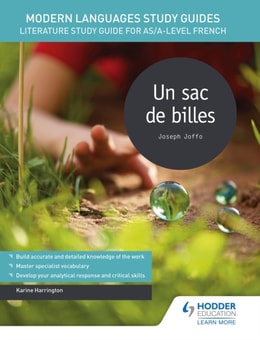
Exam Board: AQA, Edexcel, Eduqas & CCEALevel: AS/A-levelSubject: Modern LanguagesFirst Teaching: September 2016First Exam: June 2017Literature analysis made easy.
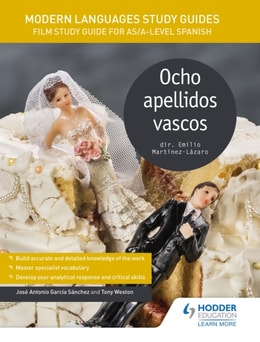
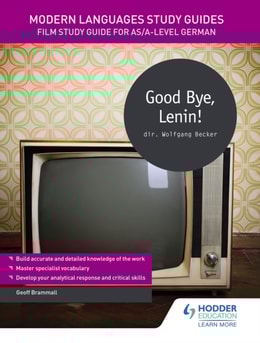
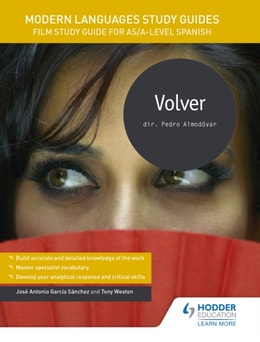
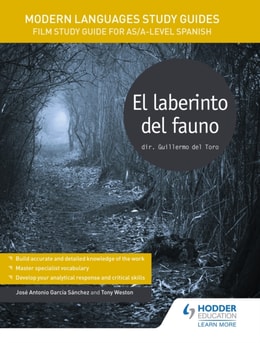
Exam Board: AQA, Edexcel, Eduqas & CCEALevel: AS/A-levelSubject: Modern LanguagesFirst Teaching: September 2016First Exam: June 2017Film analysis made easy.
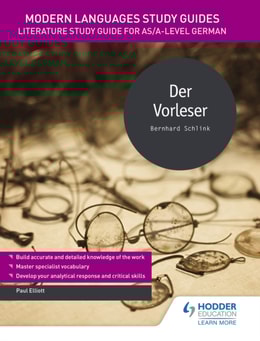
Exam Board: AQA, Edexcel & EduqasLevel: AS/A-levelSubject: Modern LanguagesFirst Teaching: September 2016First Exam: June 2017Literature analysis made easy.
Exam Board: AQA, Edexcel, WJEC, Eduqas & CCEALevel: AS/A-levelSubject: Modern LanguagesFirst Teaching: September 2017First Exam: June 2018Literature analysis made easy.
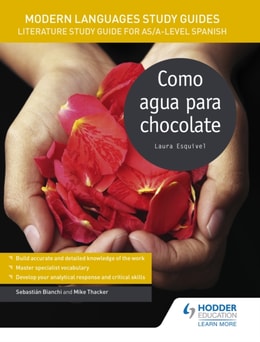
Exam Board: AQA, Edexcel, Eduqas & CCEALevel: AS/A-levelSubject: Modern LanguagesFirst Teaching: September 2016First Exam: June 2017Literature analysis made easy.
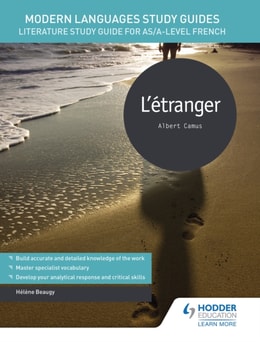
Exam Board: AQA, Edexcel, Eduqas & CCEALevel: AS/A-levelSubject: Modern LanguagesFirst Teaching: September 2016First Exam: June 2017Literature analysis made easy.