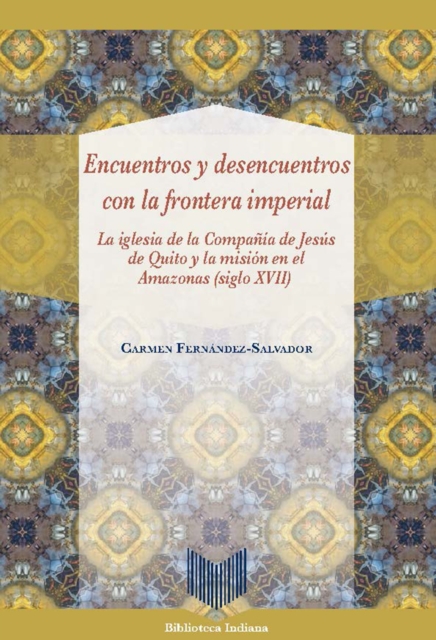
A la luz de la hagiografía local (la oratoria sagrada, las narrativas misioneras y las historias de las provincias religiosas) este libro analiza el temprano programa iconográfico de la iglesia de la Compañía de Jesús de Quito, ejecutado en la segunda mitad del siglo XVII, en relación con el proyecto misionero jesuita en la Amazonía.
»Ich habe hier nur ein Ziel«, sagt Whitley Strieber, »zu erforschen, wie wir die Lehre Jesu und das Beispiel seines Lebens nutzen können, um einen Weg aus der Leere unserer Welt und unseres Lebens zu finden.
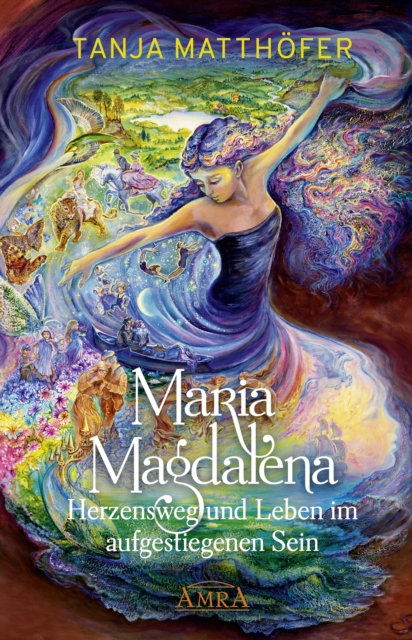
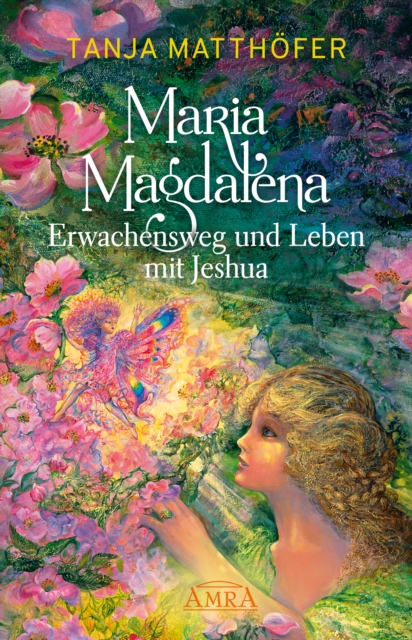
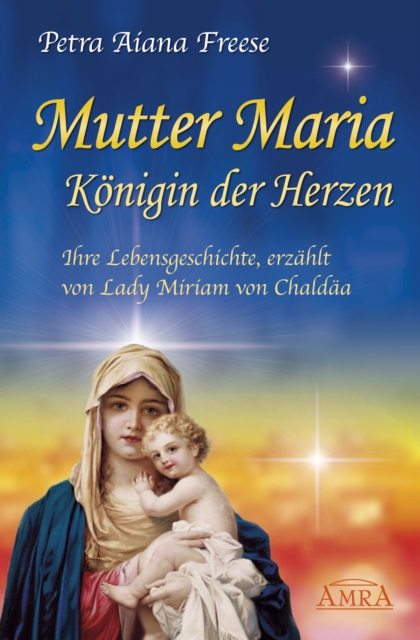
Frei von christlichen Dogmen und den offiziellen Vorgaben der Amtskirche schildert die Autorin das Leben Mutter Marias, wie sie es von der aufgestiegenen Meisterin Lady Miriam von Chaldäa mitgeteilt bekam.
Neben den 'Aufrichtigen Erzählungen eines russischen Pilgers' ist dieses erstmals 1907 erschienene Buch die wohl wichtigste Schrift über das Jesusgebet.
Wenn es uns gelingt, im Bewusstsein der Gegenwart Gottes zu leben, können wir uns selbst, andere Menschen, unsere Umwelt, Ereignisse und sogar Schicksalsschläge, aus einer anderen Perspektive betrachten und größere Zusammenhänge erkennen.
Das letzte Buch des Kultautors Joris-Karl Huysmans erstmals auf Deutsch: sein eindrücklich realistischer Bericht über Lourdes, den Wallfahrtsort der Pilgermassen, der Kranken, des Kitsches und der Wunder.
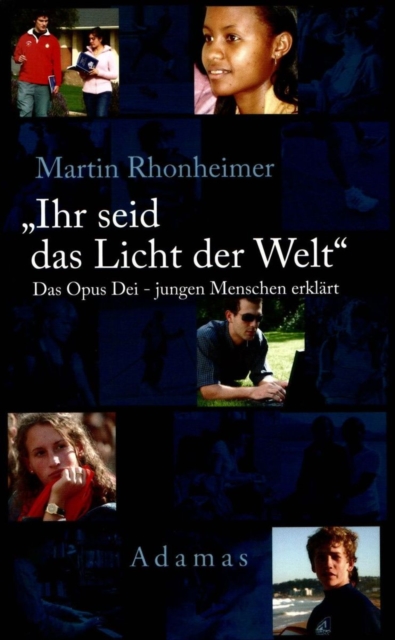
Alvaro del Portillo, der als junger Student 1935 seine Berufung zum Opus Dei entdeckt, erweist sich schon bald als Stütze Josemaría Escrivás in den Anfängen des Opus Dei und wird nach und nach seine rechte Hand.
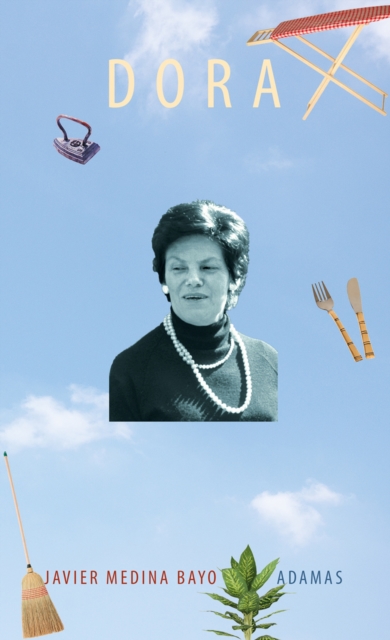
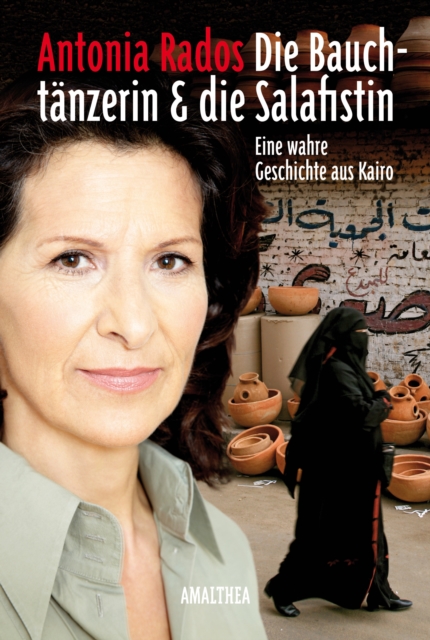
Dieses Buch handelt von einer unabhängigen, selbstbewussten Frau, die früh aus der dörflichen Enge ihres Elternhauses ausbrach, um die große, weite Welt kennenzulernen.
In der Reihe "Fragen der Menschen - Antworten des Glaubens" werden Themen aufgegriffen, die für den Menschen von heute von entscheidender Bedeutung sind.
In dem zweiten Band der Reinkarnationsgeschichte der Buchautorin Sabine Guhr-Biermann geht es um Intrigen und Macht, um Religion und Magie, um Liebe und Glaube, alles gepaart, beginnend im alten Ägypten, den Urwurzeln der Autorin.
Leben und Botschaft von Hermann-Josef WeidingerAls "Kräuterpfarrer der Nation" war er in Österreich und weit über dessen Grenzen hinaus bekannt: Hermann-Josef Weidinger.
Ein fantasievolles Gebetbuch für KinderDie kleine Luna erzählt auf berührende Weise, wie sie Hilfe bei ihrem Engel und Gott findet und warum es ihr viel Freude macht zu beten.
"In einer Wandverkleidung hinter der Heizung ihres Wohnzimmers fand Inge Geiler eines Tages ein Bündel Papiere: lose Zettel, Fotografien, Zeitungen, Postkarten und Briefe, gerichtet an ein Ehepaar, das zu Beginn der vierziger Jahre des vorigen Jahrhunderts in diesem Zimmer gewohnt hatte.
"Irgendwie fanden wir es nicht richtig, dass die Welt sich weitergedreht hatte, während es Auschwitz gab, dass die Leute gelacht und gescherzt, getrunken und sich geliebt hatten, während Millionen starben und wir um unser Leben kämpften.
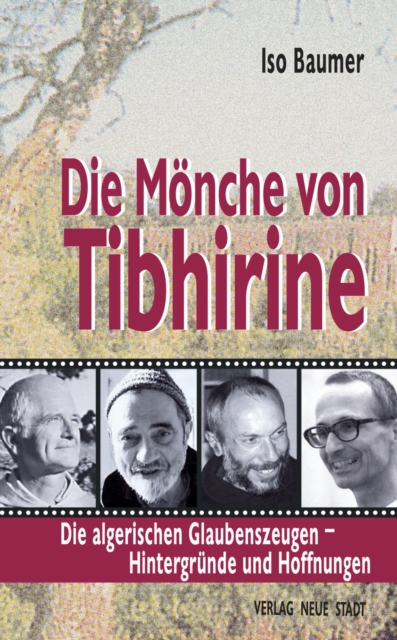
"Von Menschen und Göttern", der Aufsehen erregende, für viele Preise nominierte Film des französischen Regisseurs Xavier Beauvois, hat das Schicksal der sieben ermordeten Trappistenmönche von Tibhirine/Algerien neu in den Fokus der Öffentlichkeit gerückt.
Friedhelm Hengsbach, Jesuit und einer der angesehensten Sozialethiker Deutschlands, beobachtet gesellschaftliche und kirchliche Entwicklungen seit Jahrzehnten - wach, kritisch und unbestechlich.
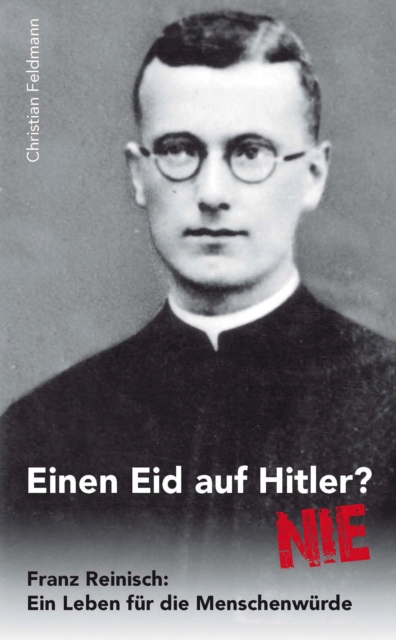
Nur wenige Querköpfe waren nicht bereit, sich während der nationalsozialistischen Diktatur das selbstständige Denken austreiben und die persönliche Verantwortung abnehmen zu lassen.