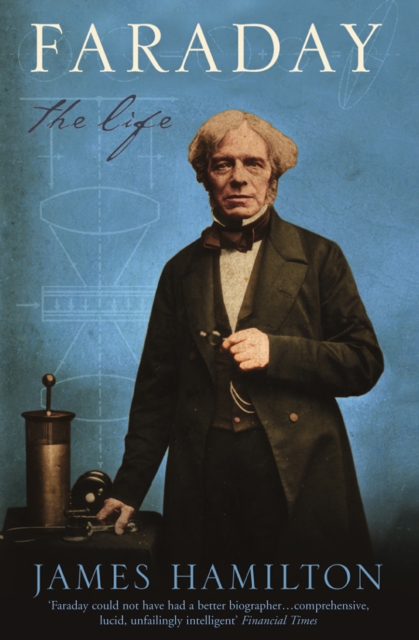
A major biography of Michael Faraday (1791-1867), one of the giants of 19th century science and discoverer of electricity who was at the centre of an extraordinary scientific renaissance in London.
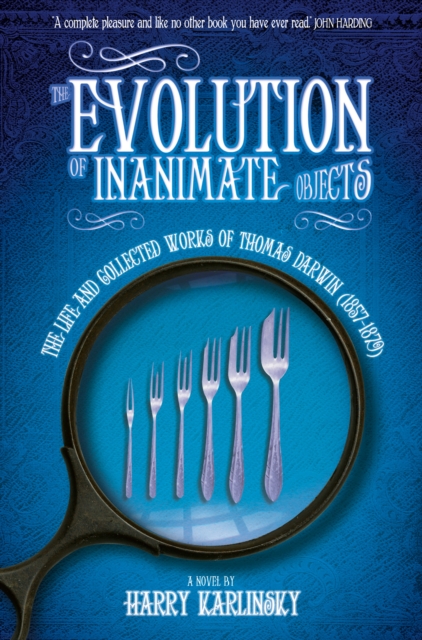
LONGLISTED FOR THE WELLCOME TRUST BOOK PRIZE 2012While carrying out historical research at an Ontario asylum, psychiatrist Harry Karlinsky comes across a familiar surname in the register.
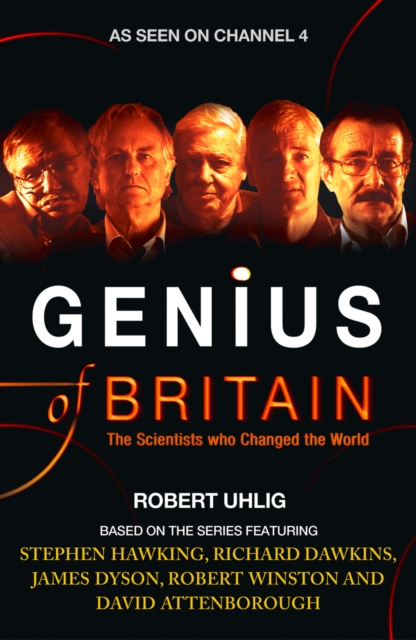
The extraordinary history of British science, with commentary from Britain's greatest living scientists: Stephen Hawking, Richard Dawkins and James DysonWe may only be a small island, but we are far from small-minded.
Winner of the 2002 BMA Popular Medicine Book Prize: This is a haunting literary and scientific examination of Alzheimer's disease and the race to find a cure.
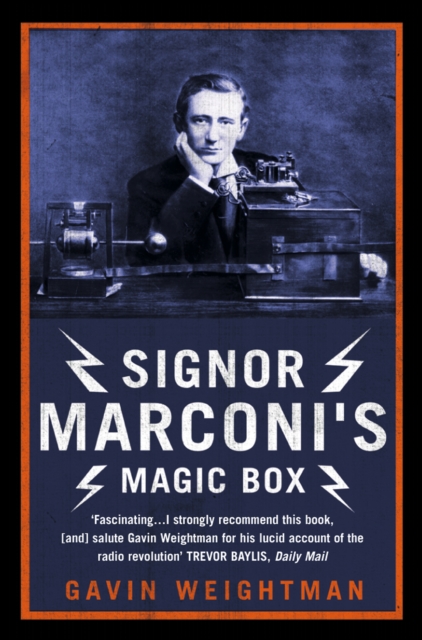
The intriguing story of how wireless was invented by Guglielmo Marconi - and how it amused Queen Victoria, saved the lives of the Titanic survivors, tracked down criminals and began the radio revolution.
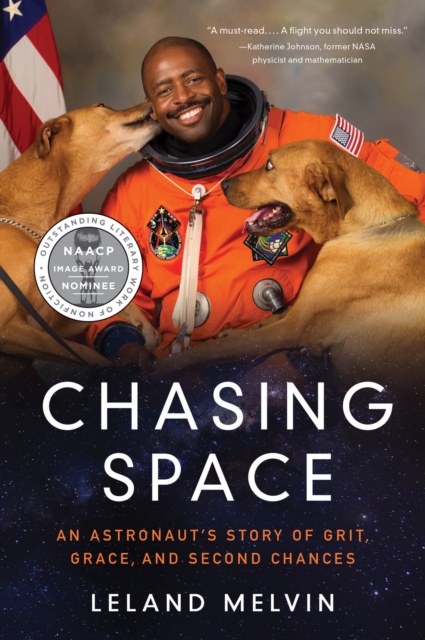
In thisrevelatory andmovingmemoir, a former NASA astronaut and NFL wide receiver shares his personal journey from the gridiron to the stars, examining the intersecting roles of community, perseverance and grace that align to create the opportunities for success.
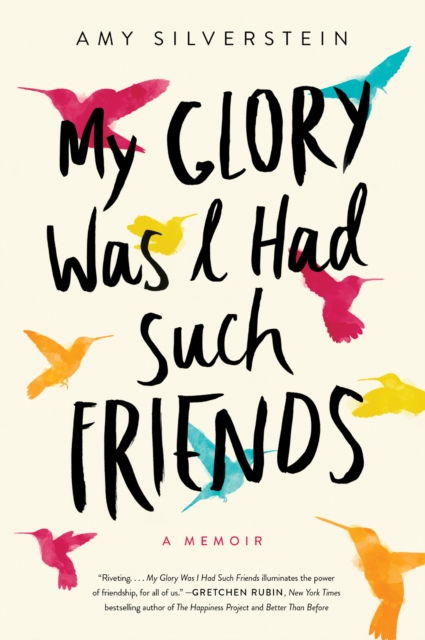
In this moving memoir about the power of friendship and the resilience of the human spirit, Amy Silverstein tells the story of the extraordinary group of women who supported her as she waited on the precipice for a life-saving heart transplant.
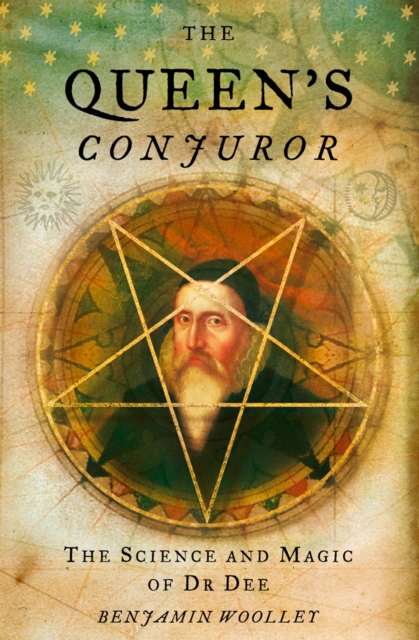
A spellbinding portrait of Queen Elizabeth's conjuror - the great philosopher, scientist and magician, Dr John Dee (1527-1608) and a history of Renaissance science that could well be the next 'Longitude'.
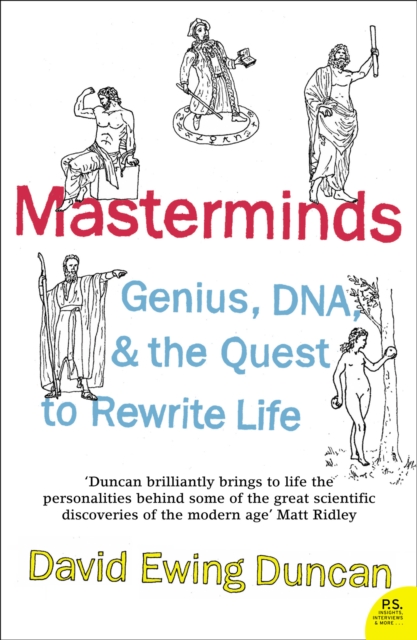
Combining myth, biography, and wit, this is a highly original depiction of cutting-edge science and its profound implications, told through the scientists who are rewriting life on earth.
On the same day that his wife gave birth to twins, Anthony Doerr received the Rome Prize, an award that gave him a year-long stipend and studio in Rome.
The commercial and cultural explosion of the digital age may have been born in California's Silicon Valley, but it reached its high point of riotous, chaotic exuberance in New York City from 1995 to 2000in the golden age of Silicon Alley.
'Indecently entertaining' A Daily Mail Book of the WeekAs any reader of murder mysteries can tell you, poison is one of the most enduring - and popular - weapons of choice for a scheming murderer.
Sunday Times BestsellerA breathtaking and beautiful exploration of our planet, this groundbreaking book accompanies the BBC One TV series, providing the deepest answers to the simplest questions.
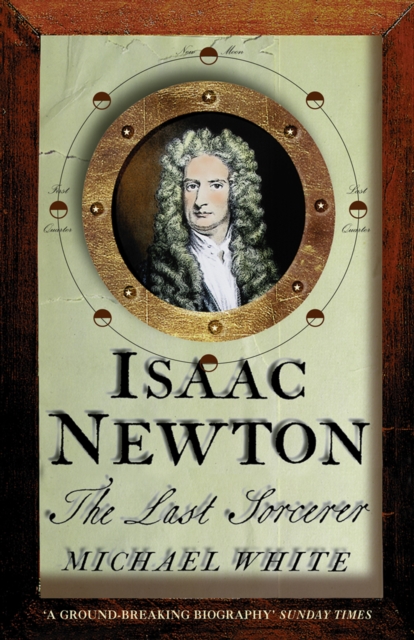
First time in ebook format, this biography of Isaac Newton reveals the extraordinary influence that the study of alchemy had on the greatest Early Modern scientific discoveries.
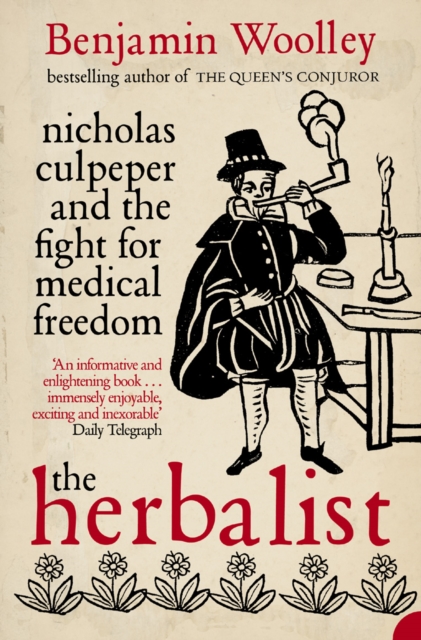
From the bestselling author of 'The Queen's Conjuror', comes the story of Nicholas Culpeper - legendary rebel, radical, Puritan, and author of the great 'Herbal'.
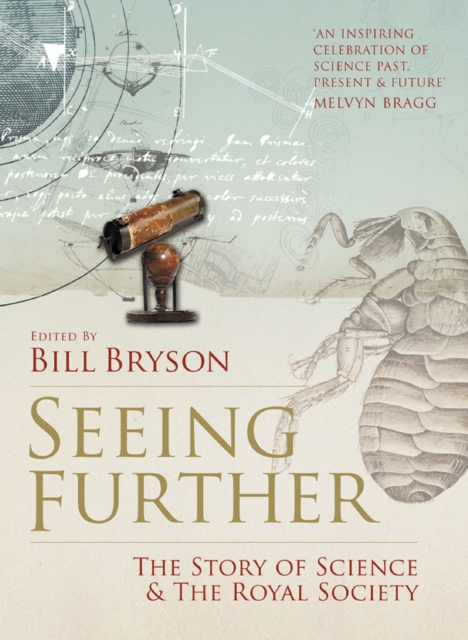
Edited and introduced by Bill Bryson, with contributions from Richard Dawkins, Margaret Atwood, Richard Holmes, Martin Rees, Richard Fortey, Steve Jones, James Gleick and Neal Stephenson amongst others, this beautiful, lavishly illustrated book tells the story of science and the Royal Society, from 1660 to the present.
Biographic Memoirs Volume 88 contains the biographies of deceased members of the National Academy of Sciences and bibliographies of their published works.
This is the 11th Volume in the series Memorial Tributes compiled by the National Academy of Engineering as a personal remembrance of the lives and outstanding achievements of its members and foreign associates.
This is the 10th Volume in the series Memorial Tributes compiled by the National Academy of Engineering as a personal remembrance of the lives and outstanding achievements of its members and foreign associates.
Biographic Memoirs: Volume 77 contains the biographies of deceased members of the National Academy of Sciences and bibliographies of their published works.
Biographic Memoirs: Volume 73 contains the biographies of deceased members of the National Academy of Sciences and bibliographies of their published works.
Biographic Memoirs: Volume 54 contains the biographies of deceased members of the National Academy of Sciences and bibliographies of their published works.
Biographic Memoirs: Volume 53 contains the biographies of deceased members of the National Academy of Sciences and bibliographies of their published works.
Biographic Memoirs: Volume 51 contains the biographies of deceased members of the National Academy of Sciences and bibliographies of their published works.
Biographic Memoirs: Volume 50 contains the biographies of deceased members of the National Academy of Sciences and bibliographies of their published works.
Biographic Memoirs: Volume 48 contains the biographies of deceased members of the National Academy of Sciences and bibliographies of their published works.