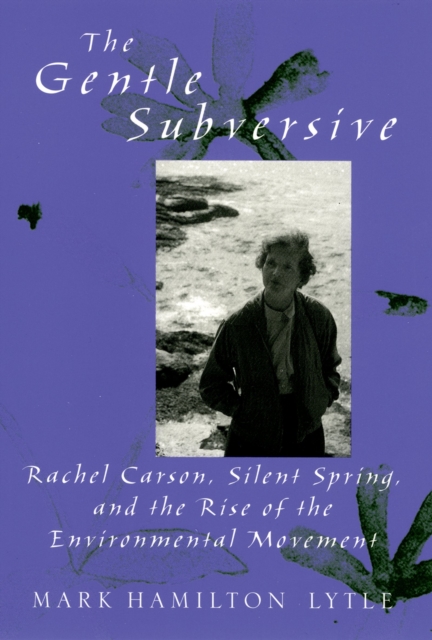
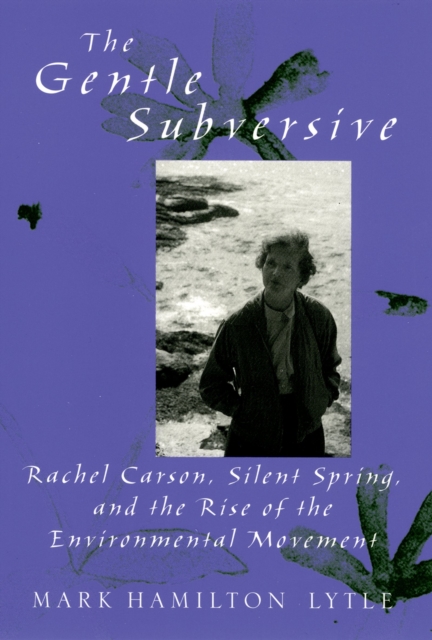
Rachel Carson's Silent Spring antagonized some of the most powerful interests in the nation--including the farm block and the agricultural chemical industry--and helped launch the modern environmental movement.
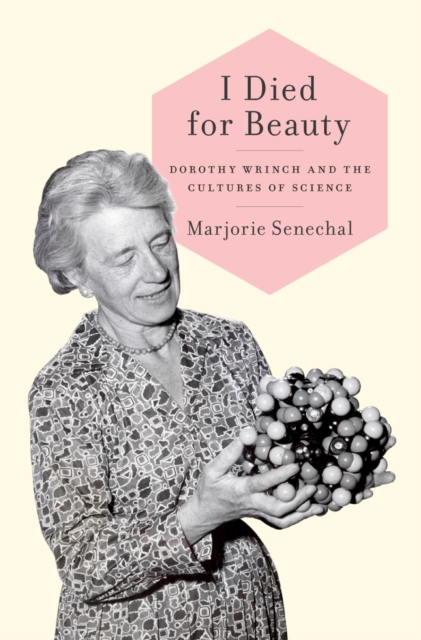
In the vein of A Beautiful Mind, The Man Who Loved Only Numbers, and Rosalind Franklin: The Dark Lady of DNA, this volume tells the poignant story of the brilliant, colorful, controversial mathematician named Dorothy Wrinch.
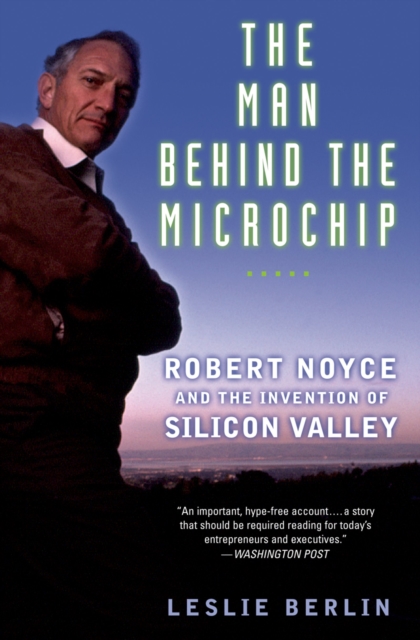
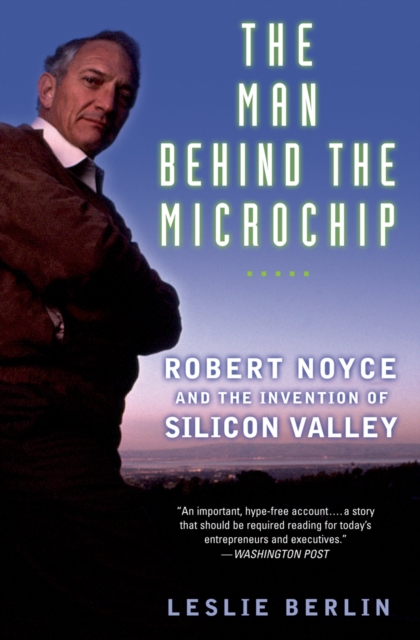
Hailed as the Thomas Edison and Henry Ford of Silicon Valley, Robert Noyce was a brilliant inventor, a leading entrepreneur, and a daring risk taker who piloted his own jets and skied mountains accessible only by helicopter.
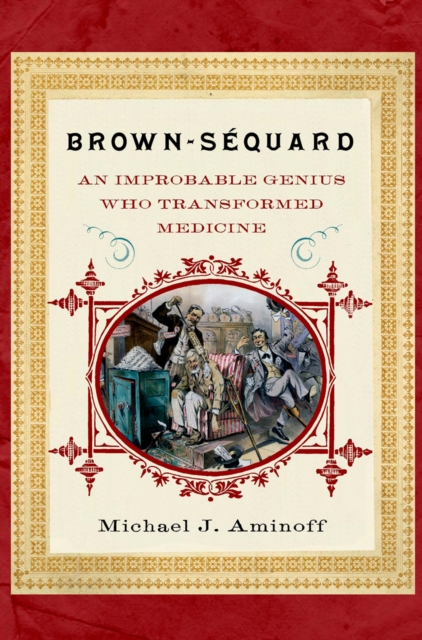
Brown-Sequard: An Improbable Genius Who Transformed Medicine traces the strange career of an eccentric, restless, widely admired, nineteenth-century physician-scientist who eventually came to be scorned by antivivisectionists for his work on animals, by churchgoers who believed that he encouraged licentious behavior, and by other scientists for his unorthodox views and for claims that, in fact, he never made.
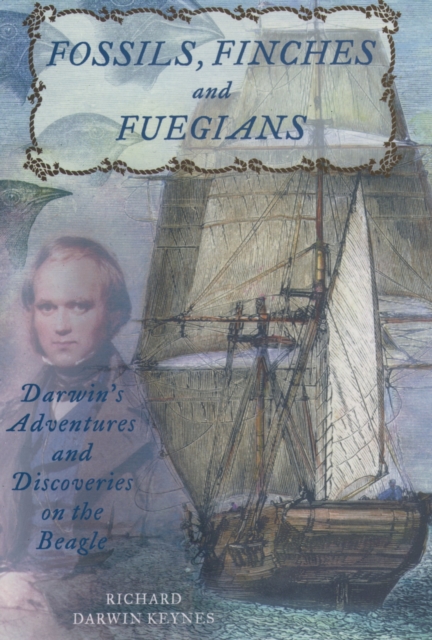
When Charles Darwin, then age 22, first saw the HMS Beagle, he thought it looked "e;more like a wreck than a vessel commissioned to go round the world.
Joseph Babinski's contributions to French medicine have been well-documented, but there has yet to be a significant and an authoritative biography of him--until now.
Winner of the Pfizer Award from the History of Science Society "e;Contrary to legend, Ivan Pavlov (1849-1936) never trained a dog to salivate to the sound of a bell.
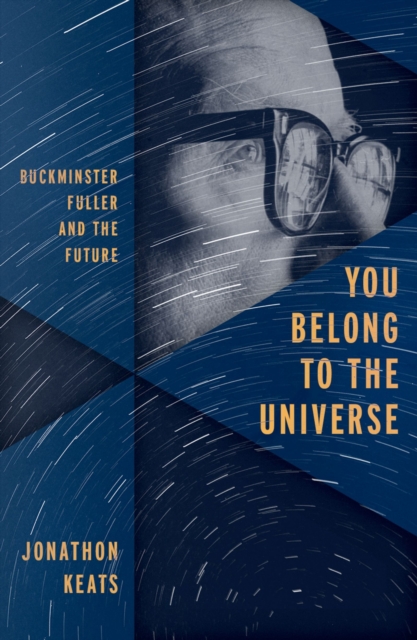
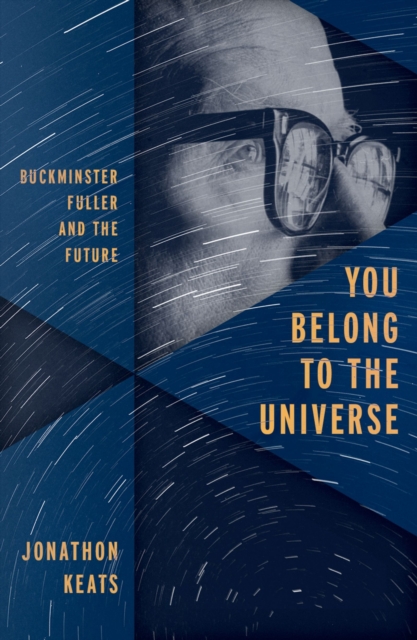
A compelling call to apply Buckminster Fuller's creative problem-solving to present-day problemsA self-professed "e;comprehensive anticipatory design scientist,"e; the inventor Buckminster Fuller (1895-1983) was undoubtedly a visionary.
A compelling call to apply Buckminster Fuller's creative problem-solving to present-day problemsA self-professed "e;comprehensive anticipatory design scientist,"e; the inventor Buckminster Fuller (1895-1983) was undoubtedly a visionary.
Rachel Carson's Silent Spring antagonized some of the most powerful interests in the nation--including the farm block and the agricultural chemical industry--and helped launch the modern environmental movement.
Hailed as the Thomas Edison and Henry Ford of Silicon Valley, Robert Noyce was a brilliant inventor, a leading entrepreneur, and a daring risk taker who piloted his own jets and skied mountains accessible only by helicopter.
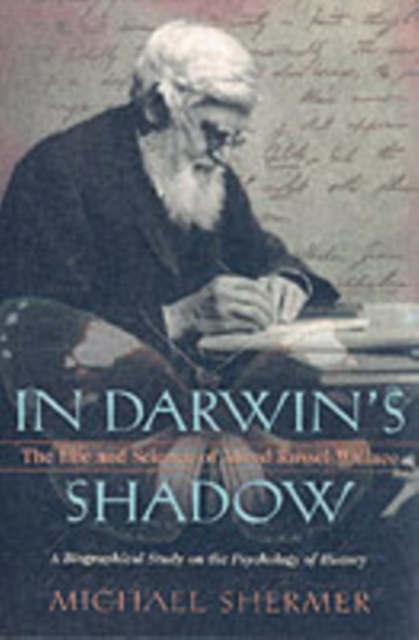
Virtually unknown today, Alfred Russel Wallace was the co-discoverer of natural selection with Charles Darwin and an eminent scientist who stood out among his Victorian peers as a man of formidable mind and equally outsized personality.
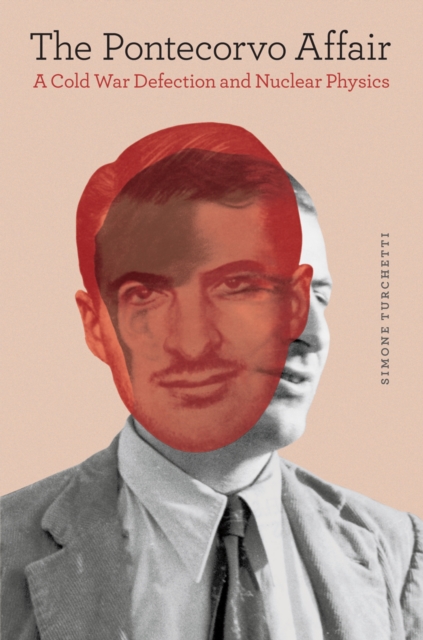
In the fall of 1950, newspapers around the world reported that the Italian-born nuclear physicist Bruno Pontecorvo and his family had mysteriously disappeared while returning to Britain from a holiday trip.
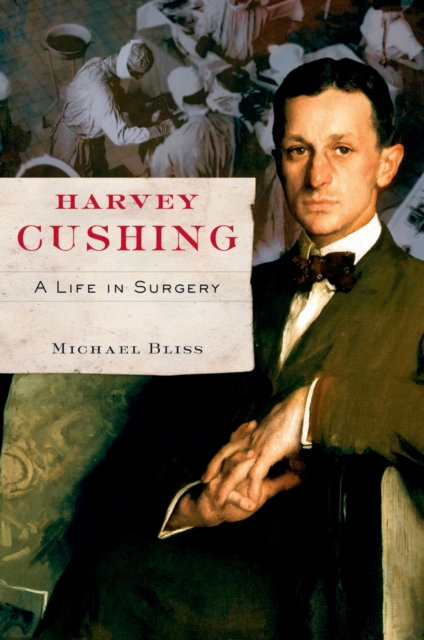
Here is the first biography to appear in fifty years of Harvey Cushing, a giant of American medicine and without doubt the greatest figure in the history of brain surgery.
"e;Camping With President Roosevelt"e; is an account of the author's trip to Yellowstone Park with former American president Theodore Roosevelt in 1903.
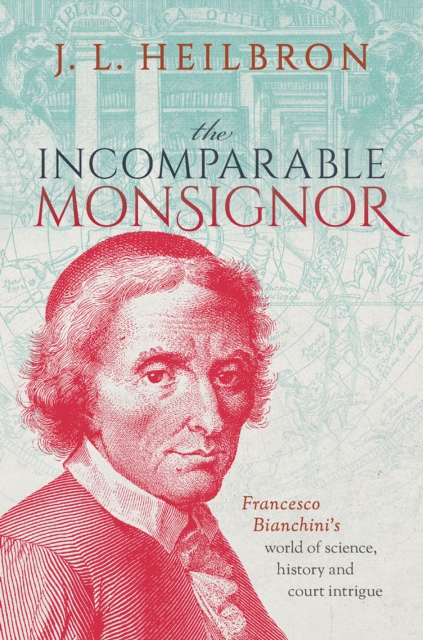
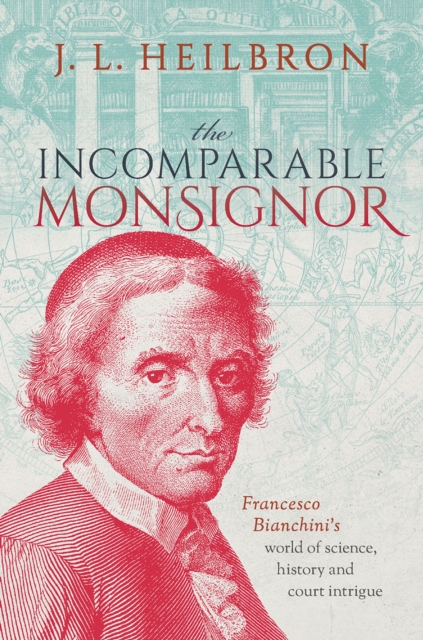
Through Francesco Bianchini, the 'greatest Italian of his time' this book explores the exciting meeting of science, history, and politics in early modern Europe.
Through Francesco Bianchini, the 'greatest Italian of his time' this book explores the exciting meeting of science, history, and politics in early modern Europe.
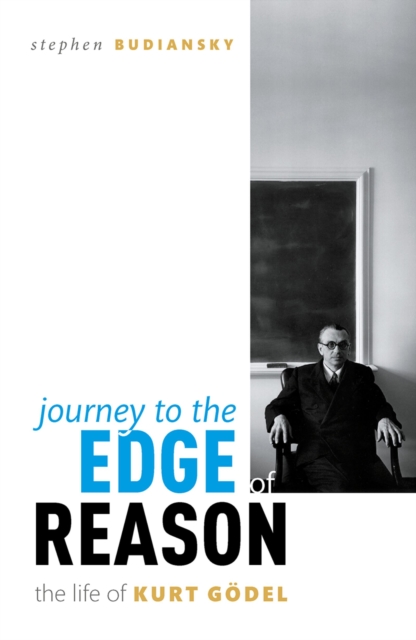
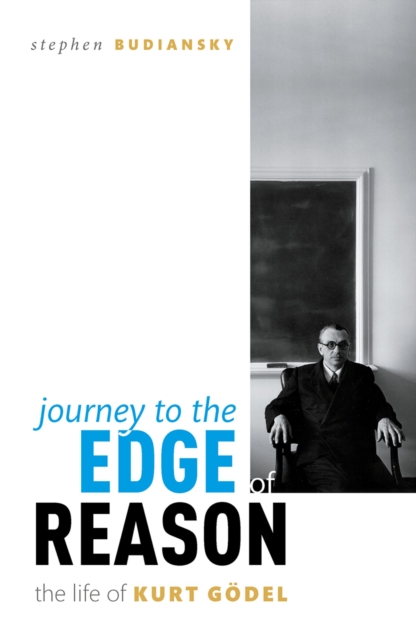
A remarkable account of Kurt Godel, weaving together creative genius, mental illness, political corruption, and idealism in the face of the turmoil of war and upheaval.
A remarkable account of Kurt Godel, weaving together creative genius, mental illness, political corruption, and idealism in the face of the turmoil of war and upheaval.
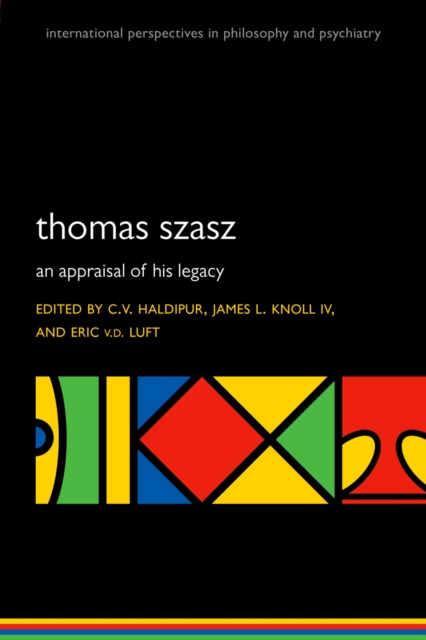
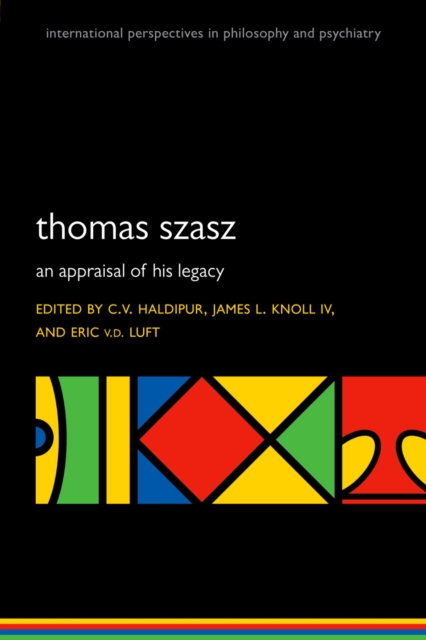
Thomas Szasz wrote over thirty books and several hundred articles, replete with mordant criticism of psychiatry, in both scientific and popular periodicals.
Thomas Szasz wrote over thirty books and several hundred articles, replete with mordant criticism of psychiatry, in both scientific and popular periodicals.
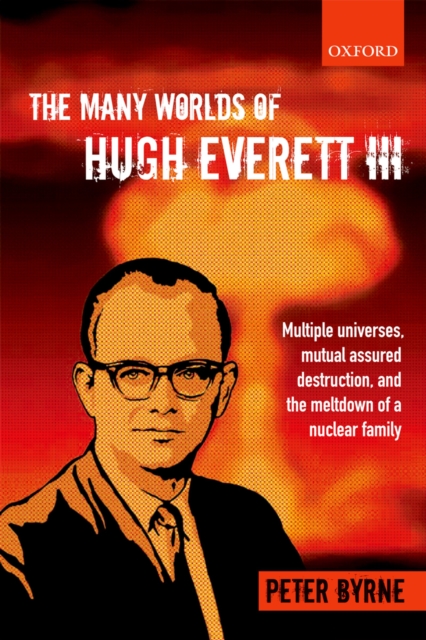
Peter Byrne tells the story of Hugh Everett III (1930-1982), whose "e;many worlds"e; theory of multiple universes has had a profound impact on physics and philosophy.
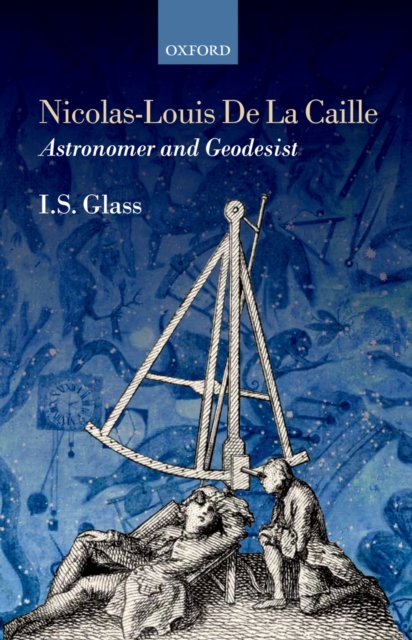
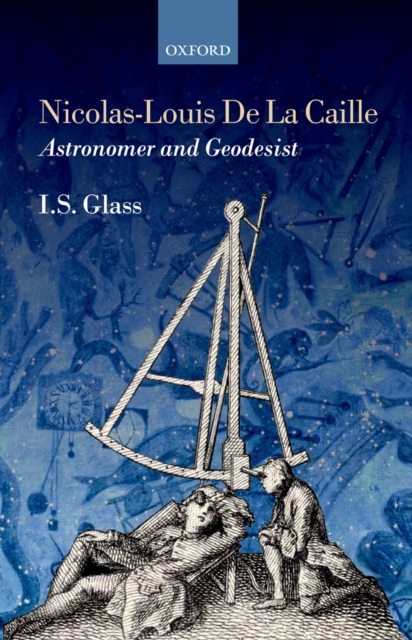
La Caille was one of the observational astronomers and geodesists who followed Newton in developing ideas about celestial mechanics and the shape of the earth.
La Caille was one of the observational astronomers and geodesists who followed Newton in developing ideas about celestial mechanics and the shape of the earth.
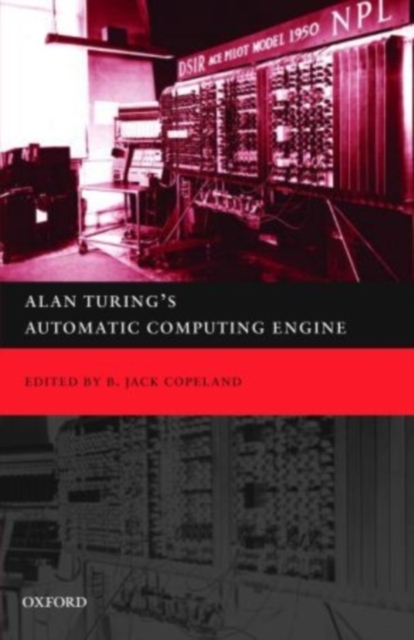
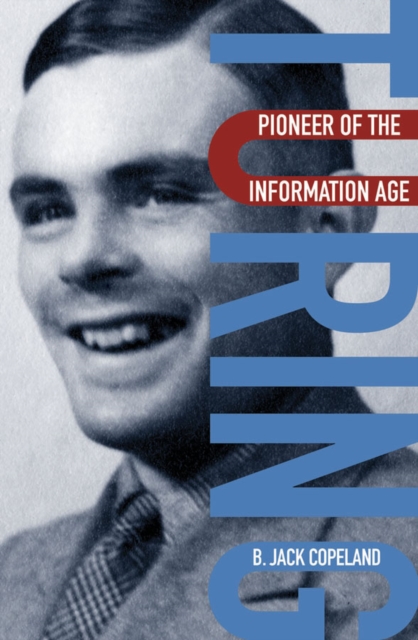
The mathematical genius Alan Turing, now well known for his crucial wartime role in breaking the ENIGMA code, was the first to conceive of the fundamental principle of the modern computer-the idea of controlling a computing machine's operations by means of a program of coded instructions, stored in the machine's 'memory'.
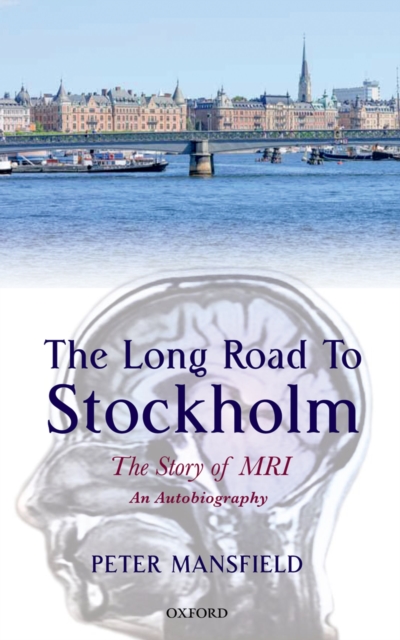
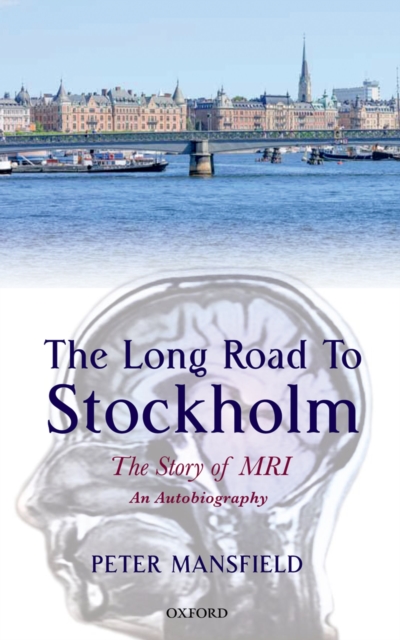
In this autobiography, Sir Peter Mansfield describes his life from war time childhood that initially sparked his interest in physics to his work in magnetic resonance imaging (MRI) that eventually led to the award of the Nobel Prize in 2003.
In this autobiography, Sir Peter Mansfield describes his life from war time childhood that initially sparked his interest in physics to his work in magnetic resonance imaging (MRI) that eventually led to the award of the Nobel Prize in 2003.
Rosalind Franklin is famous in the history of science for her contribution to the discovery of the structure of DNA, the start of the greatest biological revolution of the twentieth century.
Rosalind Franklin is famous in the history of science for her contribution to the discovery of the structure of DNA, the start of the greatest biological revolution of the twentieth century.
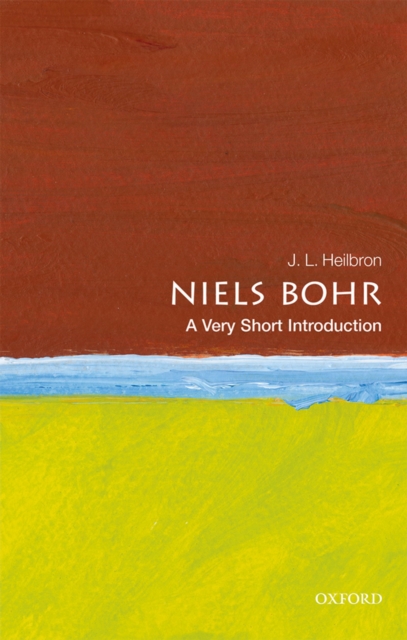
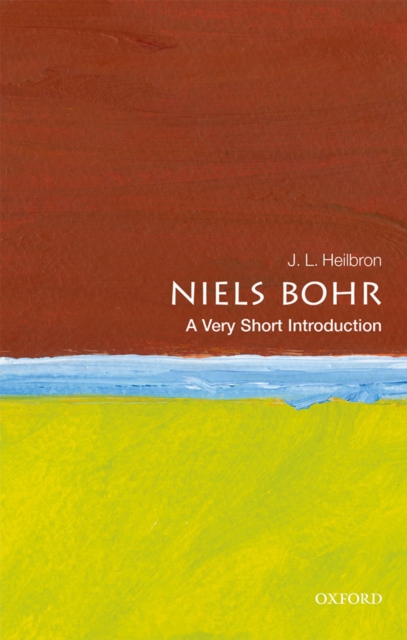
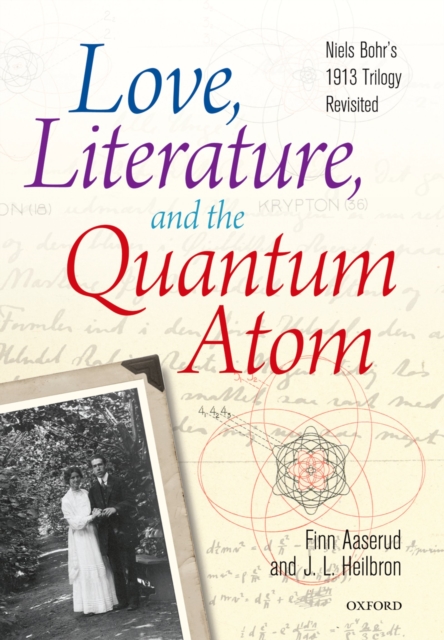
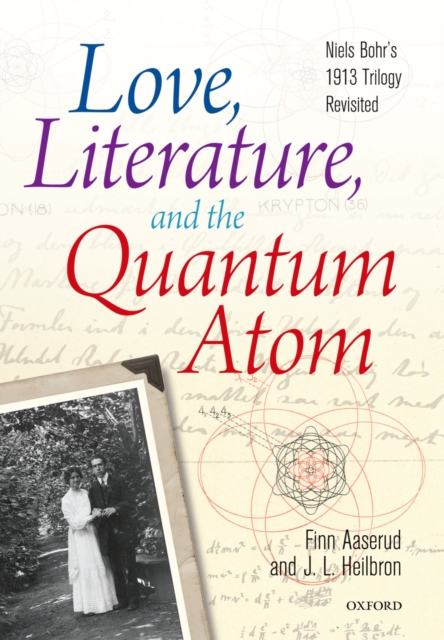
Niels Bohr and the Quantum Atom is the first book that focuses in detail on the birth and development of Bohr's atomic theory and gives a comprehensive picture of it.
Niels Bohr and the Quantum Atom is the first book that focuses in detail on the birth and development of Bohr's atomic theory and gives a comprehensive picture of it.
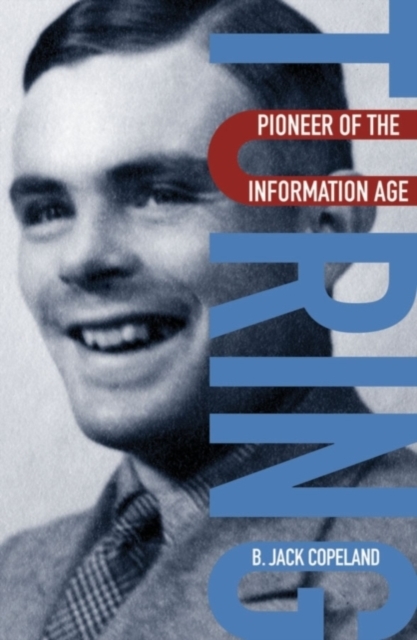
The mathematical genius Alan Turing, now well known for his crucial wartime role in breaking the ENIGMA code, was the first to conceive of the fundamental principle of the modern computer-the idea of controlling a computing machine's operations by means of a program of coded instructions, stored in the machine's 'memory'.