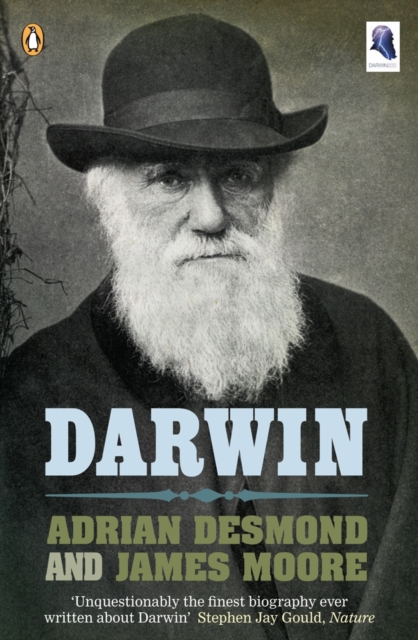
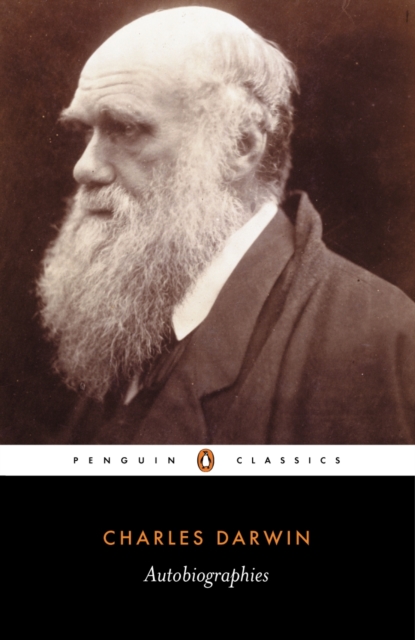
This biography of Charles Darwin attempts to capture the private unknown life of the real man - the gambling and gluttony at Cambridge, his gruelling trip round the globe, his intimate family life, worries about persecution and thoughts about God.
Francis Bacon (1561-1626), commonly regarded as one of the founders of the Scientific Revolution, exerted a powerful influence on the intellectual development of the modern world.
An inspiring anthology of writings by trailblazing women astronomers from around the globeThe Sky Is for Everyone is an internationally diverse collection of autobiographical essays by women who broke down barriers and changed the face of modern astronomy.
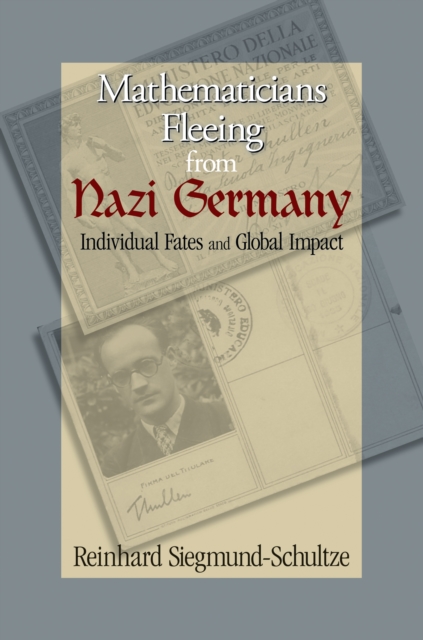
The emigration of mathematicians from Europe during the Nazi era signaled an irrevocable and important historical shift for the international mathematics world.
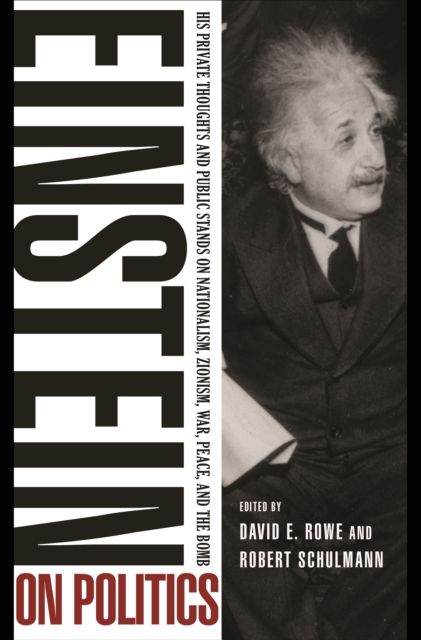
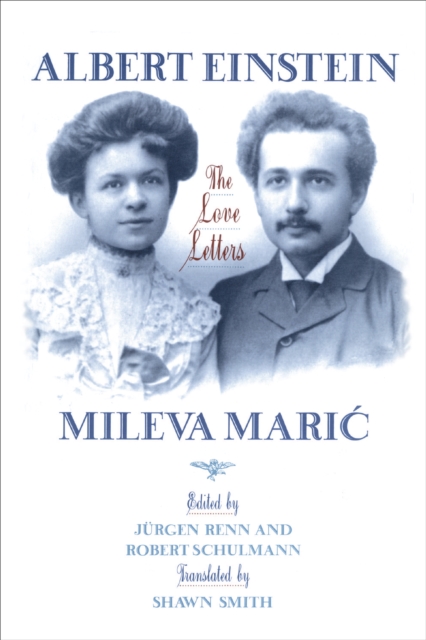
In 1903, despite the vehement objections of his parents, Albert Einstein married Mileva Maric, the companion, colleague, and confidante whose influence on his most creative years has given rise to much speculation.
The landowners in this book have improved their land and done so by being profitable, generous to their human community, committed to family, and desirous of leaving land better than when it came into their stewardship.
HR Management in the Forensic Science Laboratory: A 21st Century Approach to Effective Crime Lab Leadership introduces the profession of forensic science to human resource management, and vice versa.
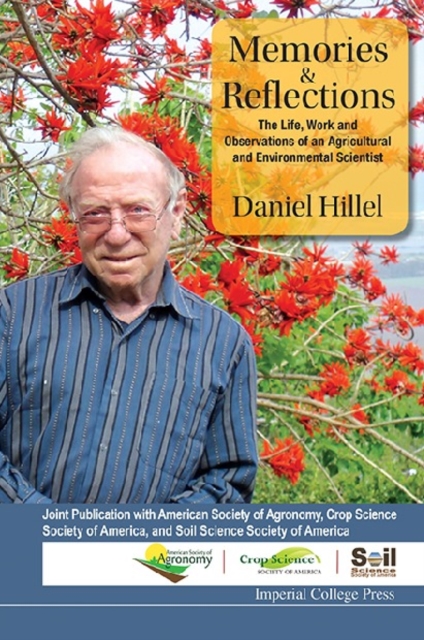
This is a series of personal recollections concerning the life and work of a leading American-Israeli environmental and agricultural scientist, whose wide-ranging personal and professional experiences span eight decades and some 40 countries around the world.
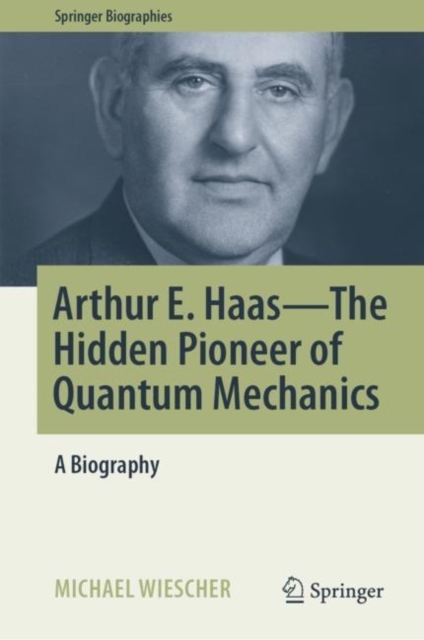
The book highlights the personal and scientific struggles of Arthur Erich Haas (1884-1941), an Austrian Physicist from a wealthy Jewish middle-class family, whose remarkable accomplishments in a politically hostile but scientifically rewarding environment deserve greater recognition.
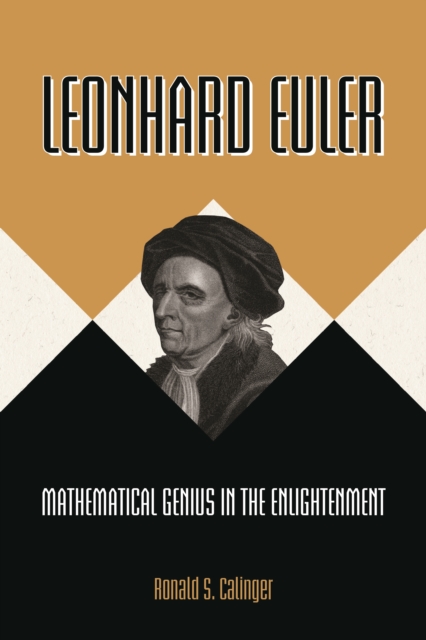
An acclaimed biography of the Enlightenment's greatest mathematicianThis is the first full-scale biography of Leonhard Euler (1707-83), one of the greatest mathematicians and theoretical physicists of all time.
A NEW YORK TIMES BESTSELLERThe official book behind the Academy Award-winning film The Imitation Game, starring Benedict Cumberbatch and Keira KnightleyIt is only a slight exaggeration to say that the British mathematician Alan Turing (19121954) saved the Allies from the Nazis, invented the computer and artificial intelligence, and anticipated gay liberation by decadesall before his suicide at age forty-one.
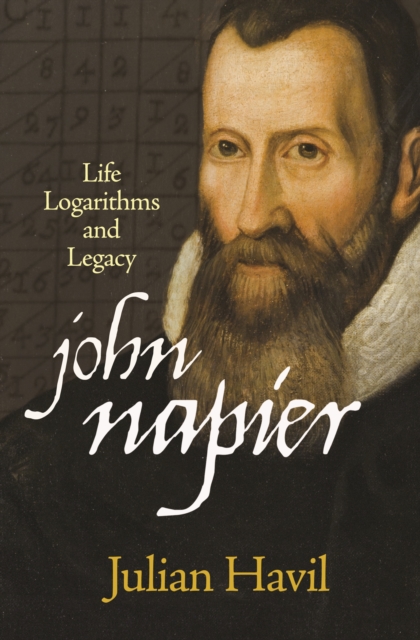
The most comprehensive account of the mathematician's life and workJohn Napier (1550-1617) is celebrated today as the man who invented logarithms-an enormous intellectual achievement that would soon lead to the development of their mechanical equivalent in the slide rule: the two would serve humanity as the principal means of calculation until the mid-1970s.
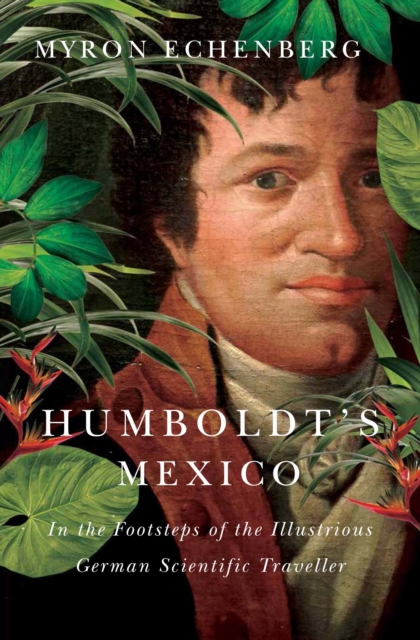
The incalculable influence of Alexander von Humboldt (1769-1859) on biology, botany, geology, and meteorology deservedly earned him the reputation as the world's most illustrious scientist before Charles Darwin.
Time for a Heart-to-Heart is not your typical memoir, but is rather eclectic in tone at times philosophical, poetic, poignant, uplifting, confessional, hysterically funny, and nostalgic.
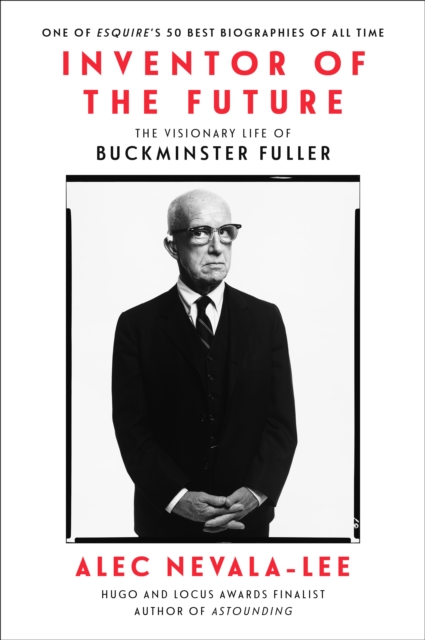
One ofEsquire's 50 Best Biographies of All Time *One of The Economist's Best Books of 2022 * ANew York TimesBook Review Editors' Choice *Nominated for The Next Big Idea Club *TheWeekMagazine Book of the WeekFrom Alec Nevala-Lee, the author of the Hugo and Locus Award finalist Astounding, comes a revelatory biography of the visionary designer who defined the rules of startup culture and shaped Americas idea of the future.
A major biography of the brilliant naturalist, traveler, humanitarian, and codiscoverer of natural selectionAlfred Russel Wallace (18231913) was perhaps the most famed naturalist of the Victorian age.
In this stunning memoir, beloved internationally acclaimed earth advocate chronicles her journey to reconnect with the earth, offering a model for how we all can nurture the wild around and inside ourselves.
A vivid portrait of the life and work of Carl LinnaeusCarl Linnaeus (17071778), known as the father of modern biological taxonomy, formalized and popularized the system of binomial nomenclature used to classify plants and animals.
Auf der Suche nach einem verschollenen Spiegel-Artikel erhält der Erzähler in Philipp Schönthalers neuem Roman unerwartet eine Einladung zu einer Tagung am Forstell-Institut in Nevada.
The history of computer-aided face recognition dates to the 1960s, yet the problem of automatic face recognition - a task that humans perform routinely and effortlessly in our daily lives - still poses great challenges, especially in unconstrained conditions.
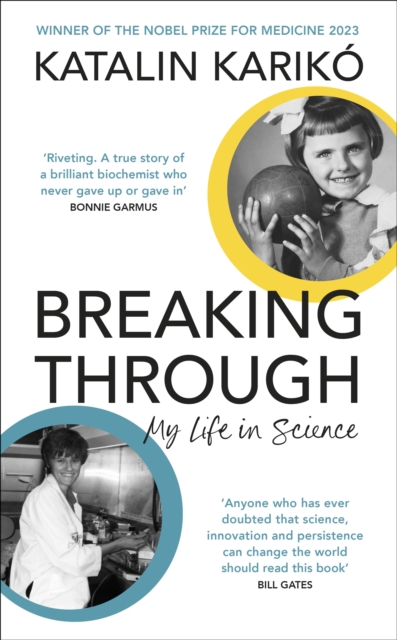
From butcher's daughter in communist Hungary to winner of the Nobel Prize in Medicine, this is the story of one woman's extraordinary determination and her breakthrough discovery that saved millions of lives.
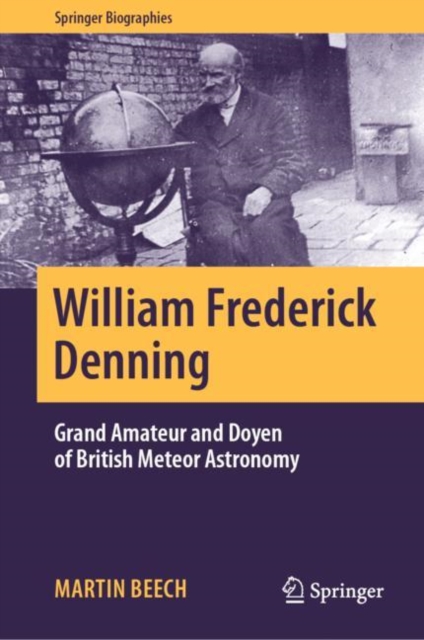
This book provides a detailed biographical account of the industrious late nineteenth-century astronomer William Frederick Denning who, in later life, rose to be a celebrated public figure and a highly respected amateur astronomer.
Ahistory of aging in the United Statesand an innovative blueprint for revolutionizingcare for older adultsfrom Northwell Health, New York's largest health care system.
A revisionist, completely accessible and radically inclusive history of maths'Lively, satisfying, good at explaining difficult concepts' The Sunday TimesMathematics shapes almost everything we do.
Of the many books written over the past century about the Old South and the American Civil War, a very few explore the scientific history of the South or the medical history of the war itself.