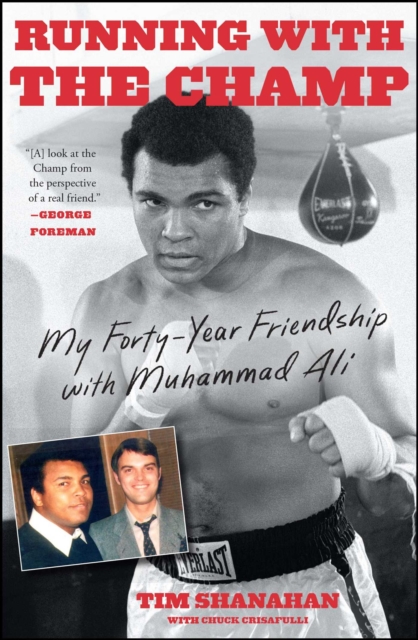
The affectionatecharming (Kirkus Reviews) story of Tim Shanahans remarkable and little-known forty-year friendship with boxing legend Muhammad Ali, filled with stories never told as well as never-before-published personal photos.
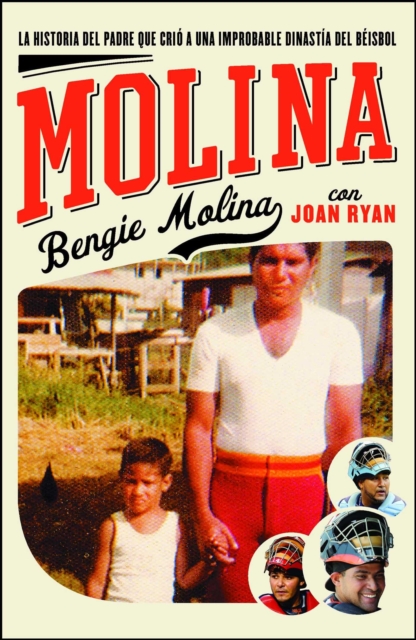
La inspiradora y verdadera historia del pobre obrero de factoría puertorriqueño Benjamín Molina Santana, quien contra viento y marea crió a la mayor dinastía de béisbol de todos los tiempos.
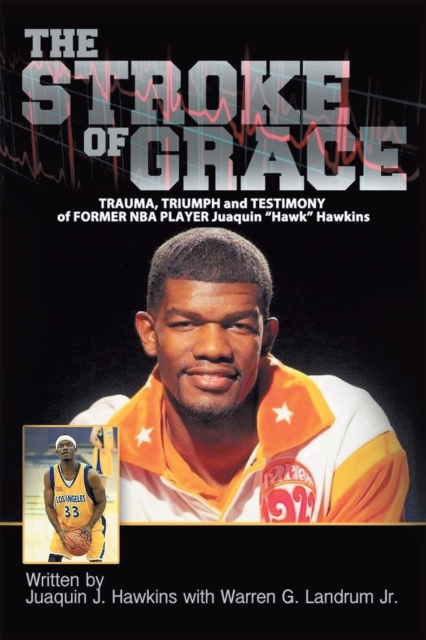
The Stroke of Grace was written to provide an up-close and personal look into the life of one of the most unique young men I have ever had the pleasure of getting to know.
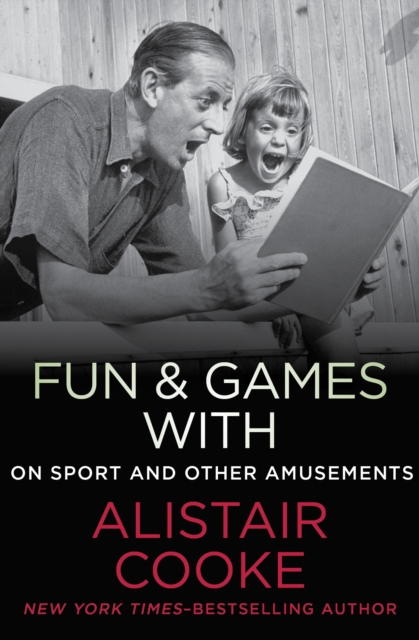
From Duke Ellington to Churchill Downs, championship golf to Greta Garbo, Alistair Cooke reports on the popular sports and entertainments he loved the mostThis delightful anthology, drawn from Alistair Cooke's Letter from America BBC broadcasts as well as his reporting for the Guardian, showcases the legendary journalist's wide range of sporting pleasures, which include golf, tennis, baseball, and horse racing, and records memorable fun he had with favorite movies, theater productions, and jazz performances.
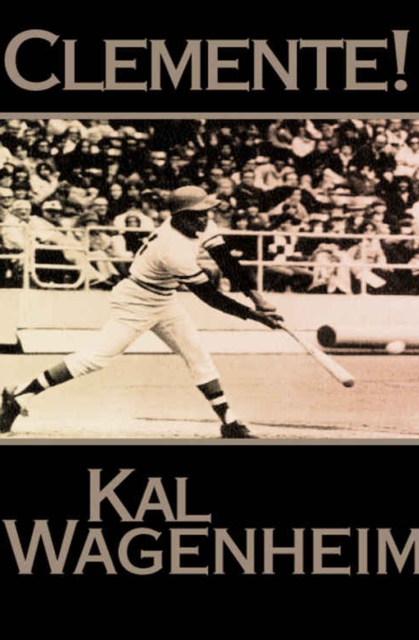
Roberto Clemente, one of history's greatest and most memorable Hispanic baseball stars, led a remarkable professional and personal life, until he met an untimely death in 1972 in a plane crash while on a mission of mercy to the site of a disastrous earthquake in Nicaragua.
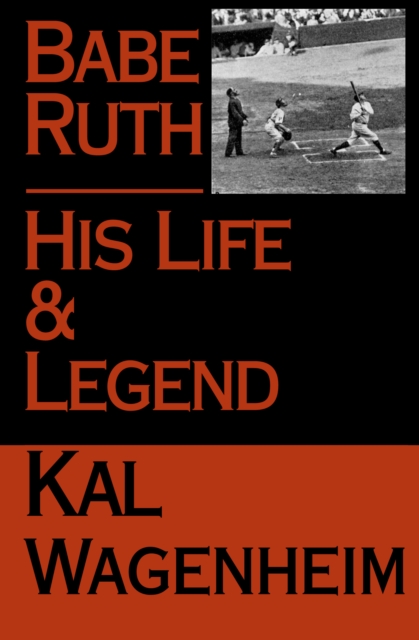
The most famous baseball player in history, and the most enduring legend, Babe Ruth is remembered for his dramatic heroism not only on the baseball diamond but also in his life.
The True Story of an Uncharted Journey Through the AfterlifeAs a world war raged around him, a young soldier named George Ritchie barely comprehended his own death as he left the physical world--only to return minutes later.
An Inspiring True Story Set in the Midst of the Civil Rights EraBy 1970, racial tension was at a breaking point in the southern town of Gallatin, Tennessee.
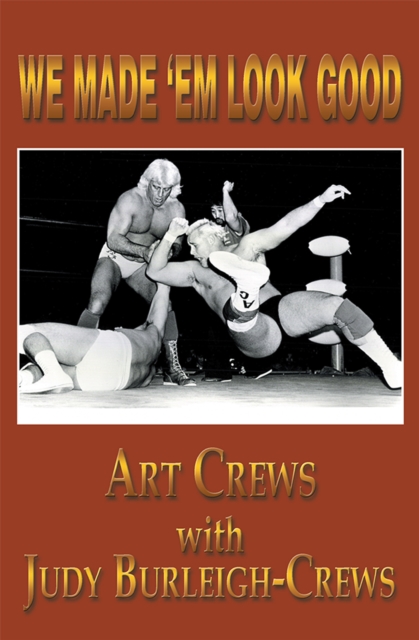
The story told by Art Crews through Judy Burleigh-Crews occurred more than twenty years ago butis a gut-wrenching story by one who was in the world of professional wrestling in its heyday.
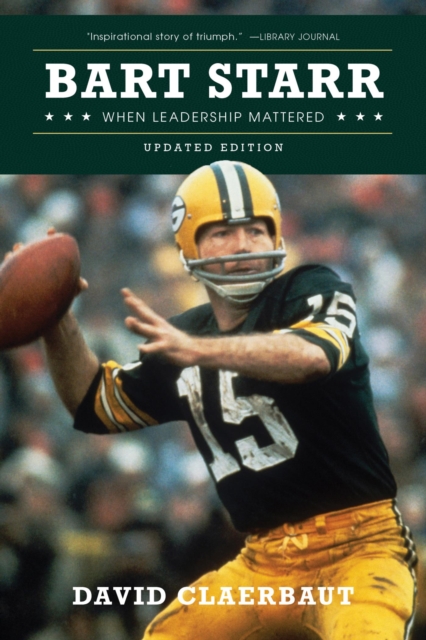
Bart Starr was the quarterback of the Green Bay Packers from 1956 to 1971, the most meaningful and successful era of one of footballs most storied franchises.
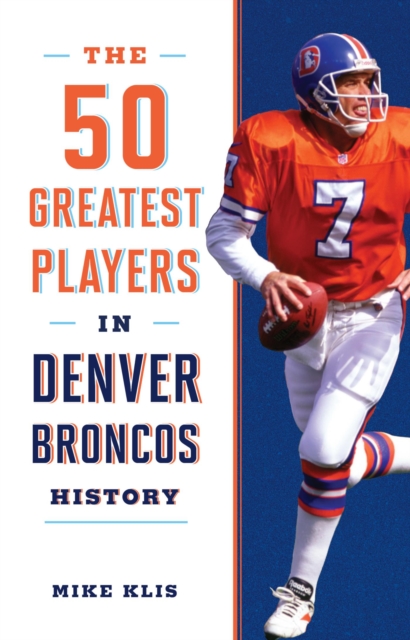
The 50 Greatest Players in Denver Broncos History examines the careers of the 50 men who made the greatest impact on one of the National Football League's most successful franchises.
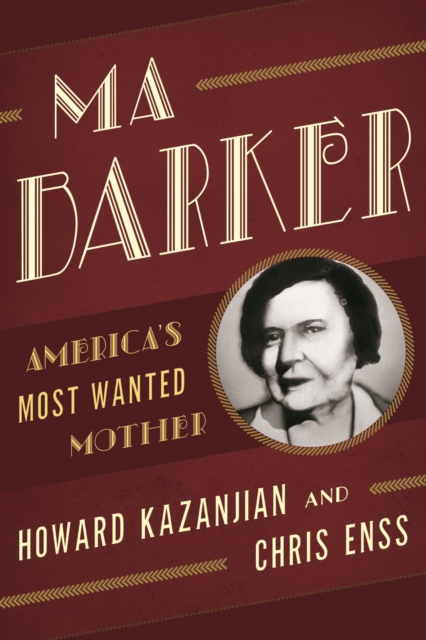
Was Arizona Donnie Clark, AKA Kate ';Ma' Barker the mastermind behind the Barker gang terrorizing the Midwest during the early years of the great Depression?
Why We Climb is a celebration, in word and image, of those aspects of the climbing life that are most universal, meaningful, and long lasting the strong connection to partners and nature; the physical and mental mastery required (and how to achieve it); the rewards of exploring oneself and the world through climbing.
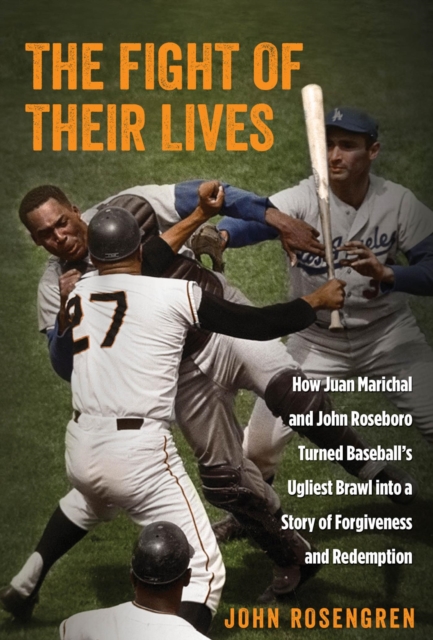
One Sunday afternoon in August 1965, on a day when baseballs most storied rivals, the Giants and Dodgers, vied for the pennant, the national pastime reflected the tensions in society and nearly sullied two men forever.
A celebration of feminine beauty, athleticism, wisdom, and skillWomen Who Dare profiles twenty of America's most inspiring women climbers ranging from legends like Lynn Hill to the rising stars of today, with stunning color photography by veteran adventure photographer Chris Noble.
Sitting at the kitchen tables of twelve women in their eighties who were born in or immigrated to Montana in the late nineteenth or early twentieth century, between 1982 and 1988 oral historian Donna Gray conducted interviews that reveal arich heritage.
The Civil Rights era is the backdrop to this story of a black college soccer team who played their hearts out to overcome racial injustice in 1970s USA.
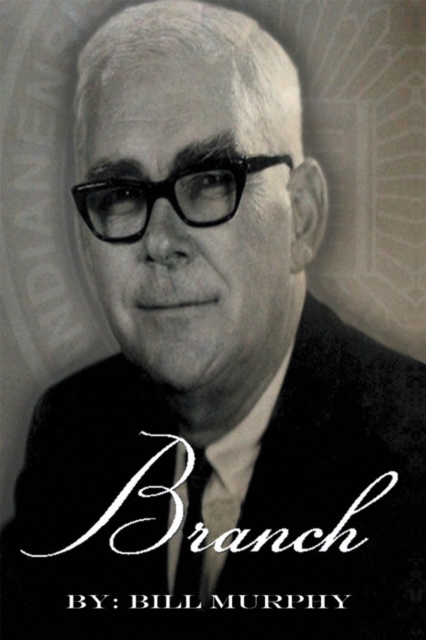
Many Indiana University fans have heard the name Branch McCracken, after whom the hallowed court at Assembly Hall is named, but how many of them know about the legendary coach himself?
This book encompasses a unique decade in the history of the United States, one that figuratively exploded in terms of business expansion and worth, social experimentation, individual ingenuity and general prosperity the vast majority of those achievements coming in the first half of the period.
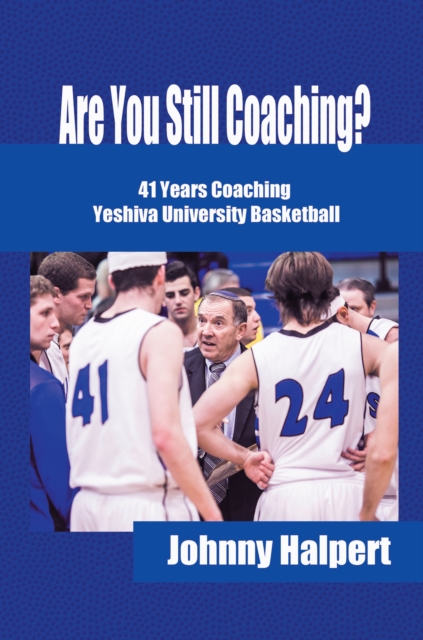
The nine members of the 19751976 Yeshiva University varsity basketball team attended their Jewish studies classes from nine to one, their secular classes from two to seven, practiced until ten, and went on to become doctors, dentists, or lawyers.
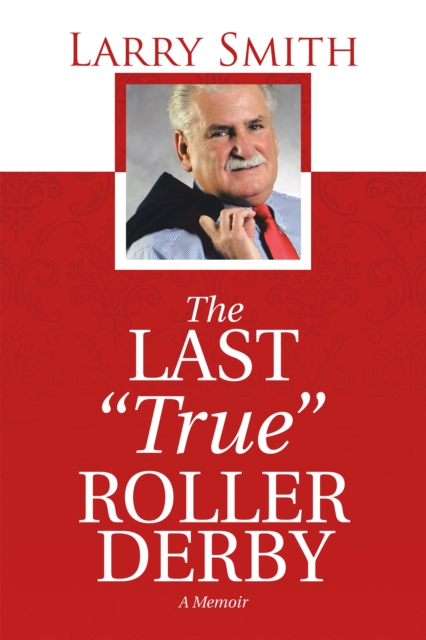
Larry Smith got some strange looks as a boy when he told everyone he wanted to join the Roller Derby, but hed go on to have the time of his life living out his dream.
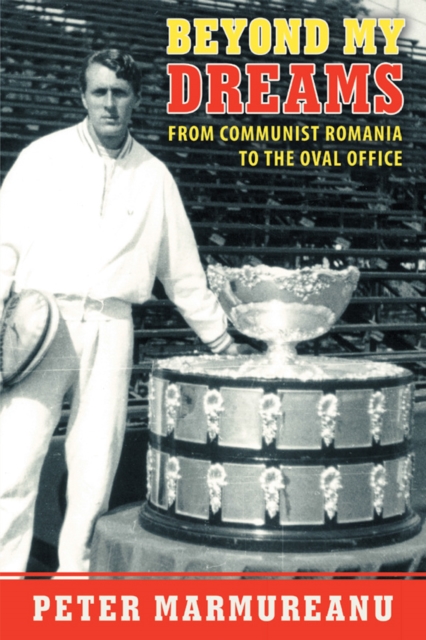
When Peter Marmureanu started learning tennis in communist-held Romania, he was ten years old, playing barefoot on clay courts, swinging a wooden paddle that served as a racket.