Pearl Zane Grey was best known for his popular adventure novels and stories that were a basis for the Western genre in literature and the arts, but he also wrote two hunting books, six children's books, three baseball books, and eight fishing books.
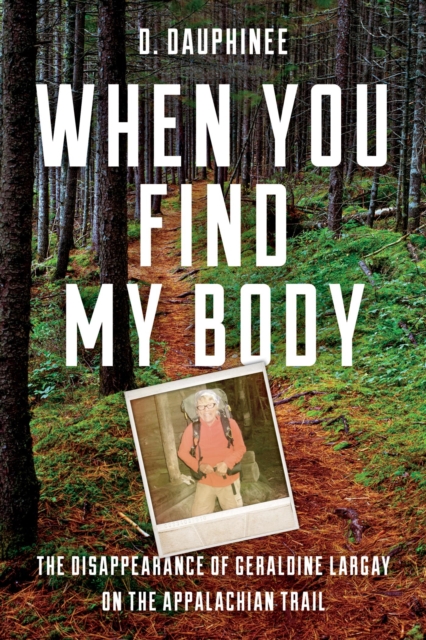
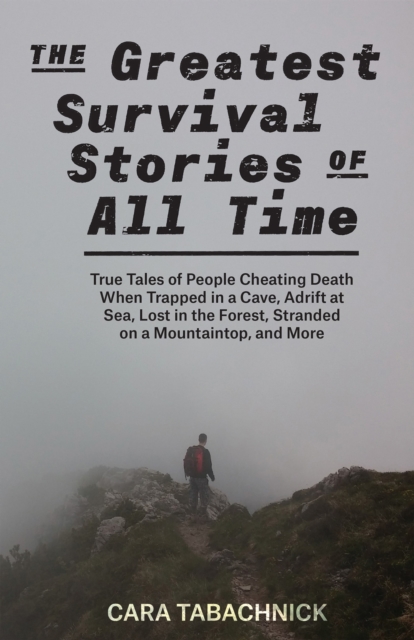
When Geraldine Gerry Largay (AT trail name, Inchworm) first went missing on the Appalachian Trail in remote western Maine in 2013, the people of Maine were wrought with concern.
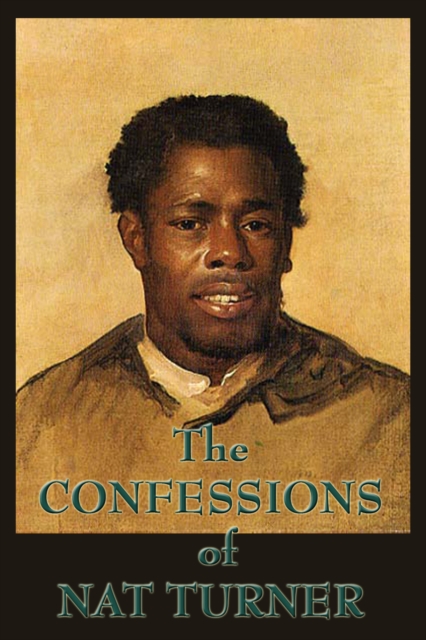
The Confessions of Nat Turner: The Leader of the Late Insurrection in Southampton, Virginia, is a first-hand account of Turner's confessions published by a local lawyer, Thomas Ruffin Gray, in 1831
SHORTLISTED FOR THE CWA ILP JOHN CREASEY FIRST NOVEL DAGGER AWARD 'I'll be following Bailey Seybolt the way I follow Tana French' Kate Brody'Twisty and compelling' Tracy SierraEveryone has heard the rumours.
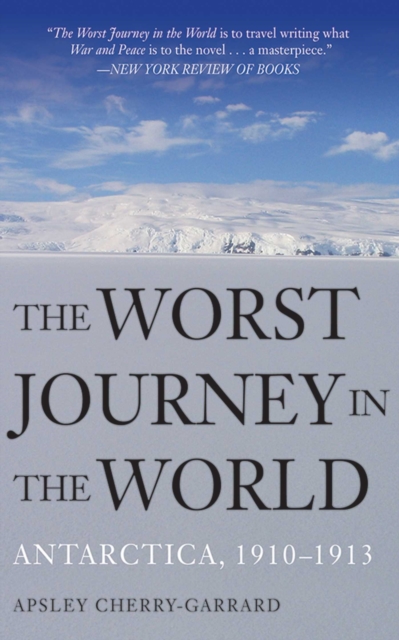
In 1910, hoping that the study of penguin eggs would provide an evolutionary link between birds and reptiles, a group of explorers left Cardiff by boat on Robert Falcon Scotts expedition to Antarctica.
When Geraldine Gerry Largay (AT trail name, Inchworm) first went missing on the Appalachian Trail in remote western Maine in 2013, the people of Maine were wrought with concern.
In December 2004, an aging black Labrador retriever on the first hunting trip of her long, good life spooked at the sound of gunshot and was lost amid the frigid rice fields of the Texas coastal prairie.
Werner Herzog is the undisputed master of extreme cinema: building an opera house in the middle of the jungle; walking from Munich to Paris in the dead of winter; descending into an active volcano; living in the wilderness among grizzly bears - he has always been intrigued by the extremes of human experience.
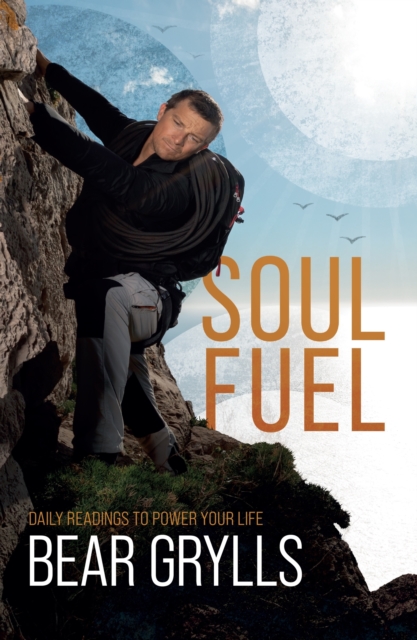
Bestselling author Bear Grylls has survived a free-fall parachute accident that left him with a broken back, possibly unable to walk again; falling down a mountain in the Rockies, severing a finger in the Vietnam jungle, a broken shoulder in Antarctica.
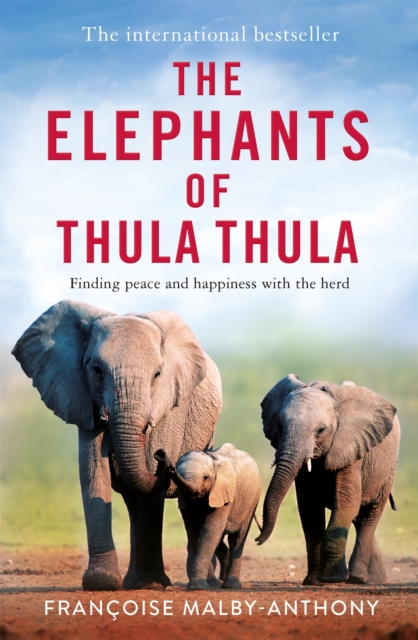
'Enthralling' Daily MailIn 1998, Francoise Malby-Anthony founded a game reserve with her late husband, dedicating their lives to the protection of these beautiful, troubled animals.
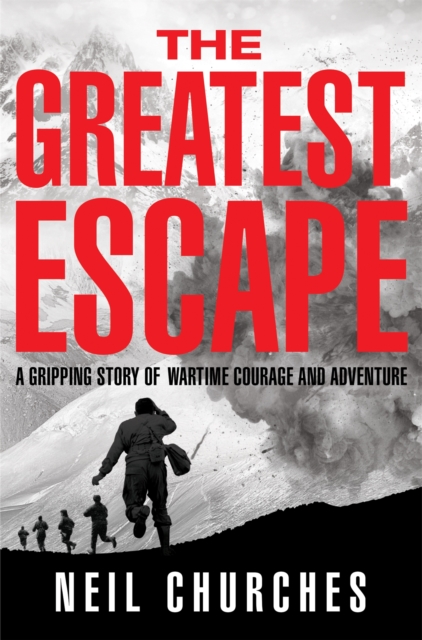
The gripping, vividly told story of the largest prisoner of war escape in of the Second World War - organized by an Australian bank clerk, a British jazz pianist and an American spy.
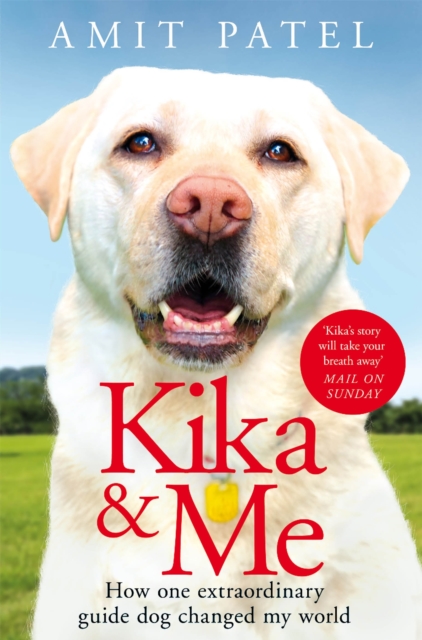
From the challenges of travelling when blind to becoming a parent for the first time, Kika & Me is the moving, heart-warming and inspirational story of Dr Amit Patel's sight-loss journey and how one guide dog changed his world.
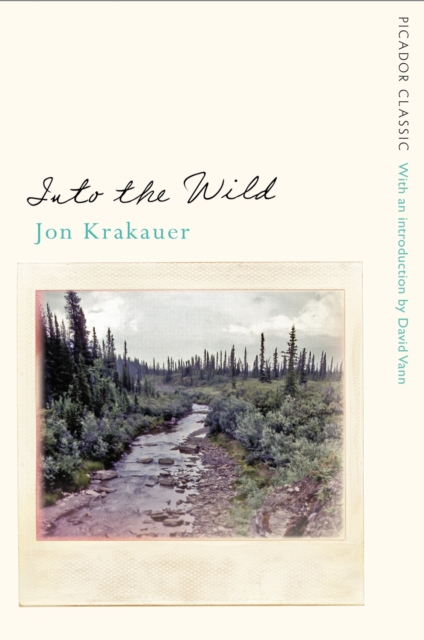
Jon Krakauer's Into the Wild examines the true story of Chris McCandless, a young man who walked deep into the Alaskan wilderness and whose SOS note and emaciated corpse were found four months later.