Considering poetry, narrative, and performances from diverse oral societies and the earliest scribal cultures, Ethics and Literary Worldmaking traces ways that both oral and written genres participate in communal shaping and reshaping of affectivity, sociality, deliberation, and evaluation.
This book promotes a novel and nuanced understanding of how the practices of comparative literature have engaged with the politics of nation-building in postcolonial Southeast Asia.
This book promotes a novel and nuanced understanding of how the practices of comparative literature have engaged with the politics of nation-building in postcolonial Southeast Asia.
Wenngleich der Forschungsstand, wenn es sich um die intendierte Textaussage des Musil’schen Œuvre handelt, durch das Fehlen einer Opinio communis gekennzeichnet ist, tritt die vorliegende Studie den Beweis an, dass eine ebensolche freizulegen ist.
Wenngleich der Forschungsstand, wenn es sich um die intendierte Textaussage des Musil’schen Œuvre handelt, durch das Fehlen einer Opinio communis gekennzeichnet ist, tritt die vorliegende Studie den Beweis an, dass eine ebensolche freizulegen ist.
Nicht jeder Geschichtskriminalroman lässt sich als Retro-Kriminalroman labeln, aber jeder Retro-Krimi ist als Variante und Subgenre des historischen bzw.
Hyperglossia and the Novel: The Production of (Non) Space theorizes hyperglossia as a critical threshold in literary, philosophical, and media discourse- an excessive, recursive textual force that resists closure, coherence, and containment.
Originally published in 1980, each of the three playwrights discussed in this lively book was a radical in his own way, concerned with the moral and social implications of capitalism.
Hyperglossia and the Novel: The Production of (Non) Space theorizes hyperglossia as a critical threshold in literary, philosophical, and media discourse- an excessive, recursive textual force that resists closure, coherence, and containment.
Originally published in 1980, each of the three playwrights discussed in this lively book was a radical in his own way, concerned with the moral and social implications of capitalism.
This volume presents Ralph Waldo Emerson's engagement with diverse philosophical traditions with the concurrent aim of showing the contemporary relevance of his Transcendentalism.
This volume brings together art, literature, and critical analyses to examine which concepts and blueprints of (re-)negotiation of national, ethnic and religious identities may pave the way towards a more inclusive yet open and plural Sri Lankan society.
This volume presents Ralph Waldo Emerson's engagement with diverse philosophical traditions with the concurrent aim of showing the contemporary relevance of his Transcendentalism.
This volume brings together art, literature, and critical analyses to examine which concepts and blueprints of (re-)negotiation of national, ethnic and religious identities may pave the way towards a more inclusive yet open and plural Sri Lankan society.
Negative Empathy in Literature and the Arts explores how readers and viewers engage cognitively and affectively with ethically troubling artworks across literature, the visual and performing arts, and screen media.
Negative Empathy in Literature and the Arts explores how readers and viewers engage cognitively and affectively with ethically troubling artworks across literature, the visual and performing arts, and screen media.
In reconstructing the history of Modern Spiritualism, scholars have largely focused on its Anglo-American, French, and German developments, often overlooking the Italian context.
In reconstructing the history of Modern Spiritualism, scholars have largely focused on its Anglo-American, French, and German developments, often overlooking the Italian context.
A new compass for global reading: looking at the world from the far southern latitudesA northern viewpoint is most often the default, while the souththe far southern latitudes occupied by Australia, New Zealand, Argentina and southern Africa, among othersseems far away and ignorable.
A new compass for global reading: looking at the world from the far southern latitudesA northern viewpoint is most often the default, while the souththe far southern latitudes occupied by Australia, New Zealand, Argentina and southern Africa, among othersseems far away and ignorable.
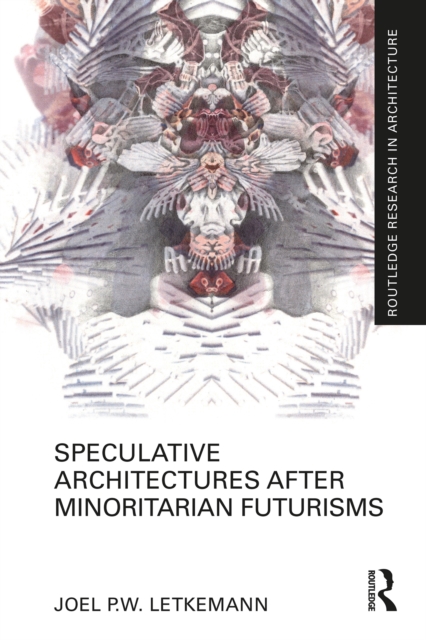
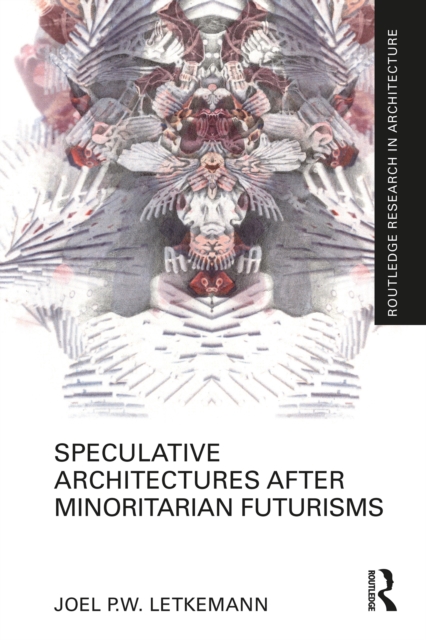
Speculative Architectures after Minoritarian Futurisms is a work of architectural theory which understands architecture as a practice of speculation analogous to science fiction.
Speculative Architectures after Minoritarian Futurisms is a work of architectural theory which understands architecture as a practice of speculation analogous to science fiction.
En esta obra, Denise Ocaranza explora el horror en la literatura hispanoamericana contemporánea a través de tres voces imprescindibles: Mariana Enriquez, Samanta Schweblin y Liliana Colanzi.
This book looks at the intersection where languages "e;meet"e;, where literary studies connect with other domains of knowledge such as translation, modern linguistics, philosophy of language, the teaching of languages, and cultural studies.
This book looks at the intersection where languages "e;meet"e;, where literary studies connect with other domains of knowledge such as translation, modern linguistics, philosophy of language, the teaching of languages, and cultural studies.
This pioneering collection delves into Jane Austen's enduring legacy in the East, exploring her significance to East-West relations, Westernization, and Asian identities.
This pioneering collection delves into Jane Austen's enduring legacy in the East, exploring her significance to East-West relations, Westernization, and Asian identities.