To Virginia Woolf, London was a source of creative inspiration, a setting for many of her works, and a symbol of the culture in which she lived and wrote.
To Virginia Woolf, London was a source of creative inspiration, a setting for many of her works, and a symbol of the culture in which she lived and wrote.
In the early nineteenth century, the southern poor white had a reputation for comic vulgarity and absurd violence; postbellum writers saw him as a quaint peasant; the 1920s transformed him into a revolutionary proletarian.
This study explores Hemingways newspaper and magazine journalism, his introductions and prefaces to books by others, his program notes on painting and sculpture exhibitions, and his statements in self-edited interviews.
Shortlisted for the 2007 Man Booker Prize, an epic novel of startling originality which confirms Nicola Barker as one of Britain's most exciting literary talents.
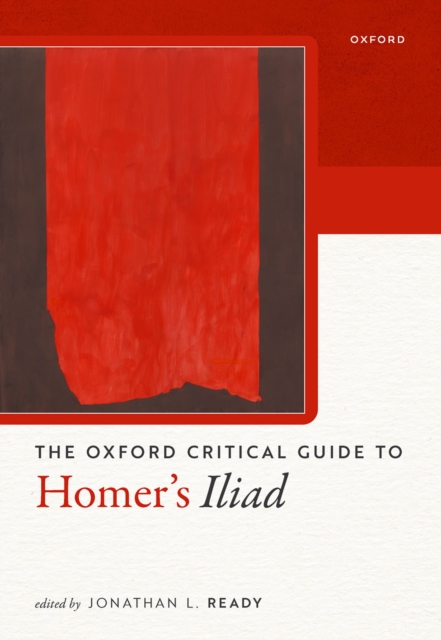
The Oxford Critical Guide to Homer's Iliad investigates each of the Iliad's twenty-four books, proceeding in order from book 1 to book 24 and devoting one chapter to each one.
The Oxford Critical Guide to Homer's Iliad investigates each of the Iliad's twenty-four books, proceeding in order from book 1 to book 24 and devoting one chapter to each one.
Examining the novels of Frank Norris, Theodore Dreiser, Jack London, and other writers, June Howard presents a study of American literary naturalism as a genre.
Examining the novels of Frank Norris, Theodore Dreiser, Jack London, and other writers, June Howard presents a study of American literary naturalism as a genre.
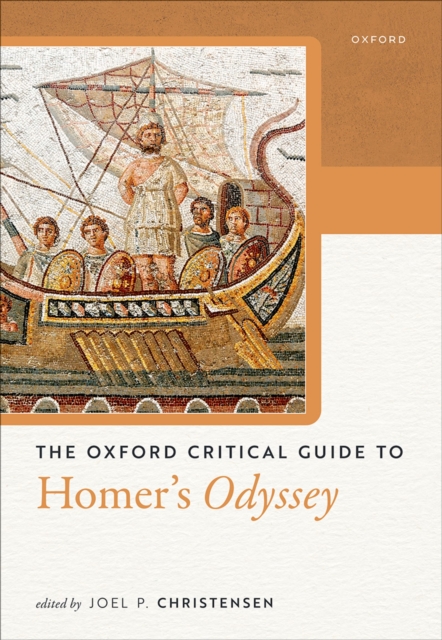
The Oxford Critical Guide to Homer's Odyssey brings together internationally recognized experts to provide commentary style essays for non-specialists on each book of the Homeric epic.
From propaganda posters to Pablo Picasso’s Guernica, images of the Spanish Civil War (1936–1939) reemerge across the globe wherever fratricidal conflicts and crimes against humanity occur.
From propaganda posters to Pablo Picasso’s Guernica, images of the Spanish Civil War (1936–1939) reemerge across the globe wherever fratricidal conflicts and crimes against humanity occur.
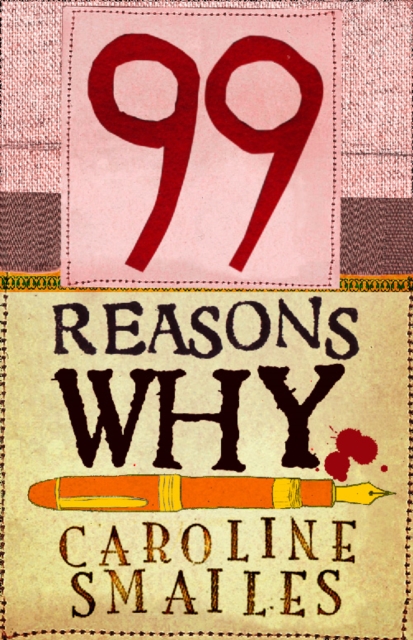
'THE SUN' EBOOK OF THE WEEKFrom the brilliant author of 'Black Boxes' comes a gritty and heartfelt novella with a twist: 99 Reasons, 11 endings, your pick.
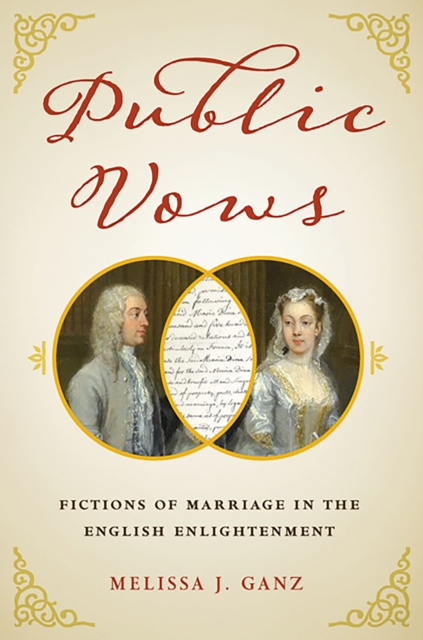
In eighteenth-century England, the institution of marriage became the subject of heated debates, as clerics, jurists, legislators, philosophers, and social observers began rethinking its contractual foundation.
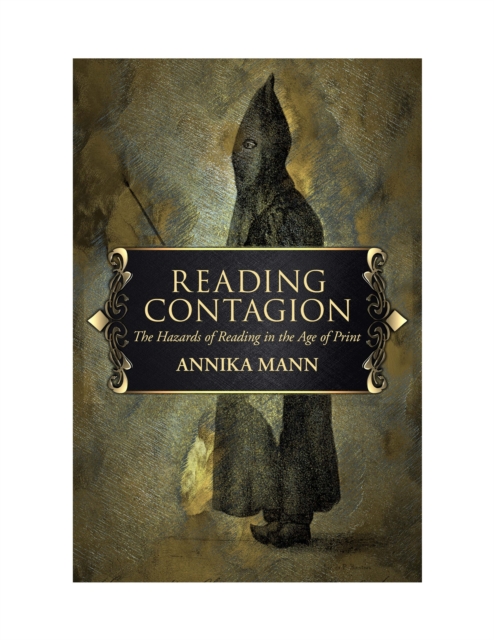
Eighteenth-century British culture was transfixed by the threat of contagion, believing that everyday elements of the surrounding world could transmit deadly maladies from one body to the next.
At the heart of this collection of essays is a central question: how can humanistic education in faith-based institutions contribute to human flourishing within secular societies?
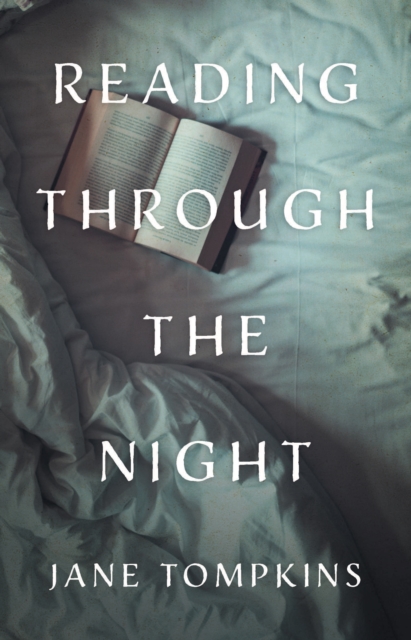
Jane Tompkins, a renowned literature professor and award-winning author, thought she knew what reading was until, struck by a debilitating illness, she finds herself reading day and night because it is all she can do.
In eighteenth-century England, the institution of marriage became the subject of heated debates, as clerics, jurists, legislators, philosophers, and social observers began rethinking its contractual foundation.
Eighteenth-century British culture was transfixed by the threat of contagion, believing that everyday elements of the surrounding world could transmit deadly maladies from one body to the next.
Jane Tompkins, a renowned literature professor and award-winning author, thought she knew what reading was until, struck by a debilitating illness, she finds herself reading day and night because it is all she can do.