The first major study of slavery in the maritime South, The Watermans Song chronicles the world of slave and free black fishermen, pilots, rivermen, sailors, ferrymen, and other laborers who, from the colonial era through Reconstruction, plied the vast inland waters of North Carolina from the Outer Banks to the upper reaches of tidewater rivers.
Examining the novels of Frank Norris, Theodore Dreiser, Jack London, and other writers, June Howard presents a study of American literary naturalism as a genre.
This compact volume makes available a selection of 402 entries from the widely praised Princeton Encyclopedia of Poetry and Poetics, with emphasis on prosodic and poetic terms likely to be encountered in many different areas of literary study.
The first major study of slavery in the maritime South, The Watermans Song chronicles the world of slave and free black fishermen, pilots, rivermen, sailors, ferrymen, and other laborers who, from the colonial era through Reconstruction, plied the vast inland waters of North Carolina from the Outer Banks to the upper reaches of tidewater rivers.
Examining the novels of Frank Norris, Theodore Dreiser, Jack London, and other writers, June Howard presents a study of American literary naturalism as a genre.
In the one hundred and ten years covered by volume four of The Oxford History of Literary Translation in English, what characterized translation was above all the move to encompass what Goethe called 'world literature'.
Though once conceived of as mutually exclusive categories, Romanticism and the Gothic share a long and complex history of reaction and interaction, avowal and disavowal, influence and exchange.
With a history stretching back nearly 1,500 years, Japanese literature is infused from its beginnings with written traditions from around the globe, while ever evolving in its own particular expressive modes and vision.
With a history stretching back nearly 1,500 years, Japanese literature is infused from its beginnings with written traditions from around the globe, while ever evolving in its own particular expressive modes and vision.
Though once conceived of as mutually exclusive categories, Romanticism and the Gothic share a long and complex history of reaction and interaction, avowal and disavowal, influence and exchange.
The Oxford Critical Guide to Homer's Odyssey brings together internationally recognized experts to provide commentary style essays for non-specialists on each book of the Homeric epic.
From propaganda posters to Pablo Picasso’s Guernica, images of the Spanish Civil War (1936–1939) reemerge across the globe wherever fratricidal conflicts and crimes against humanity occur.
From propaganda posters to Pablo Picasso’s Guernica, images of the Spanish Civil War (1936–1939) reemerge across the globe wherever fratricidal conflicts and crimes against humanity occur.
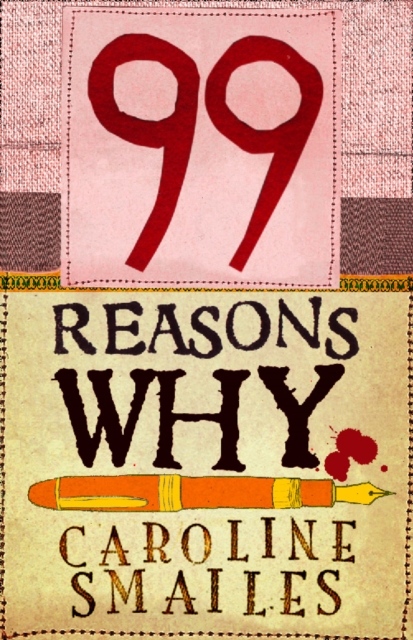
'THE SUN' EBOOK OF THE WEEKFrom the brilliant author of 'Black Boxes' comes a gritty and heartfelt novella with a twist: 99 Reasons, 11 endings, your pick.
'Sparkling, sharply observing, insights delivered with a light touch that puts us in a good mood, however dark the comedy' SpectatorHere are nineteen glittery new tales about the way we live now, as lovers, partners, children, parents.
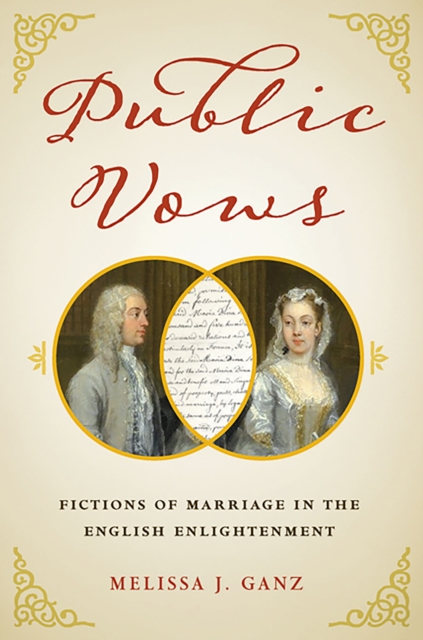
In eighteenth-century England, the institution of marriage became the subject of heated debates, as clerics, jurists, legislators, philosophers, and social observers began rethinking its contractual foundation.
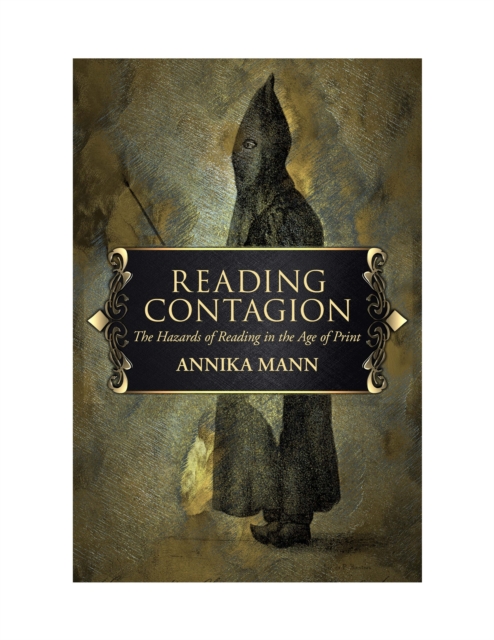
Eighteenth-century British culture was transfixed by the threat of contagion, believing that everyday elements of the surrounding world could transmit deadly maladies from one body to the next.
At the heart of this collection of essays is a central question: how can humanistic education in faith-based institutions contribute to human flourishing within secular societies?
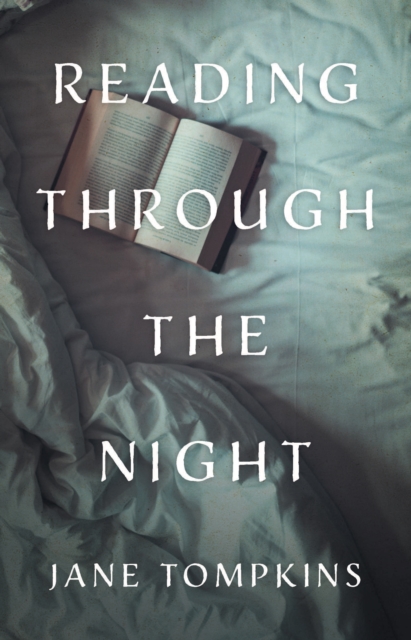
Jane Tompkins, a renowned literature professor and award-winning author, thought she knew what reading was until, struck by a debilitating illness, she finds herself reading day and night because it is all she can do.
In eighteenth-century England, the institution of marriage became the subject of heated debates, as clerics, jurists, legislators, philosophers, and social observers began rethinking its contractual foundation.
Eighteenth-century British culture was transfixed by the threat of contagion, believing that everyday elements of the surrounding world could transmit deadly maladies from one body to the next.