This carefully crafted ebook: "The Rime of the Ancient Mariner (Illustrated Edition)" is formatted for your eReader with a functional and detailed table of contents.
Named by The Times as the all-time number one crime writer, Patricia Highsmith was an author who broke new ground and defied genre clich s with novels such as The Talented Mr Ripley and Strangers on a Train.
This major new book offers a much-needed introduction to the work of Siegfried Kracauer, one of the main intellectual figures in the orbit of the Frankfurt School of Critical Theory.
The detective story, focused on inquiries, and in its wake the spy novel, built around conspiracies, developed as genres in the late nineteenth and early twentieth centuries.
'Every woman on Earth should read it' Caroline Overington, Weekend AustralianHaving lived through the humiliation and bewildering complexity of heartbreak in her twenties, Nikki Gemmell eventually resurfaced, reclaimed space for herself and found her voice.
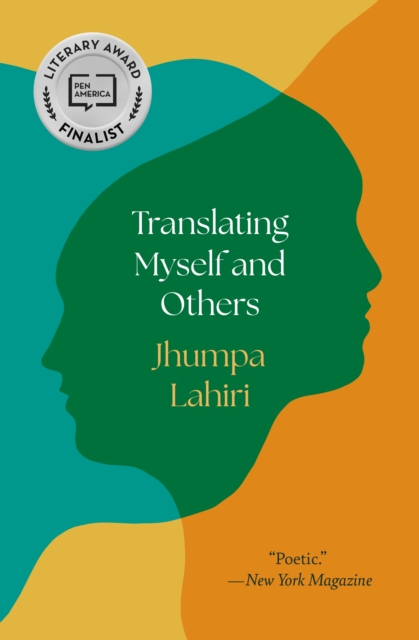
Luminous essays on translation and self-translation by an award-winning writer and literary translatorTranslating Myself and Others is a collection of candid and disarmingly personal essays by Pulitzer Prizewinning author Jhumpa Lahiri, who reflects on her emerging identity as a translator as well as a writer in two languages.
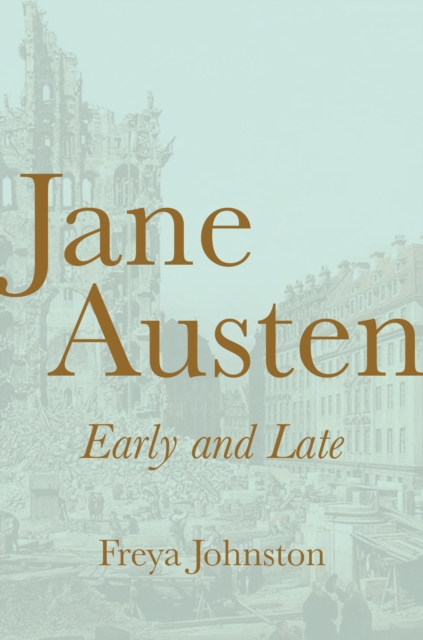
A reexamination of Austen's unpublished writings that uncovers their continuity with her celebrated novels-and that challenges distinctions between her "e;early"e; and "e;late"e; workJane Austen's six novels, published toward the end of her short life, represent a body of work that is as brilliant as it is compact.
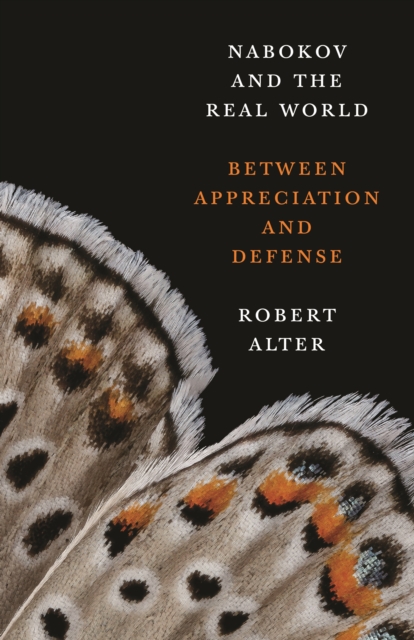
From award-winning literary scholar Robert Alter, a masterful exploration of how Nabokov used artifice to evoke the dilemmas, pain, and exaltation of the human conditionAdmirers and detractors of Vladimir Nabokov have viewed him as an ingenious contriver of literary games, teasing and even outsmarting his readers through his self-reflexive artifice and the many codes and puzzles he devises in his fiction.
Exploring the unintentional production of seemingly feminist outcomes In India, elite law firms offer a surprising oasis for women within a hostile, predominantly male industry.
Reclam Lektüreschlüssel XL – hier findest du alle Informationen, um dich zielsicher und schnell vorzubereiten: auf Klausur, Referat, Abitur oder Matura!
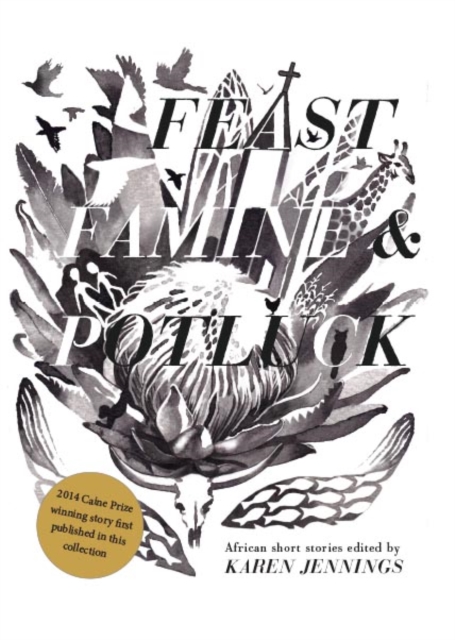
A dazzling collection from across the African continent and diaspora n here SHORT STORY DAY AFRICA has assembled the best nineteen stories from their 2013 competition.
The celebrated author of The New York Trilogy, The Book of Illusions and Invisible presents here a highly personal collection of essays, prefaces and occasional pieces written for magazines and newspapers.
Auster's unforgettable coming-of-age tale from the author of contemporary classic The New York Trilogy: 'a literary voice for the ages' (Guardian)Sinuously constructed in four interlocking parts, Invisible opens in New York City in the spring of 1967 when twenty-year-old Adam Walker, an aspiring poet and student at Columbia University meets the enigmatic Frenchman Rudolf Born, and his silent and seductive girlfriend Margot.
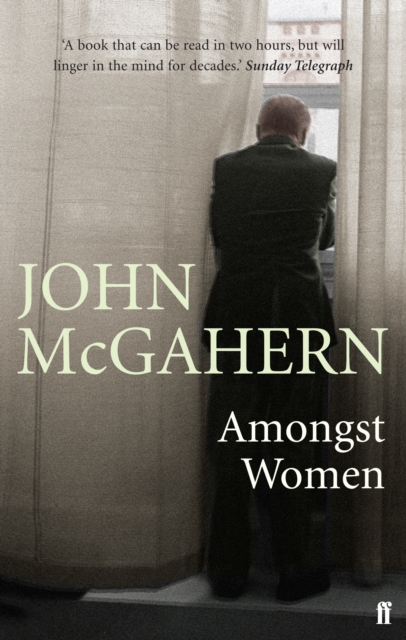
SHORTLISTED FOR THE BOOKER PRIZEAS HEARD ON BBC RADIO 4 BOOK AT BEDTIMEMcGahern's 'masterpiece: the sort of book which you can give anyone of any age and know that they will be changed by it' (Colm Toibin) by 'one of the greatest writers of our era' (Hilary Mantel).
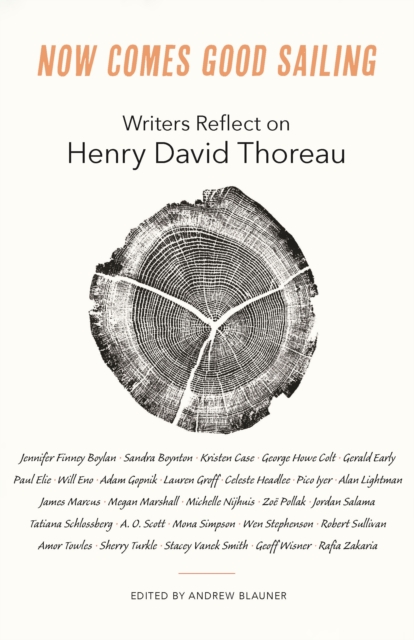
From twenty-seven of today's leading writers, an anthology of original pieces on the author of WaldenFeatures essays by Jennifer Finney Boylan * Kristen Case * George Howe Colt * Gerald Early * Paul Elie * Will Eno * Adam Gopnik * Lauren Groff * Celeste Headlee * Pico Iyer * Alan Lightman * James Marcus * Megan Marshall * Michelle Nijhuis * Zoe Pollak * Jordan Salama * Tatiana Schlossberg * A.
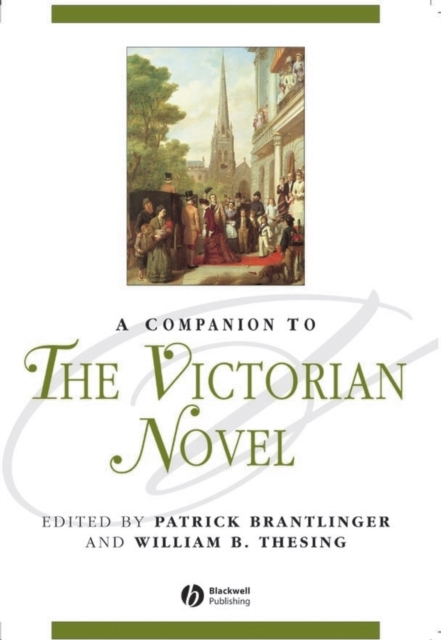
The Companion to the Victorian Novel provides contextual and critical information about the entire range of British fiction published between 1837 and 1901.
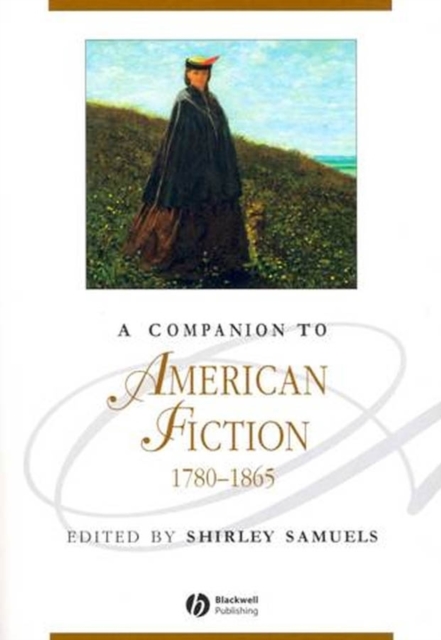
This Companion presents the current state of criticism in the field of American fiction from the earliest declarations of nationhood to secession and civil war.
This book introduces Mark Twain through close readings of his seven major works, including Tom Sawyer, Huckleberry Finn, Connecticut Yankee and Pudd nhead Wilson.
A COMPANION TO THE HISTORY OF THE BOOK A COMPANION TOTHE HISTORY OF THE BOOK Edited by Simon Eliot and Jonathan Rose As a stimulating overview of the multidimensional present state of the field, the Companion has no peer.
In this engaging book David Clark guides the reader through the theology of CS Lewis and illuminates the use and understanding of scripture in the works of this popular author.
A BRONT ENCYCLOPEDIA This lively, absorbing, meticulously researched compendium is a rich resource both for the general reader and for the specialist Bront scholar.