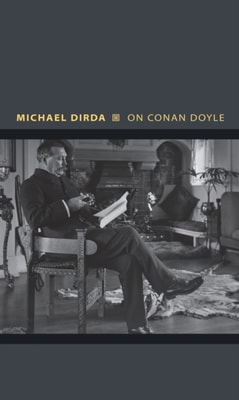
From Pulitzer Prize-winning critic Michael Dirda, a delightful introduction to the creator of Sherlock HolmesA passionate lifelong fan of the Sherlock Holmes adventures, Pulitzer Prize-winning critic Michael Dirda is a member of The Baker Street Irregulars-the most famous and romantic of all Sherlockian groups.
A new, counterintuitive theory for how social networks influence the spread of behaviorNew social movements, technologies, and public-health initiatives often struggle to take off, yet many diseases disperse rapidly without issue.
From award-winning literary scholar Robert Alter, a masterful exploration of how Nabokov used artifice to evoke the dilemmas, pain, and exaltation of the human conditionAdmirers and detractors of Vladimir Nabokov have viewed him as an ingenious contriver of literary games, teasing and even outsmarting his readers through his self-reflexive artifice and the many codes and puzzles he devises in his fiction.
The classic and provocative account of how art changed irrevocably with pop art and why traditional aesthetics can't make sense of contemporary artA classic of art criticism and philosophy, After the End of Art continues to generate heated debate for its radical and famous assertion that art ended in the 1960s.
Newly available in paperback, this book looks at how rap and metal have been highly engaged with America's role in the world, supercapitalism and their own role within it.
The literary world was shocked when in 1889, at the height of his career, Robert Louis Stevenson announced his intention to settle permanently on the Pacific island of Samoa.
Texts and Readers in the Age of Marvell offers fresh perspectives from leading and emerging scholars on seventeenth-century British literature, with a focus on the surprising ways that texts interacted with writers and readers at specific cultural moments.
Celebrating queer love in all its forms, this moving collection champions the richly passionate love letters, poetry, and journals of history's queer writers.
One Hope: Re-Membering the Body of Christ is a rich ecumenical resource designed to help Catholic and Lutheran communities mark the approaching 500th anniversary of the Reformation.
Taking in a wide range of film, television, and literature, this volume explores 21st century horror and its monsters from an intersectional perspective with a marked emphasis on gender and race.
Away from the spotlight of the pop charts and the demands of mainstream audiences, original music is still being played and audiences continue to engage with innovative artists.
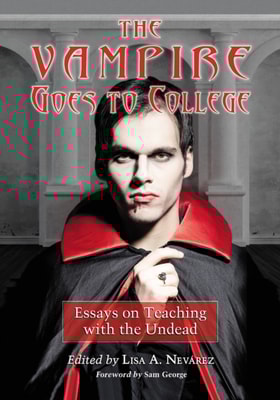
This collection of original essays presents pedagogical tools, methods, and approaches for incorporating the figure of the vampire into the learning environment of the college classroom, in the hopes of ushering the Undead out of the coffin and into the classroom.
Created in 1941 by the psychologist William Marston, Wonder Woman would go on to have one of the longest continuous runs of published comic book adventures in the history of the industry.
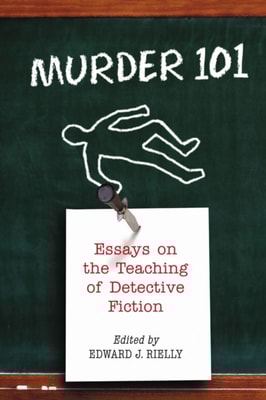
This collection of essays examines how college professors teach the genre of detective fiction and provides insight into how the reader may apply such strategies to his or her own courses.
In 1954, the comic book industry instituted the Comics Code, a set of self-regulatory guidelines imposed to placate public concern over gory and horrific comic book content, effectively banning genuine horror comics.
In 1972, in an attempt to elevate the stature of the "e;crime novel,"e; influential crime writer and critic Julian Symons cast numerous Golden Age detective fiction writers into literary perdition as "e;Humdrums,"e; condemning their focus on puzzle plots over stylish writing and explorations of character, setting and theme.
Making home explores the figure of the orphan child in a broad selection of contemporary US novels by popular and critically acclaimed authors Barbara Kingsolver, Linda Hogan, Leslie Marmon Silko, Marilynne Robinson, Michael Cunningham, Jonathan Safran Foer, John Irving, Kaye Gibbons, Octavia Butler, Jewelle Gomez and Toni Morrison.
It's a rare comic character who can make audiences laugh for well over half a century--but then again, it's a pretty rare cartoon hero who can boast of forearms thicker than his waist, who can down a can of spinach in a single gulp, or who generally faces the world with one eye squinted completely shut.
Adapting Philosophy looks at the ways in which The Matrix Trilogy adapts Jean Baudrillard's Simulacra and Simulation, and in doing so creates its own distinctive philosophical position.
Gothic death 1740-1914 explores the representations of death and dying in Gothic narratives published between the mid-eighteenth century and the beginning of the First World War.
This is the first full-length study of Jeanette Winterson's complete oeuvre, offering detailed analysis of her nine novels as well as addressing her non-fiction and minor fictional work.
Don Randall's comprehensive study situates Malouf within the field of contemporary international and postcolonial writing, but without losing sight of the author's affiliation with Australian contexts.
This book draws together for the very first time examples of the 'aesthetic pacifism' practised during the Great War by such celebrated individuals as Virginia Woolf, Siegfried Sassoon and Bertrand Russell.