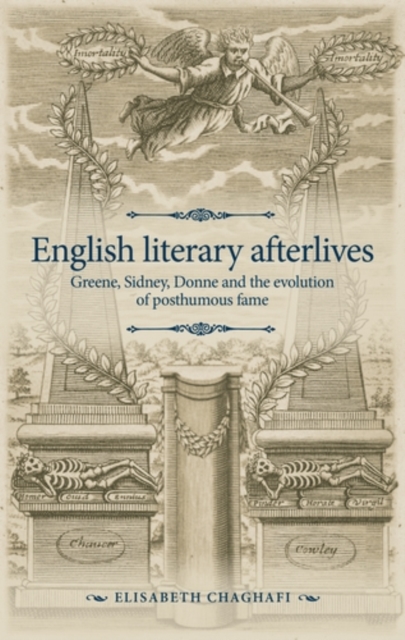
English Literary Afterlives traces life narratives of early modern authors created for them after their deaths by readers or publishers, who retrospectively tried to make sense of the author's life and works.
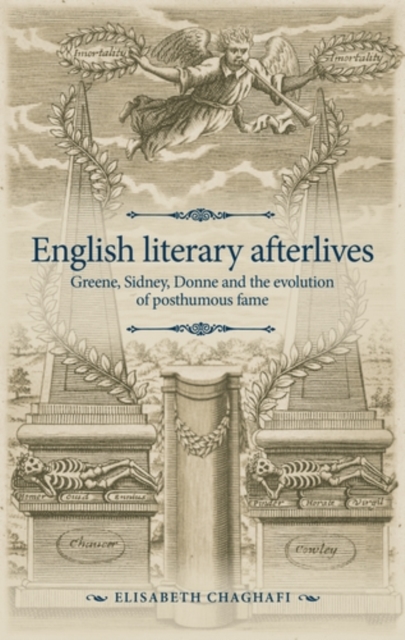
English Literary Afterlives traces life narratives of early modern authors created for them after their deaths by readers or publishers, who retrospectively tried to make sense of the author's life and works.
This volume questions and qualifies commonly accepted assumptions about the early modern English sonnet: that it was a strictly codified form, most often organised in sequences, which only emerged at the very end of the sixteenth century and declined as fast as it had bloomed, and that minor poets merely participated in the sonnet fashion by replicating established conventions.
This volume questions and qualifies commonly accepted assumptions about the early modern English sonnet: that it was a strictly codified form, most often organised in sequences, which only emerged at the very end of the sixteenth century and declined as fast as it had bloomed, and that minor poets merely participated in the sonnet fashion by replicating established conventions.
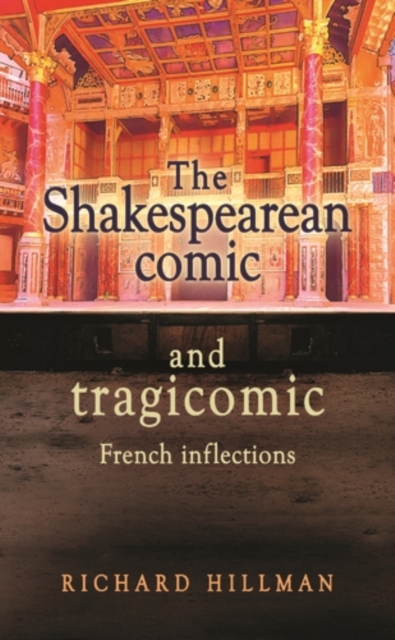
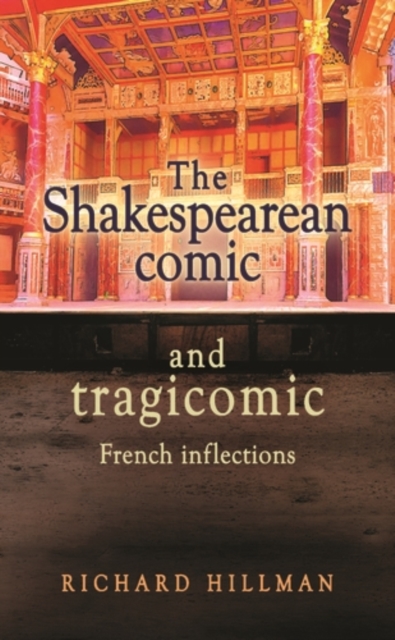
In exploring links between the early modern English theatre and France, Richard Hillman focuses on Shakespeare's deployment of genres whose dominant Italian models and affinities might seem to leave little scope for French ones.
In exploring links between the early modern English theatre and France, Richard Hillman focuses on Shakespeare's deployment of genres whose dominant Italian models and affinities might seem to leave little scope for French ones.
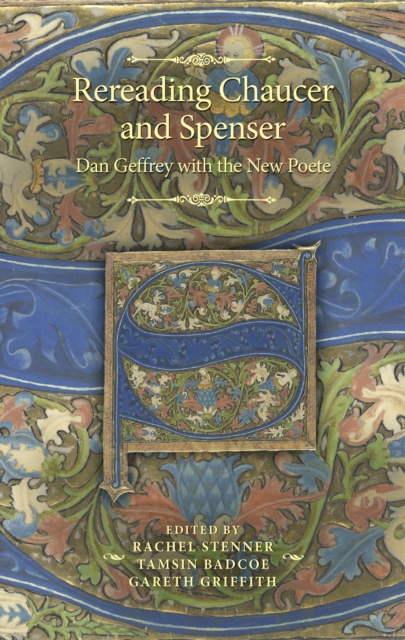
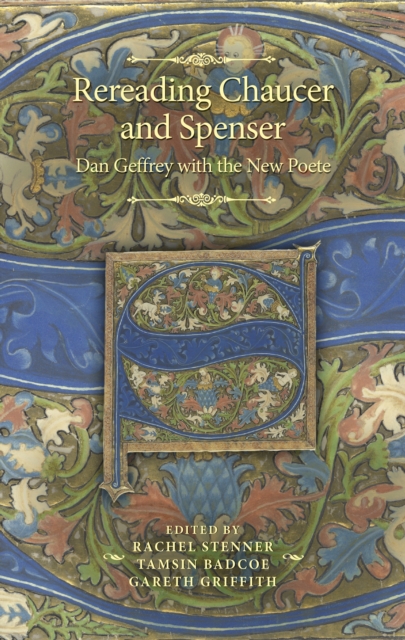
Rereading Chaucer and Spenser is a much-needed volume that brings together established and early career scholars to provide new critical approaches to the relationship between Geoffrey Chaucer and Edmund Spenser.
Rereading Chaucer and Spenser is a much-needed volume that brings together established and early career scholars to provide new critical approaches to the relationship between Geoffrey Chaucer and Edmund Spenser.
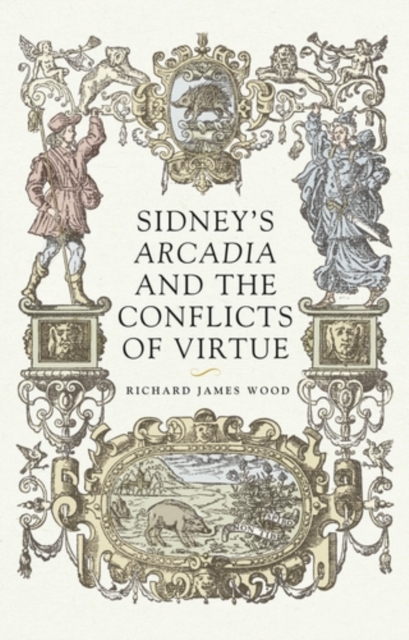
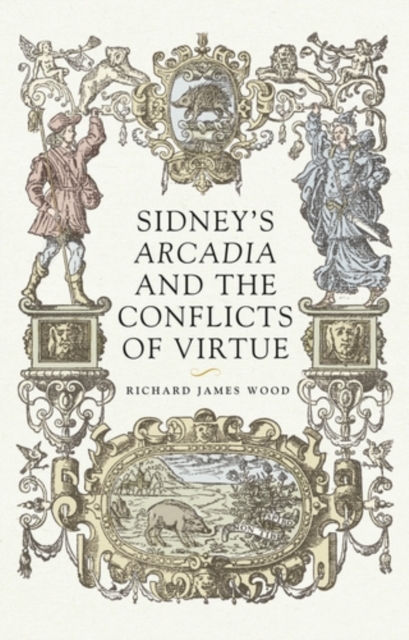
Wood reads Philip Sidney's New Arcadia in the light of the ethos known as Philippism after the followers of Philip Melanchthon the Protestant theologian.
Wood reads Philip Sidney's New Arcadia in the light of the ethos known as Philippism after the followers of Philip Melanchthon the Protestant theologian.
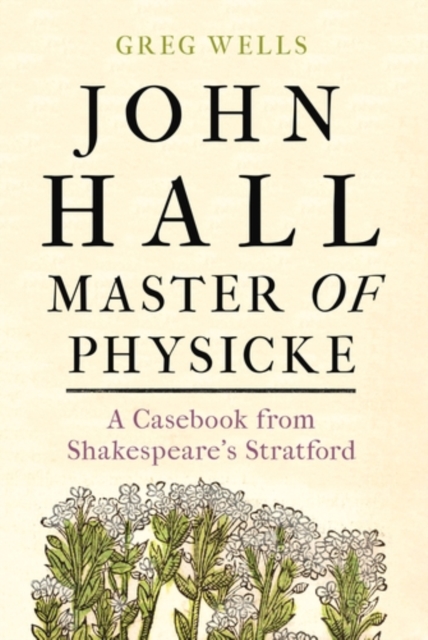
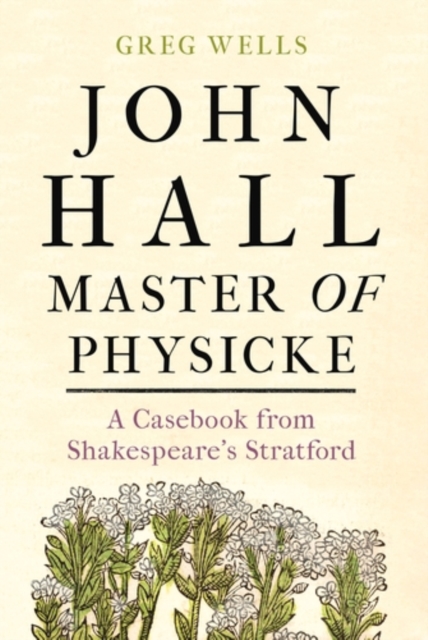
This is the first complete edition and English translation of John Hall's Little Book of Cures, a fascinating medical casebook composed in Latin around 1634-5.
This is the first complete edition and English translation of John Hall's Little Book of Cures, a fascinating medical casebook composed in Latin around 1634-5.
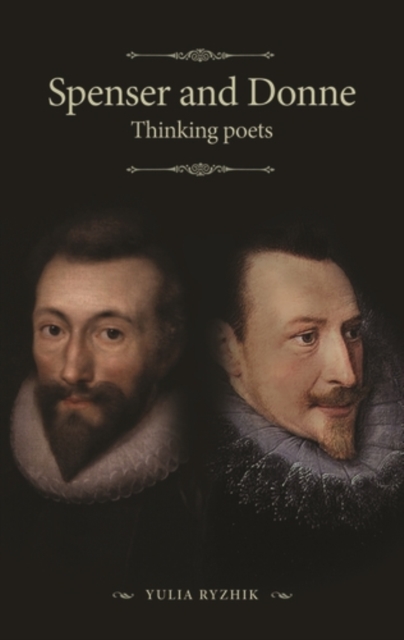
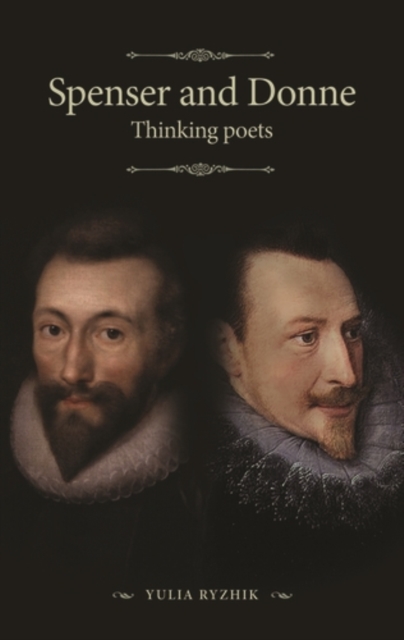
The names Edmund Spenser and John Donne are typically associated with different ages in English poetry, the former with the sixteenth century and the Elizabethan Golden Age, the latter with the 'metaphysical' poets of the seventeenth century.
The names Edmund Spenser and John Donne are typically associated with different ages in English poetry, the former with the sixteenth century and the Elizabethan Golden Age, the latter with the 'metaphysical' poets of the seventeenth century.
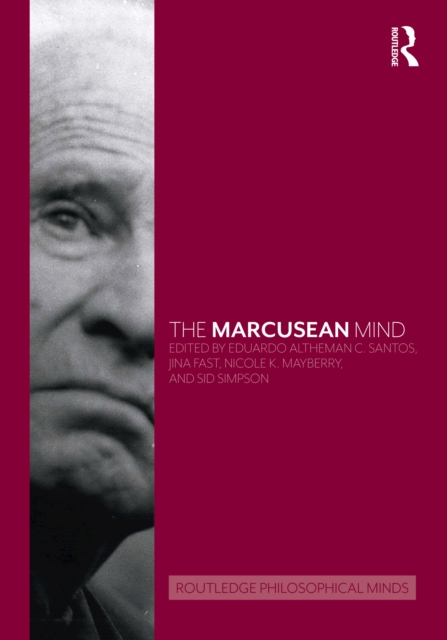
Herbert Marcuse (1898-1979) was a member of the Frankfurt School, a leading figure of 1960s counterculture, and a fundamental character for the New Left.
First published in 1902, this volume contains a detailed history of English literature beginning in the Anglo-Saxon Period and ending with contemporary literature.