Pornographic Sensibilities stages a conversation between two fields-Medieval/Early Modern Hispanic Studies and Porn Studies-that traditionally have had little to say to each other.
Pornographic Sensibilities stages a conversation between two fields-Medieval/Early Modern Hispanic Studies and Porn Studies-that traditionally have had little to say to each other.
Blending social, intellectual, legal, medical, gender, and cultural history, Segregation's Science: Eugenics and Society in Virginia examines how eugenic theory and practice bolstered Virginia's various cultures of segregation--rich from poor, sick from well, able from disabled, male from female, and black from white and Native American.
From the mid to the late 20th century various French thinkers have at times toyed wth the label of 'the saint', applying it to friends, colleagues, the revered nd even the worshipped such as Genet, Sartre, Camus or Foucault.
From the mid to the late 20th century various French thinkers have at times toyed wth the label of 'the saint', applying it to friends, colleagues, the revered nd even the worshipped such as Genet, Sartre, Camus or Foucault.
This book explores Sigmund Freud and his Jewish roots and demonstrates the input of the Jewish mystical tradition into Western culture via psychoanalysis.
This book explores Sigmund Freud and his Jewish roots and demonstrates the input of the Jewish mystical tradition into Western culture via psychoanalysis.
First published in 1988, Perymedes and the Blacksmith and Pandosto by Robert Greene: A Critical Edition considers two prose works by Robert Greene - Perymedes the Blacksmith and Pandosto - alongisde a critical commentary, including, in relation to Perymedes the Blacksmith, an examination of Perymedes as a framework tale and an exploration of the poems, and, in relation to Pandosto, a consideration of the analogues and sources and the popularity of Pandosto.
WINNER OF THE HWA NON-FICTION CROWNAN IRISH TIMES BOOK OF THE YEARA NEW YORK TIMES BOOK REVIEW NOTABLE BOOKA FINALIST FOR THE NATIONAL BOOK CRITICS CIRCLE AWARDElizabeth Anscombe: defiantly brilliant, chain-smoking, trouser-wearing Catholic and (eventual) mother of seven.
An accessible and authoritative new history of French literature, written by a highly distinguished transatlantic group of scholarsThis book provides an engaging, accessible, and exciting new history of French literature from the Renaissance through the twentieth century, from Rabelais and Marguerite de Navarre to Samuel Beckett and Assia Djebar.
A photography book that is a vital accompaniment to the many fans of Hilary Mantel's bestselling Wolf Hall Trilogy, now a major TV series'At the very beginning of the twentieth century, Zola said, 'In my view you cannot claim to have really seen something till you have photographed it.
If material bodies have inherent, animating powersor virtues, in the premodern sensethen those bodies typically and most insistently associated in the premodern period with matternamely, womencannot be inert and therefore incapable of ethical action, Holly Crocker contends.
Die Ehe wird in der Frühen Neuzeit zu einem zentralen Thema in einem europaweit geführten, ordnungspolitische und seelsorgerische Interessen verbindenden Diskurs.
Two simple yet tremendously powerful ideas that shaped virtually every aspect of civilizationThis book is a breathtaking examination of the two greatest ideas in human history.
The four-hundred-year story of readers' struggles with a famously unreadable poem-and what they reveal about the history of reading and the future of literary studies"e;I am now in the country, and reading in Spencer's fairy-queen.
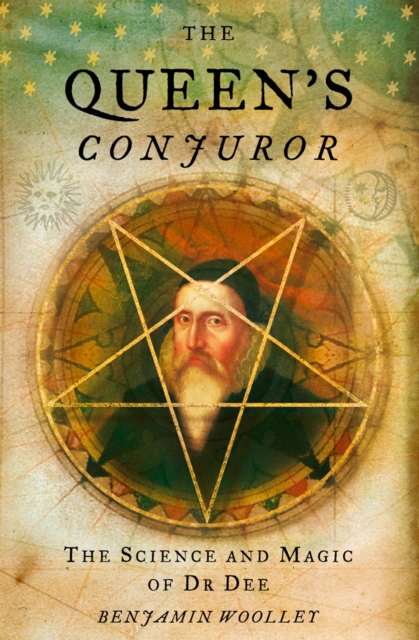
A spellbinding portrait of Queen Elizabeth's conjuror - the great philosopher, scientist and magician, Dr John Dee (1527-1608) and a history of Renaissance science that could well be the next 'Longitude'.