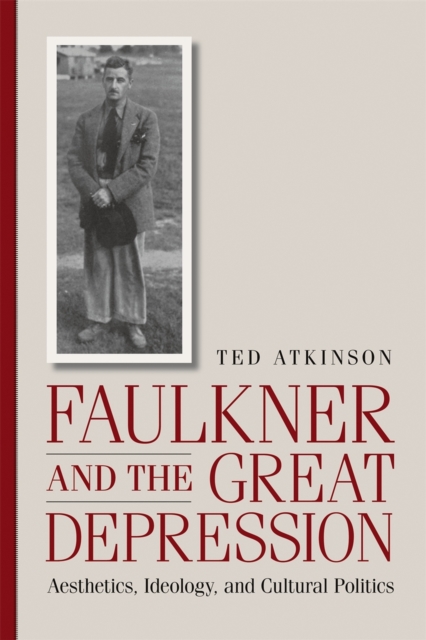
"e;Remarkably,"e; writes Ted Atkinson, "e;during a period roughly corresponding to the Great Depression, Faulkner wrote the novels and stories most often read, taught, and examined by scholars.
This book critically examines classic works of literature and film to suggest ways in which study of fictional characters, cultural themes, and vivid imagery helps us to grapple with, understand, and find resolutions for, problems that seriously concern Americans, including uniformed officers and public officials, as well as the general populace in today's turbulent times.
This book critically examines classic works of literature and film to suggest ways in which study of fictional characters, cultural themes, and vivid imagery helps us to grapple with, understand, and find resolutions for, problems that seriously concern Americans, including uniformed officers and public officials, as well as the general populace in today's turbulent times.
'Sparkling, sharply observing, insights delivered with a light touch that puts us in a good mood, however dark the comedy' SpectatorHere are nineteen glittery new tales about the way we live now, as lovers, partners, children, parents.
A survey of foundational theory on James Joyces UlyssesThis collection of essays reviews the state of theory on James Joyces Ulysses more than 100 years after the fictitious Leopold Bloom steps into the novel, a day Joyceans celebrate as Bloomsday.
A study of cross-generational literary networks in interwar Britain, this book investigates how writers in the 1930s emerged from the shadow of their older modernist contemporaries such as E.
A study of cross-generational literary networks in interwar Britain, this book investigates how writers in the 1930s emerged from the shadow of their older modernist contemporaries such as E.
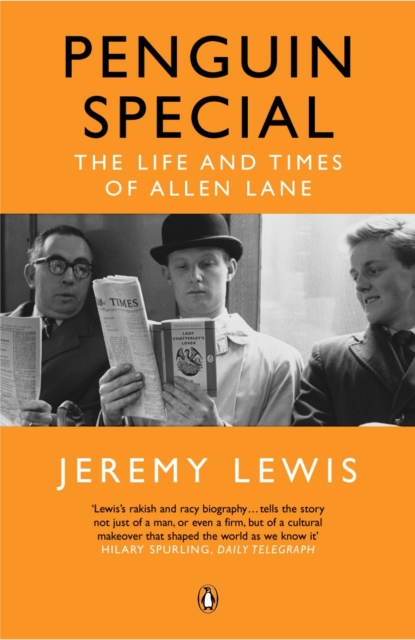
The story of Penguin Books, Allen Lane and how they changed the world, to celebrate the 90th anniversary of Penguin'An invaluable and fascinating account' NICK HORNBY'Outstanding' LONDON REVIEW OF BOOKS'A triumph .
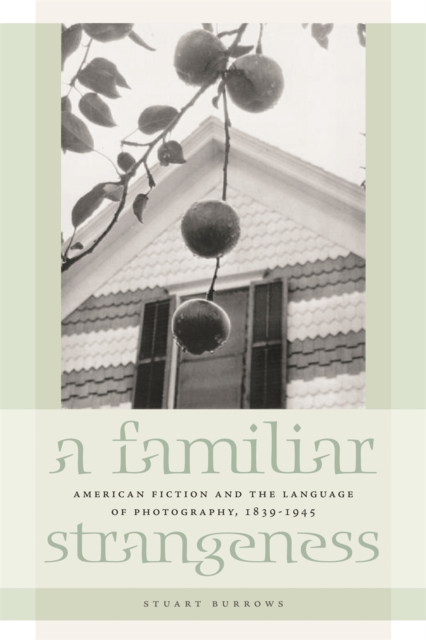
Literary critics have traditionally suggested that the invention of photography led to the rise of the realist novel, which is believed to imitate the detail and accuracy of the photographic image.
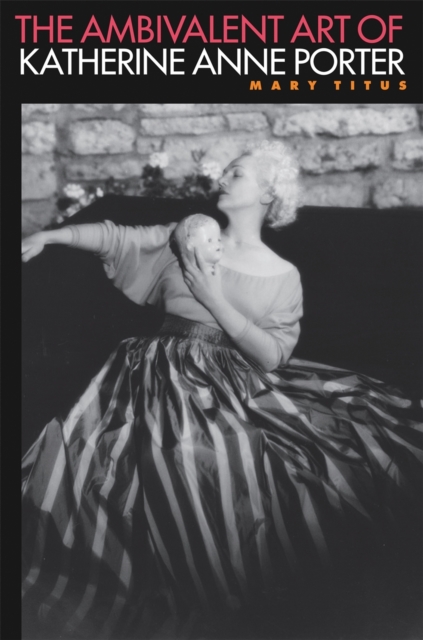
During a life that spanned ninety years, Katherine Anne Porter (1890-1980) witnessed dramatic and intensely debated changes in the gender roles of American women.
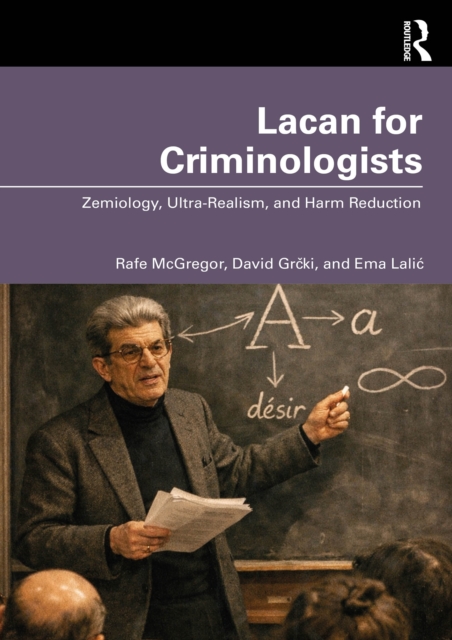
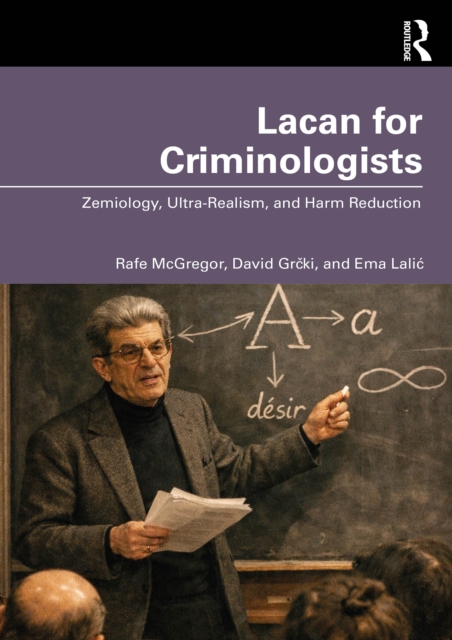
This book provides a clear and concise introduction to the work of French cultural icon Jacques Lacan (1901-1981) for criminologists, sociologists, and social theorists.
This book provides a clear and concise introduction to the work of French cultural icon Jacques Lacan (1901-1981) for criminologists, sociologists, and social theorists.
In The Inklings, the Victorians, and the Moderns, the author examines the dynamics of a small group of twentieth-century traditionalists who reacted in opposition to the spirit of the intellectual movements of the modern age.
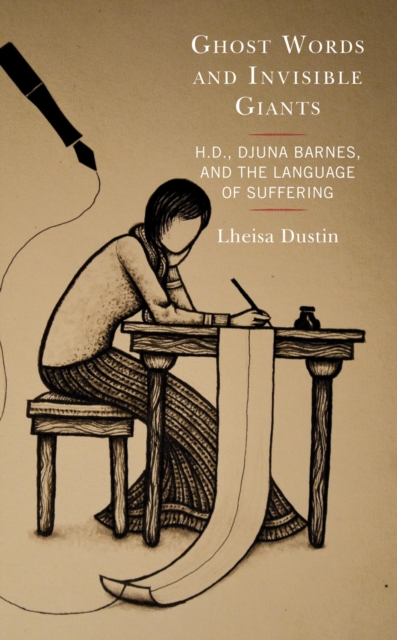
In Ghost Words and Invisible Giants, Lheisa Dustin engages psychoanalytic theory to describe the "e;language of suffering"e; of iconic modernist authors H.
In Ghost Words and Invisible Giants, Lheisa Dustin engages psychoanalytic theory to describe the "e;language of suffering"e; of iconic modernist authors H.
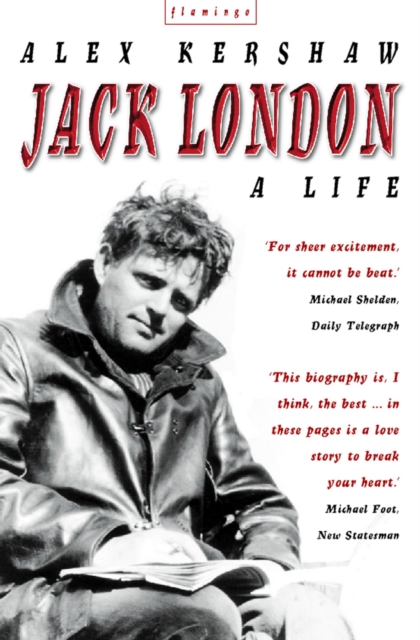
A full-blooded, pacy biography of one of the most charismatic writers of the century, whose life and work were to inspire Hemingway, Steinbeck, Kerouac and Mailer.
In The Inklings, the Victorians, and the Moderns, the author examines the dynamics of a small group of twentieth-century traditionalists who reacted in opposition to the spirit of the intellectual movements of the modern age.
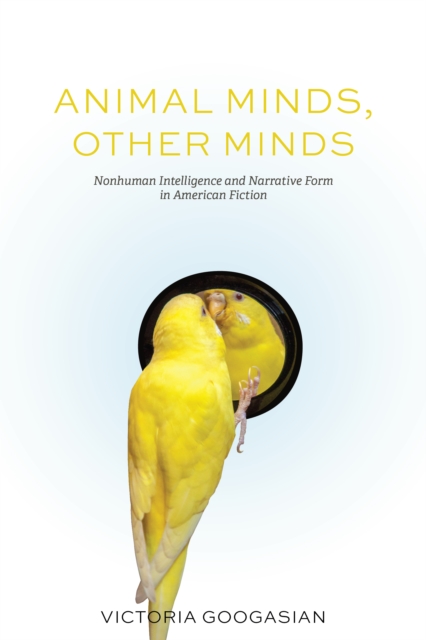
How a fascination with animal consciousness, perception, and intelligence shaped American fiction in the twentieth centuryAnimal Minds, Other Minds upends a common assumption: that the minds encountered in fiction are always in some sense fundamentally human.
Die Kinder- und Jugendliteraturforschung hat sich in den letzten Jahrzehnten trotz zunehmender Fokussierung auf die Analyse von Geschlecht dem gesellschaftlich veränderten Vaterbild insbesondere im Jugendroman kaum gewidmet.
Die Kinder- und Jugendliteraturforschung hat sich in den letzten Jahrzehnten trotz zunehmender Fokussierung auf die Analyse von Geschlecht dem gesellschaftlich veränderten Vaterbild insbesondere im Jugendroman kaum gewidmet.
Underlining (and undermining) the notion of literary merit, this book focuses on noncanonical works and asks: what happens when we look away from modernism?
Underlining (and undermining) the notion of literary merit, this book focuses on noncanonical works and asks: what happens when we look away from modernism?
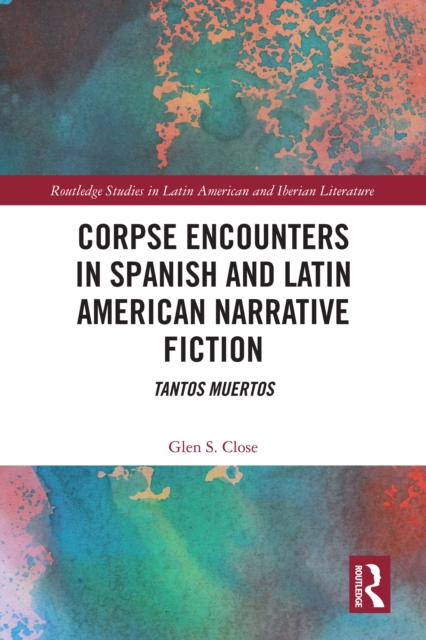
Corpse Encounters in Spanish and Latin American Narrative Fiction: Tantos muertos takes a historically and geographically broad view to argue for the central significance of corpses in modern and contemporary Spanish and Latin American narrative fiction.
Corpse Encounters in Spanish and Latin American Narrative Fiction: Tantos muertos takes a historically and geographically broad view to argue for the central significance of corpses in modern and contemporary Spanish and Latin American narrative fiction.
One of the first books to examine Hannah Arendt's work by putting it in conversation with a series of literary works from writers such as Melville, Brecht, Conrad, and Sarraute, this book addresses the main puzzles of Arendt's work and offers nuanced and innovative analyses of her strengths and shortcomings.
This book explores how postmillennial Anglophone women writers use romantic narrativisations of history to explore, revise, repurpose and challenge the past in their novels, exposing the extent to which past societies were damaging to women by instead imagining alternative histories.
Presenting a unique exploration of education at "e;the edge of experience,"e; this book investigates how unassimilable concepts can reconceptualize education in order to grapple with what is beyond understanding.
This book explores how postmillennial Anglophone women writers use romantic narrativisations of history to explore, revise, repurpose and challenge the past in their novels, exposing the extent to which past societies were damaging to women by instead imagining alternative histories.
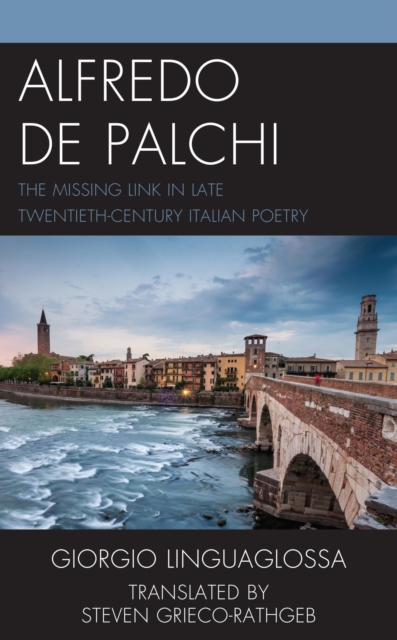
In this keen examination of Alfredo de Palchi's lyrical oeuvre, Giorgio Linguaglossa refers to de Palchi as the missing link in Italian poetry in the second half of the twentieth century.
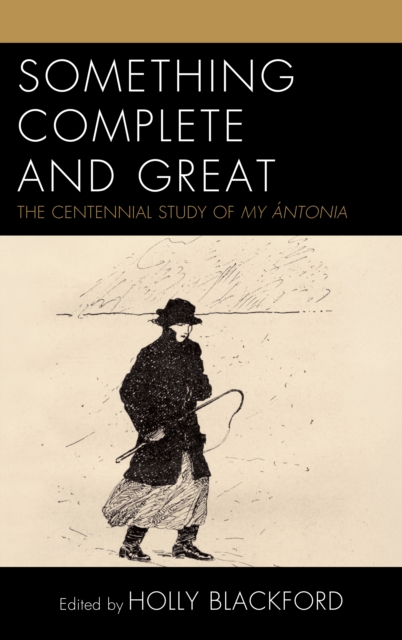
This volume situates My Antonia as a novel that stands the test of time by including in its pages an extraordinarily wide range of historical, cultural, literary, psychological, thematic, perceptual, and stylistic issues.
How a fascination with animal consciousness, perception, and intelligence shaped American fiction in the twentieth centuryAnimal Minds, Other Minds upends a common assumption: that the minds encountered in fiction are always in some sense fundamentally human.
Examining how writers and musicians respond to attempts to define and categorize inequality in moral terms, Culture, the Arts and Inequality: American Artists and Social Justice analyzes the writers and artists who challenge the moral categories through which inequality has been maintained and mobilized.
Examining how writers and musicians respond to attempts to define and categorize inequality in moral terms, Culture, the Arts and Inequality: American Artists and Social Justice analyzes the writers and artists who challenge the moral categories through which inequality has been maintained and mobilized.
A collection of literary work that shows the artistic development of a Pulitzer Prize-winning author From her first poems and stories to her finely crafted essays as a newspaper and feature writer to the gathering brilliance that began at the outset of her Florida Period, highlighted by the Pulitzer Prize for The Yearling in 1939, Marjorie Kinnan Rawlings became, in the words of Margaret Mitchell, Americas born perfect storyteller.
Julian Barnes's work has been marked by great variety, ranging not only from conventional fiction to postmodernist experimentation in such well-known novels as Flaubert's Parrot (1984) and A History of the World in 10 Chapters (1989), but also from witty essays to deeply touching short stories.