Originally published in 1980, this book introduces the student to twelve of the most exciting and significant African authors of the 20th Century, whose work represents Anglophone and Francophone writing (with translation) drawn from West, East and Southern Africa.
This book examines the work of Sindiwe Magona, one of South Africa's most prolific and groundbreaking writers, widely recognized for highlighting the everyday experiences of women and the domestic side of apartheid.
In the late 1950s and early 1960s, the writers of the Beat Generation revolutionized American literature with their iconoclastic approach to language and their angry assault on the conformity and conservatism of postwar society.
Transatlantic policing is experiencing an unprecedented crisis of legitimacy, epitomised by public responses to the murders of George Floyd and Sarah Everard during the COVID-19 pandemic.
A scholarly and experimental collection that offers fresh insight-with a feminist focus-into the often overlooked modernist writer Mary Butts and the contested processes of recovering such an author.
Providing a broad, definitive account of how the 'archival turn' in humanities scholarship has shaped modernist studies, this book also functions as an ongoing 'practitioner's toolkit' (including useful bibliographical resources) and a guide to avenues for future work.
Ya sea por el carácter inédito de lo sucedido, por la validez de las peticiones de la comunidad estudiantil –que enmarcan la inauguración de la participación social en el México posrevolucionario– por la disparidad entre las acciones de los estudiantes y la respuesta de la autoridad, por la encrucijada temporal y geográfica del país en ese momento o por la imagen de la noche de Tlatelolco que se cuenta en las recopilaciones orales y testimoniales, escribir sobre los hechos que abordan el Movimiento Estudiantil mexicano de 1968 es una tarea que no ha perdido vigencia.
Christianity and the African Counter-Discourse in Achebe and Beti: Cultures in Dialogue, Contest and Conflict intervenes, in light of African literary products, the history of Christianity in Africa in late 19th and early 20th centuries, goes beyond the existing cliches about the operations of the European Christian missionaries whether Protestant or Catholic in Africa, and opens alternative ways to read the chain of missionary-native African, and missionary-European colonists relationships.
This book centres and explores postcolonial theory, which looks at issues of power, economics, politics, religion and culture and how these elements work in relation to colonial supremacy.
This book offers a discussion of seven "e;canonical"e; novels by Ian McEwan (The Cement Garden, The Comfort of Strangers, The Child in Time, The Innocent, Black Dogs, Atonement, On Chesil Beach), introducing radical new readings, which are offered not as ultimate and conclusive "e;solutions"e; of the textual puzzles, but as possibilities to engage with the text creatively, to enrich the critical consensus and restore interpretative freedom to the readers.
Christianity and the African Counter-Discourse in Achebe and Beti: Cultures in Dialogue, Contest and Conflict intervenes, in light of African literary products, the history of Christianity in Africa in late 19th and early 20th centuries, goes beyond the existing cliches about the operations of the European Christian missionaries whether Protestant or Catholic in Africa, and opens alternative ways to read the chain of missionary-native African, and missionary-European colonists relationships.
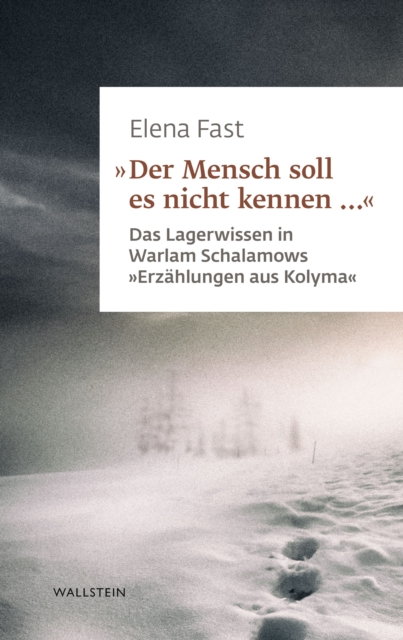
A Mind Purified by Suffering: Evgenia Ginzburgs Whirlwind Memoirs represents the first book on one of Russias most important classics of Gulag literature.
World Literature and the Question of Genre in Colonial India describes the way Marathi literary culture, entrenched in performative modes of production and reception, saw the germination of a robust, script-centric dramatic culture owing to colonial networks of literary exchange and the newfound, wide availability of print technology.
Shortlisted for the British Society for Literature and Science (BSLS) Book Prize 2023Nominated, 2023 Teaching Literature Book AwardIndian Science Fiction has evolved over the years and can be seen making a mark for itself on the global scene.
An exploration of the serialization of children's classics by contemporary publishers, this book digs into the impact of the practice and provides new ways of reading the corpus of British children's literature from the 20th century.
Hybride Erfahrungszeiten in heterogenen Erfahrungsräumen: »Frei-Zeit in der Gegenwartsliteratur« ist eine Zeit des Freiseins und der Freiheit ebenso wie eine Zeit der Freizeitpraktiken.
Obwohl Vladimir Nabokovs Haltung gegenüber Deutschland zwischen kühler Distanz und glühender Ablehnung schwankte, lassen sich sowohl im Leben als auch im Werk des herausragenden russisch-amerikanischen Schriftstellers verschiedene »deutsche Tropen« beobachten.
Am Beispiel zahlreicher deutsch-jüdischer Autorinnen und Autoren analysieren die Beiträge dieses Bandes aufschlussreiche Briefwechsel, die als Seismograph für gesellschaftliche Prozesse, geistige Bewegungen und geschichtliche Entwicklungen betrachtet werden können.

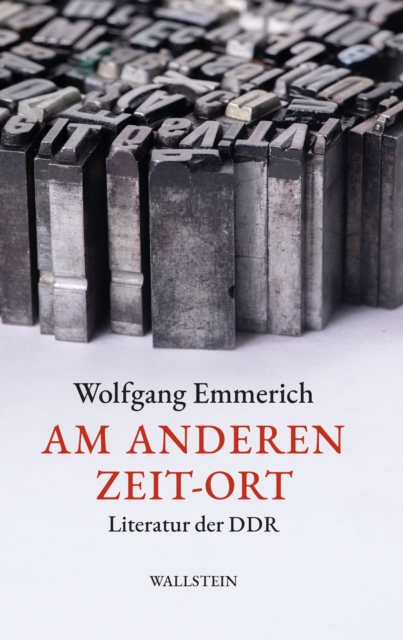
Als 1989 mit der Berliner Mauer auch eine »Zeitmauer« (Heiner Müller) zusammenbrach, zeigten die Uhren in Ost und West weiterhin dieselbe Zeit an, doch veränderte sich deren Wahrnehmung für die Ostdeutschen, die plötzlich mit einer anderen Zeitordnung konfrontiert wurden.
Die öffentliche Aufmerksamkeit, die den literarischen Kulturen des östlichen Mitteleuropa mittlerweile zukommt und die sich auch in den Literatur- und Kulturwissenschaften spiegelt, hat noch kaum in den literaturdidaktischen Diskurs Eingang gefunden.

Der Aufsatzband unternimmt eine Neuverortung von Kafkas Biographie und Werk aus der Perspektive einer für Prag charakteristischen interkulturellen Paradigmatik.
Die knapp eineinhalb Jahrzehnte nach 1970 erscheinen im Rückblick als eine Art Sattelzeit der deutschen Popmusik: Fast alle maßgeblichen, zukunftsträchtigen Stile, Artikulations- und Inszenierungsweisen des deutschen Pop entwickeln und etablieren sich in diesem Zeitraum.