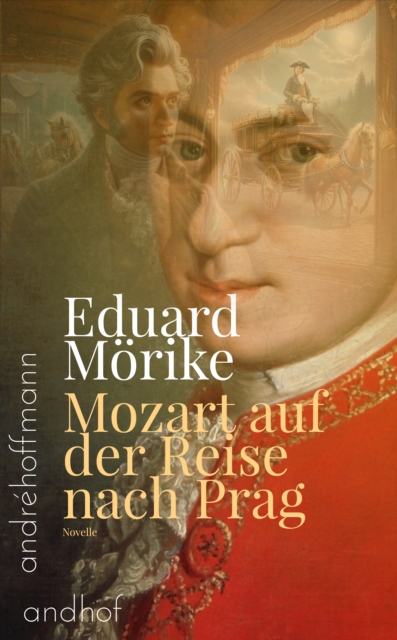
Ein Meister auf dem Weg zur UnsterblichkeitEduard Mörikes Novelle Mozart auf der Reise nach Prag von 1855 entführt die Leser:innen in die Welt des genialen Komponisten Wolfgang Amadeus Mozart.
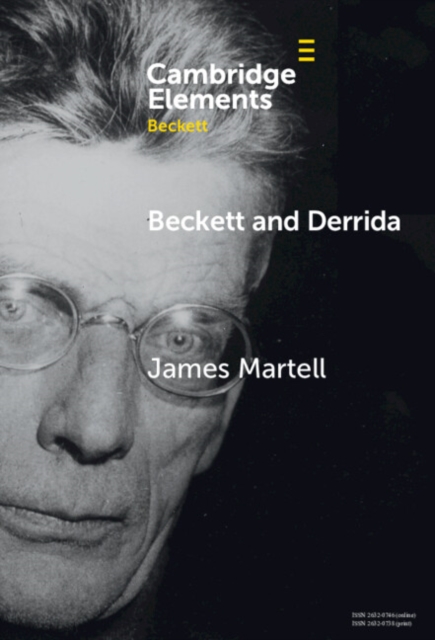
Providing one of the first book-length accounts of Samuel Beckett's poetry, this work illustrates how Beckett's poetry, and its failures, reconfigure the lyric form.
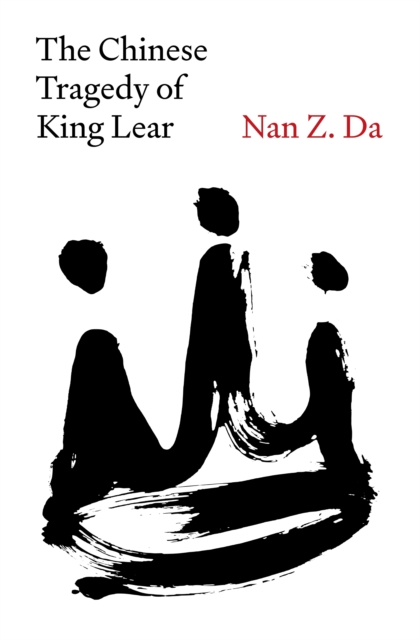
A compelling new reading of The Tragedy of King Lear that finds parallels in twentieth-century Chinese historyAt the start of Shakespeare's famous tragedy, King Lear promises to divide his kingdom based on his daughters' professions of love, but portions it out before hearing all of their answers.
Based on extensive fieldwork and longitudinal studies, this book posits that the household registration (hukou) system is a fundamental institutional arrangement in contemporary China.
The Russian intelligentsia is the historic phenomenon of an educated opposition, and it has provoked a substantial body of Russian and Western publications.
Evodio Escalante, reconocido crítico literario e investigador de la literatura mexicana, presenta seis ensayos en los que se develan los símbolos literarios de José Revueltas y sus fuentes más trascendentes.
This book investigates the literary portrayal of African and Afrodescendant identities in early fictional works by Franco-Cameroonian writer Léonora Miano and Franco-Senegalese writer Fatou Diome.
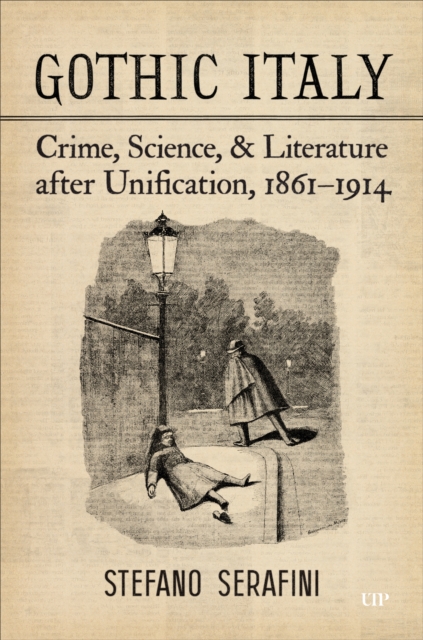
The Gothic, proliferating across different literary, socio-cultural, and scientific spaces, permeated and influenced the project of Italian nation-building, casting a dark and pervasive shadow on Italian history.
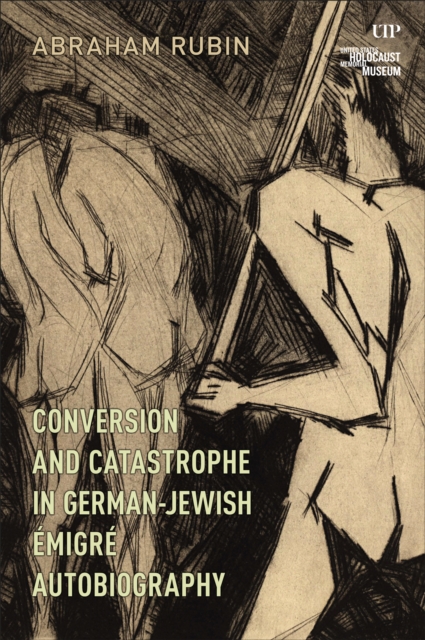
Conversion and Catastrophe in German-Jewish Emigre Autobiography is a collective biography of four German-Jewish converts to Christianity, recounting their spiritual and confessional journeys against the backdrop of the Holocaust and its aftermath.
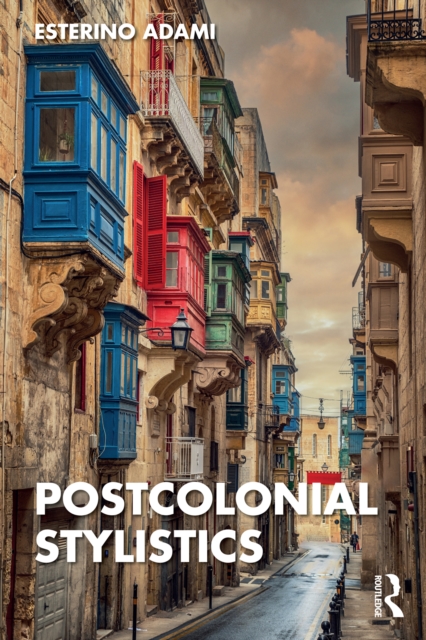
This accessible introduction to postcolonial stylistics looks at the shared aims of stylistics and postcolonial studies and illustrates how to apply the analytical and theoretical tools of stylistics to a selection of literary and non-literary texts from a range of English-speaking postcolonial contexts.
This book sheds new light on the dramatic works of the American playwright, poet, and lyricist Maxwell Anderson, assessing the pervasive influence of Greek and Roman antiquity on his plays that dominated Broadway in the first half of the twentieth century.
Literatur, die sich in gesellschaftlichen und politischen Prozessen kritisch zu Wort meldet, ist seit 1989 auch in Deutschland wieder deutlicher zu vernehmen.
Germán Espinosa es uno de los narradores colombianos que más recurrió a pasados distantes como materia para su escritura; no obstante, son pocos los trabajos amplios y sistemáticos sobre las novelas históricas del escritor cartagenero.
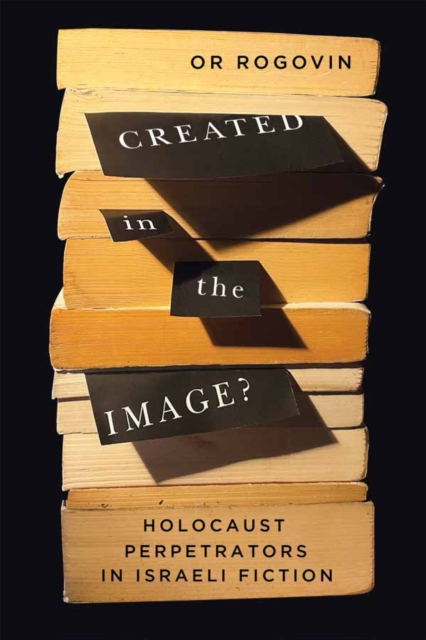
The turn of the twenty-first century saw the rise of a brand of fiction that centres the experience and perspective of the perpetrator, thereby humanizing this character and granting it the capability to evoke our empathy.
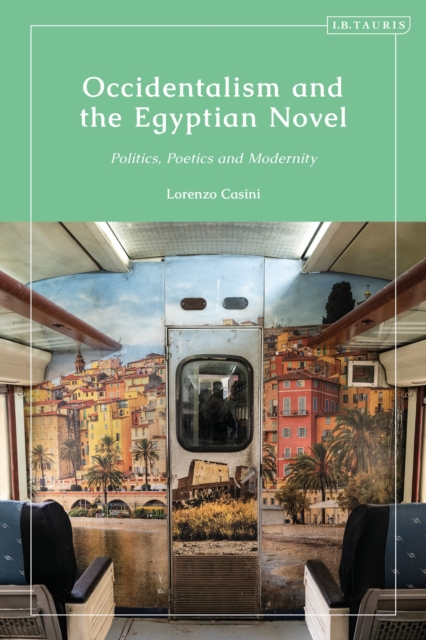
This book examines Occidentalism, or the set of cultural, literary and political uses of 'the West', in the works of canonical 20th and 21st century Egyptian novelists.
The book offers articles by scholars from three disciplines (literary studies, TEFL methodology, history) and three universities in three European countries: Ireland, Belgium, Germany.
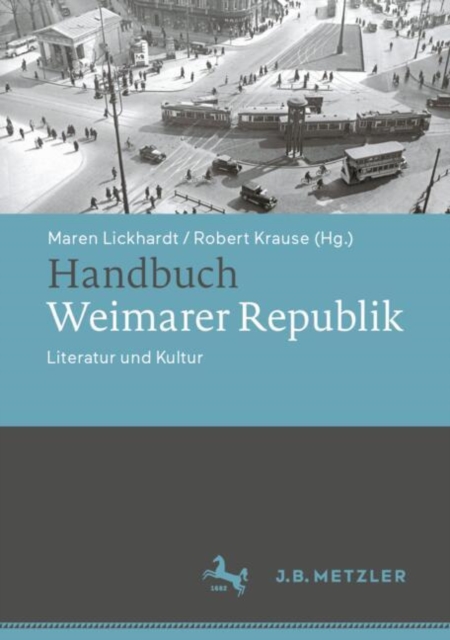
Die Zeit der Weimarer Republik steht heute für Kriegszerstörungen, Armut, Gewalt auf den Straßen, Massenarbeitslosigkeit und Inflation genauso wie für eine neue Unterhaltungskultur, Rausch, Dekadenz und revolutionäre Umbrüche in Kunst, Kultur und Wissenschaft.
Die Zeit der Weimarer Republik steht heute für Kriegszerstörungen, Armut, Gewalt auf den Straßen, Massenarbeitslosigkeit und Inflation genauso wie für eine neue Unterhaltungskultur, Rausch, Dekadenz und revolutionäre Umbrüche in Kunst, Kultur und Wissenschaft.
A patrician who wrote most often of the fashionable 19th-century New York society she knew so well, Edith Wharton was inspired to write the novel Ethan Frome after spending summers at her home in Lenox, Massachusetts.
Reorienting understandings of Adrienne Rich's later work through her interest in Marx and Marxist politics, this book engages with this overlooked part of her oeuvre through considerations of issues such as race, nationhood, and gender.
Arguing that the 19th century concept of living form (the idea that, like an organism, a poem develops itself from within, according to an internal logic) is not, as some critics have argued, anathema to avant-garde writing, this book contends that the concept survived and flourished in the work of a number of contemporary experimental poets.
Georgien – ein Land, dessen einzigartige Schrift, tief verwurzelte religiöse Traditionen und reiches kulturelles Erbe eine literarische Geschichte von unvergleichlicher Tiefe und Schönheit hervorgebracht haben.
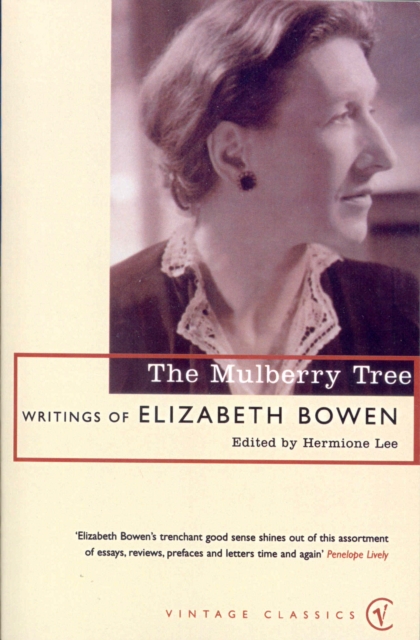
This selection of Bowen's non-fictional writings includes her wonderfully funny, precise recollections of schooldays and childhood experiences, her brilliant evocations of London in wartime and of the Irish 'big house', and penetrating accounts of some of her most famous contemporaries.
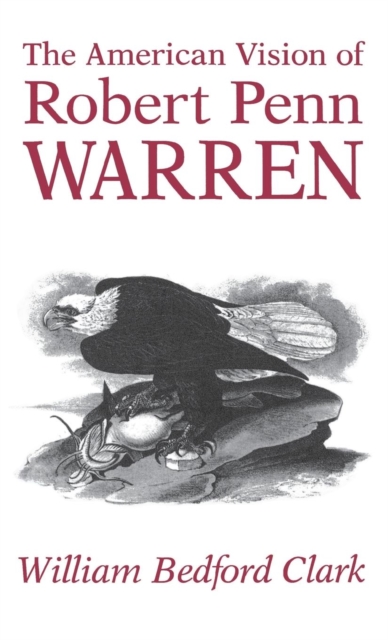
In 1976the bicentennial yearRobert Penn Warren told Bill Moyers that he was "in love with America" but his love for the nation was more often than not troubled and angry.
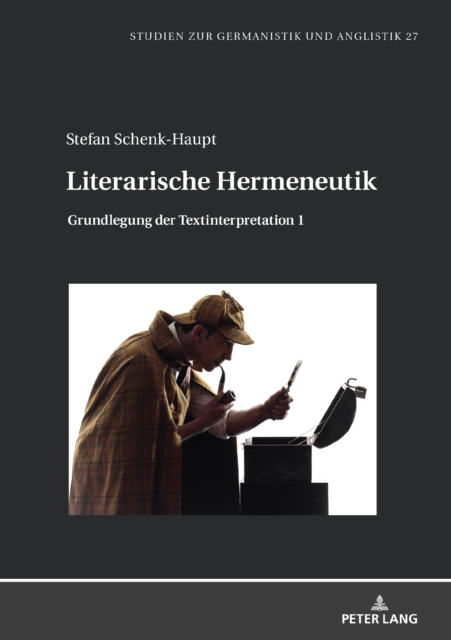
Die hier vorgelegte Studie begreift sich als Fortführung der Arbeiten an einer philologischen Hermeneutik des Textes, die 1977 abgebrochen wurden und hier zu einem Abschluß gebracht werden.
Arguing that the 19th century concept of living form (the idea that, like an organism, a poem develops itself from within, according to an internal logic) is not, as some critics have argued, anathema to avant-garde writing, this book contends that the concept survived and flourished in the work of a number of contemporary experimental poets.
A study of how Kazuo Ishiguro's novels respond to and represent the world through characters that are profoundly limited in their understanding of the systems that bind them.
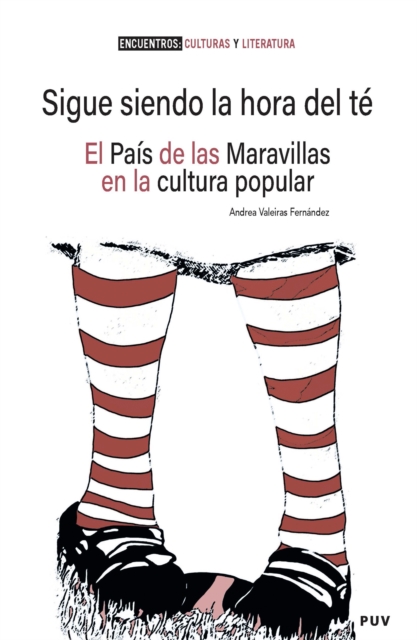
Ha pasado más de un siglo y medio desde que un paseo en barca con las niñas Liddell inspirara a Lewis Carroll para escribir 'Alice's Adventures in Wonderland' (1865).