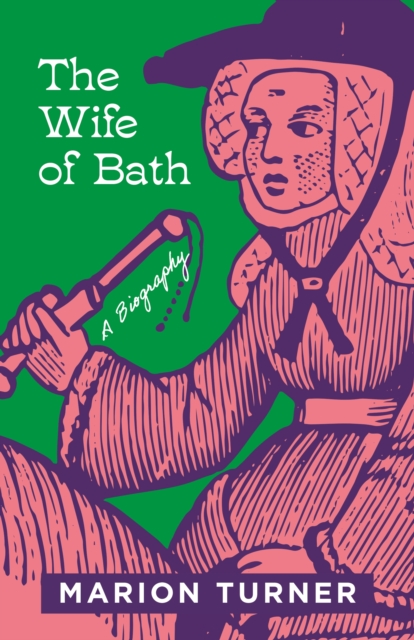
From the award-winning biographer of Chaucer, the story of his most popular and scandalous character, from the Middle Ages to #MeTooEver since her triumphant debut in Chaucer's Canterbury Tales, the Wife of Bath, arguably the first ordinary and recognisably real woman in English literature, has obsessed readersfrom Shakespeare to James Joyce, Voltaire to Pasolini, Dryden to Zadie Smith.
A compelling portrait of a group of boys as they navigate the complexities of being both American teenagers and good MuslimsThis book provides a uniquely personal look at the social worlds of a group of young male friends as they navigate the complexities of growing up Muslim in America.
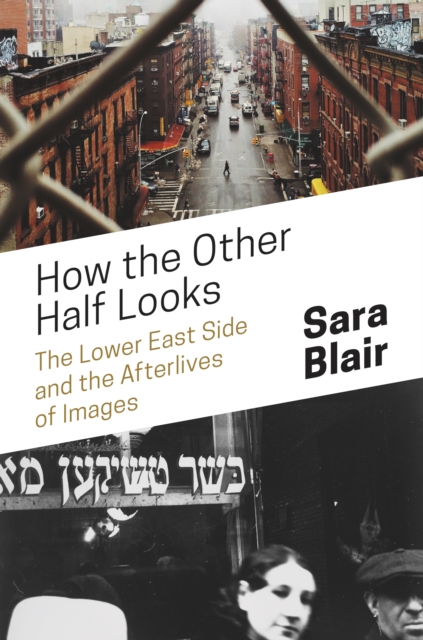
How New York's Lower East Side inspired new ways of seeing AmericaNew York City's Lower East Side, long viewed as the space of what Jacob Riis notoriously called the "e;other half,"e; was also a crucible for experimentation in photography, film, literature, and visual technologies.
An accessible and authoritative new history of French literature, written by a highly distinguished transatlantic group of scholarsThis book provides an engaging, accessible, and exciting new history of French literature from the Renaissance through the twentieth century, from Rabelais and Marguerite de Navarre to Samuel Beckett and Assia Djebar.
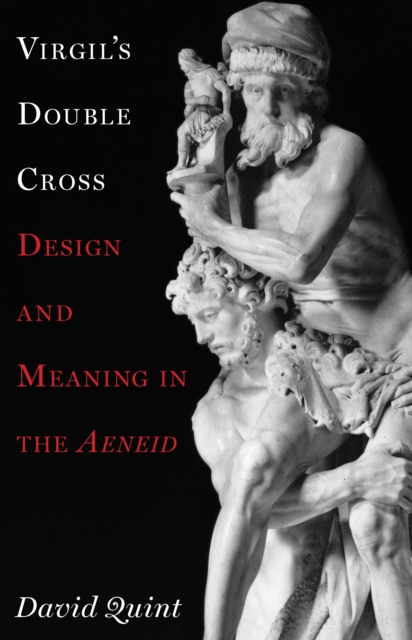
The message of Virgil's Aeneid once seemed straightforward enough: the epic poem returned to Aeneas and the mythical beginnings of Rome in order to celebrate the city's present world power and to praise its new master, Augustus Caesar.
A bold new literary history that says women's writing is defined less by domestic concerns than by an engagement with public lifeIn a bold and sweeping reevaluation of the past two centuries of women's writing, At Home in the World argues that this body of work has been defined less by domestic concerns than by an active engagement with the most pressing issues of public life: from class and religious divisions, slavery, warfare, and labor unrest to democracy, tyranny, globalism, and the clash of cultures.
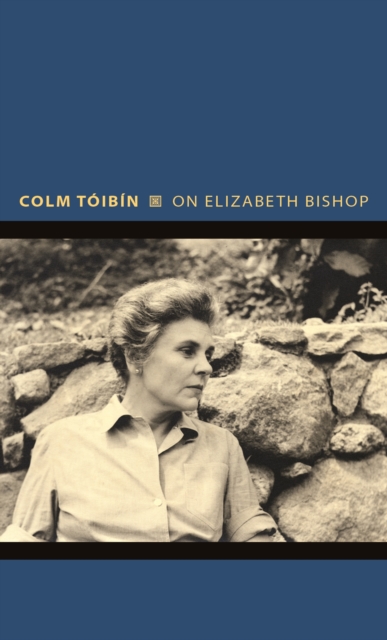
A compelling portrait of a beloved poet from one of today's most acclaimed novelistsIn this book, novelist Colm Toibin offers a deeply personal introduction to the work and life of one of his most important literary influencesthe American poet Elizabeth Bishop.
A wide variety of problem-solving courts have been developed in the United States over the past two decades and are now being adopted in countries around the world.
A unique look at how classical notions of ascent and flight preoccupied early modern British writers and artistsBetween the late sixteenth century and early nineteenth century, the British imagination-poetic, political, intellectual, spiritual and religious-displayed a pronounced fascination with images of ascent and flight to the heavens.
The four-hundred-year story of readers' struggles with a famously unreadable poem-and what they reveal about the history of reading and the future of literary studies"e;I am now in the country, and reading in Spencer's fairy-queen.
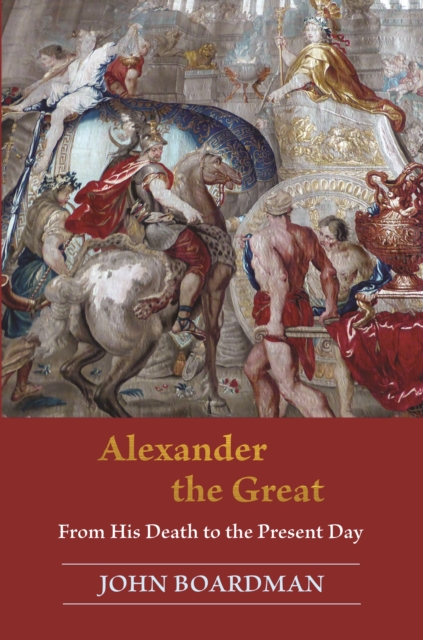
An illustrious scholar presents an elegant, concise, and generously illustrated exploration of Alexander the Great's representations in art and literature through the agesJohn Boardman is one of the world's leading authorities on ancient Greece, and his acclaimed books command a broad readership.
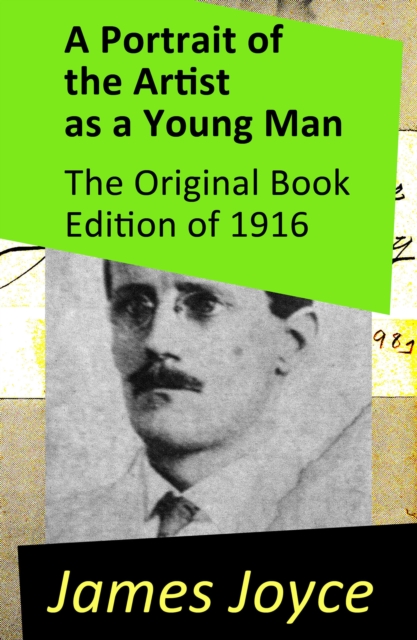
First published in book form in 1916, A Portrait of the Artist as a Young Man charts Stephen Dedalus's passage from childhood bewilderment to artistic self-determination in late nineteenth-century Ireland.
Finalist for the National Book Critics Circle Award in CriticismA leading trans scholar and activist explores cultural representations of gender transition in the modern periodIn Pleasure and Efficacy, Grace Lavery investigates gender transition as it has been experienced and represented in the modern period.
How vocabularies once associated with outsiders became objects of fascination in eighteenth-century BritainWhile eighteenth-century efforts to standardize the English language have long been studied-from Samuel Johnson's Dictionary to grammar and elocution books of the period-less well-known are the era's popular collections of odd slang, criminal argots, provincial dialects, and nautical jargon.
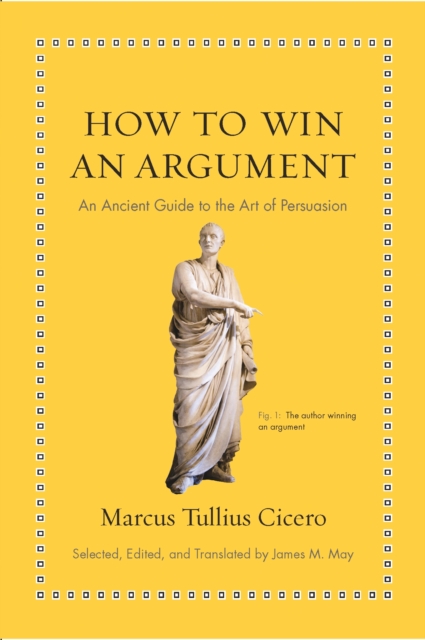
Timeless techniques of effective public speaking from ancient Rome's greatest oratorAll of us are faced countless times with the challenge of persuading others, whether we're trying to win a trivial argument with a friend or convince our coworkers about an important decision.
The first book on the central importance of literary sources in the paintings of Cy TwomblyMany of Cy Twombly's paintings and drawings include handwritten words and phrases-naming or quoting poets ranging from Sappho, Homer, and Virgil to Mallarme, Rilke, and Cavafy.
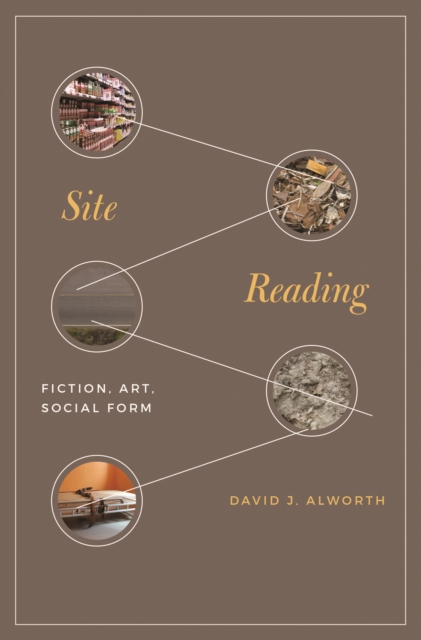
Site Reading offers a new method of literary and cultural interpretation and a new theory of narrative setting by examining five sites-supermarkets, dumps, roads, ruins, and asylums-that have been crucial to American literature and visual art since the mid-twentieth century.
"e;We have many poets of the First Book,"e; the poet and critic Louis Simpson remarked in 1957, describing a sense that the debut poetry collection not only launched the contemporary poetic career but also had come to define it.
The study of Homeric imitations in Vergil has one of the longest traditions in Western culture, starting from the very moment the Aeneid was circulated.
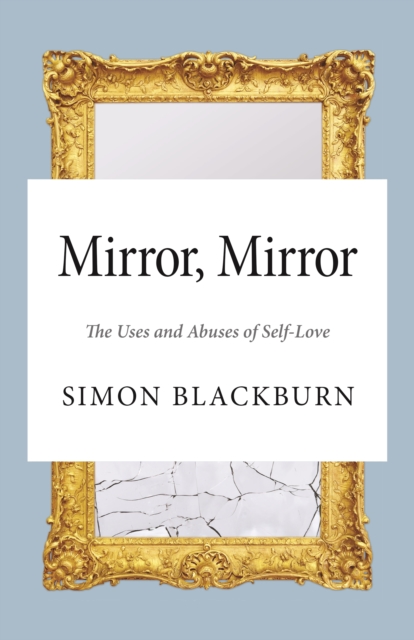
From the author of Think, an enlightening and entertaining exploration of narcissism and self-esteemEveryone deplores narcissism, especially in others.
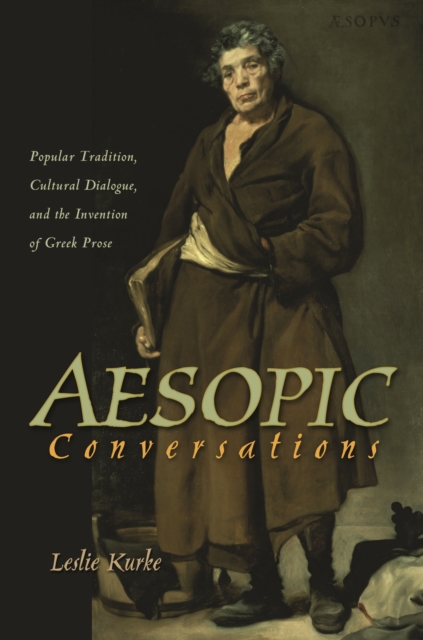
Examining the figure of Aesop and the traditions surrounding him, Aesopic Conversations offers a portrait of what Greek popular culture might have looked like in the ancient world.
How British authorities and Indian intellectuals developed ideas about deviant female sexuality to control and organize modern society in IndiaDuring the colonial period in India, European scholars, British officials, and elite Indian intellectualsphilologists, administrators, doctors, ethnologists, sociologists, and social criticsdeployed ideas about sexuality to understand modern Indian society.
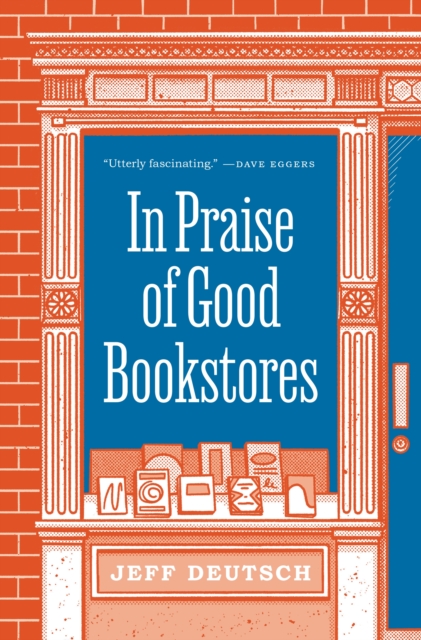
From a devoted reader and lifelong bookseller, an eloquent and charming reflection on the singular importance of bookstoresDo we need bookstores in the twenty-first century?
Ausgehend von Marx' Theorie der entfremdeten Arbeit, der Ideologiekritik der Frankfurter Schule, Sartres Konzept der mauvaise-foi sowie aktuellen Studien fragt Cora Rok nach alten und neuen Formen der Entfremdung in der Arbeitswelt des 21.
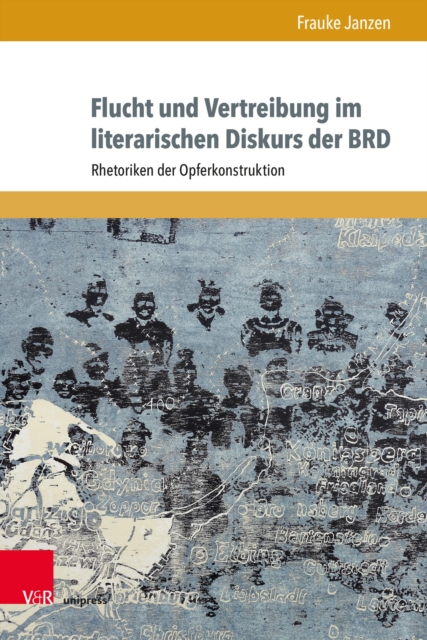
Über die Untersuchungen von Ruth Hoffmanns »Die Schlesische Barmherzigkeit« (1950), Kurt Ihlenfelds »Gregors vergebliche Reise« (1961), Utta Danellas »Der Maulbeerbaum« (1964), Arno Surminskis »Jokehnen oder Wie lange fährt man von Deutschland nach Ostpreußen?
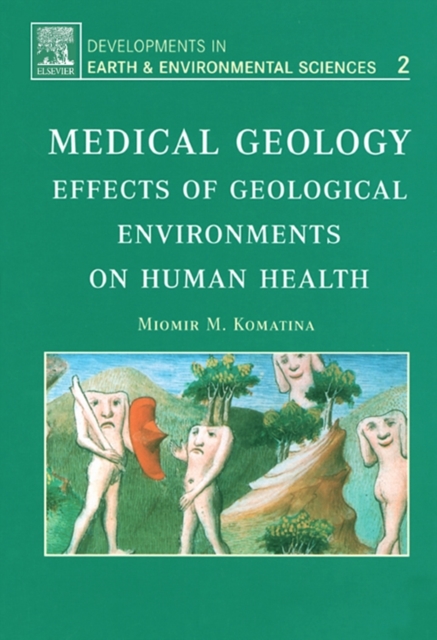
Geology, one of the basic natural sciences, is proving to be of outstanding importance in solving problems relating to:- agriculture- exploitation of the Earth's mineral resources- environmental issues- soil preservation- water- energy and other resources- protection against natural disasters (landslides, floods, volcanic eruptions and earthquakes) as well as human health.
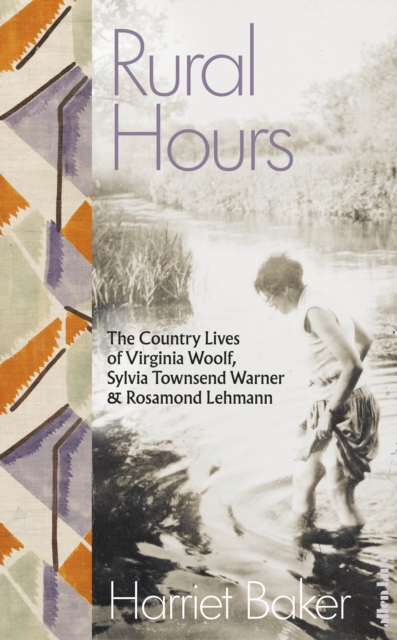
WINNER OF THE SUNDAY TIMES YOUNG WRITER OF THE YEAR AWARD A fascinating look at the impact of country home-making on the lives and work of Virginia Woolf, Sylvia Townsend Warner and Rosamond Lehmann.
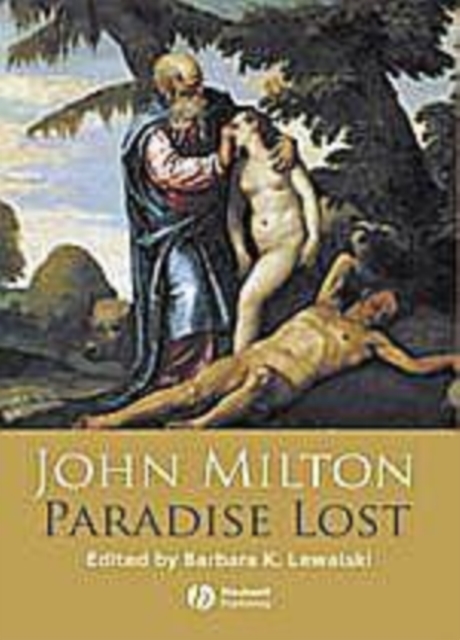
In this authoritative edition of John Milton s epic poem, Paradise Lost is presented in the original language of its 1674 publication, with explanatory annotations and word glosses.
Concern about the impact of air pollution has led governments and local authorities across the world to regulate, among other things, the burning of fossil fuels, industrial effluence, cigarette smoke, and aerosols.
I used to have this line I saved and brought out for grant applications and writers festivals - that having been Jane Eyre, Anna Karenina and Esther Greenwood all my life, my writing was an opportunity for the reader to have to be me.