Die Kultur der Weimarer Republik begeisterte sich in besonderem Maße für solche religiösen Ideen, von denen man sich Hilfe beim Umgang mit den allgegenwärtigen Krisenerfahrungen erhoffte.
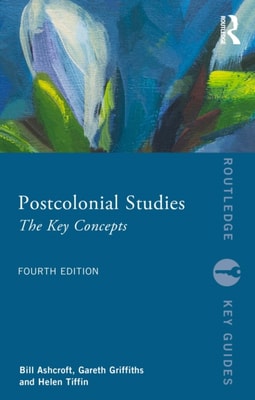
Now in its fourth edition, this popular A-Z guide provides a comprehensive overview of the issues which characterize postcolonialism: explaining what it is, where it is encountered and the crucial part it plays in debates about race, gender, politics, language and identity.
This book is envisaged as an intervention in the ongoing explorations in social and cultural history, into questions of what constitutes Indianness for the colonial and the postcolonial subject and the role that Shakespeare plays in this identity formation.
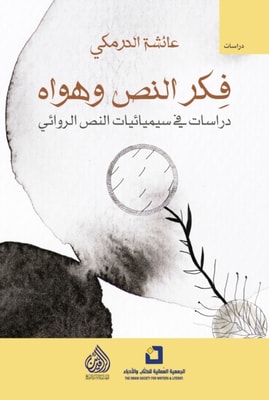
I present to the reader some of my attempts to analyze the fictional text, according to the data of the semiotic approach, and the mechanisms of its application.
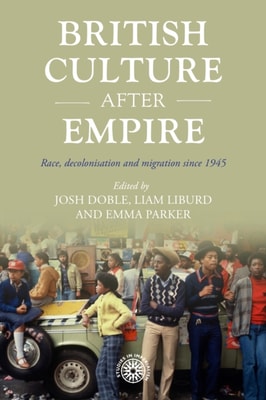
British culture after Empire is the first collection of its kind to explore the intertwined social, cultural and political aftermath of empire in Britain from 1945 up to and beyond the Brexit referendum of 2016, combining approaches from the fields of history, English and cultural studies.
Through combinations of instructive prose and incantatory verse, liturgical rituals and herbal recipes, Latinate learning and oral tradition, the Old English remedies offer hope not only for bodily ailments but also for such dangers as solitary travel, swarming bees and stolen cattle.
The author limited his book to dealing with teaching the Arabic language between the middle and high school levels, and made it brief, as a reference among references, or as a nucleus from which to start.