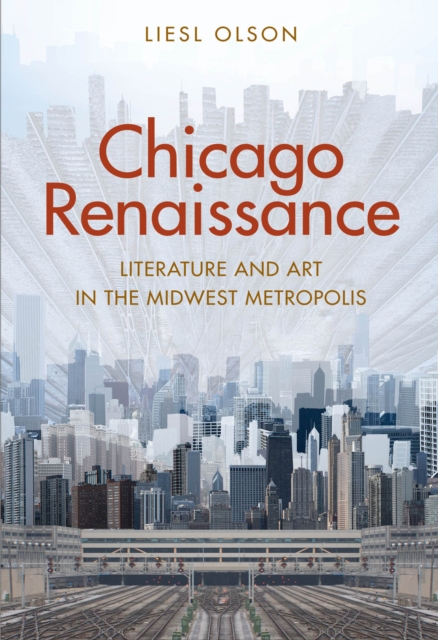
A fascinating history of Chicago’s innovative and invaluable contributions to American literature and art from the late nineteenth to the mid-twentieth century This remarkable cultural history celebrates the great Midwestern city of Chicago for its centrality to the modernist movement.
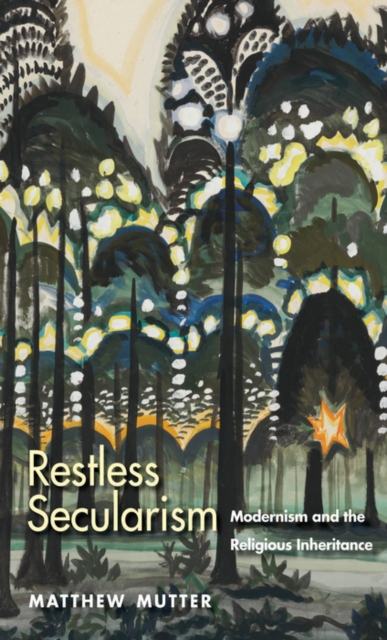
A scholarly and deeply sensitive study that explores how religion and secularism are tightly interwoven in the major works of modernist literature Matthew Mutter provides a broad survey of modernist literature, examining key works against a background of philosophy, theology, intellectual and social history, while tracing the relationship of modernism’s secular imagination to the religious cultures that both preceded and shaped it.
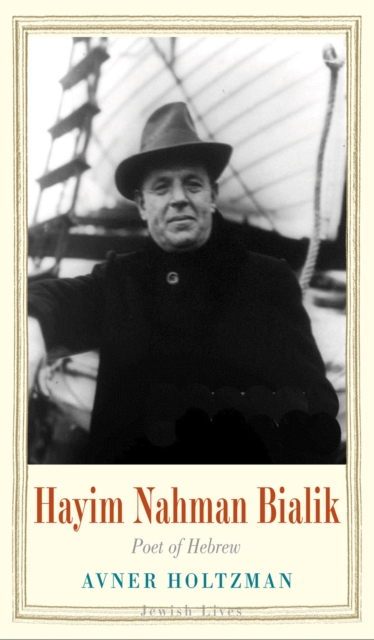
From the prizewinning Jewish Lives series, a moving inquiry into the dramatic life, epic success, and ultimate tragedy of the great Hebrew poet By the time he was twenty-eight, Hayim Nahman Bialik was already considered the National Hebrew Poet.
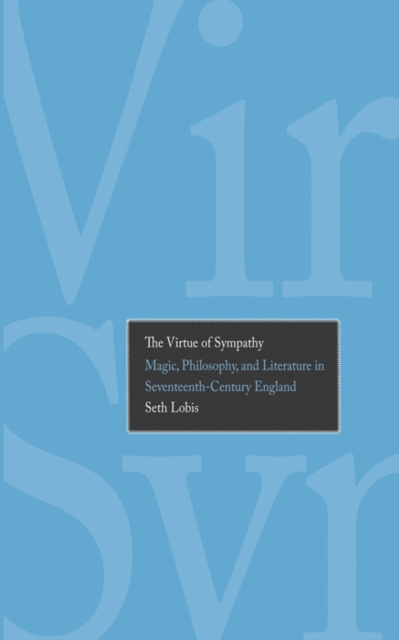
Beginning with an analysis of Shakespeare's The Tempest and building to a new reading of Milton's Paradise Lost, author Seth Lobis charts a profound change in the cultural meaning of sympathy during the seventeenth century.
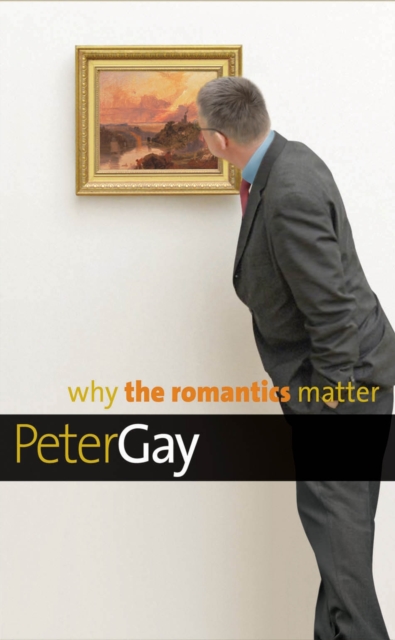
A renowned scholar’s reflections on the romantic period, its disparate participants, and our unacknowledged debt to them With his usual wit and élan, esteemed historian Peter Gay enters the contentious, long-standing debates over the romantic period.
In the late 1830s, Ralph Waldo Emerson, American essayist, poet, lecturer, and leader of the Transcendentalist movement, publicly called for a radical nationwide vocational reinvention, and an idealistic group of collegians eagerly responded.
In this fascinating and erudite book, Bryan Cheyette throws new light on a wide range of modern and contemporary writers—some at the heart of the canon, others more marginal—to explore the power and limitations of the diasporic imagination after the Second World War.
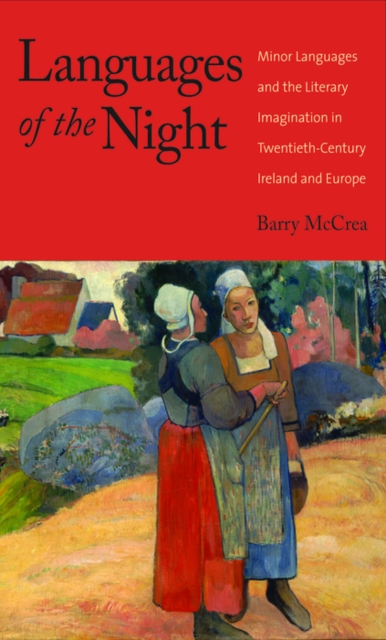
In the first decades of the twentieth century, rural populations throughout Europe changed the language they used in everyday life, abandoning their traditional vernaculars—such as French patois, local Italian dialects, and the Irish language—in favor of major metropolitan languages such as French, Italian, and English.
This book offers a close survey of the changing audiences, modes of reading, and cultural expectations that shaped epic writing in the sixteenth and seventeenth centuries.
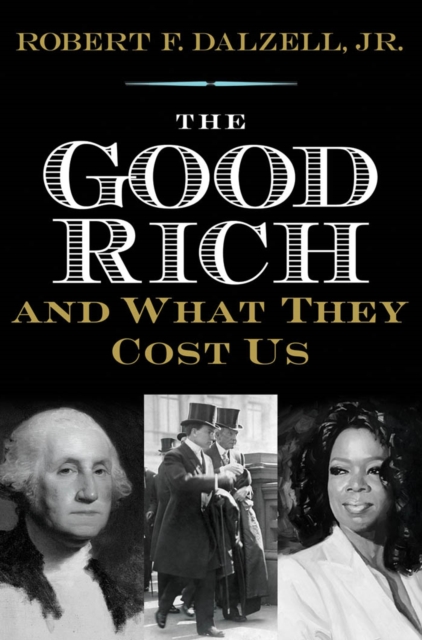
This timely book holds up for scrutiny a great paradox at the core of the American Dream: a passionate belief in the principle of democracy combined with an equally passionate celebration of the creation of wealth.
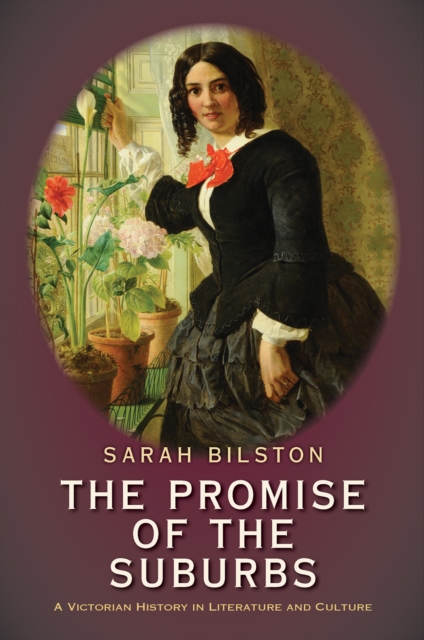
A study of the fast-growing Victorian suburbs as places of connection, creativity, and professional advance, especially for women Literature has, from the start of the nineteenth century, cast the suburbs as dull, vulgar, and unimaginative margins where, by definition, nothing important takes place.
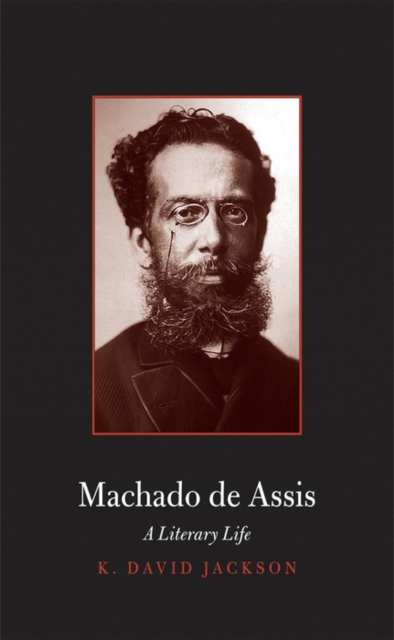
Novelist, poet, playwright, and short story writer Joaquim Maria Machado de Assis (1839–1908) is widely regarded as Brazil’s greatest writer, although his work is still too little read outside his native country.
In this characteristically concise, witty, and lucid book, Terry Eagleton turns his attention to the questions we should ask about literature, but rarely do.
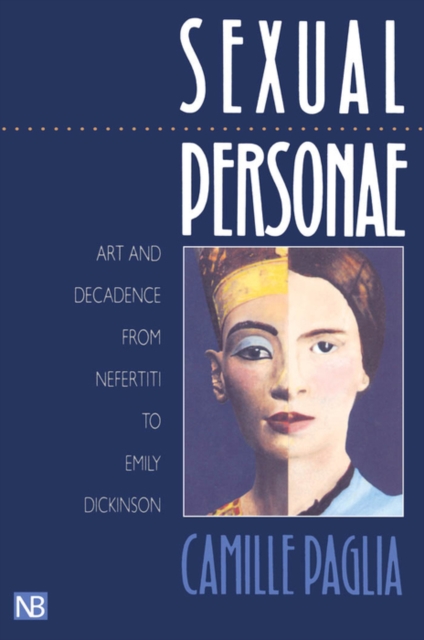
In this brilliantly original book, Camille Paglia identifies some of the major patterns that have endured in western culture from ancient Egypt and Greece to the present.
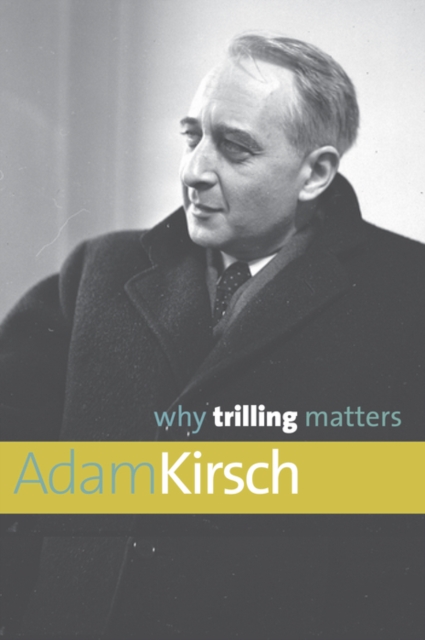
The distinguished poet and critic argues for the abiding relevance of a great literary mind of the twentieth century Lionel Trilling, regarded at the time of his death in 1975 as America’s preeminent literary critic, is today often seen as a relic of a vanished era.
In this wide-ranging and original account of Modernism, Michael Levenson draws on more than twenty years of research and a career-long fascination with the movement, its participants, and the period during which it thrived.
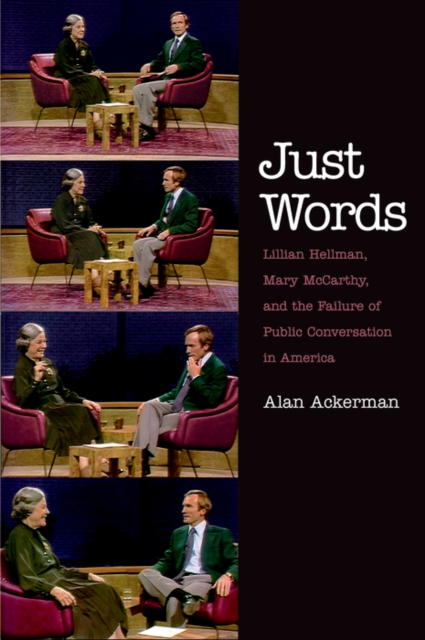
In an appearance on The Dick Cavett Show in 1980, the critic Mary McCarthy glibly remarked that every word author Lillian Hellman wrote was a lie, "e;including 'and' and 'the.
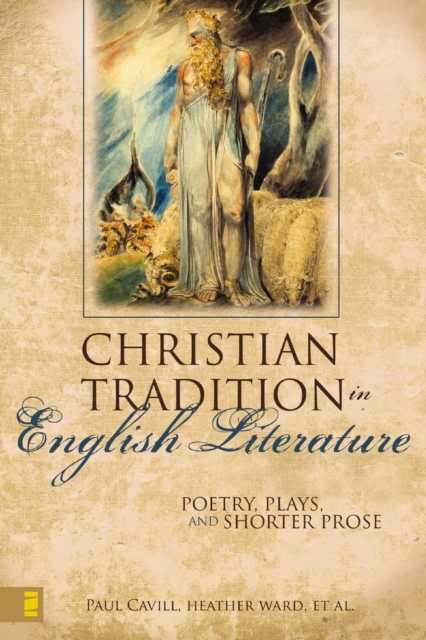
Features:* Wide chronological coverage of English literature, especially texts found in the Norton, Oxford, Blackwell and other standard anthologies* Short, punchy essays that engage with the texts, the critics, and literary and social issues* Background and survey articles* Glossaries of Bible themes, images and narratives* Annotated bibliography and questions for class discussion or personal reflection* Scholarly yet accessible, jargon-free approach - ideal for school and university students, book groups and general readersCreated for readers who may be unfamiliar with the Bible, church history or theological development, it offers an understanding of Christianity's key concepts, themes, images and characters as they relate to English literature up to the present day.
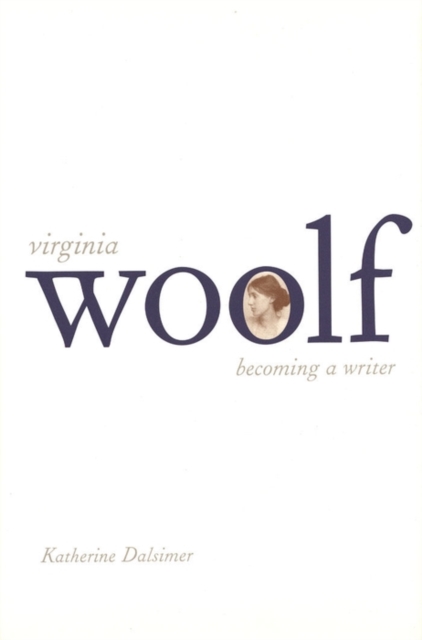
By the time she was twenty-four, Virginia Woolf had suffered a series of devastating losses that later she would describe as “sledge-hammer blows,” beginning with the death of her mother when she was thirteen years old and followed by those of her half-sister, father, and brother.
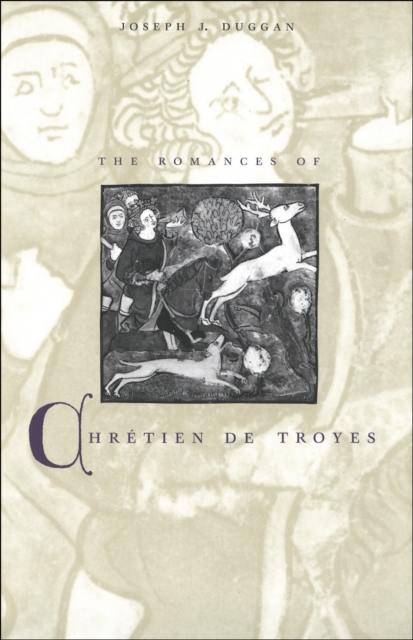
Twelfth-century French poet Chrétien de Troyes was one of the most influential figures in Western literature, for his romantic poems on the legend of King Arthur gave rise to a tradition of storytelling that continues to this day.
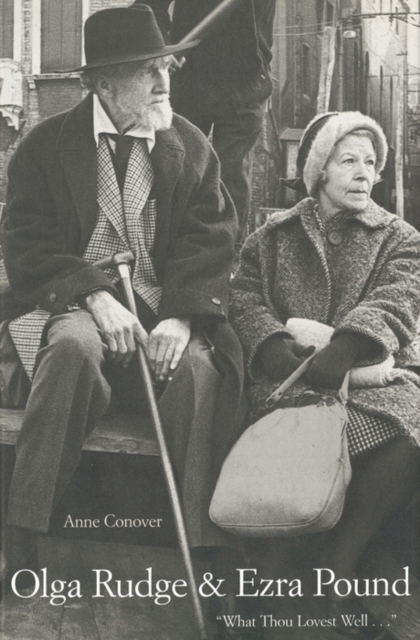
A loving and admiring companion for half a century to literary titan Ezra Pound, concert violinist Olga Rudge was the muse who inspired the poet to complete his epic poem, The Cantos, and the mother of his only daughter, Mary.
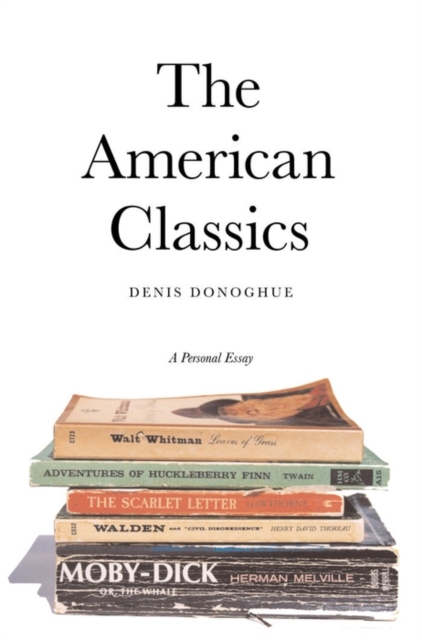
“I am no more lonely than the Mill Brook, or a weathercock, or the north star, or the south wind, or an April shower, or a January thaw, or the first spider in a new house,” wrote Henry David Thoreau in Walden.
In Imagined Cities, Robert Alter traces the arc of literary development triggered by the runaway growth of urban centers from the early nineteenth century through the first two decades of the twentieth.
Jaime Manrique weaves into his own memoir the lives of three important twentieth-century Hispanic writers: the Argentine Manuel Puig, author of Kiss of the Spider Woman; the Cuban Reinaldo Arenas, author of Before Night Falls; and Spanish poet and playwright Federico Garca Lorca.
The story of Mulian rescuing his mothers soul from hell has evolved as a narrative over several centuries in China, especially in the baojuan (precious scrolls) genre.
Forming the Early Chinese Court builds on new directions in comparative studies of royal courts in the ancient world to present a pioneering study of early Chinese court culture.
Savant Singh (16941764), the Rajput prince of Kishangarh-Rupnagar, is famous for commissioning beautiful works of miniature painting and composing devotional (bhakti) poetry to Krishna under the nom de plume Nagaridas.
By the time she was twenty-four, Virginia Woolf had suffered a series of devastating losses that later she would describe as “sledge-hammer blows,” beginning with the death of her mother when she was thirteen years old and followed by those of her half-sister, father, and brother.
Was denken Sie, wird möglich, wenn man das Know-how der Allgemeinmedizin mit der altbewährten Naturheilkunde sowie den vielfältigen Möglichkeiten der Alternativmedizin kombiniert?
Von unterschiedlichen wissenschaftlichen Perspektiven ausgehend zeigen die Beiträge des Bandes, auf welche Weise in ausgewählten Texten der Gegenwartsliteratur Fragen nach der Konstruktion von Identität beantwortet werden.