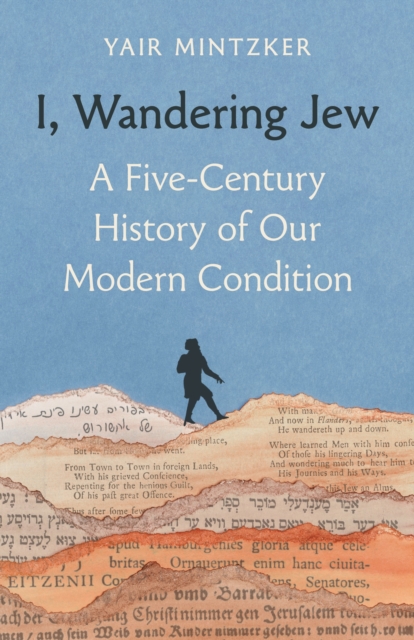
Combining history, detective story, and memoir, a surprising and revealing account of the antisemitic myth of ';the Wandering Jew'The story behind the mythical figure of ';the Wandering Jew' is one of the most fascinating tales in European history.
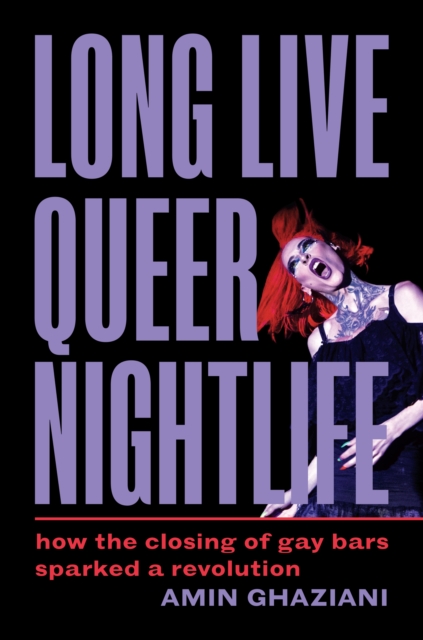
It's closing time for an alarming number of gay bars in cities around the globebut it's definitely not the last danceIn this exhilarating journey into underground parties, pulsating with life and limitless possibility, acclaimed author Amin Ghaziani unveils the unexpected revolution revitalizing urban nightlife.
It's closing time for an alarming number of gay bars in cities around the globebut it's definitely not the last danceIn this exhilarating journey into underground parties, pulsating with life and limitless possibility, acclaimed author Amin Ghaziani unveils the unexpected revolution revitalizing urban nightlife.
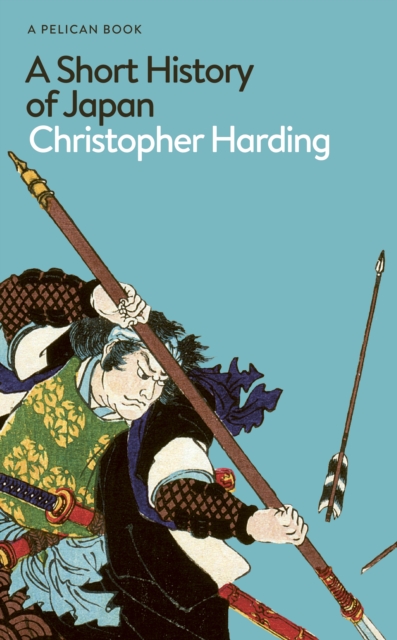
'A history that somehow manages to be at once succinct and sweeping: essential reading for anyone interested in this most fascinating of countries' - Tom Holland'The perfect introduction to [Japan's] intriguing society is Christopher Harding s lively new A Short History of Japan.
Combining history, detective story, and memoir, a surprising and revealing account of the antisemitic myth of ';the Wandering Jew'The story behind the mythical figure of ';the Wandering Jew' is one of the most fascinating tales in European history.
Fresh out of college, hating her job, and searching for meaning, Meghan Tschanz left everything to join a mission trip around the globe, and quickly witnessed oppression experienced by women that she never thought possible.
Stern und Kosmos als Zeitsignatur der Moderne: Die Suche nach gesellschaftlicher Orientierung, umfassender Erkenntnis und ästhetischer Form führt um 1900 an den Sternenhimmel.
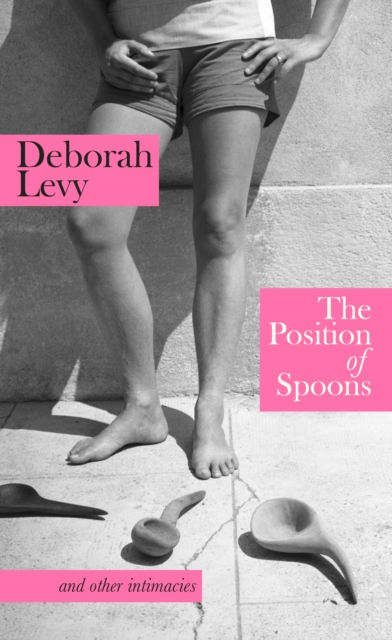
From twice Booker-shortlisted author Deborah Levy, a moving and revelatory collection exploring the muses that have shaped her life and work as a writerIn The Position of Spoons, Deborah Levy traces and measures her life against the backdrop of the literary and artistic muses that have shaped her including a letter to her dying mother and to an absent friend.
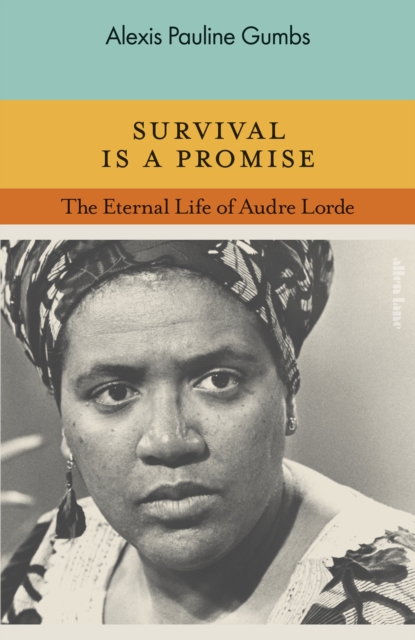
An exhilarating biography of the iconic poet, essayist and activist Audre Lorde Read these chapters like a collection of poems that speak in chorus in all directions.
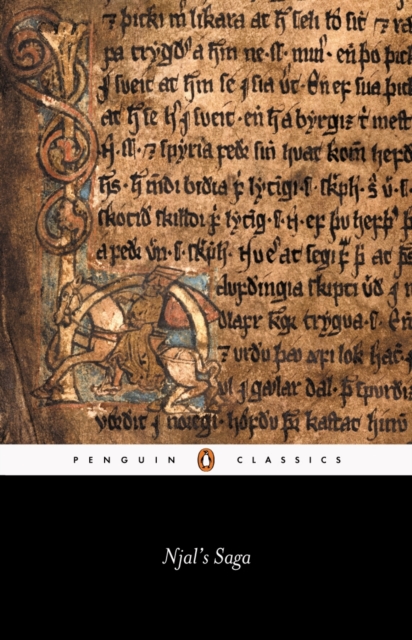
Written in the thirteenth century, Njal's Saga is a story that explores perennial human problems-from failed marriages to divided loyalties, from the law's inability to curb human passions to the terrible consequences when decent men and women are swept up in a tide of violence beyond their control.
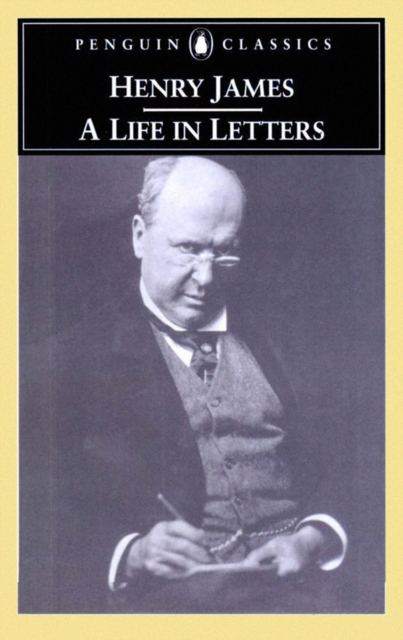
James's correspondents included presidents and prime ministers, painters and great ladies, actresses and bishops, and the writers Robert Louis Stevenson, H.
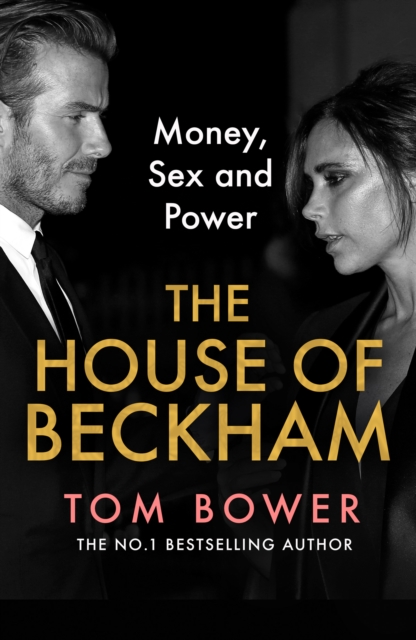
The explosive new book from Britain's leading investigative biographer, Tom BowerAs one of the most famous and influential couples in the world, David and Victoria Beckham have attained iconic status.
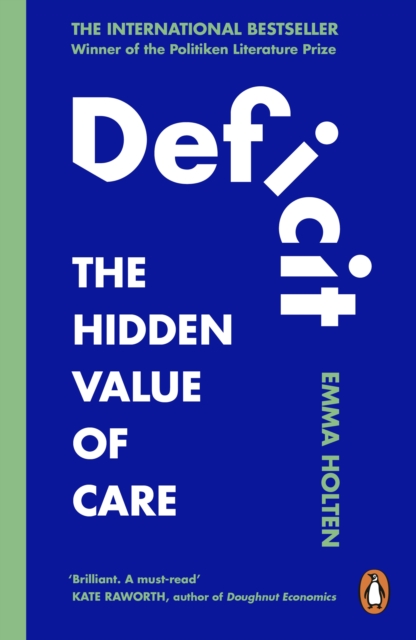
*AN INTERNATIONAL BESTSELLER*WINNER OF THE POLITIKEN LITERATURE PRIZE 2024'Brilliantly rewrites the history of economic thought to place 'her story' at its heart.
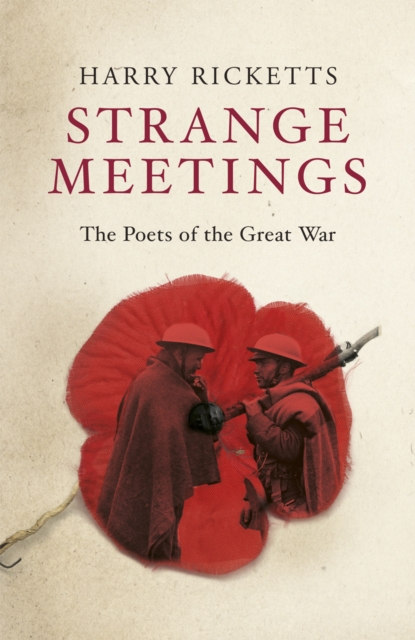
Strange Meetings provides a highly original account of the War Poets of 1914-1918, written through a series of actual encounters, or near-encounters, from Siegfried Sassoon's first, blushing meeting with Rupert Brooke over kidneys and bacon at Eddie Marsh's breakfasts before the war, through famous moments like Sassoon's encouragement of Owen when both are in hospital at the same time; on to the poignant meeting between Edward Thomas's widow and Ivor Gurney in 1932; and the last, strange lunch and 'longish talk' of Sassoon and David Jones in 1964, half a century after the great war began.
En Hipervínculos, Danilo Albero persiste en el buen hábito de cincelar apuntes, artículos, viñetas o como se los quiera llamar, en donde los viajes a sitios insospechados se mezclan con discusiones acerca del arte y la literatura, con apuntes sobre discos de vinilo, de películas en blanco y negro y en tecnicolor, con reflexiones en torno a libros clásicos y a textos desconocidos, con especulaciones referidas a la vida, a la muerte y a sus derivados.
'Leanda de Lisle brings the story of nine days' queen, Lady Jane Grey and her forgotten sisters, the rivals of Elizabeth I, to vivid life in her fascinating biography' Philippa GregoryThe dramatic untold story of the three tragic Grey sisters, all heirs to the Tudor throne, all victims to their royal blood.
A Waterstones Best History Book 2024'Compulsively readable' - Times Literary Supplement'An outstanding work' - Philippa Gregory'A powerful narrative told with frankness and sensitivity' - Helen Fry, historian and author of Women In Intelligence'A woman, a dog and a walnut tree, the more they are beaten, the better they'll be.
The quirky offspring of 'QI' and 'Freakonomics', 'Geekspeak' melds ingenious statistical analysis with edifying trivia to explain away some curious facts of life.
For almost three thousand years, the Odyssey has captured imaginations with seafaring adventure, romance, friendships, as well as feats of heroism and of bloody revenge.
'Sparkling, sharply observing, insights delivered with a light touch that puts us in a good mood, however dark the comedy' SpectatorHere are nineteen glittery new tales about the way we live now, as lovers, partners, children, parents.