Milton criticism often treats the poet as if he were the last of the Renaissance poets or a visionary prophet who remained misunderstood until he was read by the Romantics.
Milton criticism often treats the poet as if he were the last of the Renaissance poets or a visionary prophet who remained misunderstood until he was read by the Romantics.
This volume explores the development of literary culture in sixteenth-century England as a whole and seeks to explain the relationship between the Reformation and the literary renaissance of the Elizabethan period.
The essays in Moving Modernisms: Motion, Technology, and Modernity, written by renowned international scholars, open up the many dimensions and arenas of modernist movement and movements: spatial, geographical and political: affective and physiological; temporal and epochal; technological, locomotive and metropolitan; aesthetic and representational.
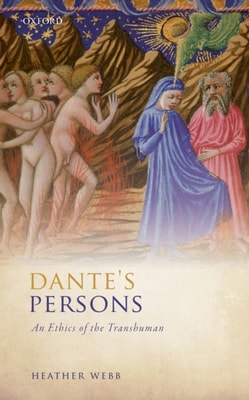
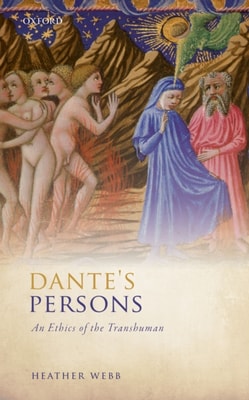
Dante's Persons explores the concept of personhood as it appears in Dante's Commedia and seeks out the constituent ethical modes that the poem presents as necessary for attaining a fullness of persona.
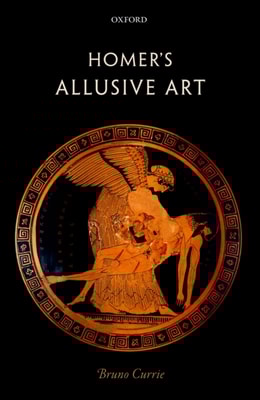
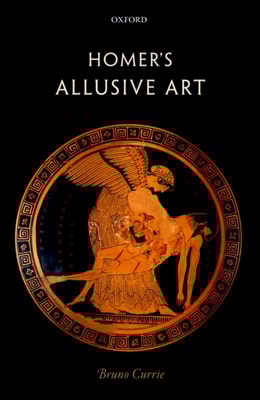
What kind of allusion is possible in a poetry derived from a centuries-long oral tradition, and what kind of oral-derived poetry are the Homeric epics?
What kind of allusion is possible in a poetry derived from a centuries-long oral tradition, and what kind of oral-derived poetry are the Homeric epics?
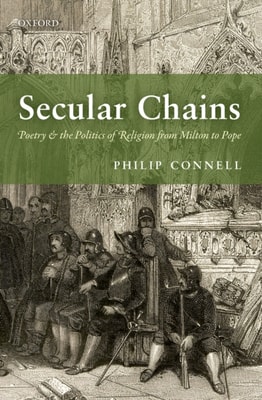
Secular Chains offers an original and richly contextualized account of the relationship between poetry and religious controversy between 1649 and 1745.
The Epic Distilled is a rich exploration of Virgil's use of sources in the Aeneid, considering elements of history, geography, mythology, and ethnography.
The Epic Distilled is a rich exploration of Virgil's use of sources in the Aeneid, considering elements of history, geography, mythology, and ethnography.
The aim of this book is to restore to the story of Englishness the lively material interactions between words, bodies, plants, stones, metals, and soil, among other things, that would have characterized it for the early medieval English themselves.
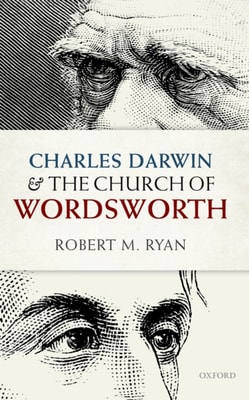
Charles Darwin and the Church of William Wordsworth is a study of the cultural connections between two of the nineteenth century's most influential figures, Charles Darwin and William Wordsworth.
A Thickness of Particulars: The Poetry of Anthony Hecht is the first book-length study of one of the great formal poets of the later twentieth century (1923-2004).
A Thickness of Particulars: The Poetry of Anthony Hecht is the first book-length study of one of the great formal poets of the later twentieth century (1923-2004).
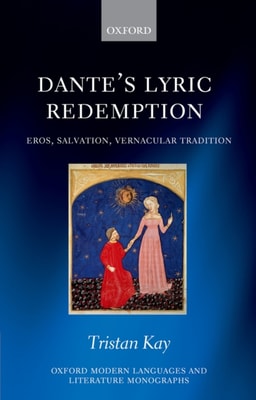
Dante's Lyric Redemption offers a re-examination of two strongly interrelated aspects of the poet's work: the role and value he ascribes to earthly love and his relationship to the Romance lyric tradition of his time.
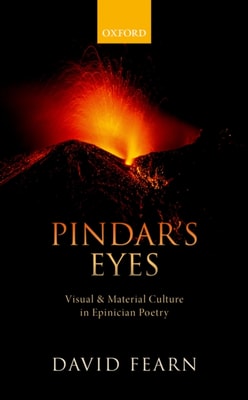
Pindar's Eyes is a ground-breaking interdisciplinary exploration of the interactions between Greek lyric poetry and visual and material culture in the early fifth century BCE.
Catullus, one of the most Hellenizing, scandalous, and emotionally expressive of the Roman poets, burst onto the British cultural scene during the Romantic era.
In Renaissance England and Scotland, verse libel was no mere sub-division of verse satire but a fully-developed, widely-read poetic genre in its own right.
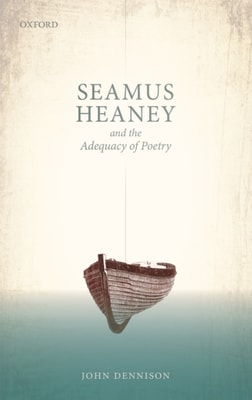
Seamus Heaney's prose poetics return repeatedly to the adequacy of poetry, its ameliorative, restorative response to the violence of public historical life.
Dante's Persons explores the concept of personhood as it appears in Dante's Commedia and seeks out the constituent ethical modes that the poem presents as necessary for attaining a fullness of persona.
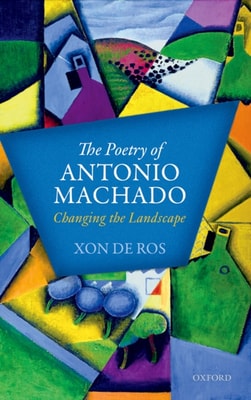
This study offers a reappraisal of the contribution of the poet Antonio Machado to Modernism, seeking to open up new perspectives for the interpretation of his poetry, and includes for the first time a comparative analysis of Machado's translators into English.
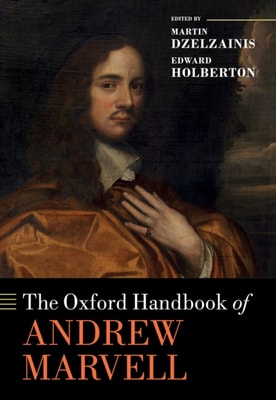
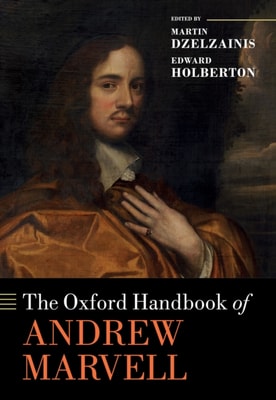
The Oxford Handbook of Andrew Marvell is the most comprehensive and informative collection of essays ever assembled dealing with the life and writings of the poet and politician Andrew Marvell (1621-78).
The Oxford Handbook of Andrew Marvell is the most comprehensive and informative collection of essays ever assembled dealing with the life and writings of the poet and politician Andrew Marvell (1621-78).
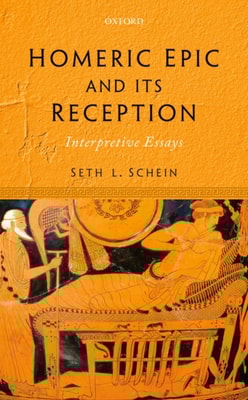
Homeric Epic and its Reception, comprising twelve chapter--some previously published but revised for this collection, and others appearing here in print for the first time--offers literary interpretations of the Iliad, the Odyssey, and the Homeric Hymn to Aphrodite.
Greek poet Hesiod's canonical archaic text, the Works and Days, was performed in its entirety, but was also relentlessly excerpted, quoted, and reapplied.