In this sequel to Faust, Mephistopheles takes Faust on a journey through ancient Greek mythology, conjuring for him the insurpassably beautiful Helen of Troy, as well as the classical gods.
'The work of Shakespeare is virtually infinite' Jorge Luis BorgesA jealous king, convinced that his wife has been unfaithful and is having another man's baby, imprisons her and puts her on trial.
'All the world's a stage, And all the men and women merely players' Rosalind, banished by her cruel uncle, travels secretly to the Forest of Arden, where her exiled father holds court.
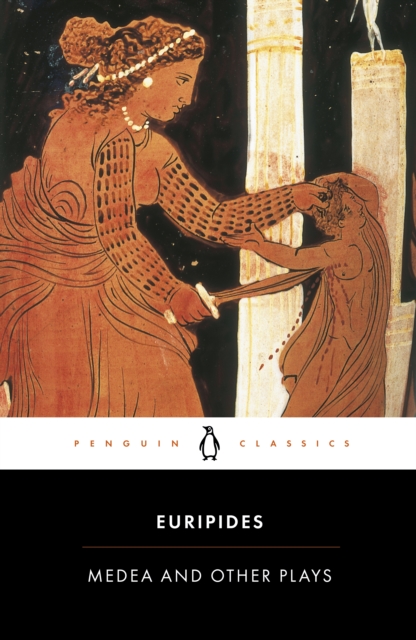
Alcestis/Medea/The Children of Heracles/Hippolytus'One of the best prose translations of Euripides I have seen' Robert FaglesThis selection of plays shows Euripides transforming the titanic figures of Greek myths into recognizable, fallible human beings.
'Cry havoc and let slip the dogs of war, That this foul deed shall smell above the earth With carrion men, groaning for burial'Fearful that Caesar will become a tyrant, his friends plot to assassinate him in order to save Rome.
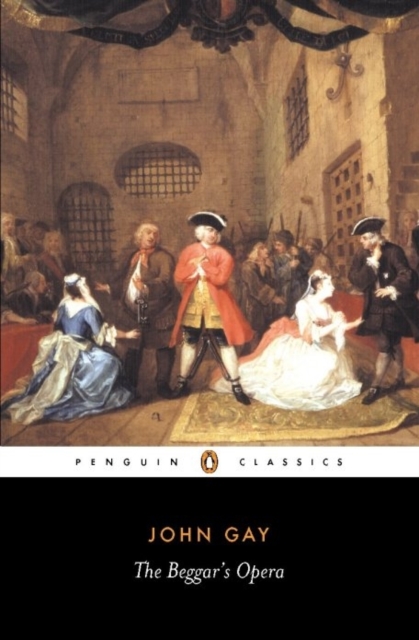
The tale of Peachum, thief-taker and informer, conspiring to send the dashing and promiscuous highwayman Macheath to the gallows, became the theatrical sensation of the eighteenth century.
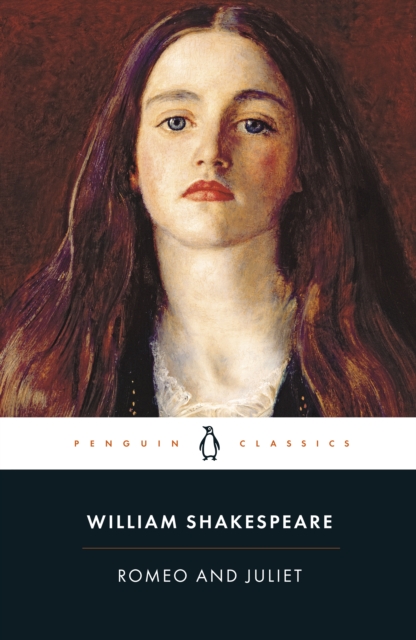
'Shakespeare invented the human as we continue to know it' Harold BloomSet in a city torn apart by feuds and gang warfare, Shakespeare's immortal drama tells the story of star-crossed lovers, rival dynasties and bloody revenge.
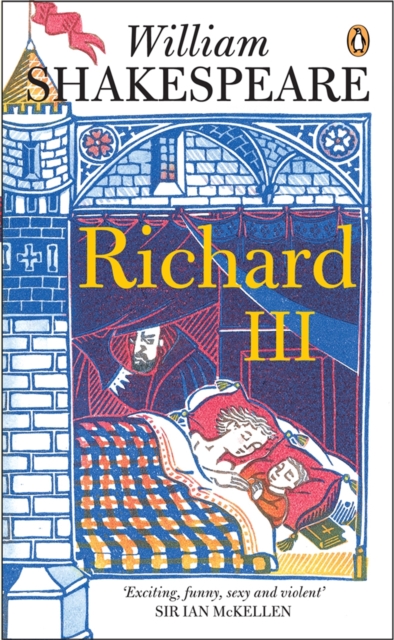
'Now is the winter of our discontent Made glorious summer by this sun of York'Shakespeare's final drama of the Wars of the Roses cycle begins as the dust settles on England after bloody civil war, and the bitter hunchback Richard, brother of the king, secretly plots to seize the throne.
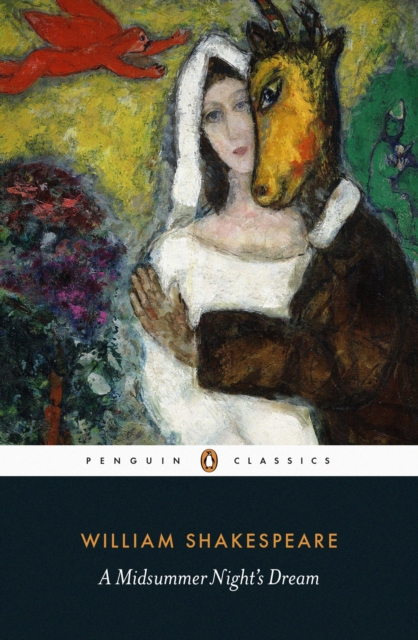
'He could mingle sublimity with pathos, bitterness with joy and peace and love' Aldous HuxleyIn one of Shakespeare's most perennially popular comedies a young woman, Hermia, flees ancient Athens with her lover, only to be pursued by her would-be husband and her best friend.
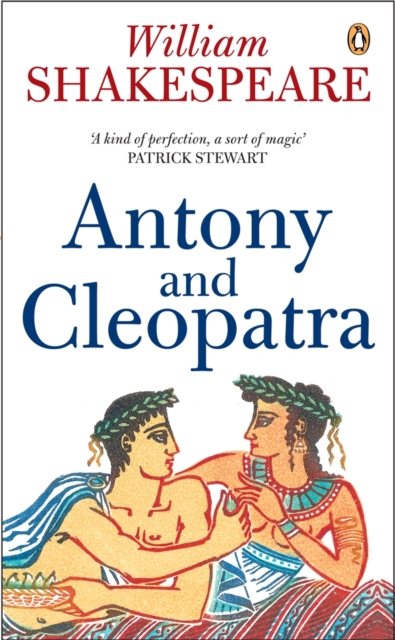
'Shakespeare's play is death-haunted from the start, and its self-glorifying lovers exist in a dream of passion' GuardianA battle-hardened soldier, Antony is one of the three leaders of the Roman world.
Based on the legends used in Greek drama, Seneca's plays are notable for the exuberant ruthlessness with which disastrous events are foretold and then pursued to their tragic and often bloodthirsty ends.
The three plays collected in this volume depict the faults, errors and foibles of ordinary people with exuberant humour, savage satire and acute observations.
When Ellie Dunn joins a house-party at the home of the eccentric Captain Shotover, she causes a stir with her decision to marry for money rather than love, and the Captain's forthright daughter Hesione protests vigorously against the pragmatic young woman's choice.
'Unable to rely on heaven, we look to Shakespeare as a contemporary conscience' Peter ConradCoriolanus, a famed warrior turned politician, is driven from Rome as a traitor when he arrogantly speaks out against popular rule and loses the good will of the starving people.
'The finest, most representative instance of what Shakespeare can do' Harold BloomPrince Hal, the son of King Henry IV, spends his time in idle pleasure with dissolute friends, among them the roguish Sir John Falstaff.
'After God, Shakespeare has created most' Alexandre DumasTwo sets of identical twins, separated at sea as babies, find themselves in the same city for the first time as adults.
'I pity the man who cannot enjoy Shakespeare' George Bernard ShawThe beautiful and witty Katherina has sworn never to accept the demands of any would-be husband.
Moliere combined all the traditional elements of comedy - wit, slapstick, spectacle and satire - to create richly sophisticated and enduringly popular dramas.
The three plays collected in this volume demonstrate Sheridan's unerring ability to create unrivalled comedy out of ingenious plots, witty repartee, farcical situations and flamboyant characters.
Lady Windermere's Fan/Salom /A Woman of No Importance/An Ideal Husband/A Florentine Tragedy/The Importance of Being Earnest'To lose one parent may be regarded as a misfortune; to lose both looks like carelessness'The Importance of Being Earnest is a glorious comedy of mistaken identity, which ridicules codes of propriety and etiquette.
Strongly influenced by Classical drama, Jean Racine (1639-99) broke away from the grandiose theatricality of baroque drama to create works of intense psychological realism, with characters manipulated by cruel and vengeful gods.
Friedrich Schiller (1759-1805) was one of the most influential of all playwrights, the author of deeply moving dramas that explored human fears, desires and ideals.
Japanese n theatre or the drama of 'perfected art' flourished in the fourteenth and fifteenth centuries largely through the genius of the dramatist Zeami.
The Acharnians/The Clouds/Lysistrata'We women have the salvation of Greece in our hands'Writing at a time of political and social crisis in Athens, the ancient Greek comic playwright Aristophanes was an eloquent, yet bawdy, challenger to the demagogue and the sophist.
Goethe's Faust reworks the late-medieval myth of Dr Faust, a brilliant scholar so disillusioned he resolves to make a contract or wager with the devil, Mephistopheles.
Medea/Hecabe/Electra/HeraclesFour devastating Greek tragedies showing the powerful brought down by betrayal, jealousy, guilt and hatredThe first playwright to depict suffering without reference to the gods, Euripides made his characters speak in human terms and face the consequences of their actions.
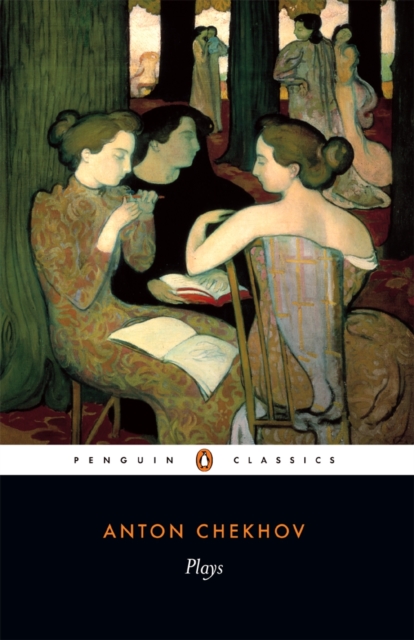
At a time when the Russian theatre was dominated by formulaic melodramas and farces, Chekhov created a new sort of drama that laid bare the everyday lives, loves and yearnings of ordinary people.
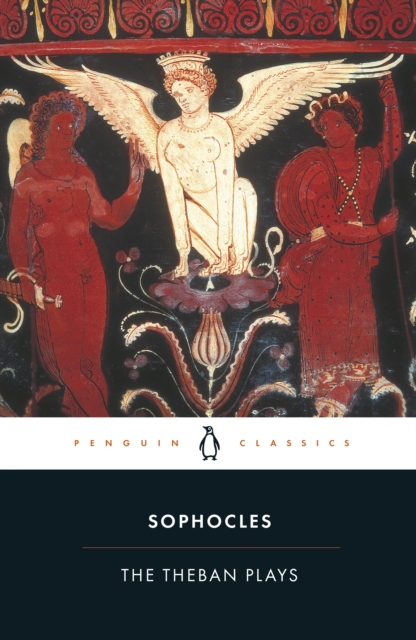
King Oedipus/Oedipus at Colonus/AntigoneThree towering works of Greek tragedy depicting the inexorable downfall of a doomed royal dynastyThe legends surrounding the house of Thebes inspired Sophocles to create this powerful trilogy about humanity's struggle against fate.
Arthur Miller's classic parable of mass hysteria draws a chilling parallel between the Salem witch-hunt of 1692 - 'one of the strangest and most awful chapters in human history' - and the McCarthyism which gripped America in the 1950s.
Arthur Miller's extraordinary masterpiece, Death of a Salesman changed the course of modern theatre, and has lost none of its power as an examination of American life.