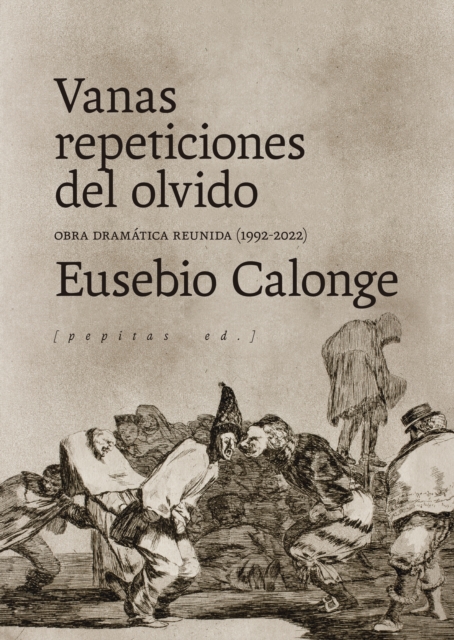
Vanas repeticiones del olvido contiene —en una edición preparada por el propio autor— la obra dramática de Eusebio Calonge escrita entre 1992 y 2022 principalmente para La Zaranda, pero también para otras compañías.
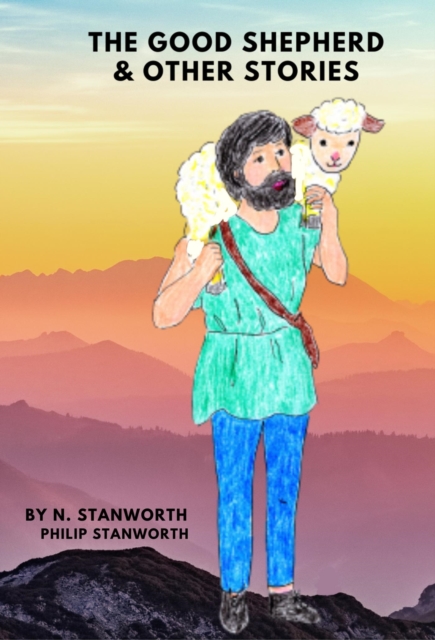
N Stanworth has done 2 Books Three small stories for 3 to 4 year-olds and this book is There are 3 stories based on the New Testament St Luke & St John This is N Stanworth's second book
Von denen, die wir mögen und die trotzdem nach rechts abdriften, von Safer Spaces, die bei aller Gleichheit uneins sind, von Gewissenhaften, die den Krieg niemals für beendet erklären können, von einem Mädchen mit Hutschachtel, das den Holocaust überlebte, von gespensterhaften Spurensuchern in der Vergangenheit und einem queeren Frühlings Erwachen mit schmerzhaftem Verlust.
Comoedo comici comoedia, fuera del teatro realista pro contemporáneo, elige el pensamiento humano como parte del quehacer actoral, el texto, altamente germinado de ideas y pensamientos aparentemente desordenados, produce un serie de sensaciones lingüísticas recurriendo a la memoria emotiva del espectador, sal mismo tiempo un acto de acusa con la excusa de una narrativa contemporánea y funcional, fuera de los arquetipos de la tris teatral tradicional, un texto fluido y profundo, el cual salta de un espacio al otro rompiendo los esquemas conocidos del espacio escénico el cual puede existir o no.
All's Well That Ends Well - William Shakespeare - All's Well That Ends Well is a play by William Shakespeare, published in the First Folio in 1623, where it is listed among the comedies.
The text aims to clarify the importance of planet Earth among the planets, as it contains life, and intelligent life in particular, and the importance of the planet stems from the existence of religions that God has singled out for His servants to guide them to the rules of caliphate on Earth, and that these religions (Judaism, Christianity, and Islam) have similar visions regarding the rules of dealing with them.