Hauptmanns Diebeskomödie Der Biberpelz zählt zu einer der wenigen gelungenen Komödien in der deutschen Literatur, deren besonderes Merkmal der offene Schluß ist.
Dieses eBook: "Maria Stuart: Ein Trauerspiel" ist mit einem detaillierten und dynamischen Inhaltsverzeichnis versehen und wurde sorgfältig korrekturgelesen.
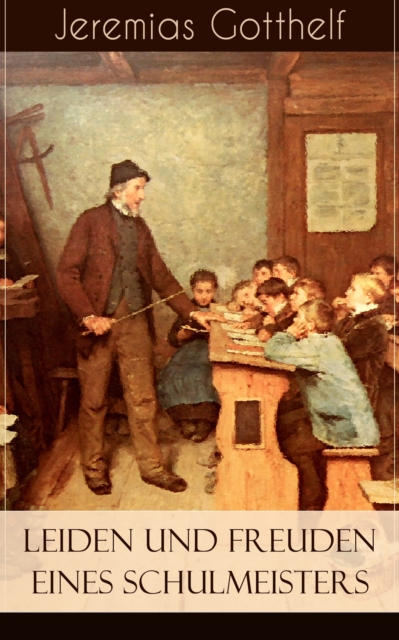
Dieses eBook: "Leiden und Freuden eines Schulmeisters" ist mit einem detaillierten und dynamischen Inhaltsverzeichnis versehen und wurde sorgfältig korrekturgelesen.
Obra cómica, divertida y de enredos en la que se relata la historia de dos amigos que tienen un "alter ego" y fingen llamarse de diferente manera para escapar de su vida diaria y, finalmente, para casarse con dos mujeres que sueñan con casarse algún día con alguien llamado Ernesto.
Stefan Zweigs "Jeremias" war eines der ersten Theaterstücke, das sich klar gegen den zum Zeitpunkt der Veröffentlichung im Jahre 1917 tobenden Ersten Weltkrieg aussprach.
Inmitten der verheerenden Mittagsflut des Jahres 1936 auf dem Marschhof, einem norddeutschen Anwesen an der malerischen Nordseeküste, kämpfen die Bewohner gegen unbekannte Herausforderungen.
«Bariona», ein Stück, das Sartre im Kriegsgefangenenlager 1940 für die Weihnachtsfeier schrieb, aber erst 1970 veröffentlichen ließ, ist eine geistvolle Verknüpfung von christlicher Verkündigungstheorie und Sartrescher Freiheitsphilosophie.
Erst wenn die auf die Erde verbannte Feentochter Lottchen allen Reichtum verachten lernt und einen armen Mann heiratet, erhält ihre hochmütige Mutter Lacrimosa die Feenmacht zurück.
Wo Götter lustvoll simuliert werden und Intellektuelle sich um Kopf und Kragen reden, wo auf den Mensch nur noch die Taube folgt und Pommes einfach nicht mehr kross sind, wo Menschenopfer vielleicht Leben retten, wenn das Wasser unaufhaltsam weiter steigt – diese und andere Gedankenexperimente in der Dramatischen Rundschau 05.
It is a tragic play for the English theater, William Shakespeare, for the Scottish leader Makbet, whose property assassinates Denkin to sit on the throne of Scotland in his place.
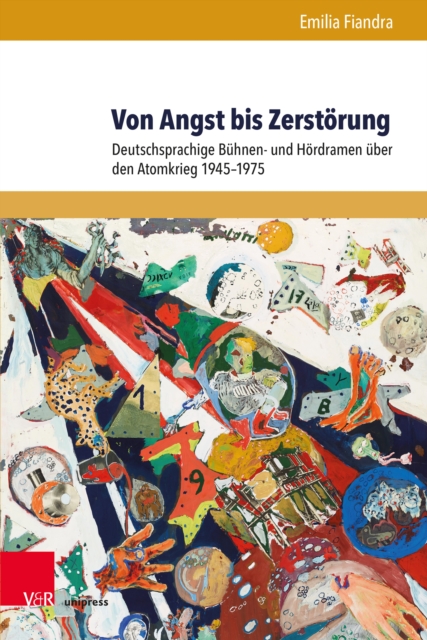
Die Dramenliteratur über den Atomkrieg hat zwischen 1945 und 1975 mehrere Theater- und Rundfunkproduktionen hervorgebracht, die größtenteils vergessen sind.
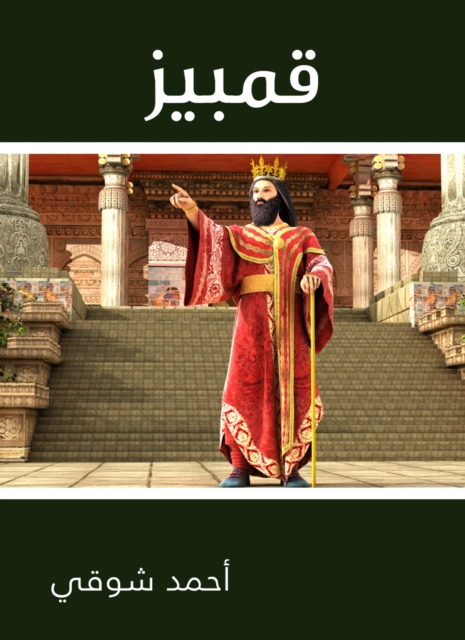
This narrative play revolves around King "Qambiz", the oldest son of Kursh Pharaoh is a believer in the god Amon, but the priests of the Amon Temple had a prophecy that he would be defeated.
In diesem Buch erzählt ein Blaulichtreporter aus dem schönen Land Brandenburg die Geschichten von Helden und Opfern, denen er auf seinen Einsätzen begegnet ist.
April 1945: Der zweite Weltkrieg geht dem Ende entgegen, Anna von Dransow hat in den Wirren des Krieges ihre gesamte Familie verloren und steht nun als neues Oberhaupt auf dem Gutshof.
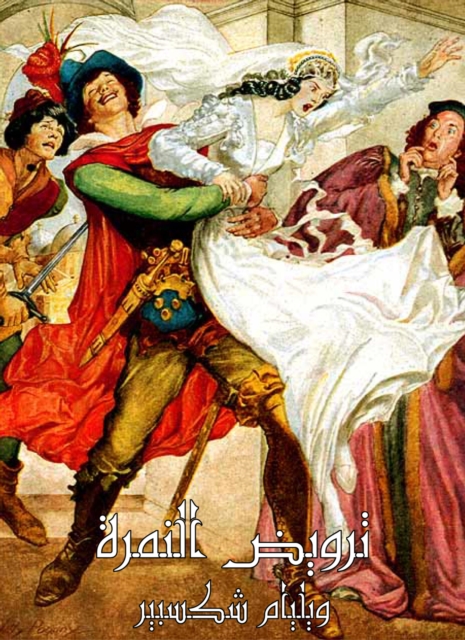
Tame the tiger from Shakespeare's theatrical works in which he dealt with the volatile nature of the female and stops that it may be a remarkable mood that makes everyone around it alienate from it.
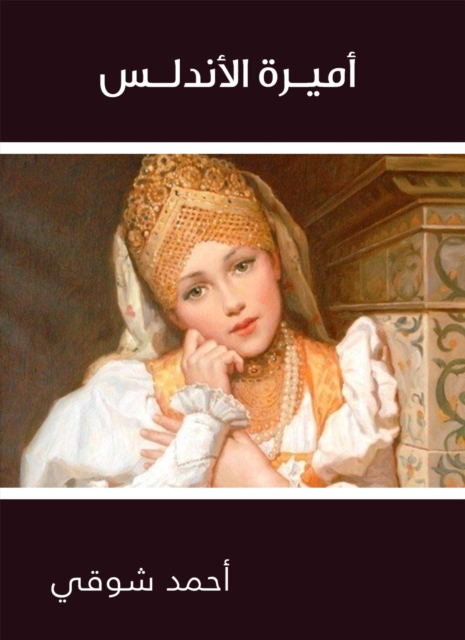
The events of the "Princess of Andalusia" play take place at a time when the fall of the Umayyad state in Andalusia, that is, at the time of the kings of the sects in Andalusia, in the year 422 AH, so the state was dispersed and fragmented, which called on each of its princes to build separate and small states, and start establishing A private ruling family in it, consisting of his close family, and when Ahmed Shawky wrote this play, he made the theater of events at the end of the fifteenth century of migration, that is, he chose the time when the time of the kings of sects ended, and the conflict in the play intensified between many parties, including Alfons King of the Franks, Youssef bin Tashfin, the king of the Almoravids in Morocco, and his brother Al -Mu'tamid bin Abbad, where Ahmed Shawky Al -Mu'tamid bin Abbad and Bathina bint Al -Mu'tamid chose to be the two heroes in this narration, and it is clear in this narration the situation that the kings of that time reached, and how they were living a full life Luxury and extravagance, and how corruption spread in their kingdom, and how the intrigues and intrigues spread among them, so among them was the bribed, the brush, the ousted and the killed, which affected the parish life negatively.
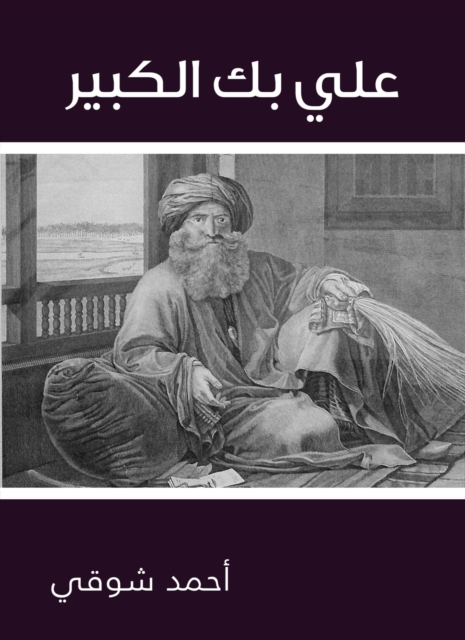
Ali Bey Al -Kabeer is considered one of the greatest historical Mamluk characters in Egypt, and it is like the rest of the Mamluks, no origin is known, as the Mamluks were sold young and purchased and brought to Egypt, and then they embraced Islam, and they were subject to a military system and strict training, and then they start With political ascension, achieving influence and ascending towards control, Ali Bey Al -Kabeer was able to isolate the Ottoman governor to Egypt, and reach the position of the Sheikh of the country, where he took advantage of the Ottomans' preoccupation in their war with Russia, so he was able to break the influence of the leader of the ascension, "Sheikh of the Arabs, Hammam bin Youssef Al -Hawari", as He managed to control Egypt with its maritime and tribal faces, and included the lands of the Levant and the Hijaz for it, but this did not last long, as his right arm, Muhammad Bey Abu Al -Dahab, turned against him and his property was lost, and it is worth noting that the events of the play Ahmed Shawky revolve around this historical character, which is an elaborate work that deserves interest.
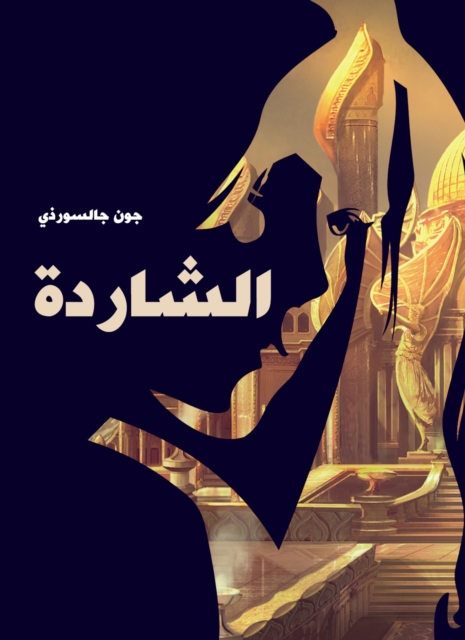
"Aziz Abaza", one of the pioneers of theater poetry after the prince of the poets, "Ahmed Shawky", and one of the most prominent flags of Arab and Egyptian poets in the twentieth century.
"Siro de Bergrak" is a theater written by the writer Edmund Rositan, which strengthens the significance of Qudsiyah in love, and leans on a heroic comedy that is full of moral dignity of human heavens such as sacrifice and altruism.
The play "Al -Bakhila" is one of the plays that strikes its roots in the depth of reality, and it is the same reality in which the poet Ahmed Shawky lived, and everyone who reads the lines of this play with meditation, discovers the amount of development that Ahmed Shawky was able to achieve and reach in the field of poetic drama, Like the many poetic plays he wrote, as it turned from the "tragedy" template, that is, the tragic template, to the funny "comedian" template, as well as the heroes of his plays who were always from the "aristocratic" class, that is Ordinary people who live familiar with the people, who are the "bourgeois" classes, that is, the working class, as he chose the basic play characters from women, as the misfortune is a woman who collects money and is wealthy, but at the same time she is skimped on herself, and it is worth noting that the basis The theatrical drama is the paradox, that is, it contains a laughing paradox, but at the same time it constitutes a sharp criticism.
It is one of the most important plays of English writer William Shakespeare, written in 1600 or 1602 and is one of the most active, productive and printed plays.
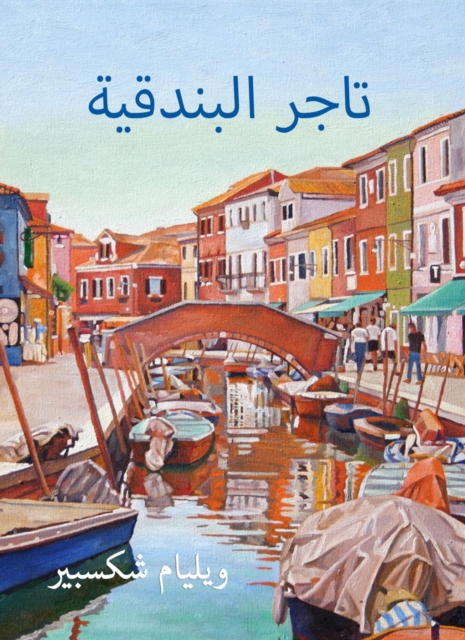
It is one of the most famous plays of the English writer William Shakespeare, and she had a continuous study by international critics, and anti -Jews' official orientation due to the events of the play that revolves around the city of Venice where the Christian merchant Antonio borrows the money from the Jewish lepper , The wealthy heir from Belont.
If the mere mention of Shakespeare fills you with dread, evoking memories of arduous afternoons spent in stuffy classrooms with eccentric English teachers, it is time to reconsider that far from being three-hour marathons of unintelligible boring rubbish, Shakespeare's plays are in fact exciting, tragic, funny and often downright rude - full of memorable plots, great insults, filthy jokes and eccentric characters.
Es geht um die Themen: Hunger, Obdachlosigkeit, Ungleichheit, Kommunikationsverzerrungen, Pädagogik, Eugenik und Liebe; dargestellt anhand von Szenen in einem Park, in dem Kinder gehalten und gepflegt werden.