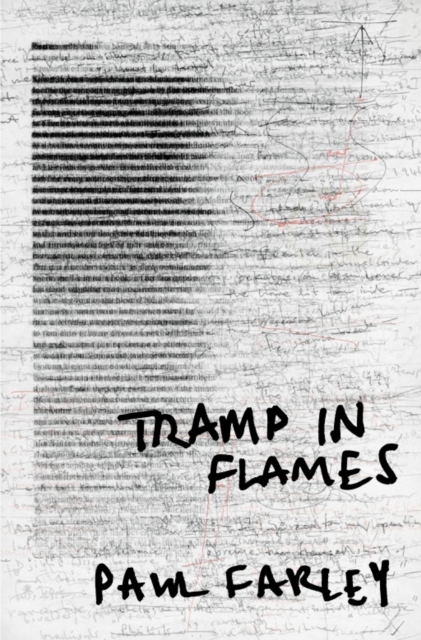
Following the exceptional acclaim for his first two books, Farley might have been forgiven for resting on his laurels with his 'difficult third' - but Tramp in Flames instead finds him driving his formal ambition and remarkable imagination harder than ever.
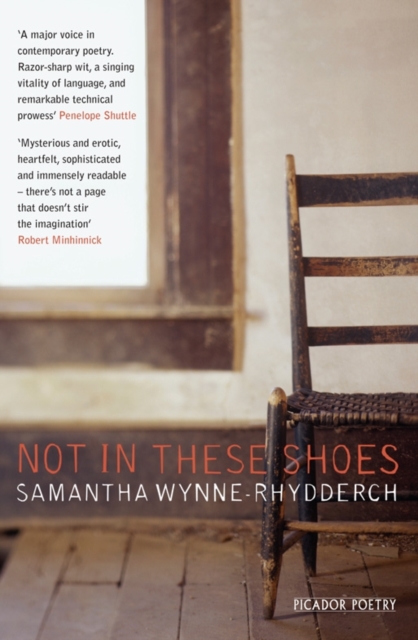
Samantha Wynne-Rhydderch's debut collection for Picador introduces a young poet with a remarkable range of imaginative tactics at her disposal, and seems to announce not one, but several new voices.
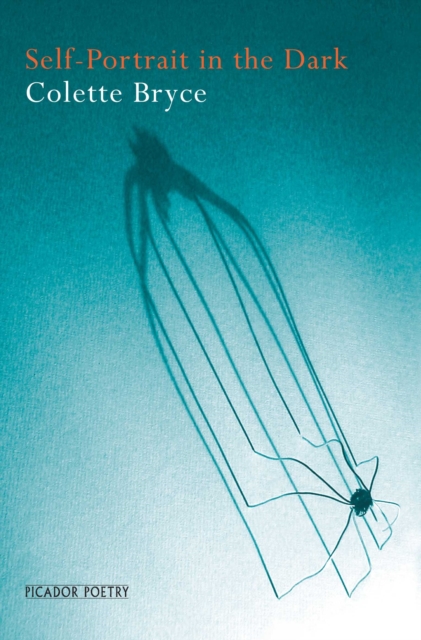
The dark attunes our eyes to detail the light can sometimes conceal; similarly, Colette Bryce's new poems are 'slant tellings' that reveal strange and true reflections.
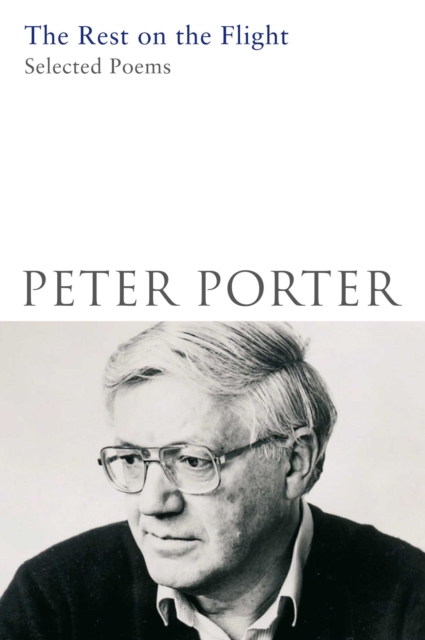
Satirist, philosopher, elegist, aphorist, cultural historian - Peter Porter is perhaps too singular a talent to be described as 'representative' of the age: an Australian whose easy familiarity with the breadth of European culture puts most Europeans to shame, he has long held the reputation of one of our most intellectually promiscuous and culturally sophisticated writers.
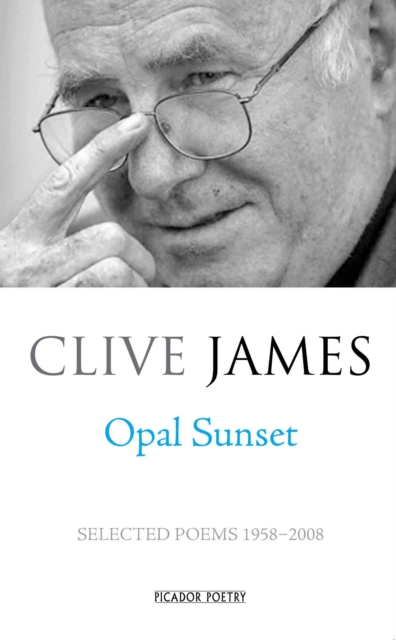
Selecting the very best of his work from over fifty years, Opal Sunset demonstrates Clive James as one of the most versatile and accomplished poets of the past half-century.
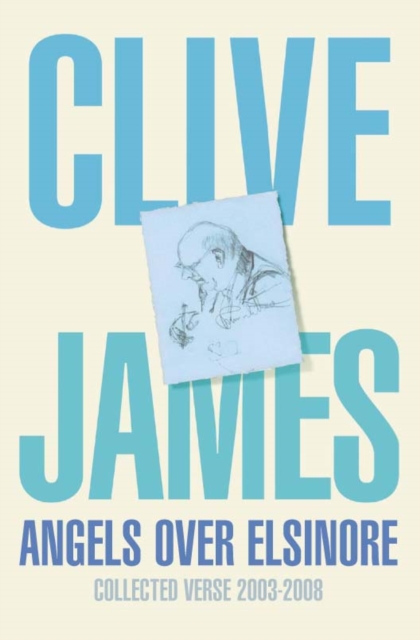
One of his most accomplished collections, Angels Over Elsinore brings together the finest poetry written between 2003-2008 by Clive James, much-loved broadcaster, poet and author of Unreliable Memoirs.
Whether writing of longing or seduction, of passion, adultery, or simple, everyday acts of love, Carol Ann Duffy perfectly captures the truth of each experience.
Carol Ann Duffy's beautiful anthology features an eclectic mix of poems that chart human fascination with the moon across the centuries and around the world.
1986, the last day of the summer holidays, and Christopher Hearsey is wondering why his best mate Arthur has suddenly disappeared, and whether lippy Gill Ross a few doors down might know anything about it.
WINNER OF THE 2006 FORWARD PRIZE In Scots, the verb 'swither' has two meanings: to be doubtful, to waver, to be in two minds; and to appear in shifting forms - indeterminate and volatile.
For several years now, Kathleen Jamie's work has addressed two principal concerns: how we negotiate with the natural world, and how we should define our conduct within family and society.
Carol Ann Duffy is the most humane and accessible poet of our time, and Rapture is essential reading for the broken-hearted of all ages' - Rose TremainThe effortless virtuosity, directness, drama and humanity of Carol Ann Duffy's verse have made her our most admired and best-loved contemporary poet.
Lorraine Mariner has long been one of the less well-guarded secrets in UK poetry, and her many admirers will be delighted by the appearance of her first full-length collection.
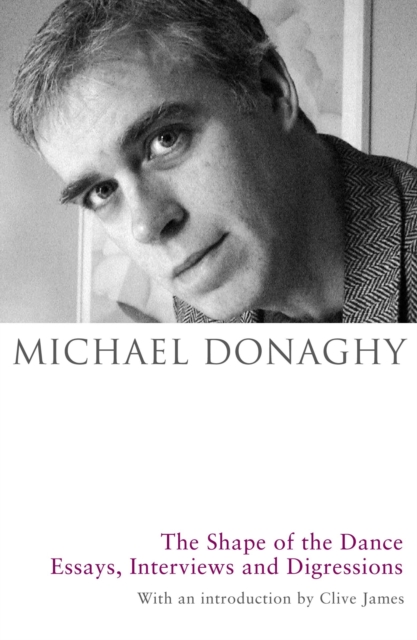
When Michael Donaghy died in 2004 at the age of fifty, he was one of the UK's best-known and best-loved poets; he was also a literary critic of the first rank.
Better Than God sees Porter working with a lyric engine tuned to perfection, and a mind that shows every sign of speeding up: Porter can make a song of what another writer might take an essay to cover.
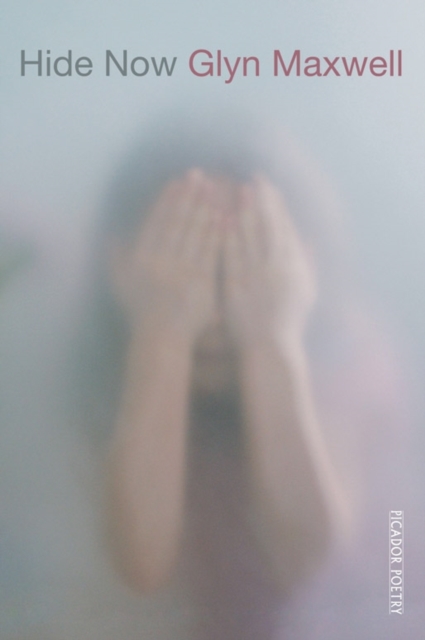
In Hide Now, Glyn Maxwell shows how the times have begun to warp time itself: in the poet's vision, the past rears up again with its angry ghosts, the present is racked by its martial and climatic nightmares, and the future has already come and gone.
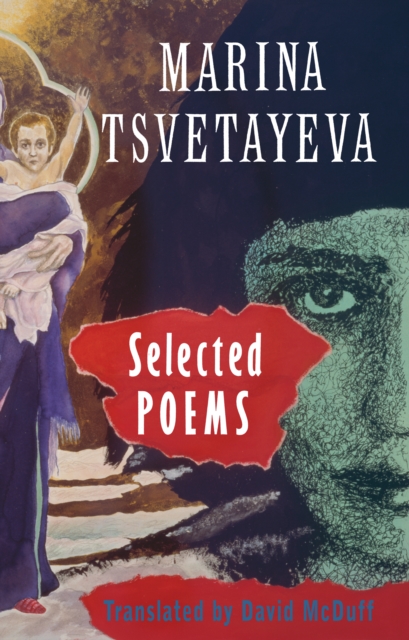
During the Stalin years Russia had four great poets to voice the feelings of her oppressed people: Pasternak, Akhmatova, Mandelstam and Marina Tsvetayeva.
** WINNER OF THE LAUREL PRIZE 2021 ****A SPECTATOR AND IRISH TIMES BOOK OF THE YEAR 2020****SHORTLISTED FOR THE SUNDAY TIMES / UNIVERSITY OF WARWICK YOUNG WRITER OF THE YEAR AWARD 2020****SHORTLISTED FOR THE JOHN POLLARD FOUNDATION INTERNATIONAL POETRY PRIZE 2021****SHORTLISTED FOR THE DALKEY LITERARY EMERGING WRITER OF THE YEAR AWARD 2021**A remarkable first collection by an important new poetIn this collection, Se n Hewitt gives us poems of a rare musicality and grace.
Lucid, lyrical, and intellectually profound: this collection of poems resonates with life and death, but mostly what falls in between: the charmed darkness.
A unique, intimate and beautiful exploration of grief, loss, healing and faith'This is a beautiful book, a remarkable, cadenced recollection of how grief lives in the body.
Like his two previous books, Asylum was written live on-site; in this case deep within the caves, mines, quarries, geological and archaeological horizons of the Mendip Hills in Somerset.
Bee Journal is a startlingly original poetry sequence: a poem-journal of beekeeping that chronicles the life of the hive, from the collection of a small nucleus on the first day to the capture of a swarm two years later.
Born around 630BC on the Greek island of Lesbos, Sappho is now regarded as the greatest lyrical poet of ancient Greece, ironic and passionate, capturing the troubled depths of love.
The perfect gift for anyone in your life, or a wonderful source of comfort for the self - this is a wonderfully heartfelt collection of thoughts and blessings that will heal, inspire, comfort and move.
Adam O'Riordan's remarkable first collection traces the hidden paths from past to present, from the lost to the living, seeking familiarity in a world of 'false trails and disappearing acts'.
A sensual feast of a novel, written with elegance, beauty, charm and skill in a voice that is both lyrical and uniqueSanta MontefioreEliza Acton, despite having never before boiled an egg, became one of the world's most successful cookery writers, revolutionizing cooking and cookbooks around the world.
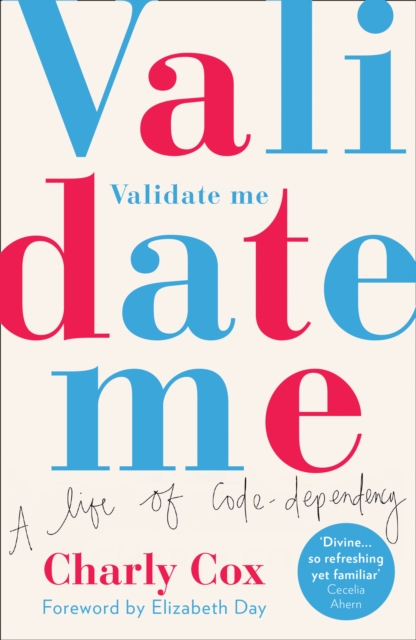
'Charly is social media's answer to Carol Ann Duffy' Sunday Times STYLE[Charly] is turning a new generation on to poetry' The TelegraphFrom the bestselling author of She Must Be Mad comes the second book of poetry and prose from Charly Cox.
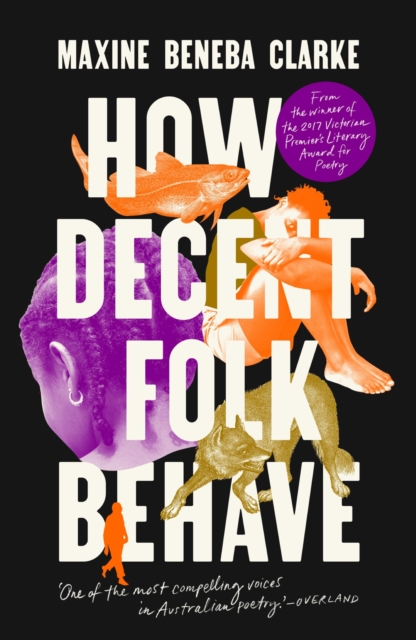
we are all just one small disasteraway from sinking, and sometimes you only realisewhen you're gasping for airOn a daylight street in Minneapolis Minnesota, a Black man is asphyxiated - by callous knee of an officer, by cruel might of state, and under crushing weight of colony.
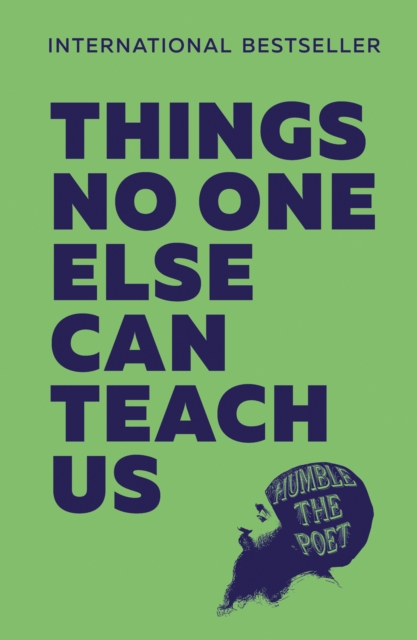
'Refreshing' Gary John Bishop, author of Unfu*k Yourself'The straight-talking best friend everyone needs' Lilly Singh, author of How to Be a BawseFailure.
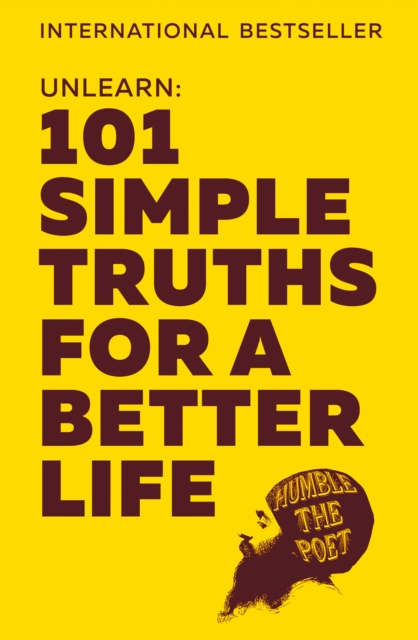
Forget what you think you knowInfluencer, rapper and spoken word artist Humble the Poet is here to revolutionise your life and help you reach your full potential.
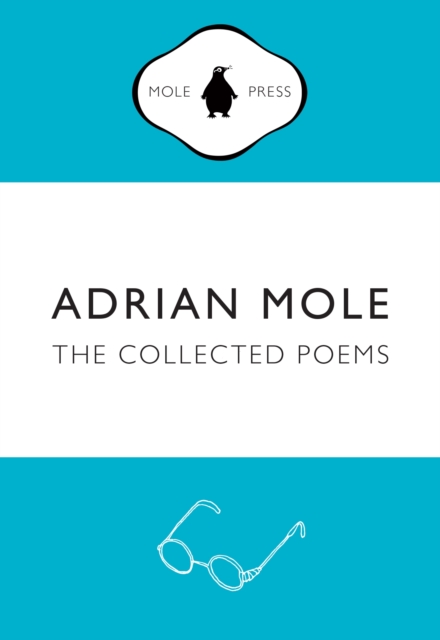
'It's really, really, really funny' David WalliamsMole Press - a brand new imprint of Penguin Books - is proud to announce the first publication of The Collected Poems of Adrian Mole to mark the author's 50TH birthday.