In The Chapter We Wrote, Len Kalane, former editor of the newspaper, tells not only the story of City Press, but also a tale of the stories and events that shaped contemporary South Africa.
When Neil Reynolds was first asked in 2003 whether he'd like to work in Iraq as a private military contractor, he didn't even know where it was on the map.
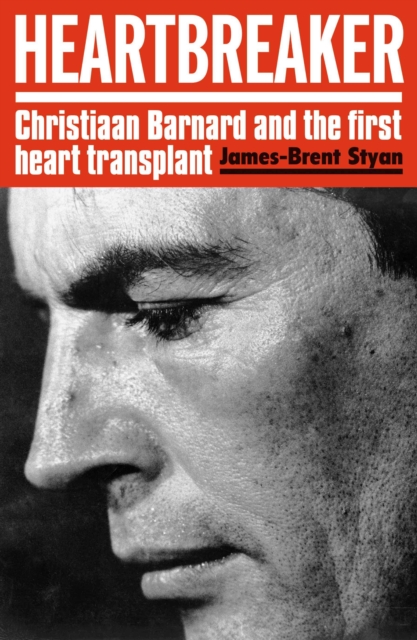
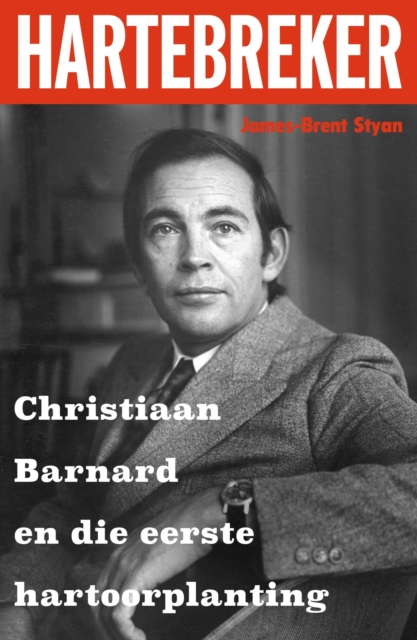
In this new biography of Chris Barnard we not only learn about the life of South Africa's most famous surgeon, from his Beaufort West childhood through his studies locally and abroad to his prominent marriages - and divorces - but James Styan also examines the impact of the historic heart transplant on Barnard's personal life and South African society at large, where apartheid legislation often made the difficulties of medicine even more convoluted.
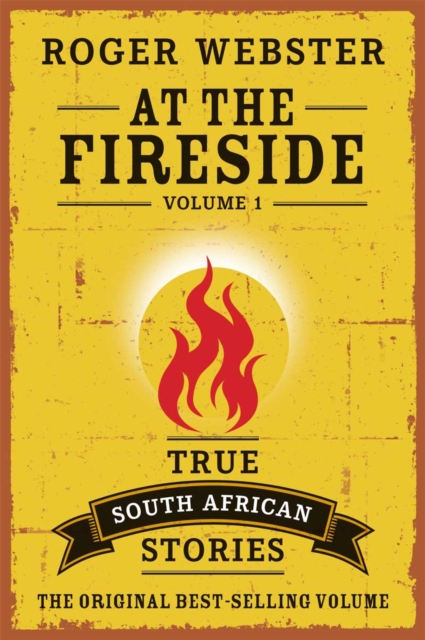
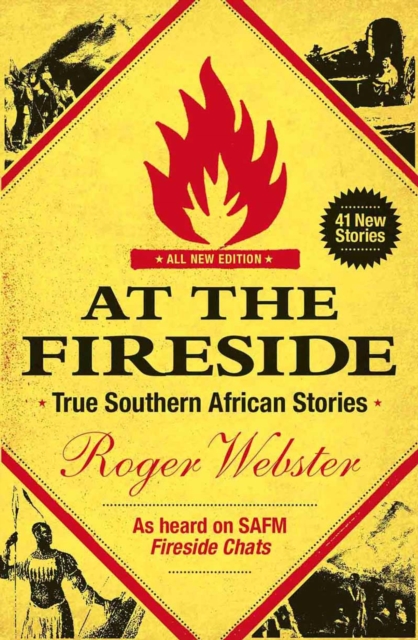
At the Fireside was born out of the need to preserve, retell and rekindle some of the stories of events and lives that have shaped and coloured South Africa.
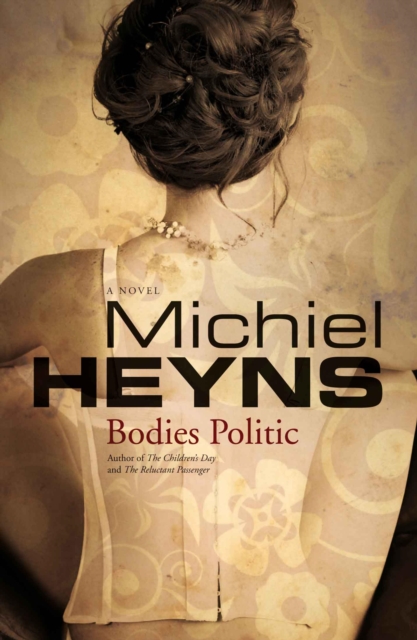
Set against the background of the struggle for votes for women and the looming tragedy of the First World War, Michiel Heyns's novel examines the private lives of the participants in these events, focused through the highly articulate accounts of three suffragettes: Emmeline Pankhurst, the formidable leader of the Women's Movement; her daughter Sylvia, 'the weeping suffragette'; and the enchanting Helen, who was loved by Harry, the neglected son of Emmeline and beloved brother of Sylvia.
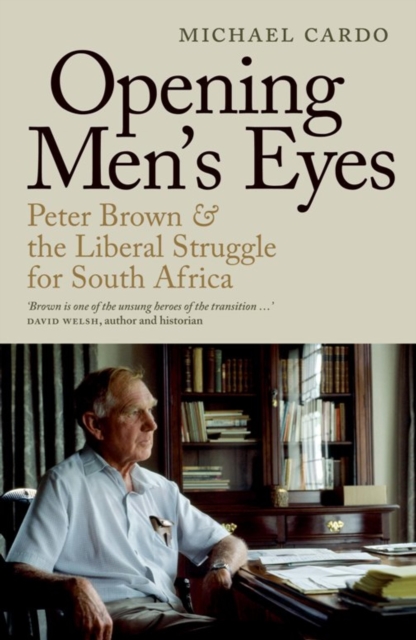
Peter Brown, leader of South Africa's Liberal Party until its demise in 1968, is one of the unsung heroes of South Africa's struggle against apartheid in pursuit of non-racial democracy.
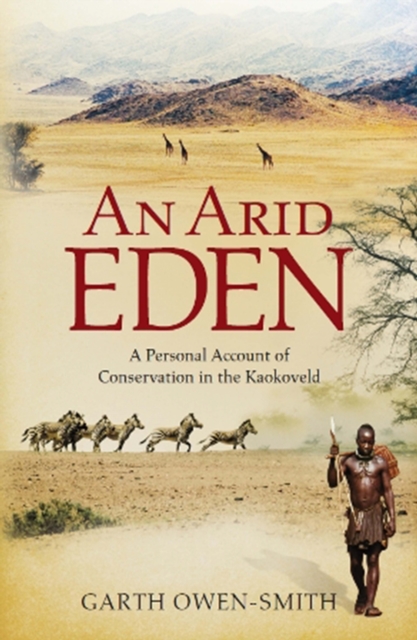
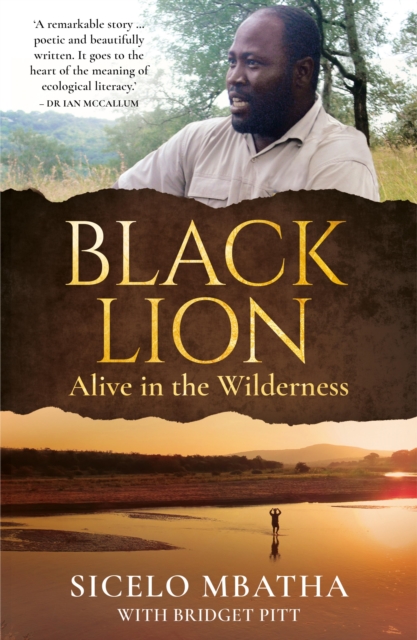
Two remarkable tales woven together - the story of the Kaokoveld, an arid eden in the remote north-west of Namibia, so nearly lost, but regained to become one of Africa's iconic wildlife tourism destinations, and also the story of a young man's search for an African way to do conservation in Africa.
Mind your Business is a compilation of the success stories of prominent South African businesspeople, from entrepreneurs to chief executives of multinational business giants.
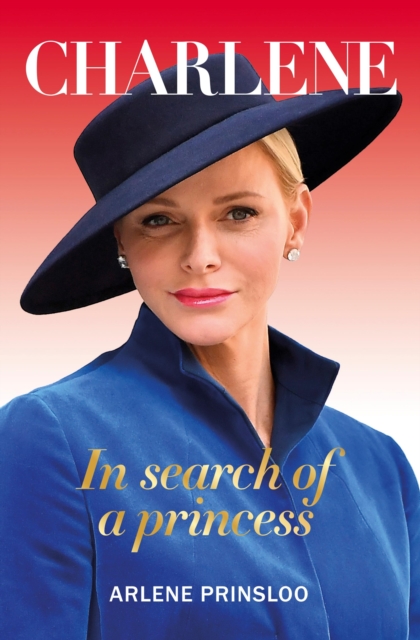
When Charlene Wittstock married Prince Albert of Monaco in a star-studded wedding watched by millions across the world in 2011, rumours of her getting cold feet and her unhappiness about his love children swirled around the couple.
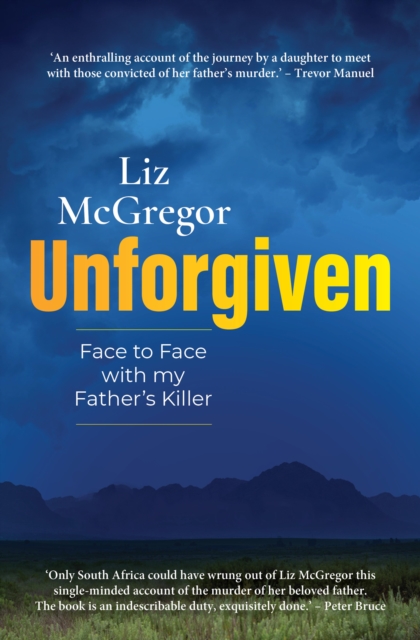
"e;Liz McGregor has always been a great journalist but only South Africa could have wrung out of her this single-minded account of the murder of her beloved father.
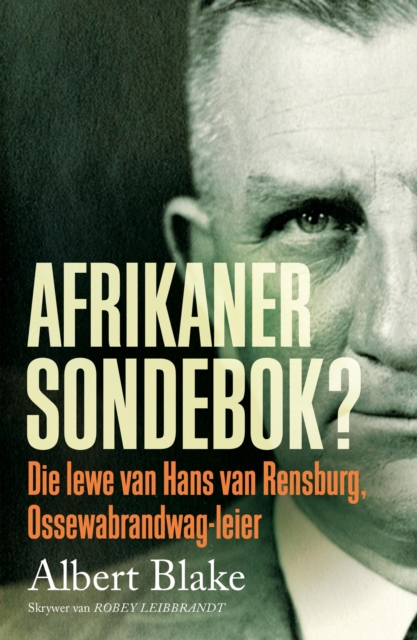
In die vroeë 1940's het die charismatiese Hans van Rensburg duisende volgelinge na die Ossewabrandwag gelok en die regering van Jan Smuts gekonfronteer oor sy deelname aan die Tweede Wêreldoorlog.
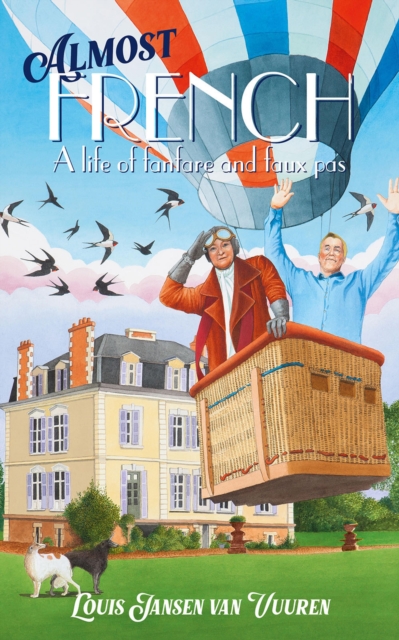
When he first visited Paris as a young student, artist Louis Jansen van Vuuren could never have imagined that one day he would end up owning a chateau in rural France.
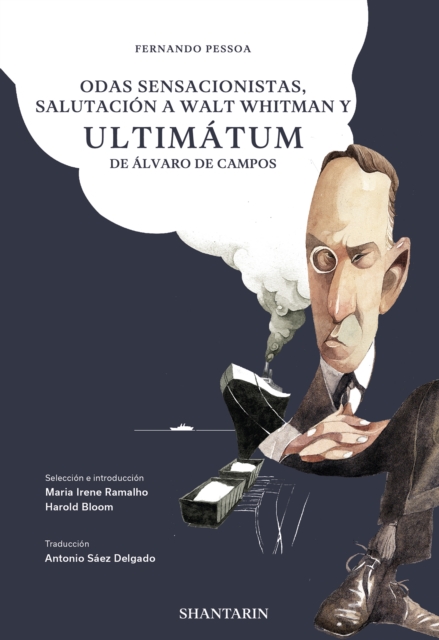
Fernando Pessoa es hoy un clásico de la literatura mundial, y para ese reconocimiento ha contribuido de forma certera la obra de crítica literaria más polémica de los últimos 30 años: El canon occidental, de Harold Bloom.
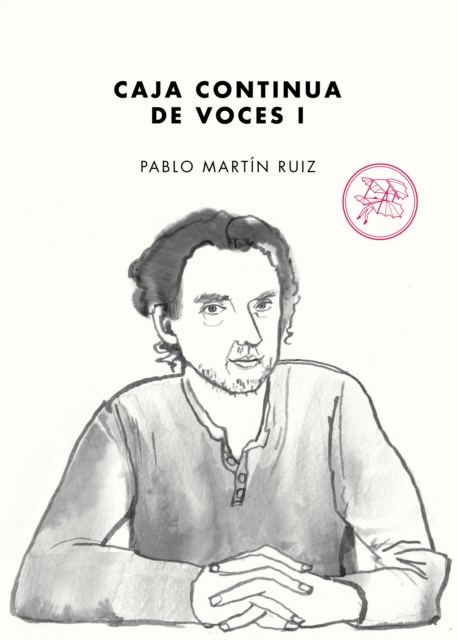
"El inusual torrente de textos que componen Caja continua de voces I lejos está de ser una magnética colección de misceláneas como puede parecer en una rápida y descuidada lectura.
La colección "Materiales" se propone rescatar de los archivos documentos que permitan revisar la historia intelectual latinoamericana desde una perspectiva renovada.
Aquesta monografia presenta una extensa guia per a la lectura de 'Tirant lo Blanc', la millor novel·la de la nostra literatura i un dels clàssics universals més rellevants.
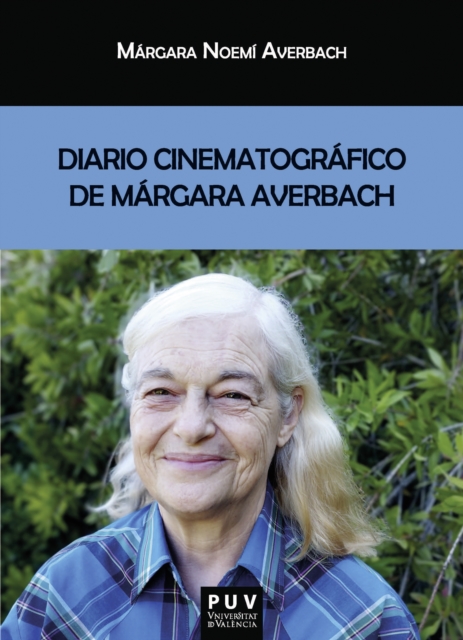
A partir de algunas de las reseñas de películas y series publicadas por la autora en Facebook entre 2015 y 2022, se plantean, entre muchas otras cuestiones, las siguientes preguntas: ¿en qué sentido son diferentes las reseñas que se publican en diarios y revistas de las que aparecen en redes sociales como Facebook?