This book, Talking About the Past, introduces readers to some of the key skills they will need to successfully find and interview older relatives, neighbours and other community figures in order to find out more about their family and local community's recent history.
This book, Finding Out About Your Family History, introduces readers to some of the key skills they will need to begin researching their family history and compiling a family tree.
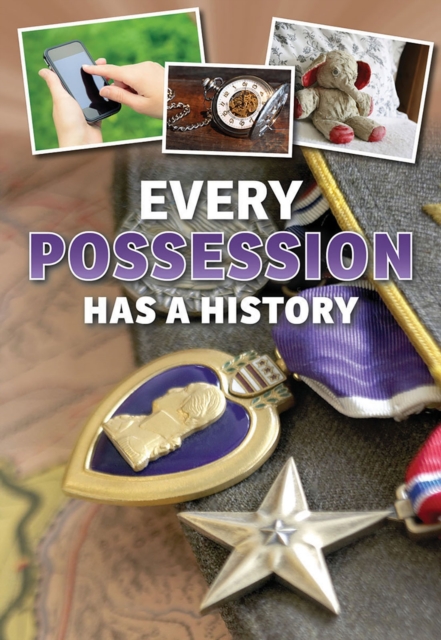
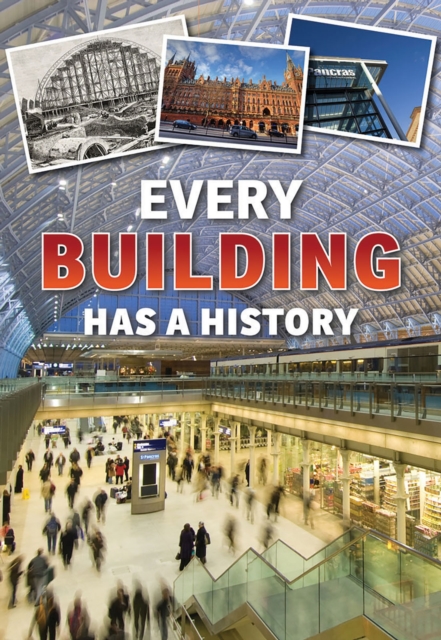
This book, History Around You, introduces readers to finding and analyzing primary and secondary sources that they might find at home (old letters, toys in the attic, family photographs, etc.
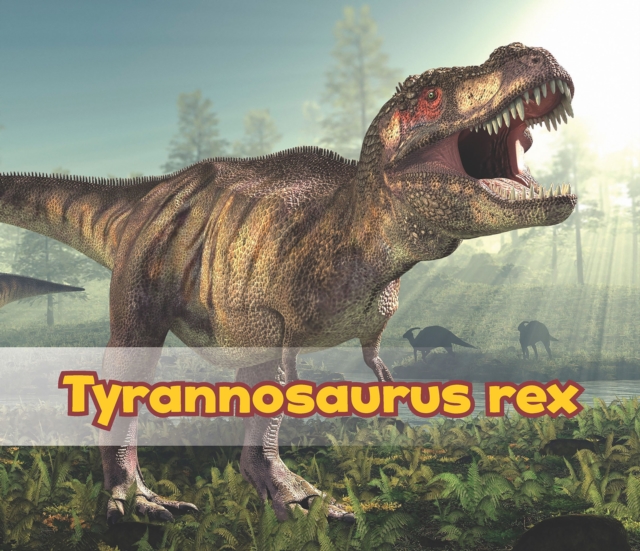
This book takes a very simple look at the Tyrannosaurus rex dinosaur, examining what it looked like, what it ate, how it behaved, and its special skills and features such as its enormous teeth and powerful jaws.
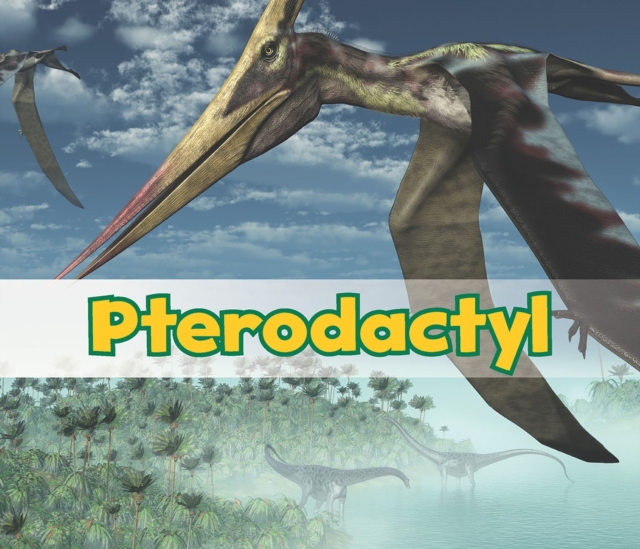
This book takes a very simple look at pterodactyls, examining what they looked like, what they ate, how they behaved, and their special features and skills such as their wings and their abiliity to fly.
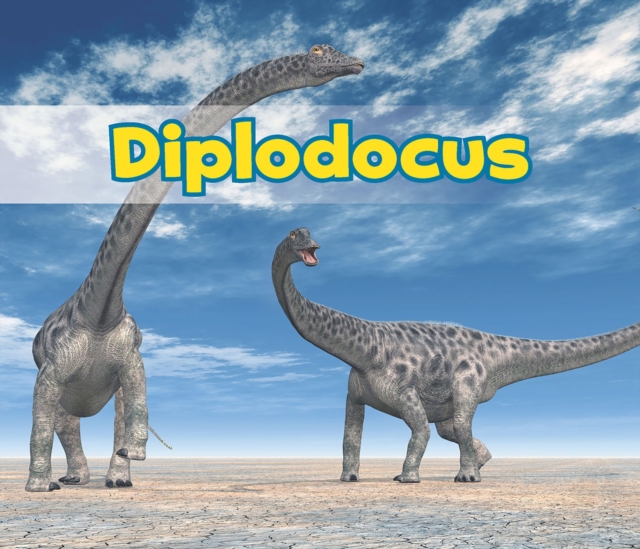
This book takes a very simple look at the Diplodocus dinosaur, examining what it looked like, what it ate, how it behaved, and its special skills and features such as its very long neck and tail.
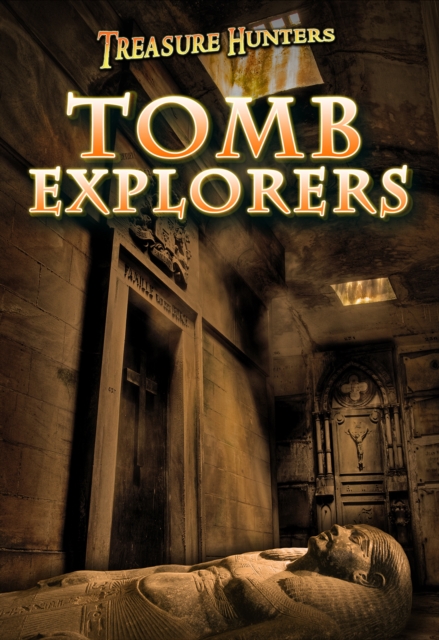
'Tomb Explorers' examines the hunt for and discovery of ancient tombs, and the valuable treasures they hold, whether that be gold and jewels, or important artefacts that offer us a window on to the past.
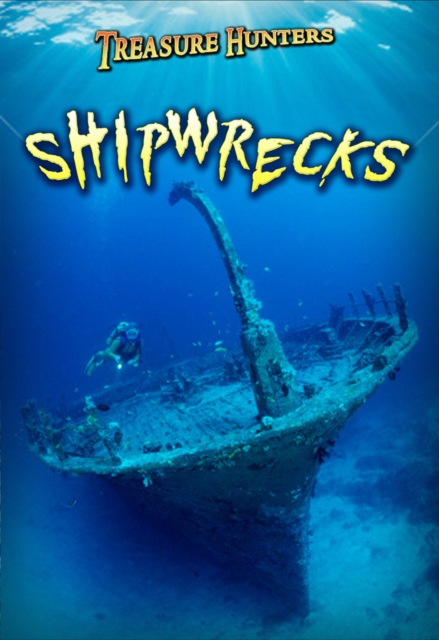
Shipwrecks examines the hunt for shipwrecks and the valuable treasures they hold, whether that be gold and jewels, or important artefacts that offer us a window on to the past.
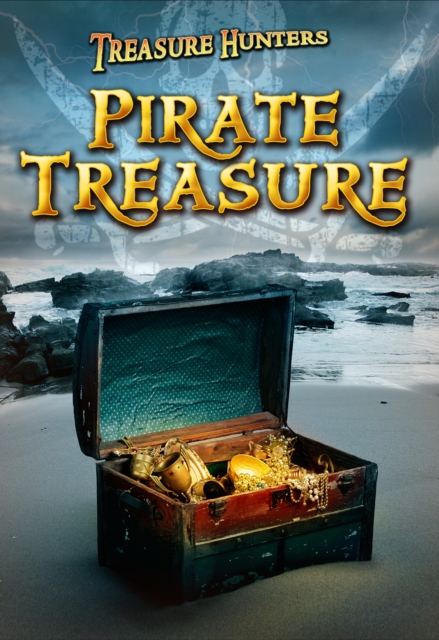
'Pirate Treasure' examines the hunt for treasures lost or hidden by pirates, and examines whether any of the legends of buried treasure could really be true.
'Ancient Treasures' examines the hunt for ancient treasure troves and hoards, whether they contain gold and jewels, or important artefacts that offer us a window on to the past.
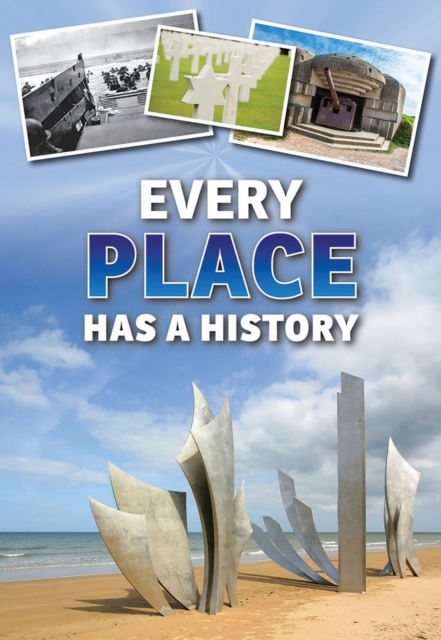
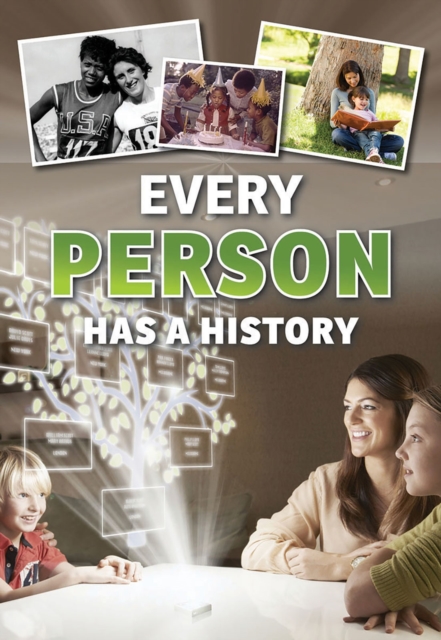
Historical figures, celebrities, mystery people in family photos, and the names of people on memorials, buildings, and products - we are surrounded by people whose background and history we can research.
Why did Mohandas Gandhi campaign so strongly for Indian independence from the British Empire, at a time when Japan was threatening the country's borders during World War II?
How did Winston Churchill inspire Britain and its Empire in the dark days of 1940, when defeat in World War II seemed imminent, and how did that lead to victory in the Battle of Britain?