The (ISC) Systems Security Certified Practitioner (SSCP ) certification is one of the most important credentials an information security practitioner can have.
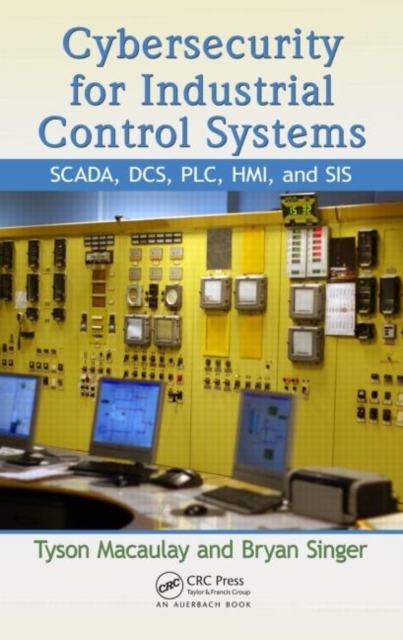
As industrial control systems (ICS), including SCADA, DCS, and other process control networks, become Internet-facing, they expose crucial services to attack.
From fundamental concepts and theories to implementation protocols and cutting-edge applications, the Handbook of Mobile Systems Applications and Services supplies a complete examination of the evolution of mobile services technologies.
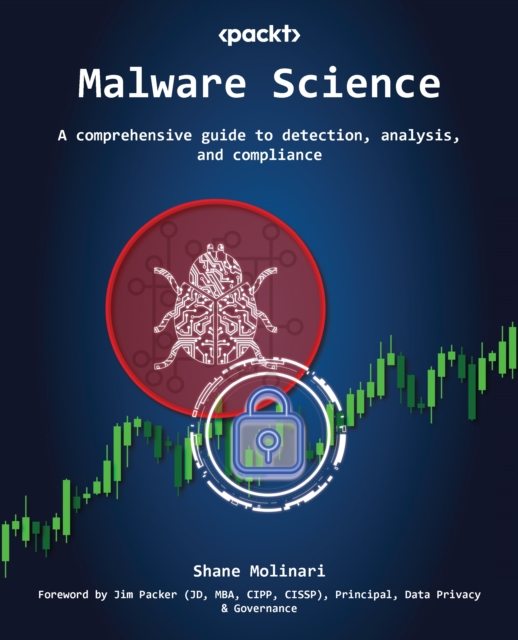
Unlock the secrets of malware data science with cutting-edge techniques, AI-driven analysis, and international compliance standards to stay ahead of the ever-evolving cyber threat landscapeKey FeaturesGet introduced to three primary AI tactics used in malware and detectionLeverage data science tools to combat critical cyber threatsUnderstand regulatory requirements for using AI in cyber threat managementPurchase of the print or Kindle book includes a free PDF eBookBook DescriptionIn today's world full of online threats, the complexity of harmful software presents a significant challenge for detection and analysis.
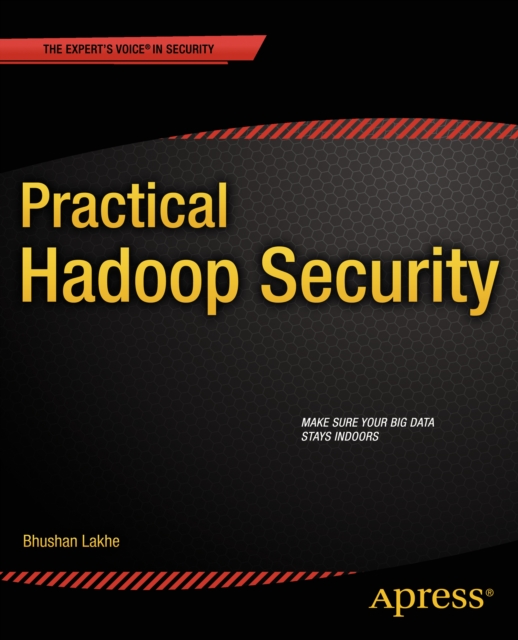
Practical Hadoop Security is an excellent resource for administrators planning a production Hadoop deployment who want to secure their Hadoop clusters.
Enterprise Cybersecurity empowers organizations of all sizes to defend themselves with next-generation cybersecurity programs against the escalating threat of modern targeted cyberattacks.
Cisco Routers for the Small Business provides, in plain English, a no-nonsense approach to setting up all the features of the Cisco IOS for a small business using broadband technologies.
THIS BOOK IS ABOUT FINDING, understanding, fixing, and preferably preventing bugs when creating desktop, network, and Web applications with Visual Basic (VB) .
Computer Security for the Home and Small Office addresses the long-neglected security needs of everyday users in the home, company workstation, and SOHO (small office/home office) categories, with emphasis on system hardening, eliminating malware, user and Internet privacy, encryption, and data hygiene.
Foundations of Security: What Every Programmer Needs to Know teaches new and current software professionals state-of-the-art software security design principles, methodology, and concrete programming techniques they need to build secure software systems.
Analyze Key Security Mechanisms and Approaches with this practical primer, the first book on the market to cover critical IPv6 security considerations.
From basic concepts to research grade material and future directions, the Near Field Communications Handbook provides comprehensive technical coverage of this rapidly emerging field.
Broadband networks, such as asynchronous transfer mode (ATM), frame relay, and leased lines, allow us to easily access multimedia services (data, voice, and video) in one package.
Originally designed as neutral entities, computerized bots are increasingly being used maliciously by online criminals in mass spamming events, fraud, extortion, identity theft, and software theft.
In the past several years, there has been an increasing trend in the use of Radio Frequency Identification (RFID) and Wireless Sensor Networks (WSNs) as well as in the integration of both systems due to their complementary nature, flexible combination, and the demand for ubiquitous computing.
Identifies Recent Technological Developments WorldwideThe field of grid computing has made rapid progress in the past few years, evolving and developing in almost all areas, including concepts, philosophy, methodology, and usages.
This book features high-quality research papers presented at the 6th International Conference on Computational Intelligence in Pattern Recognition (CIPR 2024), held at Maharaja Sriram Chandra Bhanja Deo University (MSCB University), Baripada, Odisha, India, during March 15-16, 2024.
A compilation of the fundamental knowledge, skills, techniques, and tools require by all security professionals, Information Security Handbook, Sixth Edition sets the standard on which all IT security programs and certifications are based.
Clearly, nature has been very effective in creating organisms that are capable of protecting themselves against a wide variety of pathogens such as bacteria, fungi, and parasites.
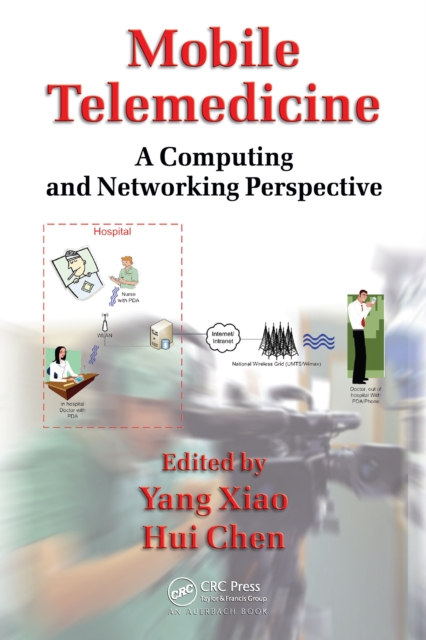
Advances in the area of wireless and mobile telemedicine to diagnose and treat patients have drawn growing attention from healthcare providers and recipients, industry, researchers, and governments.
Information security teams are charged with developing and maintaining a set of documents that will protect the assets of an enterprise from constant threats and risks.
The goal of Unlicensed Mobile Access (UMA) is to provide seamless access to GSM and GPRS mobile service networks via unlicensed spectrum technologies, including Bluetooth, WiMAX, and Wi-Fi.
Focusing on three applications of data mining, Design and Implementation of Data Mining Tools explains how to create and employ systems and tools for intrusion detection, Web page surfing prediction, and image classification.
As the demand for broadband services continues to grow worldwide, traditional solutions, such as digital cable and fiber optics, are often difficult and expensive to implement, especially in rural and remote areas.
From the Rosetta Stone to public-key cryptography, the art and science of cryptology has been used to unlock the vivid history of ancient cultures, to turn the tide of warfare, and to thwart potential hackers from attacking computer systems.
Divided into two major parts, Enhancing Computer Security with Smart Technology introduces the problems of computer security to researchers with a machine learning background, then introduces machine learning concepts to computer security professionals.
Routers, switches, and transmission equipment form the backbone of the Internet, yet many users and service technicians do not understand how these nodes really work.
Unlike data communications of the past, today's networks consist of numerous devices that handle the data as it passes from the sender to the receiver.
Organized into three parts, Resource, Mobility, and Security Management in Wireless Networks and Mobile Communications examines the inherent constraint of limited bandwidth and unreliable time-varying physical link in the wireless system, discusses the demand to realize the service continuity in the single-hop or multi-hop wireless networks, and explores trusted communication in mobile computing scenarios.
Practical Hacking Techniques and Countermeasures examines computer security from the hacker's perspective, demonstrating how a security system can be designed and structured to repel an attack.