The two-volume set LNCS 11961 and 11962 constitutes the thoroughly refereed proceedings of the 25th International Conference on MultiMedia Modeling, MMM 2020, held in Daejeon, South Korea, in January 2020.
The two-volume set LNBI 11465 and LNBI 11466 constitutes the proceedings of the 7th International Work-Conference on Bioinformatics and Biomedical Engineering, IWBBIO 2019, held in Granada, Spain, in May 2019.
Create real-world machine learning solutions using NumPy, pandas, matplotlib, and scikit-learnKey FeaturesDevelop a range of healthcare analytics projects using real-world datasetsImplement key machine learning algorithms using a range of libraries from the Python ecosystemAccomplish intermediate-to-complex tasks by building smart AI applications using neural network methodologiesBook DescriptionMachine Learning (ML) has changed the way organizations and individuals use data to improve the efficiency of a system.
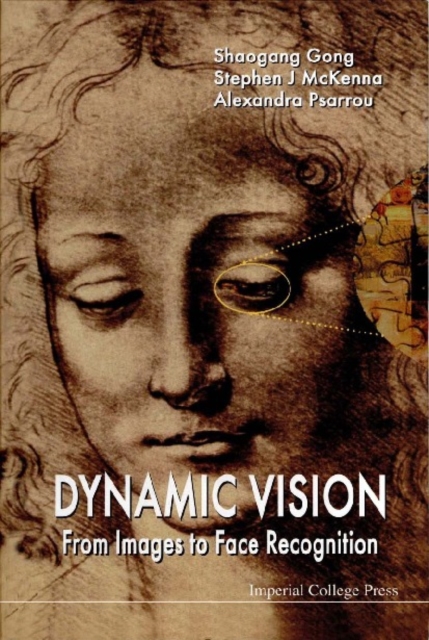
Face recognition is a task that the human vision system seems to perform almost effortlessly, yet the goal of building computer-based systems with comparable capabilities has proven to be difficult.
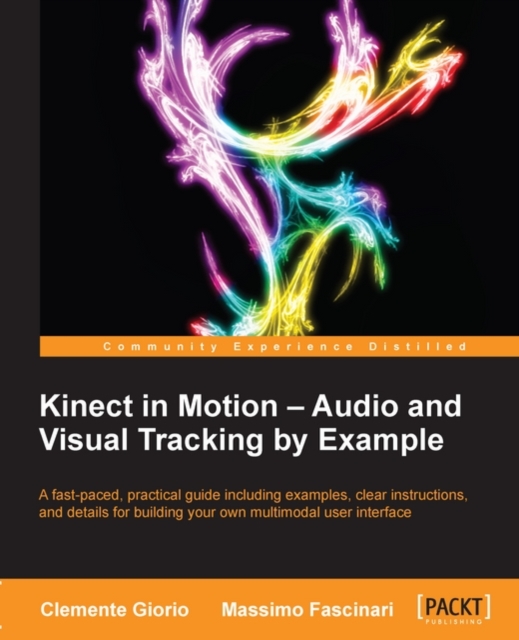
Start building for the Kinect today by capturing gestures, movements, and spoken voice commandsKey FeaturesStep-by-step examples on how to master the essential features of Kinect technologyFully-functioning code samples ready to expand and adjust to your needCompact and handy reference on how to adopt a multimodal user interface in your applicationBook DescriptionKinect is a motion-sensing input device by Microsoft for the Xbox 360 video game console and Windows PCs.
Create end-to-end systems that can power robots with artificial vision and deep learning techniquesKey FeaturesStudy ROS, the main development framework for robotics, in detailLearn all about convolutional neural networks, recurrent neural networks, and roboticsCreate a chatbot to interact with the robotBook DescriptionArtificial Vision and Language Processing for Robotics begins by discussing the theory behind robots.
Leverage the power of Java and deep learning to build production-grade Computer Vision applications Key FeaturesBuild real-world Computer Vision applications using the power of neural networks Implement image classification, object detection, and face recognitionKnow best practices on effectively building and deploying deep learning models in JavaBook DescriptionAlthough machine learning is an exciting world to explore, you may feel confused by all of its theoretical aspects.
This book provides an extensive examination of state-of-the-art methods in multimodal retrieval, generation, and the pioneering field of retrieval-augmented generation.
Develop generative models for a variety of real-world use-cases and deploy them to productionKey FeaturesDiscover various GAN architectures using Python and Keras libraryUnderstand how GAN models function with the help of theoretical and practical examplesApply your learnings to become an active contributor to open source GAN applicationsBook DescriptionGenerative Adversarial Networks (GANs) have revolutionized the fields of machine learning and deep learning.
Explore Keras, scikit-image, open source computer vision (OpenCV), Matplotlib, and a wide range of other Python tools and frameworks to solve real-world image processing problemsKey FeaturesDiscover solutions to complex image processing tasks using Python tools such as scikit-image and KerasLearn popular concepts such as machine learning, deep learning, and neural networks for image processingExplore common and not-so-common challenges faced in image processingBook DescriptionWith the advancements in wireless devices and mobile technology, there's increasing demand for people with digital image processing skills in order to extract useful information from the ever-growing volume of images.
Create end-to-end systems that can power robots with artificial vision and deep learning techniquesKey FeaturesStudy ROS, the main development framework for robotics, in detailLearn all about convolutional neural networks, recurrent neural networks, and roboticsCreate a chatbot to interact with the robotBook DescriptionArtificial Vision and Language Processing for Robotics begins by discussing the theory behind robots.
Leverage the power of Java and deep learning to build production-grade Computer Vision applications Key FeaturesBuild real-world Computer Vision applications using the power of neural networks Implement image classification, object detection, and face recognitionKnow best practices on effectively building and deploying deep learning models in JavaBook DescriptionAlthough machine learning is an exciting world to explore, you may feel confused by all of its theoretical aspects.
Fun and exciting projects to learn what artificial minds can createKey FeaturesCode examples are in TensorFlow 2, which make it easy for PyTorch users to follow alongLook inside the most famous deep generative models, from GPT to MuseGANLearn to build and adapt your own models in TensorFlow 2.
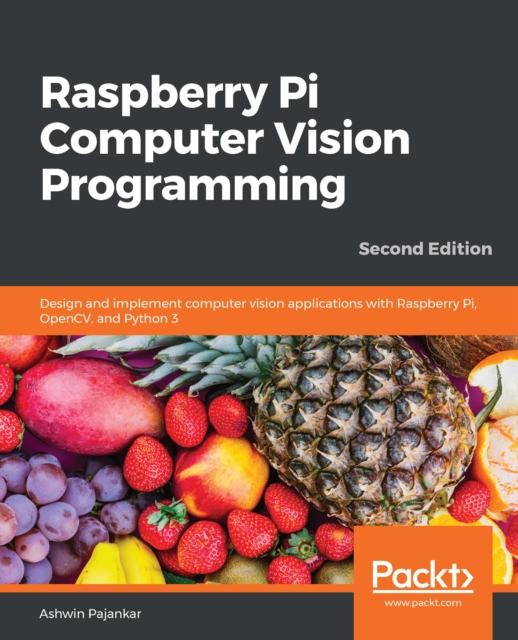
Perform a wide variety of computer vision tasks such as image processing and manipulation, feature and object detection, and image restoration to build real-life computer vision applicationsKey FeaturesExplore the potential of computer vision with Raspberry Pi and Python programmingPerform computer vision tasks such as image processing and manipulation using OpenCV and Raspberry PiDiscover easy-to-follow examples and screenshots to implement popular computer vision techniques and applicationsBook DescriptionRaspberry Pi is one of the popular single-board computers of our generation.
Gain a working knowledge of advanced machine learning and explore Python's powerful tools for extracting data from images and videosKey FeaturesImplement image classification and object detection using machine learning and deep learningPerform image classification, object detection, image segmentation, and other Computer Vision tasksCrisp content with a practical approach to solving real-world problems in Computer VisionBook DescriptionPython is the ideal programming language for rapidly prototyping and developing production-grade codes for image processing and Computer Vision with its robust syntax and wealth of powerful libraries.
Gain expertise in advanced deep learning domains such as neural networks, meta-learning, graph neural networks, and memory augmented neural networks using the Python ecosystemKey FeaturesGet to grips with building faster and more robust deep learning architecturesInvestigate and train convolutional neural network (CNN) models with GPU-accelerated libraries such as TensorFlow and PyTorchApply deep neural networks (DNNs) to computer vision problems, NLP, and GANsBook DescriptionIn order to build robust deep learning systems, you'll need to understand everything from how neural networks work to training CNN models.
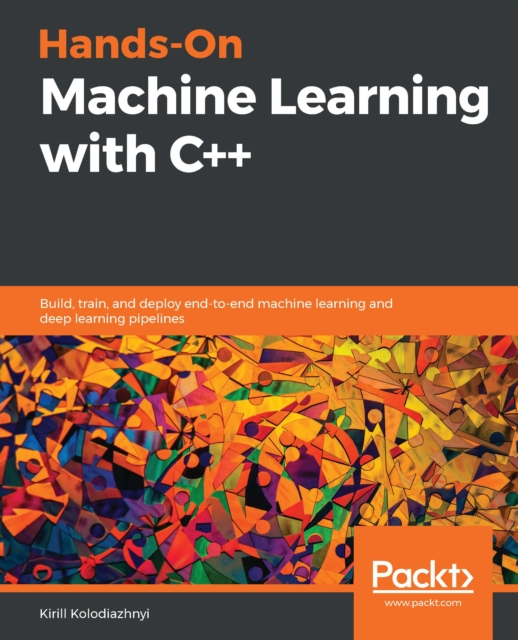
Implement supervised and unsupervised machine learning algorithms using C++ libraries such as PyTorch C++ API, Caffe2, Shogun, Shark-ML, mlpack, and dlib with the help of real-world examples and datasetsKey FeaturesBecome familiar with data processing, performance measuring, and model selection using various C++ librariesImplement practical machine learning and deep learning techniques to build smart modelsDeploy machine learning models to work on mobile and embedded devicesBook DescriptionC++ can make your machine learning models run faster and more efficiently.
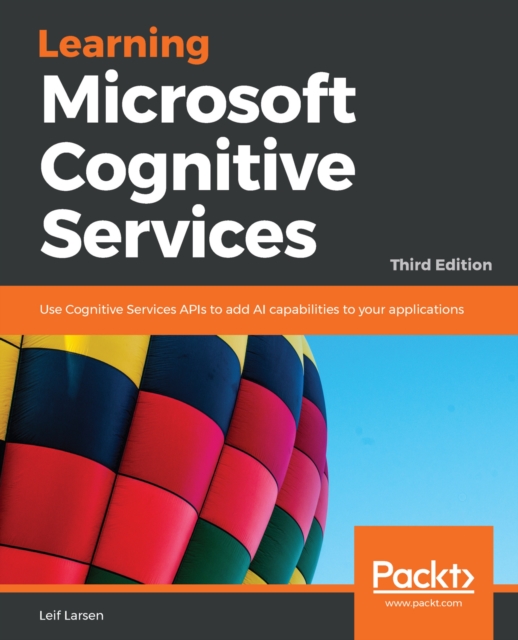
Explore a range of Cognitive Services APIs to integrate human-like cognitive capabilities in your applicationsKey FeaturesBuild applications with computer vision, speech recognition, and language processing capabilitiesProcess and analyze data in the form of text, images, and videosBuild smarter applications in Visual Studio using real-world examplesBook DescriptionMicrosoft Cognitive Services is a set of APIs for integrating artificial intelligence in your applications to solve logical business problems.
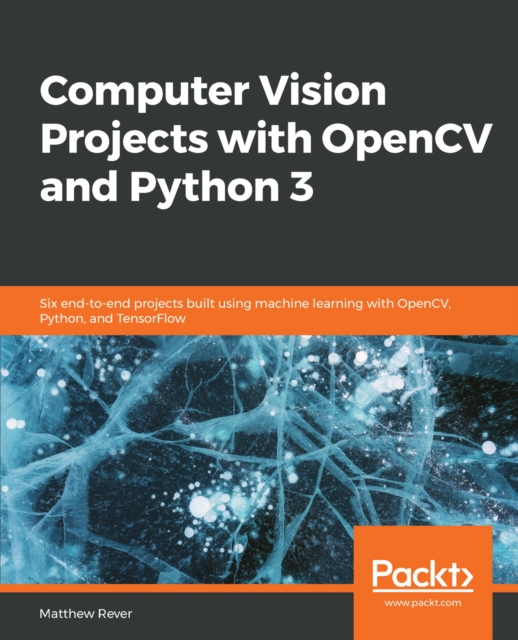
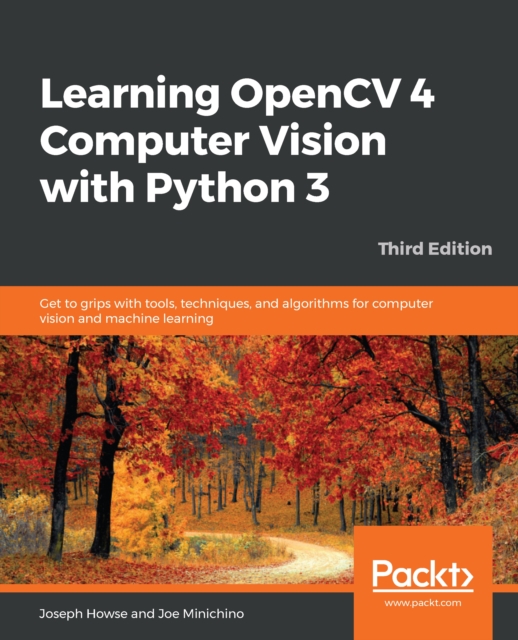
Updated for OpenCV 4 and Python 3, this book covers the latest on depth cameras, 3D tracking, augmented reality, and deep neural networks, helping you solve real-world computer vision problems with practical codeKey FeaturesBuild powerful computer vision applications in concise code with OpenCV 4 and Python 3Learn the fundamental concepts of image processing, object classification, and 2D and 3D trackingTrain, use, and understand machine learning models such as Support Vector Machines (SVMs) and neural networksBook DescriptionComputer vision is a rapidly evolving science, encompassing diverse applications and techniques.
Create real-world machine learning solutions using NumPy, pandas, matplotlib, and scikit-learnKey FeaturesDevelop a range of healthcare analytics projects using real-world datasetsImplement key machine learning algorithms using a range of libraries from the Python ecosystemAccomplish intermediate-to-complex tasks by building smart AI applications using neural network methodologiesBook DescriptionMachine Learning (ML) has changed the way organizations and individuals use data to improve the efficiency of a system.
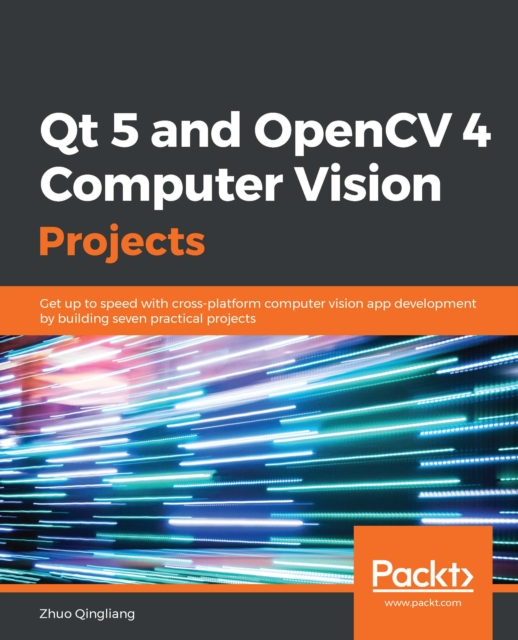
Create image processing, object detection and face recognition apps by leveraging the power of machine learning and deep learning with OpenCV 4 and Qt 5Key FeaturesGain practical insights into code for all projects covered in this bookUnderstand modern computer vision concepts such as character recognition, image processing and modificationLearn to use a graphics processing unit (GPU) and its parallel processing power for filtering images quicklyBook DescriptionOpenCV and Qt have proven to be a winning combination for developing cross-platform computer vision applications.
Explore OpenCV 4 to create visually appealing cross-platform computer vision applicationsKey FeaturesUnderstand basic OpenCV 4 concepts and algorithmsGrasp advanced OpenCV techniques such as 3D reconstruction, machine learning, and artificial neural networksWork with Tesseract OCR, an open-source library to recognize text in imagesBook DescriptionOpenCV is one of the best open source libraries available, and can help you focus on constructing complete projects on image processing, motion detection, and image segmentation.
Simplify next-generation deep learning by implementing powerful generative models using Python, TensorFlow and KerasKey FeaturesUnderstand the common architecture of different types of GANsTrain, optimize, and deploy GAN applications using TensorFlow and KerasBuild generative models with real-world data sets, including 2D and 3D dataBook DescriptionDeveloping Generative Adversarial Networks (GANs) is a complex task, and it is often hard to find code that is easy to understand.
Build and train scalable neural network models on various platforms by leveraging the power of Caffe2Key FeaturesMigrate models trained with other deep learning frameworks on Caffe2Integrate Caffe2 with Android or iOS and implement deep learning models for mobile devicesLeverage the distributed capabilities of Caffe2 to build models that scale easilyBook DescriptionCaffe2 is a popular deep learning library used for fast and scalable training and inference of deep learning models on various platforms.
Turn futuristic ideas about computer vision and machine learning into demonstrations that are both functional and entertainingKey FeaturesBuild OpenCV 4 apps with Python 2 and 3 on desktops and Raspberry Pi, Java on Android, and C# in UnityDetect, classify, recognize, and measure real-world objects in real-timeWork with images from diverse sources, including the web, research datasets, and various camerasBook DescriptionOpenCV 4 is a collection of image processing functions and computer vision algorithms.
A practical guide to building high performance systems for object detection, segmentation, video processing, smartphone applications, and moreKey FeaturesDiscover how to build, train, and serve your own deep neural networks with TensorFlow 2 and KerasApply modern solutions to a wide range of applications such as object detection and video analysisLearn how to run your models on mobile devices and web pages and improve their performanceBook DescriptionComputer vision solutions are becoming increasingly common, making their way into fields such as health, automobile, social media, and robotics.
Bring a new degree of interconnectivity to your world by building your own intelligent robotsKey FeaturesLeverage fundamentals of AI and roboticsWork through use cases to implement various machine learning algorithmsExplore Natural Language Processing (NLP) concepts for efficient decision making in robotsBook DescriptionArtificial Intelligence for Robotics starts with an introduction to Robot Operating Systems (ROS), Python, robotic fundamentals, and the software and tools that are required to start out with robotics.
Learn how to deploy effective deep learning solutions on cross-platform applications built using TensorFlow Lite, ML Kit, and FlutterKey FeaturesWork through projects covering mobile vision, style transfer, speech processing, and multimedia processingCover interesting deep learning solutions for mobileBuild your confidence in training models, performance tuning, memory optimization, and neural network deployment through every projectBook DescriptionDeep learning is rapidly becoming the most popular topic in the mobile app industry.
Implement supervised and unsupervised machine learning algorithms using C++ libraries such as PyTorch C++ API, Caffe2, Shogun, Shark-ML, mlpack, and dlib with the help of real-world examples and datasetsKey FeaturesBecome familiar with data processing, performance measuring, and model selection using various C++ librariesImplement practical machine learning and deep learning techniques to build smart modelsDeploy machine learning models to work on mobile and embedded devicesBook DescriptionC++ can make your machine learning models run faster and more efficiently.
Explore OpenCV 4 to create visually appealing cross-platform computer vision applicationsKey FeaturesUnderstand basic OpenCV 4 concepts and algorithmsGrasp advanced OpenCV techniques such as 3D reconstruction, machine learning, and artificial neural networksWork with Tesseract OCR, an open-source library to recognize text in imagesBook DescriptionOpenCV is one of the best open source libraries available, and can help you focus on constructing complete projects on image processing, motion detection, and image segmentation.
Explore machine learning concepts using the latest numerical computing library - TensorFlow - with the help of this comprehensive cookbookKey Features[*] Your quick guide to implementing TensorFlow in your day-to-day machine learning activities[*] Learn advanced techniques that bring more accuracy and speed to machine learning[*] Upgrade your knowledge to the second generation of machine learning with this guide on TensorFlowBook DescriptionTensorFlow is an open source software library for Machine Intelligence.
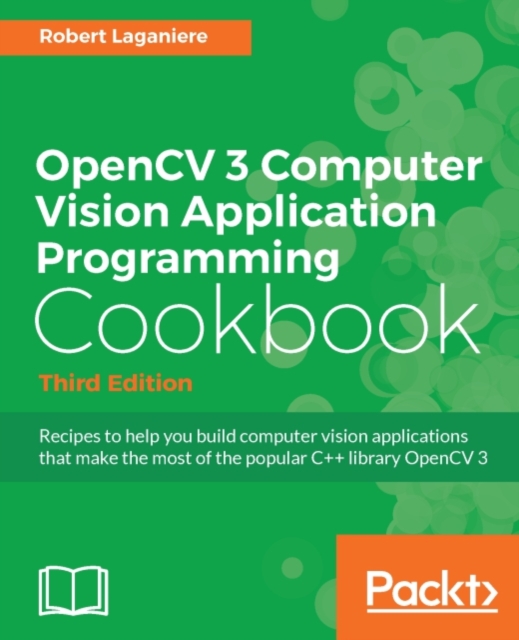
Recipes to help you build computer vision applications that make the most of the popular C++ library OpenCV 3Key Features[*]Written to the latest, gold-standard specification of OpenCV 3[*]Master OpenCV, the open source library of the computer vision community[*]Master fundamental concepts in computer vision and image processing[*]Learn about the important classes and functions of OpenCV with complete working examples applied to real imagesBook DescriptionMaking your applications see has never been easier with OpenCV.
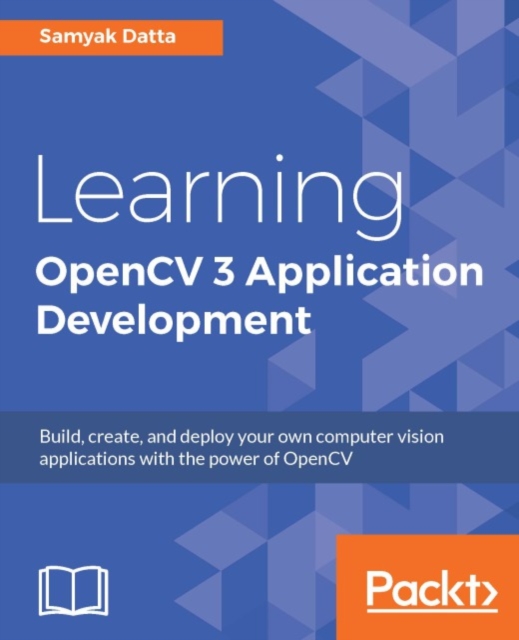
Build, create, and deploy your own computer vision applications with the power of OpenCVKey Features[*] This book provides hands-on examples that cover the major features that are part of any important Computer Vision application[*] It explores important algorithms that allow you to recognize faces, identify objects, extract features from images, help your system make meaningful predictions from visual data, and much more[*] All the code examples in the book are based on OpenCV 3.
Build, create, and deploy your own computer vision applications with the power of OpenCVKey Features[*] This book provides hands-on examples that cover the major features that are part of any important Computer Vision application[*] It explores important algorithms that allow you to recognize faces, identify objects, extract features from images, help your system make meaningful predictions from visual data, and much more[*] All the code examples in the book are based on OpenCV 3.
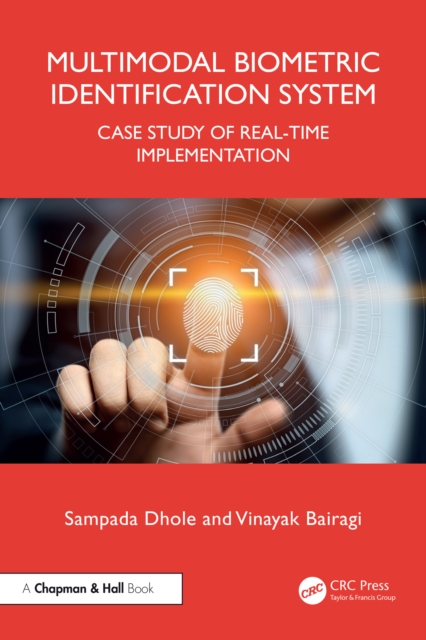
This book presents a novel method of multimodal biometric fusion using a random selection of biometrics, which covers a new method of feature extraction, a new framework of sensor-level and feature-level fusion.