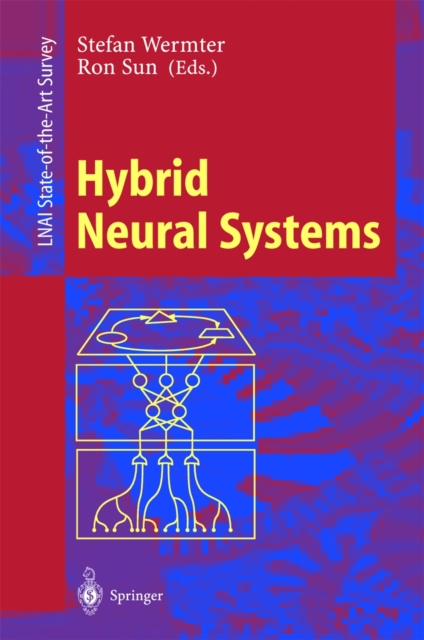
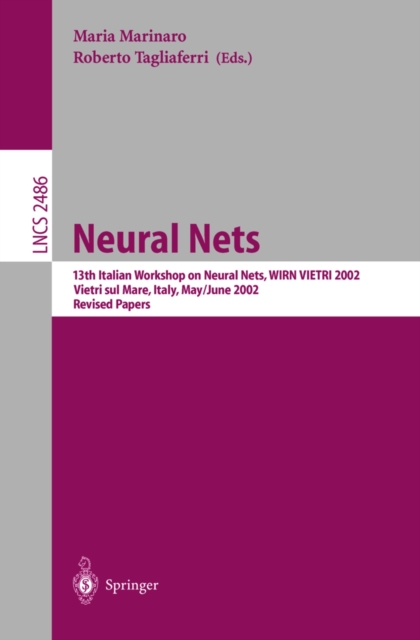
Hybrid neural systems are computational systems which are based mainly on artificial neural networks and allow for symbolic interpretation or interaction with symbolic components.
This book constitutes the thoroughly refereed post-proceedings of the 7th International Workshop on Job Scheduling Strategies for Parallel Processing, JSSPP 2001, held in Cambridge, MA, USA, in June 2001.
This book constitutes the refereed proceedings of the 11th International Conference on Computer Aided Verification, CAV'99, held in Trento, Italy in July 1999 as part of FLoC'99.
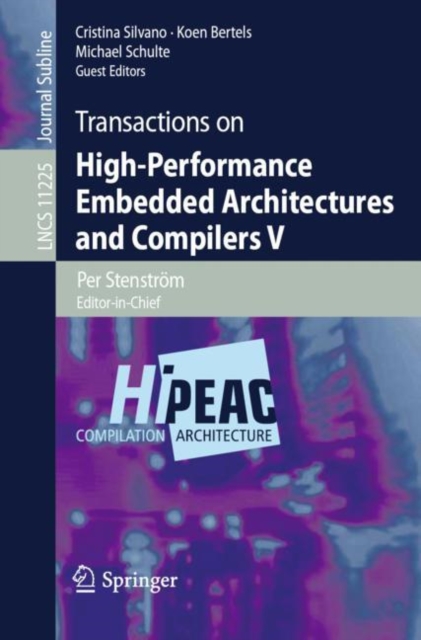
Transactions on HiPEAC aims at the timely dissemination of research contributions in computer architecture and compilation methods for high-performance embedded computer systems.
This book constitutes the refereed proceedings of the 5th International Workshop on Hybrid Systems: Computation and Control, HSCC 2002, held in Stanford, California, USA, in March 2002.
Parallel Virtual Machine (PVM) and Message Passing Interface (MPI) are the most frequently used tools for programming according to the message passing paradigm, which is considered one of the best ways to develop parallel applications.
This book contains the papers presented at the 13th International Workshop on Field Programmable Logic and Applications (FPL) held on September 1-3, 2003.
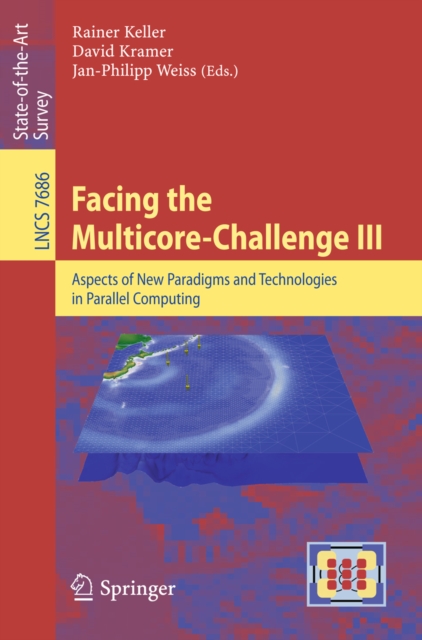
This state-of-the-art survey features topics related to the impact of multicore, manycore, and coprocessor technologies in science and large-scale applications in an interdisciplinary environment.
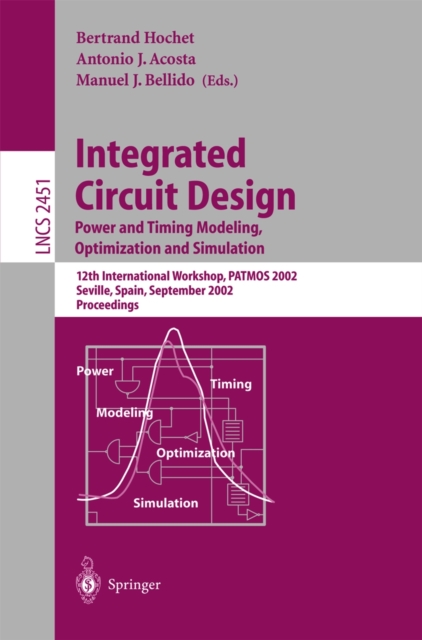
The International Workshop on Power and Timing Modeling, Optimization, and Simulation PATMOS 2002, was the 12th in a series of international workshops 1 previously held in several places in Europe.
This book is the proceedings volume of the 10th International Conference on Field Programmable Logic and its Applications (FPL), held August 27 30, 2000 in Villach, Austria, which covered areas like reconfigurable logic (RL), reconfigurable computing (RC), and its applications, and all other aspects.
On behalf of the ICES 2001 Conference Committee, it is our pleasure to present to you the proceedings of the fourth International Conference on Evolvable S- tems: From Biology to Hardware, ICES 2001, held in Tokyo, Japan, on 3-5 - tober 2001, addressing the latest developments and discussing challenges facing the ?
Euro-Par Conference Series Euro-Par is an annual series of international conferences dedicated to the p- motion and advancement of all aspectsof parallelcomputing.
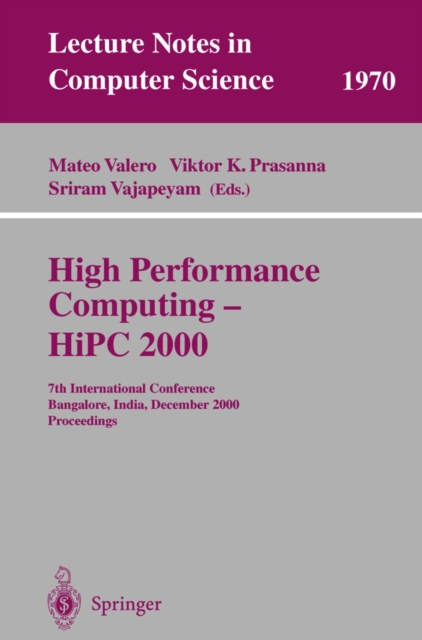
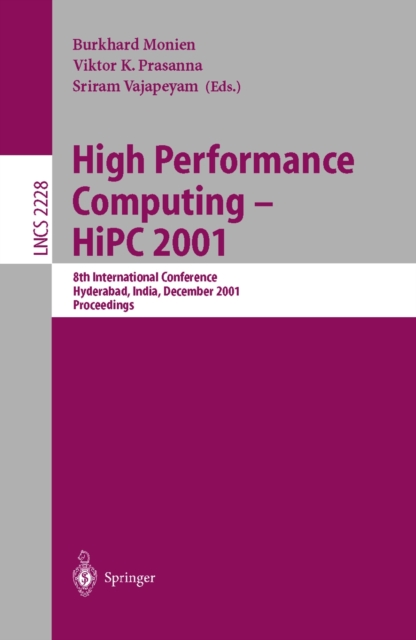
This book constitutes the refereed proceedings of the 7th International Conference on High Performance Computing, HiPC 2000, held in Bangalore, India in December 2000.
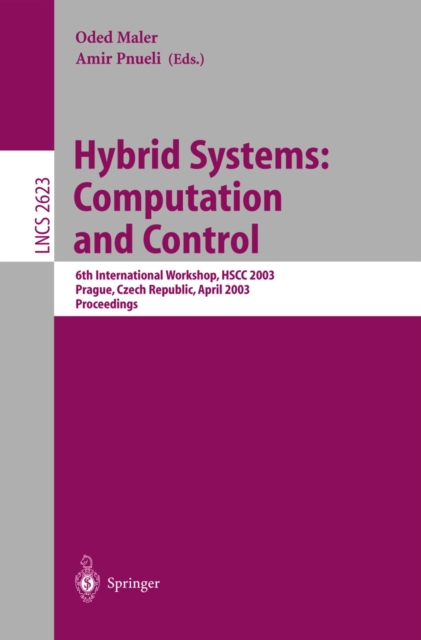
This volume contains the proceedings of the Sixth Workshop on Hybrid Systems: Computation and Control (HSCC 2003), which was held in Prague, during April 3-5, 2003.
Transactions on HiPEAC aims at the timely dissemination of research contributions in computer architecture and compilation methods for high-performance embedded computer systems.
Transactions on HiPEAC aims at the timely dissemination of research contributions in computer architecture and compilation methods for high-performance embedded computer systems.
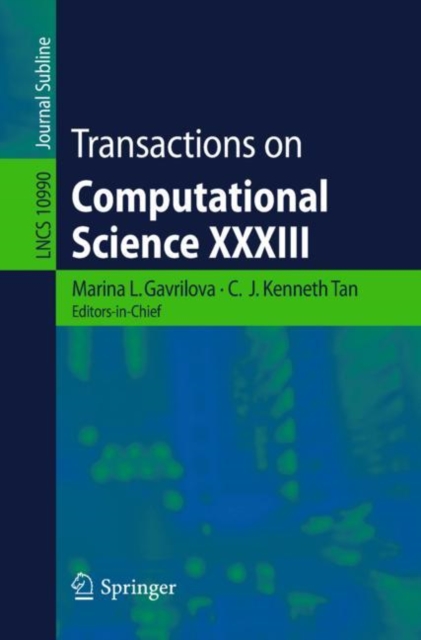
The LNCS journal Transactions on Computational Science reflects recent developments in the field of Computational Science, conceiving the field not as a mere ancillary science but rather as an innovative approach supporting many other scientific disciplines.
The LNCS journal Transactions on Computational Science reflects recent developments in the field of Computational Science, conceiving the field not as a mere ancillary science but rather as an innovative approach supporting many other scientific disciplines.
This book constitutes the refereed proceedings of the 8th International Workshop on Field-Programmable Logics and Applications, FPL '98, held in Tallinn, Estonia, in August/September 1998.
Parallel Virtual Machine (PVM) and Message Passing Interface (MPI) are the most frequently used tools for programming according to the message passing paradigm, which is considered one of the best ways to develop parallel applications.
Transactions on HiPEAC aims at the timely dissemination of research contributions in computer architecture and compilation methods for high-performance embedded computer systems.