The@ first graduate-level textbook to focus on fundamental aspects of numerical methods for stochastic computations, this book describes the class of numerical methods based on generalized polynomial chaos (gPC).
The fourth edition of this standard student text, Organizing Knowledge, incorporates extensive revisions reflecting the increasing shift towards a networked and digital information environment, and its impact on documents, information, knowledge, users and managers.
The fourth edition of this standard student text, Organizing Knowledge, incorporates extensive revisions reflecting the increasing shift towards a networked and digital information environment, and its impact on documents, information, knowledge, users and managers.
Creating Intelligent Content with Lightweight DITA documents the evolution of the Darwin Information Typing Architecture (DITA) a widely used open standard for structuring technical content.
Creating Intelligent Content with Lightweight DITA documents the evolution of the Darwin Information Typing Architecture (DITA) a widely used open standard for structuring technical content.
Since 1998 when FRBR (Functional Requirements for Bibliographic Records) was first published by IFLA, the effort to develop and apply FRBR has been extended in many innovative and experimental directions.
Since 1998 when FRBR (Functional Requirements for Bibliographic Records) was first published by IFLA, the effort to develop and apply FRBR has been extended in many innovative and experimental directions.
The struggle with balancing creative products that are innovative, technically feasible, and financially sound is one designers and web professionals go through every day.
The struggle with balancing creative products that are innovative, technically feasible, and financially sound is one designers and web professionals go through every day.
"e;This evidence-based book provides the framework and guidelines that professionals need for working with the contemporary explosion of data that is creating opportunities and challenges to all phases of our society and commerce.
Building large integrated content management systems is a daunting task and there is little guidance for the implementation process for the mid-level manager.
Building large integrated content management systems is a daunting task and there is little guidance for the implementation process for the mid-level manager.
Information design is an emerging area in technical communication, garnering increased attention in recent times as more information is presented through both old and new media.
Information design is an emerging area in technical communication, garnering increased attention in recent times as more information is presented through both old and new media.
The amount of information available for any realistic complex situation is likely to overwhelm most users, as well as stymie any designer tasked with presenting the information.
The amount of information available for any realistic complex situation is likely to overwhelm most users, as well as stymie any designer tasked with presenting the information.
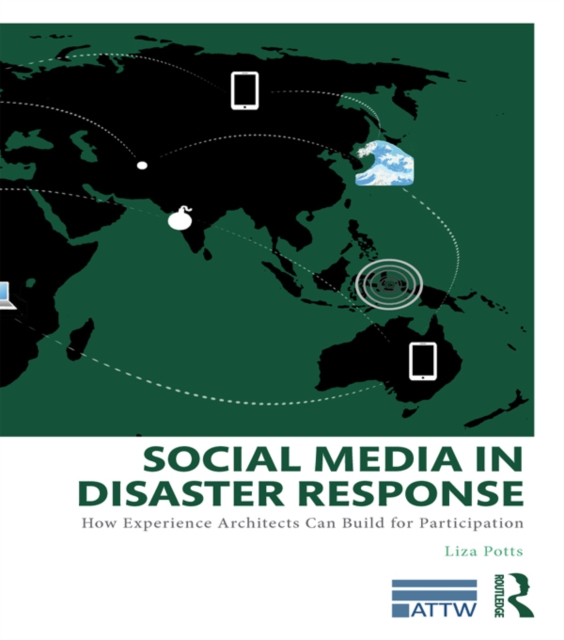
Social Media in Disaster Response focuses on how emerging social web tools provide researchers and practitioners with new opportunities to address disaster communication and information design for participatory cultures.
This comprehensive text provides a how-to guide for content strategy, enabling students and professionals to understand and master the skills needed to develop and manage technical content in a range of professional contexts.
"e;In what is certain to be a seminal work on metadata, John Horodyski masterfully affirms the value of metadata while providing practical examples of its role in our personal and professional lives.
"e;In what is certain to be a seminal work on metadata, John Horodyski masterfully affirms the value of metadata while providing practical examples of its role in our personal and professional lives.
Handbook of Usability and User Experience: Methods and Techniques is concerned with emerging usability and user experience in design concepts, theories and applications of human factors knowledge focusing on the discovery, design and understanding of human interaction and usability issues with products and systems for their improvement.
Handbook of Usability and User Experience: Methods and Techniques is concerned with emerging usability and user experience in design concepts, theories and applications of human factors knowledge focusing on the discovery, design and understanding of human interaction and usability issues with products and systems for their improvement.
Presents the state of the technology and points to future directions for semantic computing Semantic computing, a rapidly evolving interdisciplinary field, seeks to structure, design, and manipulate computer content to better satisfy the needs and intentions of users and create a more meaningful user experience.
Presents the state of the technology and points to future directions for semantic computing Semantic computing, a rapidly evolving interdisciplinary field, seeks to structure, design, and manipulate computer content to better satisfy the needs and intentions of users and create a more meaningful user experience.
North-Holland Mathematical Library, Volume 12: Abstract Analytic Number Theory focuses on the approaches, methodologies, and principles of the abstract analytic number theory.
Learn to develop blockchain-based distributed ledgers and deploy a Hyperledger Fabric network with concrete exercises and examplesKey FeaturesUpdated with the latest features and additions that come with Hyperledger Fabric 2Write your own smart contracts and services using Java and JavaScript on a Hyperledger Fabric networkDive into real-world blockchain challenges such as integration and scalabilityBook DescriptionBlockchain with Hyperledger Fabric - Second Edition is a refreshed and extended version of the successful book on practical Hyperledger Fabric blockchain development.
Discover how to use Neo4j to identify relationships within complex and large graph datasets using graph modeling, graph algorithms, and machine learningKey FeaturesGet up and running with graph analytics with the help of real-world examplesExplore various use cases such as fraud detection, graph-based search, and recommendation systemsGet to grips with the Graph Data Science library with the help of examples, and use Neo4j in the cloud for effective application scalingBook DescriptionNeo4j is a graph database that includes plugins to run complex graph algorithms.
Solve real-world business problems by learning how to create common industry key performance indicators and other calculations using DAX within Microsoft products such as Power BI, SQL Server, and Excel.
Learn through hands-on exercises covering a variety of topics including data connections, analytics, and dashboards to effectively prepare for the Tableau Desktop Certified Associate examKey FeaturesPrepare for the Tableau Desktop Certified Associate exam with the help of tips and techniques shared by expertsImplement Tableau's advanced analytical capabilities such as forecastingDelve into advanced Tableau features and explore best practices for building dashboardsBook DescriptionThe Tableau Desktop Certified Associate exam measures your knowledge of Tableau Desktop and your ability to work with data and data visualization techniques.
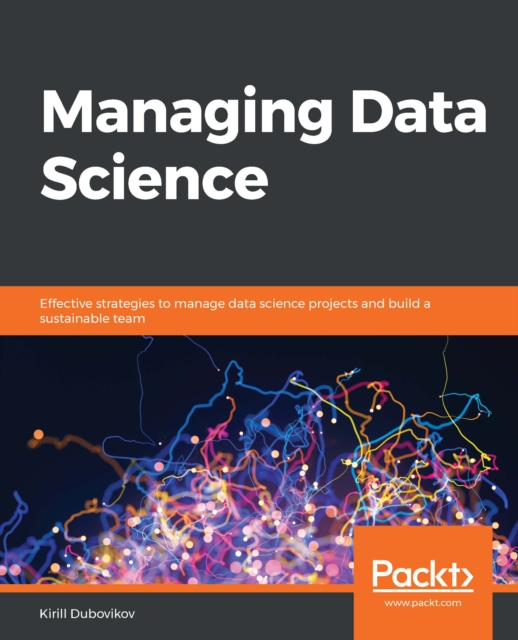
Understand data science concepts and methodologies to manage and deliver top-notch solutions for your organizationKey FeaturesLearn the basics of data science and explore its possibilities and limitationsManage data science projects and assemble teams effectively even in the most challenging situationsUnderstand management principles and approaches for data science projects to streamline the innovation processBook DescriptionData science and machine learning can transform any organization and unlock new opportunities.
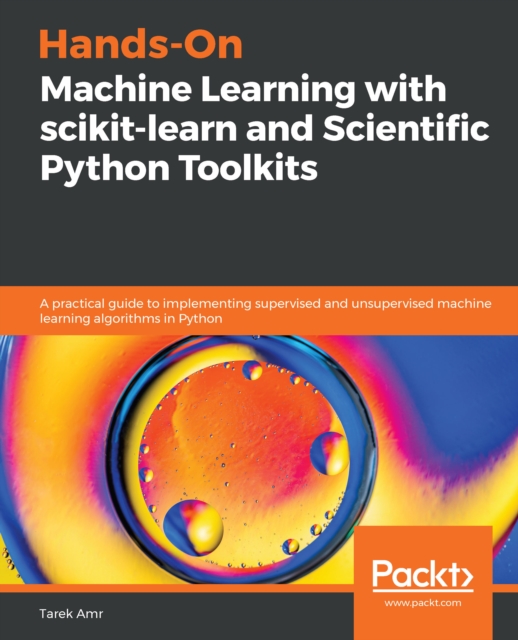
Integrate scikit-learn with various tools such as NumPy, pandas, imbalanced-learn, and scikit-surprise and use it to solve real-world machine learning problemsKey FeaturesDelve into machine learning with this comprehensive guide to scikit-learn and scientific PythonMaster the art of data-driven problem-solving with hands-on examplesFoster your theoretical and practical knowledge of supervised and unsupervised machine learning algorithmsBook DescriptionMachine learning is applied everywhere, from business to research and academia, while scikit-learn is a versatile library that is popular among machine learning practitioners.
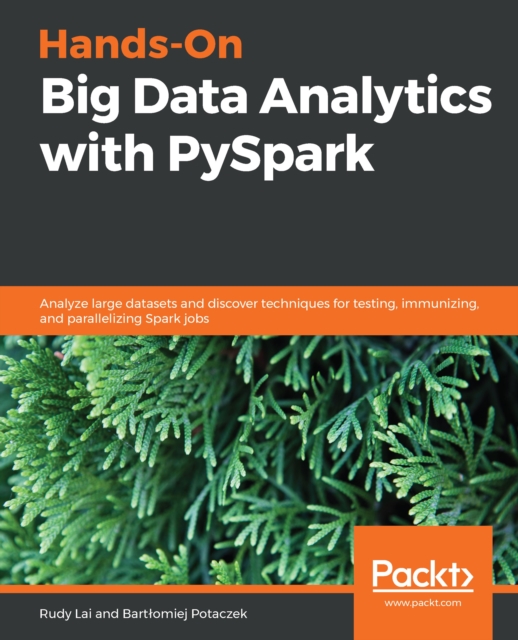
Use PySpark to easily crush messy data at-scale and discover proven techniques to create testable, immutable, and easily parallelizable Spark jobsKey FeaturesWork with large amounts of agile data using distributed datasets and in-memory cachingSource data from all popular data hosting platforms, such as HDFS, Hive, JSON, and S3Employ the easy-to-use PySpark API to deploy big data Analytics for productionBook DescriptionApache Spark is an open source parallel-processing framework that has been around for quite some time now.
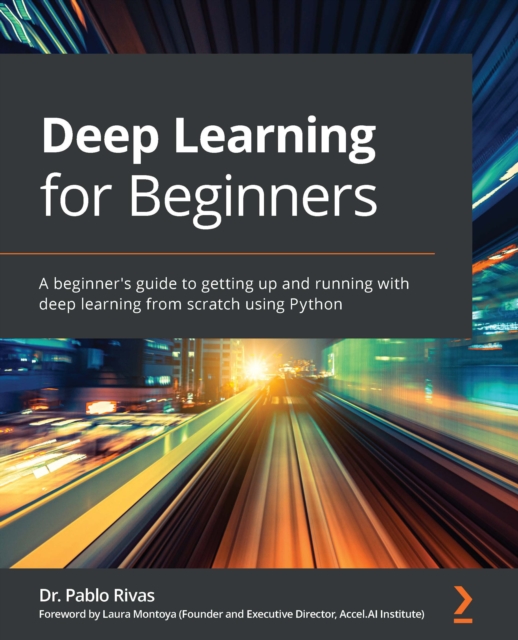
Implement supervised, unsupervised, and generative deep learning (DL) models using Keras and Dopamine with TensorFlowKey FeaturesUnderstand the fundamental machine learning concepts useful in deep learningLearn the underlying mathematical concepts as you implement deep learning models from scratchExplore easy-to-understand examples and use cases that will help you build a solid foundation in DLBook DescriptionWith information on the web exponentially increasing, it has become more difficult than ever to navigate through everything to find reliable content that will help you get started with deep learning.