This book explores 10 unique facets of Internet health and safety, including physical safety, information security, and the responsible use of technology, offering takeaways from interviews with experts in the field and suggestions for proactively improving users' Internet safety.
This important reference work is an extensive resource for students who want to investigate the world of cybercrime or for those seeking further knowledge of specific attacks both domestically and internationally.
The Five Technological Forces Disrupting Security: How Cloud, Social, Mobile, Big Data and IoT are Transforming Physical Security in the Digital Age explores the major technological forces currently driving digital disruption in the security industry, and what they foretell for the future.
Aprender a crear diseños y documentación en 2D mediante el programa AutoCAD 2021, versión más reciente de este software, ahora es posible de manera práctica y sencilla.
Improve employee safety, reduce workplace incidents and create better, safer working conditionsAccording to a report from the ILO (International Labour Organization), there are more than 2.
Improve employee safety, reduce workplace incidents and create better, safer working conditionsAccording to a report from the ILO (International Labour Organization), there are more than 2.
This compilation details the challenges in the development of computer systems more complexed by AI/IoT using examples based on systems thinking, as well as introduces how these technologies can aid in safety and security.
Maintaining secrets, credentials, and nonhuman identities in secure ways is an important, though often overlooked, aspect of secure software development.
The aim of this book is to provide "e;human engineering"e; for workplaces, tools, machinery, computers, shift work, lighting, sound, climate, work demands, offices, vehicles, healthcare, and the home - and everything else that we can produce - to suit the human body and mind.
As the use of internet applications with client server architecture and web browsers have increased the ability to draw on information, many managers now face the challenge of making effective decisions based on this data.
Electronic information about the individual is derived from what we say about ourselves, shaped by commentary from others and extended through electronic exchanges with both human and computer based intelligent agents.
Electronic information about the individual is derived from what we say about ourselves, shaped by commentary from others and extended through electronic exchanges with both human and computer based intelligent agents.
Successful interaction with products, tools and technologies depends on usable designs, accommodating the needs of potential users and does not require costly training.
Digital Playgrounds explores the key developments, trends, debates, and controversies that have shaped children's commercial digital play spaces over the past two decades.
This book explains the year 2000 problem in non-technical terms from a woman's perspective with an emphasis on preparing your home for a possible disruption in everyday life.
The Perils of Social Media: Cyberbullying Shame and Fame provides an in-depth examination of cyberbullying, characterized by persistent hostile behavior conducted through electronic or digital media.
The speed and cost effectiveness of new information technology has prompted many to view these innovations as a panacea for social and economic development.
The speed and cost effectiveness of new information technology has prompted many to view these innovations as a panacea for social and economic development.
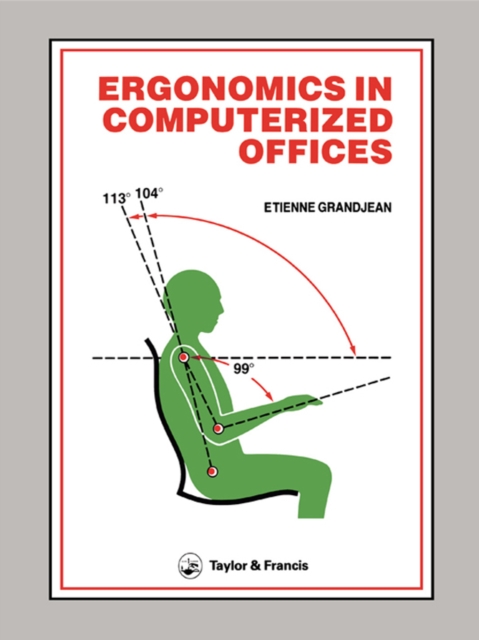
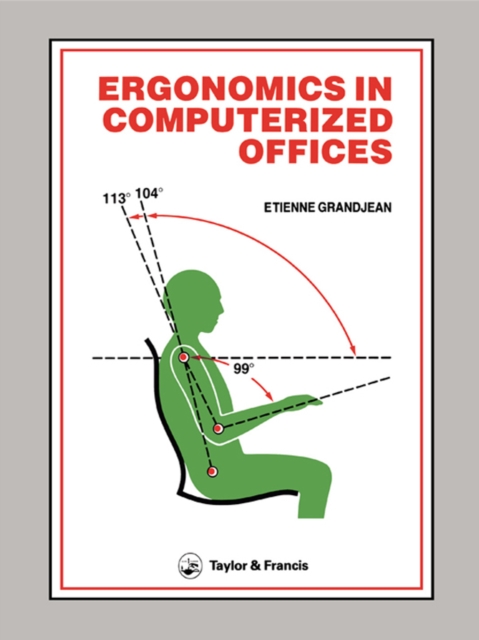
"e;Ergonomics in Computerized Offices should be required reading for office managers, union representatives, engineers, designers, or anyone employed in implementing a computerized office or improving conditions in an already computerized office.
"e;Ergonomics in Computerized Offices should be required reading for office managers, union representatives, engineers, designers, or anyone employed in implementing a computerized office or improving conditions in an already computerized office.
This book explores the innovations, disruptions and changes that are required to adapt in a fast-evolving landscape due to the extraordinary circumstances triggered by the COVID-19 pandemic.
This book explores the innovations, disruptions and changes that are required to adapt in a fast-evolving landscape due to the extraordinary circumstances triggered by the COVID-19 pandemic.
Technologies such as artificial intelligence have led to significant advances in science and medicine, but have also facilitated new forms of repression, policing and surveillance.
Technologies such as artificial intelligence have led to significant advances in science and medicine, but have also facilitated new forms of repression, policing and surveillance.
An examination of youth Internet safety as a technology of governance, seen in panics over online pornography, predators, bullying, and reputation management.
The aim of this book is to provide "e;human engineering"e; for workplaces, tools, machinery, computers, shift work, lighting, sound, climate, work demands, offices, vehicles, healthcare, and the home - and everything else that we can produce - to suit the human body and mind.
The Perils of Social Media: Cyberbullying Shame and Fame provides an in-depth examination of cyberbullying, characterized by persistent hostile behavior conducted through electronic or digital media.