The Early Earth: Accretion and Differentiation provides a multidisciplinary overview of the state of the art in understanding the formation and primordial evolution of the Earth.
The Early Earth: Accretion and Differentiation provides a multidisciplinary overview of the state of the art in understanding the formation and primordial evolution of the Earth.
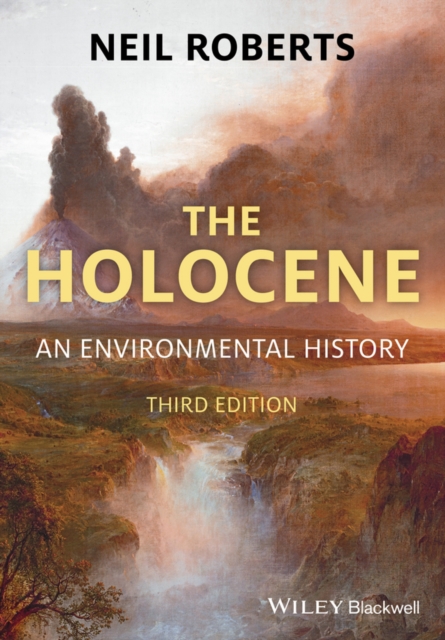
The Holocene provides students, researchers and lay-readers with the remarkable story of how the natural world has been transformed since the end of the last Ice Age around 15,000 years ago.
The Holocene provides students, researchers and lay-readers with the remarkable story of how the natural world has been transformed since the end of the last Ice Age around 15,000 years ago.
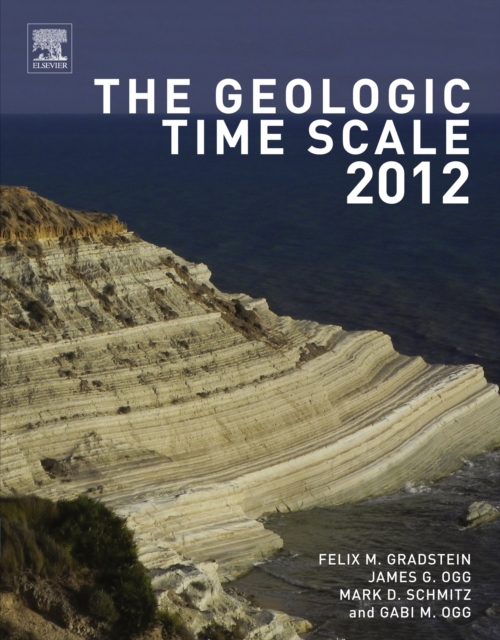
The Geologic Time Scale 2012, winner of a 2012 PROSE Award Honorable Mention for Best Multi-volume Reference in Science from the Association of American Publishers, is the framework for deciphering the history of our planet Earth.
Ostracod crustaceans, common microfossils in marine and freshwater sedimentary records, supply evidence of past climatic conditions via indicator species, transfer function and mutual climatic range approaches as well as the trace element and stable isotope geochemistry of their shells.
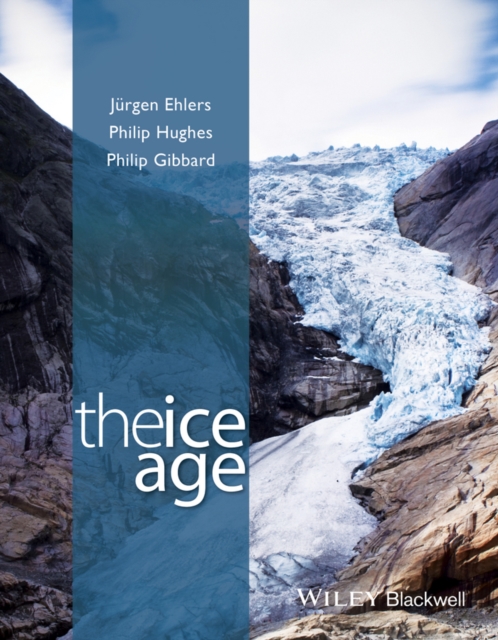
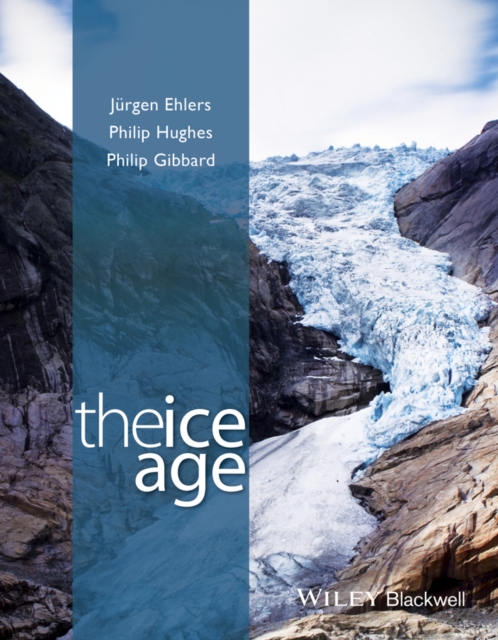
The book presents an up-to-date, detailed overview of the Quaternary glaciations all over the world, not only with regard to stratigraphy but also with regard to major glacial landforms and the extent of the respective ice sheets.
Discover the enthralling story of the HMS Queen Elizabeth, the Royal Navy's largest ever aircraft carrier and SUBJECT OF THE MAJOR NEW BBC DOCUMENTARY SERIES THE WARSHIP'Fascinating, often funny and sometimes moving .
From shark attack survivor to the shark's biggest advocate, Paul de Gelder tells us just why these majestic diverse animals need our help as much as we need them.
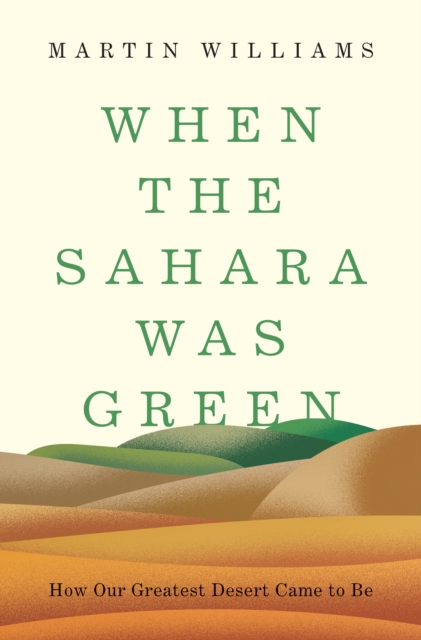
The little-known history of how the Sahara was transformed from a green and fertile land into the largest hot desert in the worldThe Sahara is the largest hot desert in the world, equal in size to China or the United States.
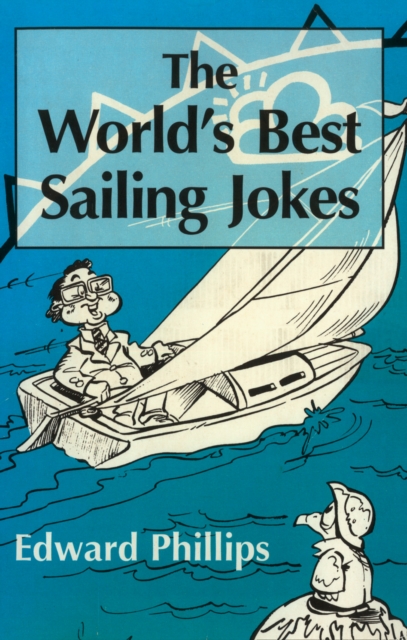
When he's not negotiating his way around a sand bar, there's nothing a sailor likes more than propping up the bar - and telling tall tales and saucy jokes.
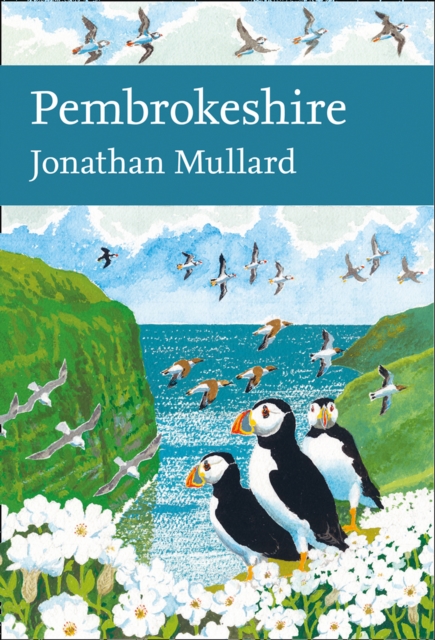
This lushly illustrated and fully comprehensive book about the wildlife, landscapes and history of Pembrokeshire is a much-anticipated addition to the New Naturalist series, and reveals the incredible wealth of biodiversity present in the region.
Britains Structure and Scenery deals with the physical background, the stage on which the drama of life is played and which provides the fundamental environment for plants, newnaturalists.
Illustrated with beautifully detailed photographs throughout, New Naturalist Southern England comprehensively explores the formation of these wonderful landscapes that are so universally admired.
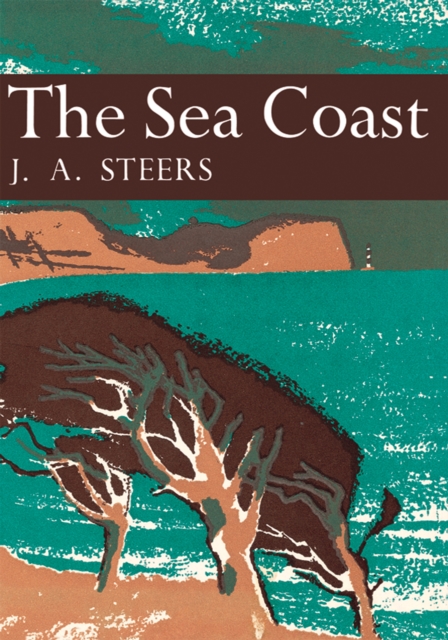
The Sea Coast shows in a persuasive and compelling way the origin and evolution of cliffs, estuaries, sea marshes, sand dunes and the communities of plants and animals that they support.
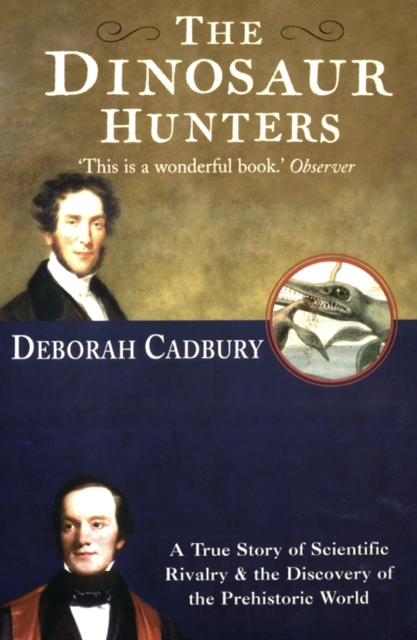
The story of two nineteenth-century scientists who revealed one of the most significant and exciting events in the natural history of this planet: the existence of dinosaurs.
An enchanting tale of travels among South East Asia's Sea Gypsies, scattered groups of semi-nomadic fisher people who occupy the spaces between the islands.
With his groundbreaking findings and extensive research, palaeontologist and dino hunter Dr Phil Currie challenges the very foundations of traditional dinosaur theories.
One of the key works in the nineteenth-century battle between science and Scripture, Charles Lyell's Principles of Geology (1830-33) sought to explain the geological state of the modern Earth by considering the long-term effects of observable natural phenomena.
The book deals with the record of important Neoproterozoic to Early Palaeozoic events in southwestern Gondwana, that heralded the Cambrian explosion and the dawn of modern ecosystems.
This is a tale of human obsession, one intrepid tuna, the dedicated fisherman who caught and set her free, the promises and limits of ocean science and the big truth of how our insatiable appetite for bluefin transformed a cottage industry into a global dilemma.
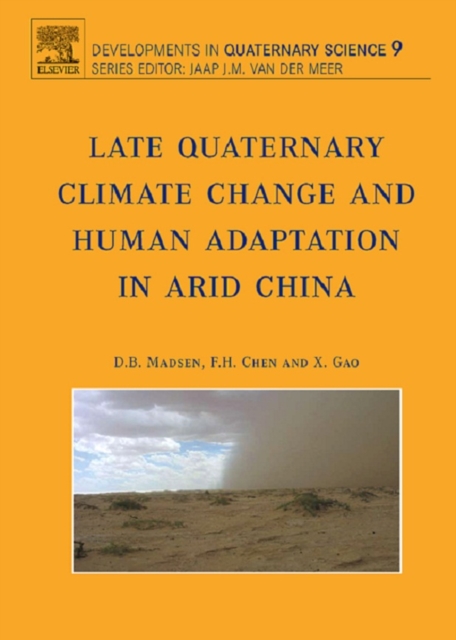
Due to political pressures, prior to the 1990s little was known about the nature of human foraging adaptations in the deserts, grasslands, and mountains of north western China during the last glacial period.
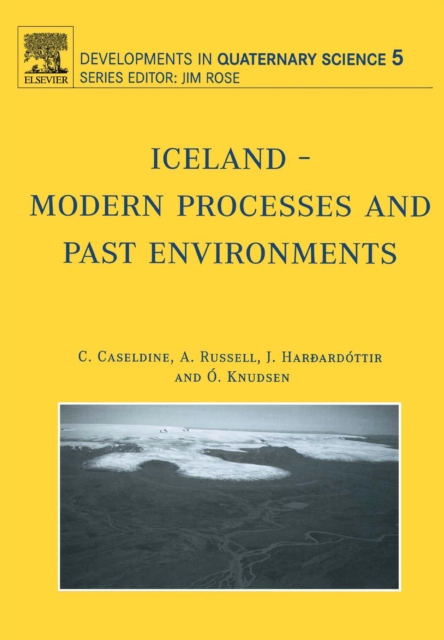
Iceland provides an unique stage on which to study the natural environment, both past and present, and it is understanding both aspects of reconstructing the past and observing and interpreting the present that form the focus of the contributions to this volume.
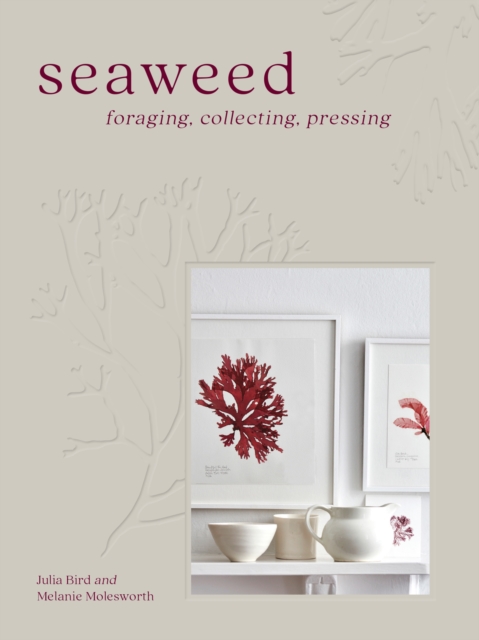
WINNER OF THE BEST MIXED MEDIA BOOK AWARD AT THE CREATIVE BOOK AWARDS 2024A gorgeous guide to foraging, pressing and using seaweeds for a wealth of home creative projects.
This comprehensive reference is the first to cover industrially important borates, from deposits, through chemistry, mining, processing, and applications.