The purpose of ICOLD Bulletin 169 is to assess the role of dams and reservoirs in adapting to the effects of global climate change, determine the threats, and potential opportunities, posed by global climate change to existing dams and reservoirs, and then recommend measures to mitigate against or adapt to the effects of global climate change.
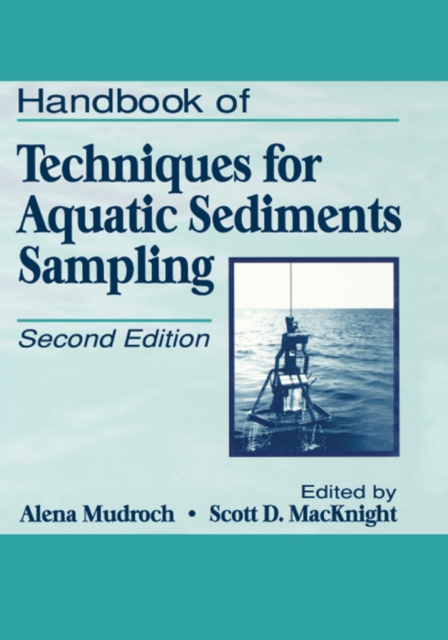
Although valuable resources in river basins and other aqueous environments, sediments often receive much less attention from researchers, policymakers, and other professionals than other components of the ecosystem.
As water quality becomes a leading concern for people and ecosystems worldwide, it must be properly assessed in order to protect water resources for current and future generations.
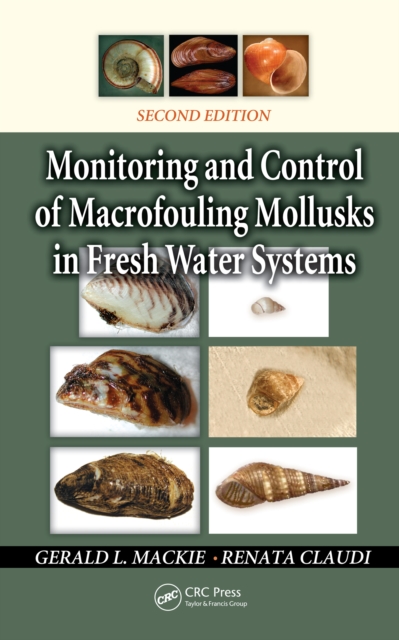
Upon its initial publication more than fifteen years ago, this book broke new ground with its comprehensive coverage of the biology and ecology, distribution and dispersal mechanisms, physiology, monitoring, negative and positive impacts, and control of aquatic invasive species of mussels, clams, and snails.
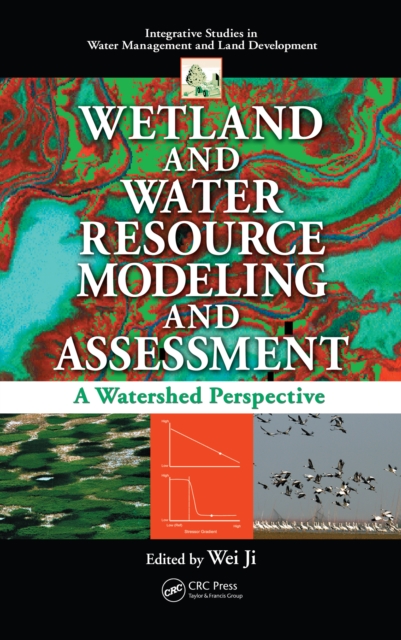
As a wetland of international importance located in China, the Poyang Lake Basin's incredible topographical and biological diversity has provided a congregating point for scientists from around the world to engage in cross-disciplinary research.
Boreal Shield Watersheds: Lake Trout Ecosystems in a Changing Environment brings together the work of a renowned international group of scientists who specialize in aquatic science and environmental management.
A practical book for professionals who rely on water quality data for decision making, this book is based on three decades experience of three highly published water and watershed resource professionals.
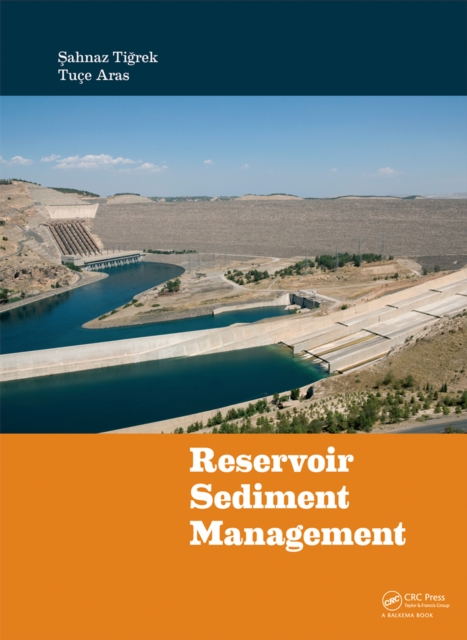
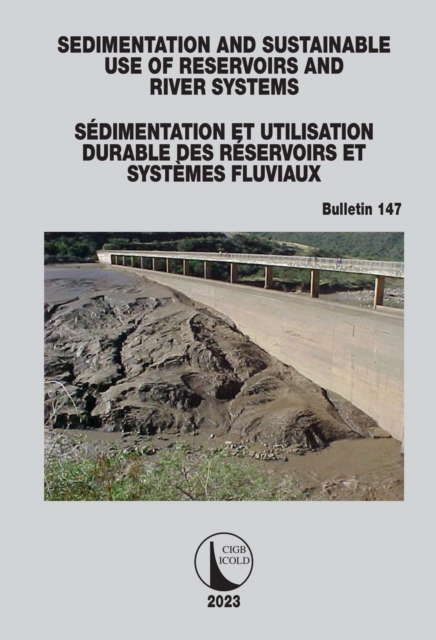
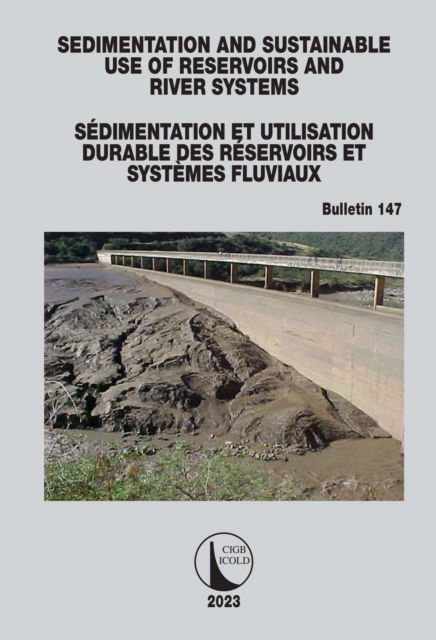
Siltation in reservoirs has become an important problem when dams are getting older and stop functioning when the sediment has accumulated to a certain extent.
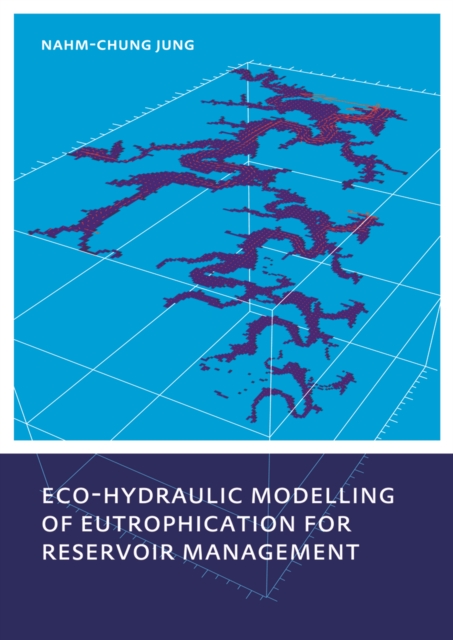
This study presents an systematic approach to water quality assessment, hybrid modelling and decision support for eutrophication management in deep reservoirs.
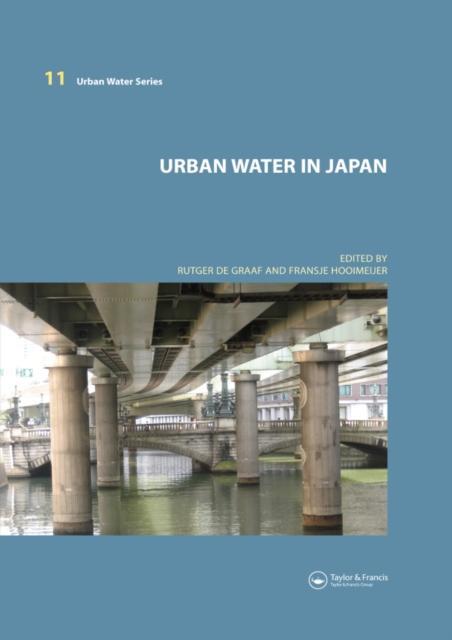
Water control is essential to Japan, as more than half of its invested capital is concentrated in elevations under sea level and the majority of the island nation is exceptionally vulnerable to flooding.
The theory of nonlinear dynamics and chaos, and the extent to which recent improvements in the understanding of inherently nonlinear natural processes present challenges to the use of mathematical models in the analysis of water and environmental systems, are elaborated in this work.
Ein Lob der lebendigen und stillen WasserOb Mairegen oder Morgentau, schlammige Pfütze oder lichter Weiher, wilder Fluss oder das dunkle Auge des Moores, unerschöpflich fördert das Wasser den Reichtum des Lebens.
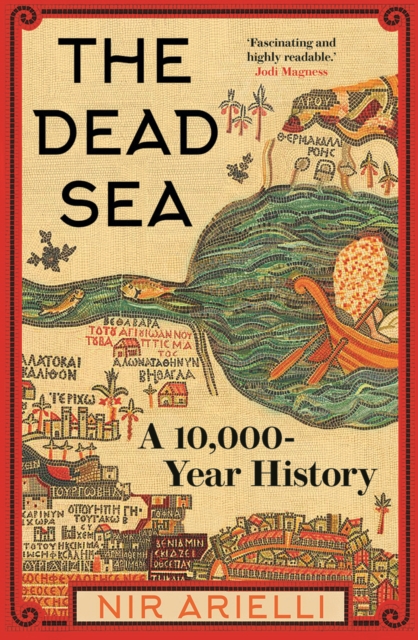
A human history of one of the planet's most iconic lakes, and the civilizations that surrounded its shores The Dead Sea is a place of many contradictions.
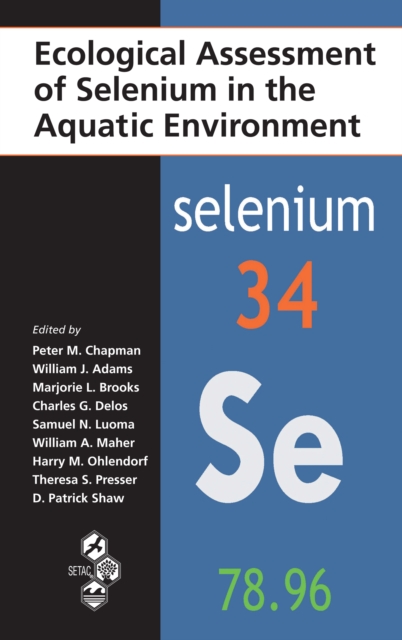
Based on the work and contributions of 46 scientists, managers, and policymakers, Ecological Assessment of Selenium in the Aquatic Environment documents the state of the science and explores how to use this information when assessing and managing the environmental effects of Se.
The book discusses the process of drafting a Drinking Water Services Act for states under federal governance, presents how various provisions of the Act are identified and builds the rationale behind those provisions.
Regulation of India's rivers and other water systems has been evolving for thousands of years in the face of varying socioeconomic and technological conditions.
Completely revised and updated, Treatment Wetlands, Second Edition is still the most comprehensive resource available for planning, designing, and operating wetland treatment systems.
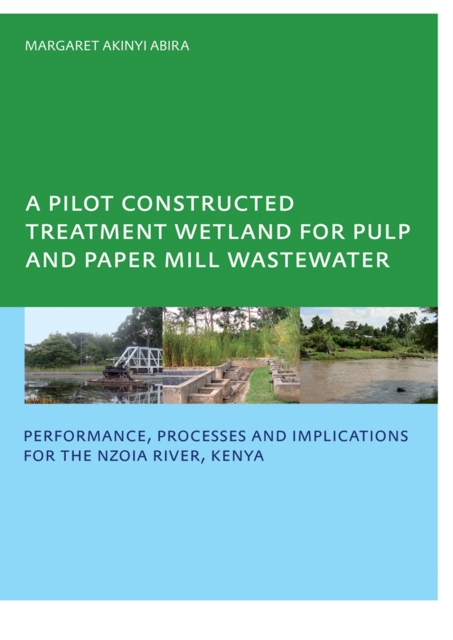
This study, conducted in Kenya, gives the first insight into the performance of a constructed treatment wetland receiving pulp and paper mill wastewater in the tropics.
Aquatic Ecosystems and Microbial Biofilms: Significance, Dynamics, Prevention and Control provides a systematic introduction and review of state-of-the-art information on microbial biofilms in aquatic ecosystems and their control.
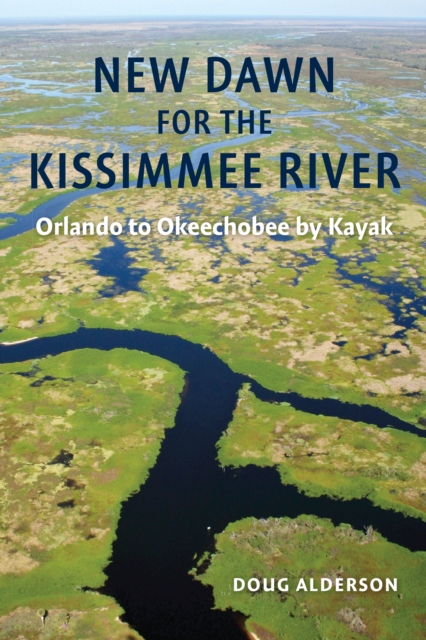
First-Place Winner, Florida Writers Association Royal Palm Literary AwardExploring and chronicling a restored river in the heart of FloridaThe Kissimmee Valley, which includes the Kissimmee chain of lakes and Kissimmee River, covers an area from Orlando to Lake Okeechobee.
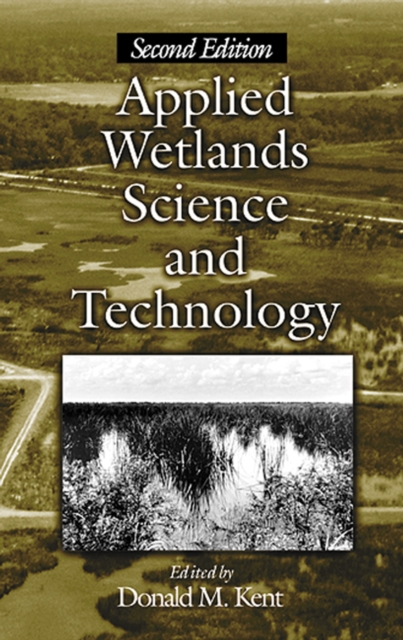
Continuing the tradition of excellence established by the first edition, the Second Edition of Applied Wetlands Science and Technology provides the fundamentals for delineating, identifying, and regulating wetlands.
Offering a new perspective on the hazards of pollution, Biological Effects of Surfactants examines the effects of anionic, non-ionic, cationic surfactants, and detergents on a wide range of organisms, populations, communities, and ecosystems.
The Lake and Pond Management Guidebook is the successor to the bestselling Lake Smarts: The First Lake Maintenance Handbook, the "e;bible"e; for small-scale lake and pond improvements, published by the Terrene Institute in 1993.
This textbook provides students with a more holistic, systems-based perspective of harmful algal blooms, or HABs and HAB toxins, while explaining details on occurrence, health effects, and treatment processes for the removal of HAB cells and toxins from drinking water.
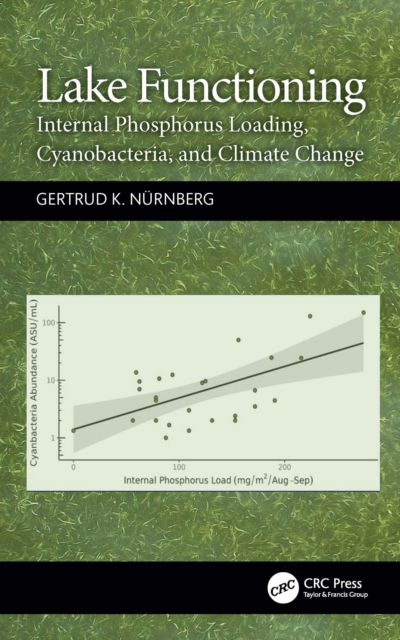
This book explores the interconnections of internal phosphorus loading, cyanobacteria, and climate change and their role in determining water quality in freshwater.
Aquatic Ecosystems and Microbial Biofilms: Significance, Dynamics, Prevention and Control provides a systematic introduction and review of state-of-the-art information on microbial biofilms in aquatic ecosystems and their control.
FROM THE SUNDAY TIMES BESTSELLING AUTHOR OF MUDLARKING'An absolute treasure trove of sound advice and historical detail' Katherine May'A delightful and a profound meditation on the variety of human experience' Ian Mortimer'Lara Maiklem is a phenomenon.
The Water Road is the story of a four month circumnavigation by narrowboat of 'The Grand Cross', the name given to the inland waterway linking the Thames to the Humber, Severn and Mersey.
This textbook provides students with a more holistic, systems-based perspective of harmful algal blooms, or HABs and HAB toxins, while explaining details on occurrence, health effects, and treatment processes for the removal of HAB cells and toxins from drinking water.
The first comprehensive natural history guide to the Connecticut River and its environs, with more than 750 illustrations The Connecticut River, New England's longest and most historic river, originates in northern New Hampshire and wends more than four hundred miles to Long Island Sound.
Rivers have long been the lifeblood of civilizations, shaping landscapes, sustaining livelihoods, and serving as silent witnesses to the unfolding narratives of human history.
Rivers have long been the lifeblood of civilizations, shaping landscapes, sustaining livelihoods, and serving as silent witnesses to the unfolding narratives of human history.
Ponds and pools are a common feature of our landscape - there are at least ten times as many ponds as lakes in the UK - and they are also important wildlife habitats.
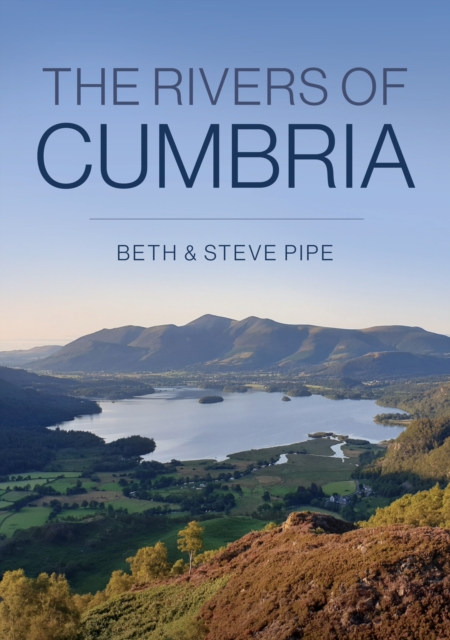
Cumbria has been explored in many books over the years, but very little has been written about its rivers and yet, without them, the county would not have evolved in the way that it has.