Industrial Hydrology serves as a comprehensive reference designed to bridge the knowledge gap between traditional hydrology and the specific water-related challenges of industrial development.
The main purpose of this book is to examine the applications of nature-based solutions (NBS) and circularity in the built environment from a multidisciplinary perspective, but with a focus on energy, civil, and environmental engineering.
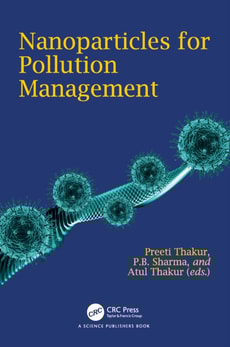
The escalating global concern over environmental pollution has necessitated the development of innovative and sustainable solutions for pollution management.
The escalating global concern over environmental pollution has necessitated the development of innovative and sustainable solutions for pollution management.
The main purpose of this book is to examine the applications of nature-based solutions (NBS) and circularity in the built environment from a multidisciplinary perspective, but with a focus on energy, civil, and environmental engineering.
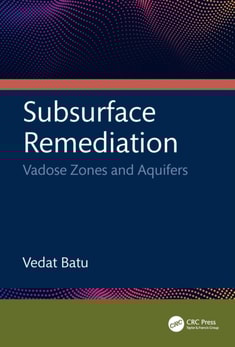
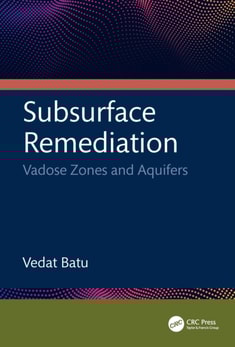
Subsurface Remediation: Vadose Zones and Aquifers presents the state-of-the-art physical treatment methods for remediating contaminated subsurface formations, bridging theoretical foundations with practical applications through pedagogically enriched content.
This book explores the intricate challenges and potential solutions in managing transboundary rivers in South Asia, a densely populated and ecologically diverse region.
This volume explores the transformative potential of emerging technologies in achieving SDG 6 - Clean Water and Sanitation, a foundational goal of the UN Agenda 2030.
Subsurface Remediation: Vadose Zones and Aquifers presents the state-of-the-art physical treatment methods for remediating contaminated subsurface formations, bridging theoretical foundations with practical applications through pedagogically enriched content.
This book explores the intricate challenges and potential solutions in managing transboundary rivers in South Asia, a densely populated and ecologically diverse region.
This volume explores the transformative potential of emerging technologies in achieving SDG 6 - Clean Water and Sanitation, a foundational goal of the UN Agenda 2030.
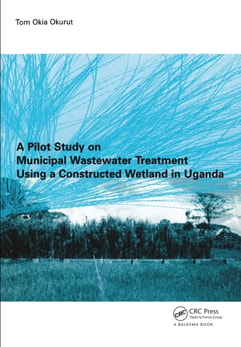
This study investigates the use of constructed wetlands as a cheaper and more effective alternative method of treating domestic wastewater in tropical environments.
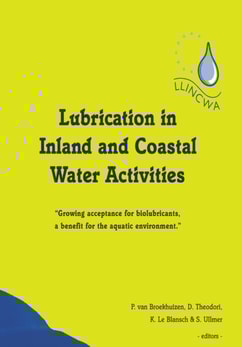
This book is strongly recommended to those engaged in activities involving the lubrication of machines, to lubricant manufacturers and to raw material producers.
This book is strongly recommended to those engaged in activities involving the lubrication of machines, to lubricant manufacturers and to raw material producers.
This study investigates the use of constructed wetlands as a cheaper and more effective alternative method of treating domestic wastewater in tropical environments.
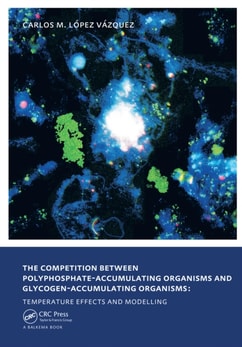
The over-enrichment of surface water bodies with phosphorus compounds can lead to eutrophication resulting in reduced photosynthetic activity, oxygen depletion, production of toxic compounds and, ultimately, loss of plant and animal species.
The over-enrichment of surface water bodies with phosphorus compounds can lead to eutrophication resulting in reduced photosynthetic activity, oxygen depletion, production of toxic compounds and, ultimately, loss of plant and animal species.
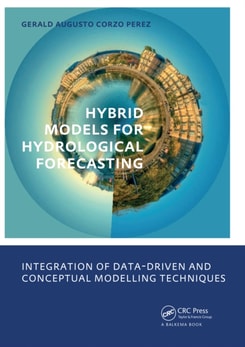
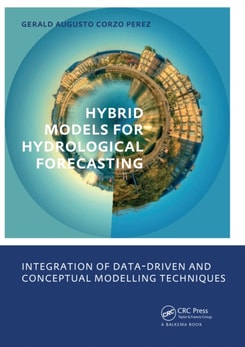
This book presents the investigation of possibilities and different architectures of integrating hydrological knowledge and conceptual models with data-driven models for the purpose of hydrological flow forecasting.
This book presents the investigation of possibilities and different architectures of integrating hydrological knowledge and conceptual models with data-driven models for the purpose of hydrological flow forecasting.
Integration of Advanced Systems in Environmental Science and Water Desalination explores cutting-edge technologies revolutionizing environmental monitoring and desalination processes.
Integration of Advanced Systems in Environmental Science and Water Desalination explores cutting-edge technologies revolutionizing environmental monitoring and desalination processes.
Environmental Monitoring with AI and IoT: Smart Systems for a Sustainable Future aims to provide a comprehensive understanding of how modern technologies like Artificial Intelligence (AI) and the Internet of Things (IoT) revolutionize environmental monitoring.
Environmental Monitoring with AI and IoT: Smart Systems for a Sustainable Future aims to provide a comprehensive understanding of how modern technologies like Artificial Intelligence (AI) and the Internet of Things (IoT) revolutionize environmental monitoring.