Geochemical modeling is an important tool in environmental studies, and in the areas of subsurface and surface hydrology, pedology, water resources management, mining geology, geothermal resources, hydrocarbon geology, and related areas dealing with the exploration and extraction of natural resources.
Coupling the basics of hygrogeology with analytical and numerical modeling methods, Hydrogeology and Groundwater Modeling, Second Edition provides detailed coverage of both theory and practice.
Interrelationships Between Corals and Fisheries is derived from a workshop held by the Gulf of Mexico Fishery Management Council in Tampa, Florida in May 2013, where world authorities came together to discuss the current problems in managing tropical fisheries and offered suggestions for future directions for both researchers and environmental reso
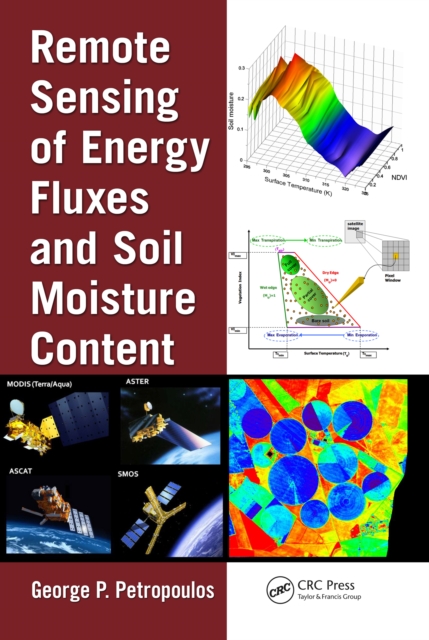
Integrating decades of research conducted by leading scientists in the field, Remote Sensing of Energy Fluxes and Soil Moisture Content provides an overview of state-of-the-art methods and modeling techniques employed for deriving spatio-temporal estimates of energy fluxes and soil surface moisture from remote sensing.
Advances in Subsurface Contamination of Porous Media: Indicators, Processes and Modelling provides a high level understanding of the processes concerning common and emergent contaminants through their passage from soil to groundwater.
Complete and quantitative, NAPL Removal: Surfactants, Foams, and Microemulsions, belongs to a ten-monograph series that records the results of the Department of Defense/Advanced Applied Technology Demonstration Facility environmental technology demonstrations.
Hydraulic research is developing beyond the borders of traditional civil engineering to meet increasing demands in natural hazards, structural safety assessment and also environmental research.
With major implications for applied physics, engineering, and the natural and social sciences, the rapidly growing area of environmental fluid dynamics focuses on the interactions of human activities, environment, and fluid motion.
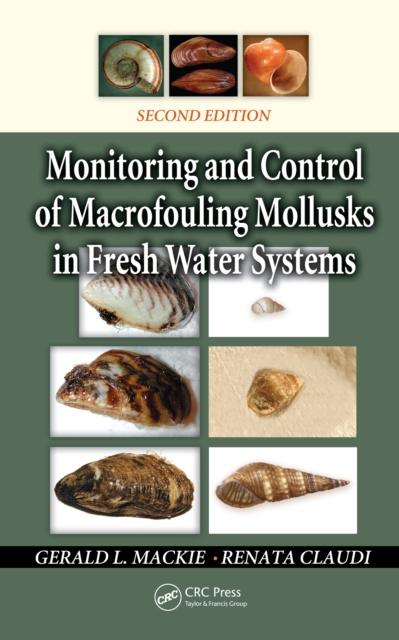
Upon its initial publication more than fifteen years ago, this book broke new ground with its comprehensive coverage of the biology and ecology, distribution and dispersal mechanisms, physiology, monitoring, negative and positive impacts, and control of aquatic invasive species of mussels, clams, and snails.
Focuses On an Emerging Field in Water EngineeringA broad treatment of the Tsallis entropy theory presented from a water resources engineering point of view, Introduction to Tsallis Entropy Theory in Water Engineering fills a growing need for material on this theory and its relevant applications in the area of water engineering.
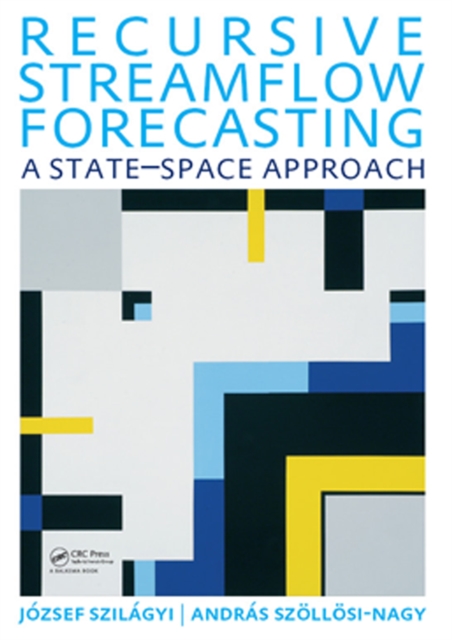
The complementary nature of physically-based and data-driven models in their demand for physical insight and historical data, leads to the notion that the predictions of a physically-based model can be improved and the associated uncertainty can be systematically reduced through the conjunctive use of a data-driven model of the residuals.
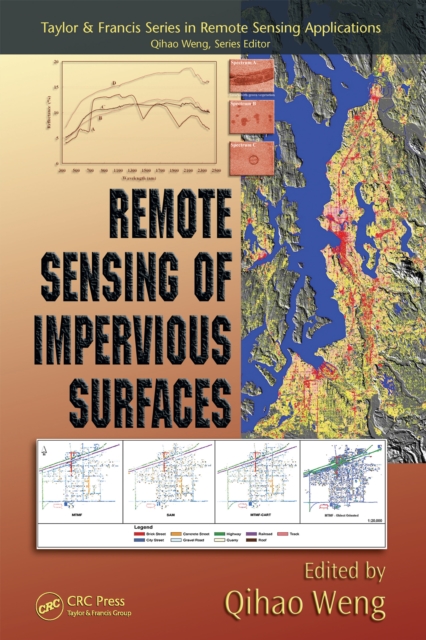
Remote sensing of impervious surfaces has matured using advances in geospatial technology so recent that its applications have received only sporadic coverage in remote sensing literature.
In situ treatments involving the arrangement of contact between prospective reactants in complex porous media require a refined understanding of solute migration.
While most books only examine the classical aspects of hydrology, the three-volume set covers multiple aspects of hydrology, and includes contributions from experts from more than 30 countries.
This textbook is a practical guide to real-time streamflow forecasting that provides a rigorous description of a coupled stochastic and physically based flow routing method and its practical applications.
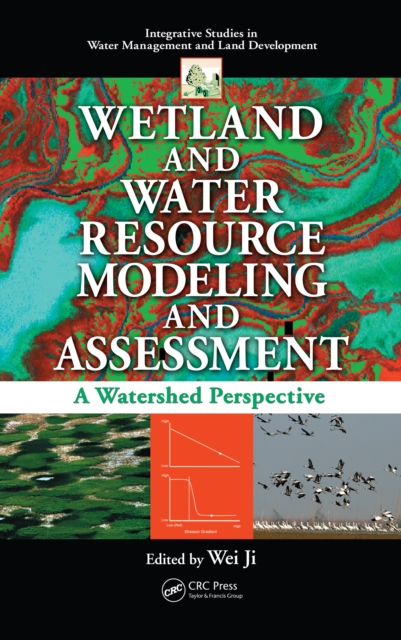
As a wetland of international importance located in China, the Poyang Lake Basin's incredible topographical and biological diversity has provided a congregating point for scientists from around the world to engage in cross-disciplinary research.
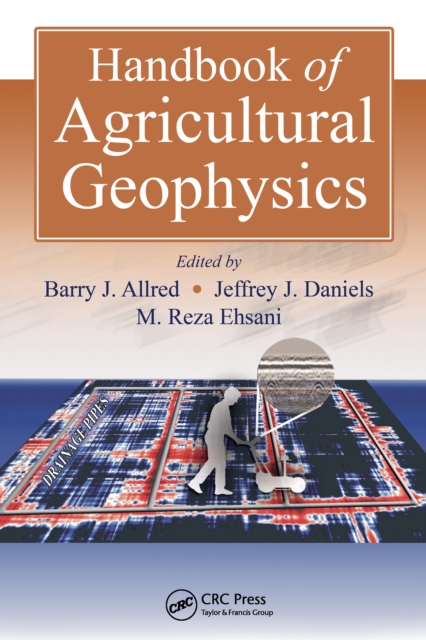
Precision farming, site infrastructure assessment, hydrologic monitoring, and environmental investigations- these are just a few current and potential uses of near-surface geophysical methods in agriculture.
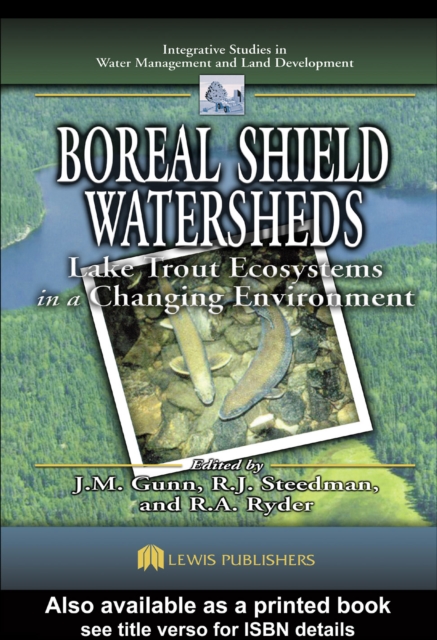
Boreal Shield Watersheds: Lake Trout Ecosystems in a Changing Environment brings together the work of a renowned international group of scientists who specialize in aquatic science and environmental management.
A practical book for professionals who rely on water quality data for decision making, this book is based on three decades experience of three highly published water and watershed resource professionals.
The 2015 International Conference on Water Resource and Environment (WRE2015) aims to provide a platform where scholars from different countries can exchange ideas, opinions and views.
This comprehensive book presents an analytical journey through the relationship between water and Latin American societies, offering an engineering perspective on historical water resource utilization.
This book is a collection of selected, peer-reviewed papers presented at the 2023 11th International Conference on Environment Pollution and Prevention (ICEPP 2023), which was held in Brisbane, Australia, November 10-12, 2023.
Electricity offers a complete introduction to the nature of electricity for those who want to know more about electricity but do not find the time to struggle through complicated handbooks.
Modeling hydrologic changes and predicting their impact on watersheds is a dominant concern for hydrologists and other water resource professionals, civil and environmental engineers, and urban and regional planners.
This book is a collection of selected, peer-reviewed papers presented at the 2023 11th International Conference on Environment Pollution and Prevention (ICEPP 2023), which was held in Brisbane, Australia, November 10-12, 2023.
Enhanced analytical capabilities and separation techniques, improved detection limits, and accessibility of instrumentation have led to massive strides in the use of isotopes to assess microbial processes in surface and subsurface sediments.
Introduction to Process Geomorphology provides an integrative approach to the process dynamics and the origin of landforms by the contemporary processes involved in their evolution.
Water and Environment addresses imbalances between availability and demand, degradation of surface and ground waters, inter-sectorial, inter-regional and international competition in water management.