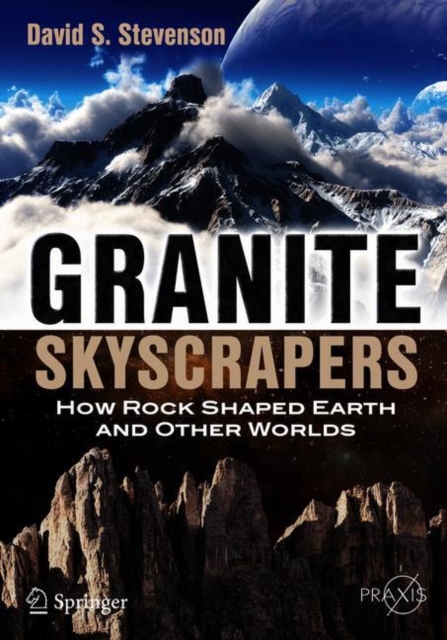
In this book, David Stevenson offers us a look at the evolution of planets as they move from balls of mixed molten rock to vibrant worlds capable of hosting life.
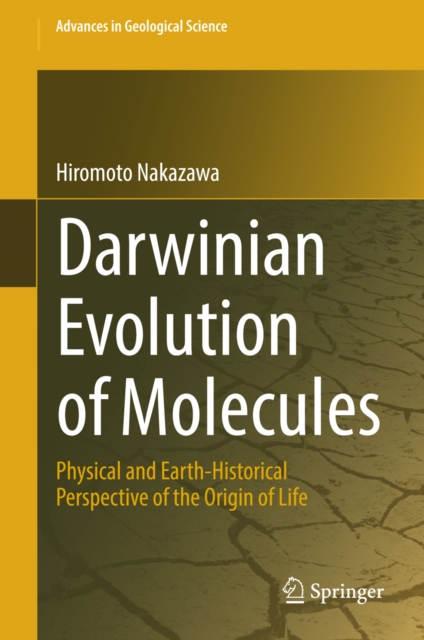
On the basis of thermodynamic considerations and the Earth's historical processes, this book argues the physical inevitability of life's generation and evolution, i.
Harmful algal blooms (HABs) - blooms that cause fish kills, contaminate seafood with toxins, or cause human or ecological health impacts and harm to local economies - are occurring more often, in more places and lasting longer than in past decades.
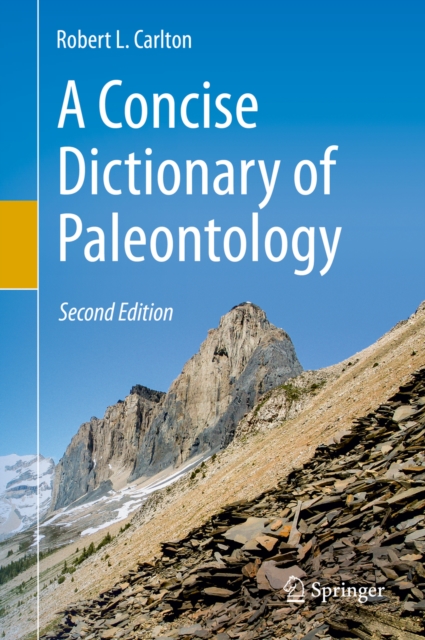
This authored dictionary presents a unique glossary of paleontological terms, taxa, localities, and concepts, with focus on the most significant orders, genera, and species in terms of historical turning points such as mass extinctions.
This book provides an overview of eco-friendly resins and their composite materials covering their synthesis, sources, structures and properties for different industrial applications to support the ongoing research and development in eco-friendly and renewable commercial products.
This book presents an intensive study on the biogeochemical cycle of mercury in a river-reservoir system in Wujiang River Basin, the upper branch of the Yangtze River.
This book provides concise and cutting-edge reviews in astrobiology, a young and still emerging multidisciplinary field of science that addresses the fundamental questions of how life originated and diversified on Earth, whether life exists beyond Earth, and what is the future for life on Earth.
While the possible depletion of energy sources has been emphasized in most literatures, this book aims to show that the increase of entropy in the biosphere, resulting since the dawn of industrial era, is a cause for urgent concern.
This volume incorporates theoretical and practical knowledge through case studies and reviews to serve as a baseline of information for coastal ecosystem research, and discusses the impacts of pollution, industrialisation, agriculture and climate change on coastal ecosystem biogeochemistry and biodiversity.
The latest edition of this highly successful and popular textbook has been completely revised and updated to include the latest developments in biogeography.
This book explores the relationships between empire, natural history, and gender in the production of geographical knowledge and its translation between colonial Burma and Britain.
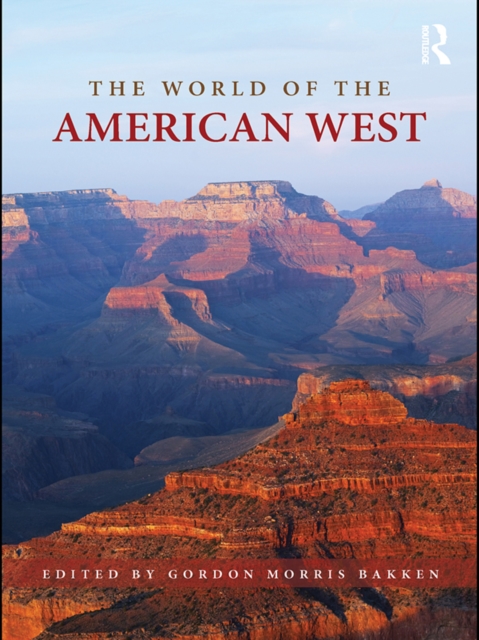
The World of the American West is an innovative collection of original essays that brings the world of the American West to life, and conveys the distinctiveness of this diverse, constantly changing region.
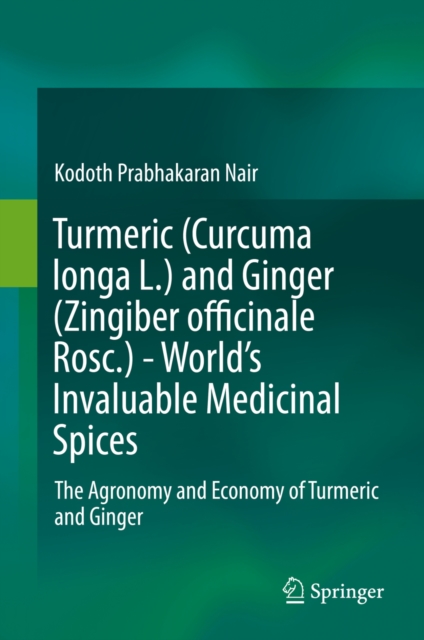
This book discusses the various aspects, from production to marketing of turmeric and ginger, the world's two most important and invaluable medicinal spice crops.
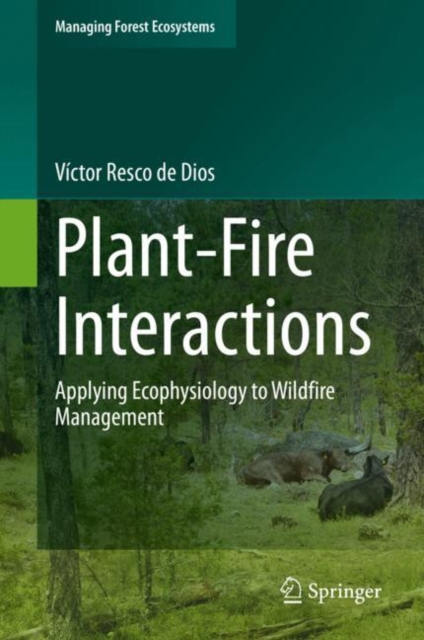
This book provides a unique exploration of the inter-relationships between the science of plant environmental responses and the understanding and management of forest fires.
In the agriculture, forestry, the primary and secondary wood working industry there are considerable resources of raw materials which can only be used in a rational manner for energetic purposes.
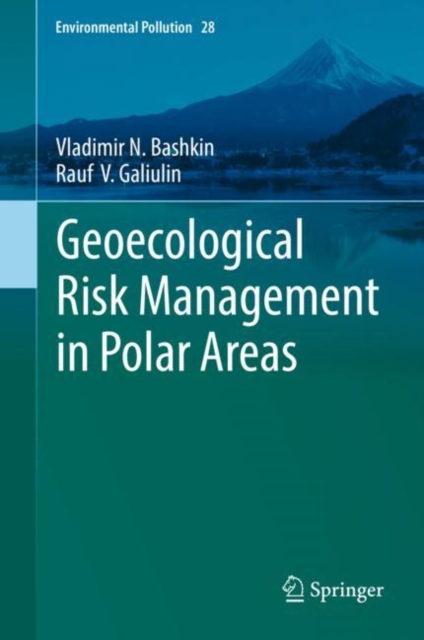
This monograph is devoted to full-scale geoecological risk assessment in gas industry impacted polar areas and the relevant risk management options using innovative nature-like biogeochemical technologies.
This book provides an up-to-date overview of the microbiology, biogeochemistry, and ecology of marine hydrocarbon seeps, a globally occurring habitat for specialized microorganisms and invertebrates that depend on natural hydrocarbon seepage as a food and energy source.
This book delves into human-induced and natural impacts on coastal wetlands, intended or otherwise, through a series of vignettes that elucidate the environmental insults and efforts at amelioration and remediation.
This book comprehensively summarizes important aspects of research in the active field of lignocellulosic (polymer) composites, including polymer materials from or containing cellulose, hemicellulose and lignin.
This book provides a comprehensive overview of recent research on estuaries of the east coast of India, and how changing biogeochemical dynamics as a result of climate change and human activity have impacted estuaries and other open water ecosystems.
The book is based on results from the Russian expedition in the region of the Antarctic Peninsula and Powell Basin in the northern part of the Weddell Sea, as well as on the review of earlier research in the region.
This book gives an overview of the relationships between agriculture and air quality, which is an issue of increasing importance for practitioners and policy makers.
This book introduces readers to the background, general framework, main operators, and other basic characteristics of biogeography-based optimization (BBO), which is an emerging branch of bio-inspired computation.
After providing a historical overview, this book highlights the current state of knowledge, gaps in our knowledge, recent findings and future prospects with regard to the biological, chemical, geological, and geographical specificities of the Plitvice lakes in Croatia.