Das Buch geht aus der Sicht unterschiedlicher Disziplinen, Praxis- und Forschungsprojekte der Frage nach, inwiefern sozialen Ungleichheiten durch die Gestaltung und Erforschung inklusiver Bildungsprozesse und -strukturen begegnet werden kann.
In den ersten Beiträgen dieses Buches werden die Differenzkategorien Rasse, Klasse, Geschlecht, Alter, körperliche Beeinträchtigung und sexuelles Begehren im Sinne der gesellschafts- und herrschaftskritischen Diversity-Ausrichtung der Konstrukthaftigkeit untersucht.
The book focusses on the historical emergence and contemporary challenges of Muslim community organizations and their struggle for recognition as ordinary voices in multiethnic and multi-religious civil societies of Western democracies.
Dieser Band bietet eine umfassende und problemorientierte Bestandsaufnahme der kommunalen Integrationspolitik in Deutschland sowie ihrer aktuellen Stärken und Problemzonen.
Die Autorin stellt in diesem Buch zum ersten Mal ein Konzept für Kitas vor, welches die wesentlichsten Aspekte der interkulturellen Öffnung mit denen des Situationsansatzes verbindet.
Die Herausgeberinnen des vorliegenden Sammelbandes präsentieren sportwissenschaftliche Forschung mit Rückbindung an theoretische Ansätze der soziologischen Geschlechterforschung.
Maria Richter betrachtet in ihrer empirischen Studie den Berufsorientierungsprozess von HauptschülerInnen und analysiert, ob diesbezüglich Unterschiede zwischen Jugendlichen verschiedener ethnischer Herkunft bestehen.
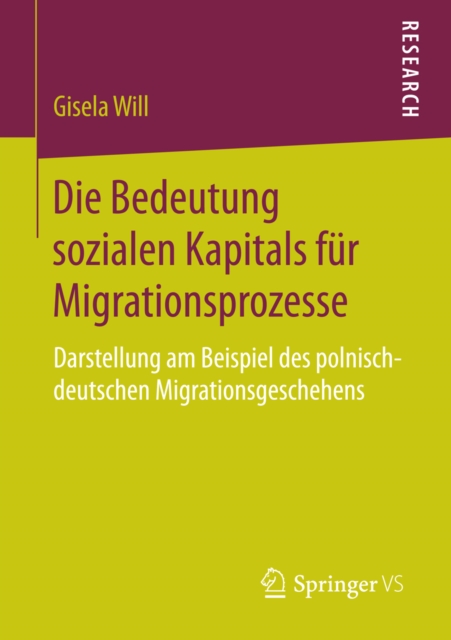
Indieser empirischen Studie untersucht Gisela Will anhand aufwendig erhobenerPrimärdaten die Bedeutung sozialen Kapitals für Migrationsentscheidungen amBeispiel des polnisch-deutschen Migrationsgeschehens.
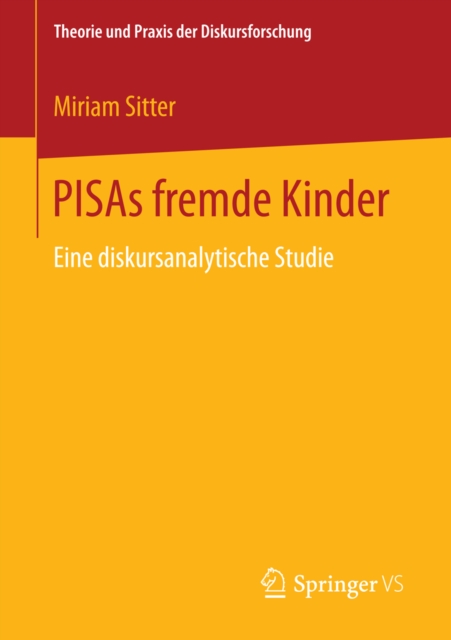
Im Rahmen einer wissenssoziologischenDiskursanalyse arbeitet Miriam Sitter heraus, wie die anhaltenden Bezüge aufdie PISA-Studie dazu beitragen, Kinder mit Migrationshintergrund als Prototypenvon Bildungsbenachteiligungen zu konstituieren.
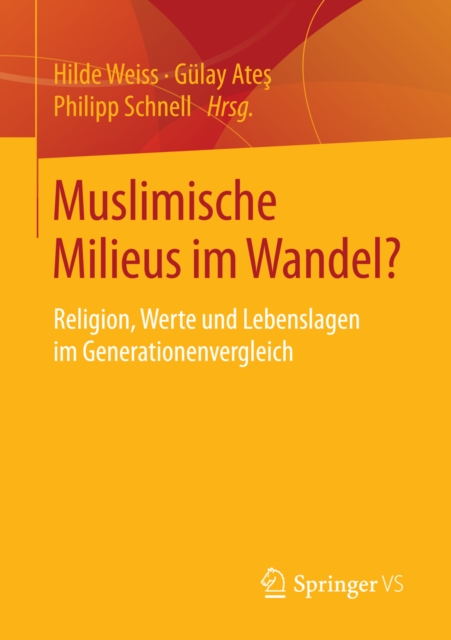
In diesem Band werden soziale und religiös-kulturelleMilieus von MuslimInnen im Generationenwandel dargestellt und die vielfältigeninnerfamiliären Transmissionsprozesse in muslimischen Familien (auf Basis von363 Eltern-Kind-Dyaden) untersucht.
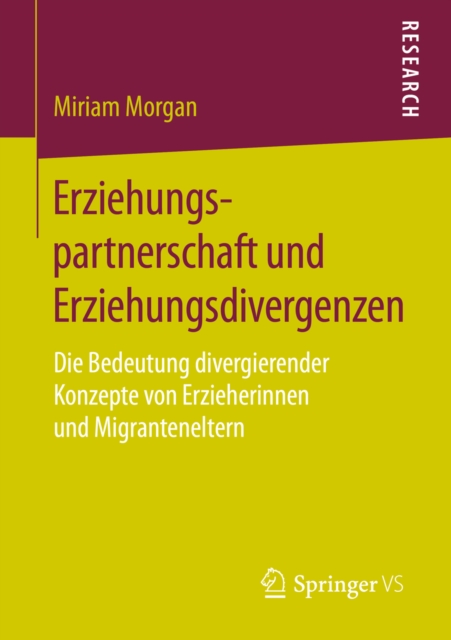
Miriam Morgan gibt Einblick in zahlreiche Unterschiede zwischen den Erziehungskonzepten von Erzieherinnen und Migranteneltern und ermöglicht gleichzeitig, alternative Erziehungskonzepte in ihrer Logik nachzuvollziehen.
Im Anschluss an kontroverse Diskussionen über dauerhafte Bildungsungleichheiten stellt das vorliegende Buch detailliert aus sozialwissenschaftlicher Perspektive zentrale Ursachen für sozial ungleiche Bildungschancen in den Mittelpunkt der Betrachtung.
Der Band gibt einen Einblick in eine disziplinär ausdifferenzierte Forschungspraxis der Komik in (post-)migrantischen und Kulturgrenzen überschreitenden Kontexten.
Ausgehend von herkunftsbezogenen Disparitäten im Bildungserfolg und der Diskussion zu besonders hohen Förderquoten für Kinder aus zugewanderten Familien untersucht Ellen Brodesser ethnische Leistungsunterschiede in Förderschulen.
In her research studies, Elifcan Karacan shows the relation between trauma, violence and memory with a specific focus on the events considering the 1980 Military Coup d'Etat in Turkey.
Damir Softic rekonstruiert die Karrierewege von Bundestagsabgeordneten mit Migrationshintergrund und erforscht die Bedingungen, unter denen Migranten erstmalig Zugang zur politischen Elite in Deutschland erhalten.
Maya Stagge beschäftigt sich im Rahmen einer qualitativen Querschnittsstudie damit, welchen Einfluss die kulturelle Pluralität in Teams der Altenpflege auf das Teamgeschehen, die Zusammenarbeit und die Pflegequalität hat.
Frederik Elwert thematisiert den Zusammenhang von Migration, Religion und Integration am Beispiel einer wenig beachteten Fallgruppe: russlanddeutschen Aussiedlern in freikirchlichen Gemeinden.
Udo Dengel untersucht das (migrations-)biographische und quasi-professionelle Erfahrungswissen älterer, herkunftsheterogen verorteter MigrantInnen in dem Tätigkeitsfeld des Migrations- und Integrationsengagements in Deutschland.
In dieser Studie wird mithilfe von narrativen Interviews mit geduldeten Flüchtlingen und anhand des sozialwissenschaftlichen Agency-Konzeptes untersucht, in welchem Ausmaß diese Personen innerhalb der massiven Beschränkungen, denen sie aufgrund ihres Aufenthaltsstatus unterworfen sind, Handlungsfähigkeit besitzen, erhalten bzw.
Polizeiliche Unsensibilität im Umgang mit Migranten(opfern) ist kein singuläres sondern ein systemisches Phänomen, dessen Ursachen, Reproduktionsmechanismen und Rechtfertigungen im Mittelpunkt der vorliegenden Untersuchung stehen.
Das Buch trägt dem demografischen Wandel in der deutschen Einwanderungsgesellschaft Rechnung, indem es die Notwendigkeit auch muslimische Wohlfahrtsverbände zu gründen herausstellt und Wege zu deren Etablierung aufzeigt.
In diesem Buch geht es um die Stadt als Organisationskontext und als lebendes System und die von der Zivilgesellschaft und der Bevölkerung ausgehenden Impulse zur Gestaltung und Absicherung von Inklusion.
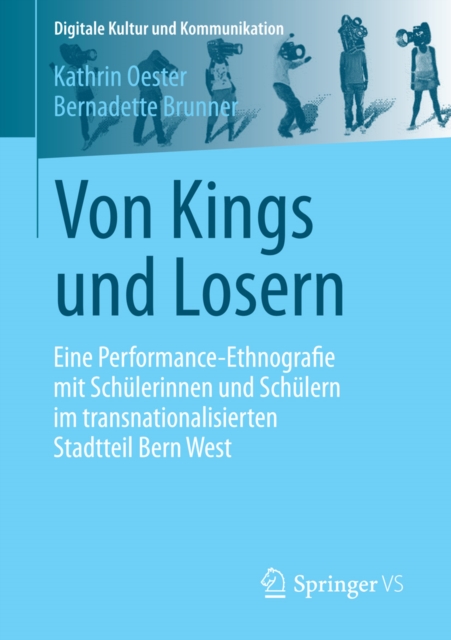
In der vorliegenden Studie erzählt eine junge Generation von Zugewanderten und Einheimischen aus einem transnationalisierten Stadtteil mittels filmischer Bilder und Gesprächen von ihrem Alltag, ihren Träumen und Frustrationen.
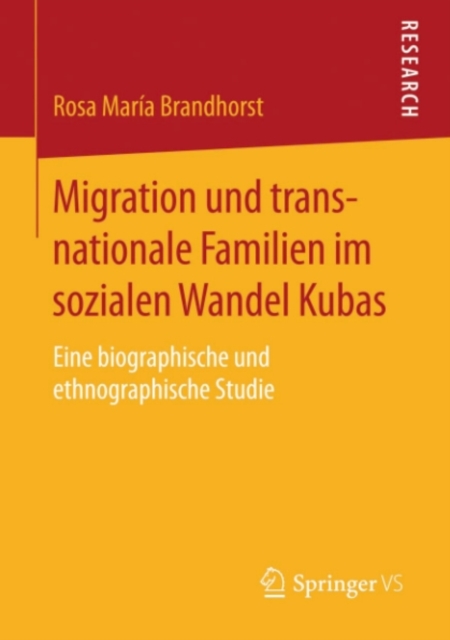
Rosa María Brandhorst analysiert die Gestaltung transnationaler Familienbeziehungen, die Einflüsse von Rücksendungen auf die transnationalen Familienhaushalte und deren Beitrag zu gesellschaftspolitischen Veränderungen in Kuba.
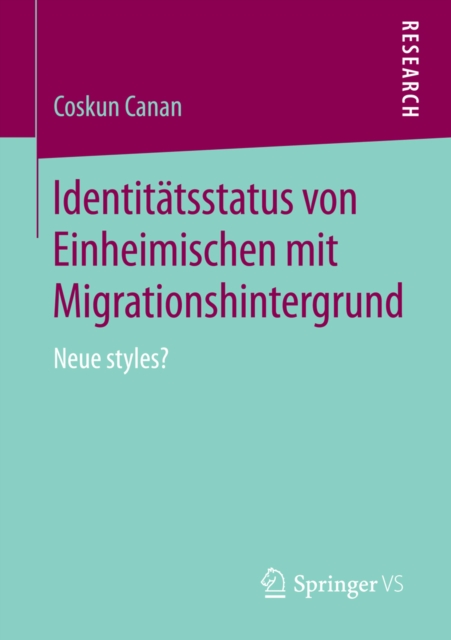
Coskun Canan untersucht, wie oder unter welchen Bedingungen es Einheimischen mit Migrationshintergrund gelingt, die in verschiedenen ethnisch-kulturellen Welten leben, sozialstrukturell und sozialkulturell Fuß zu fassen, obwohl sie mit unterschiedlichen und widersprüchlichen Identitätszumutungen konfrontiert werden.
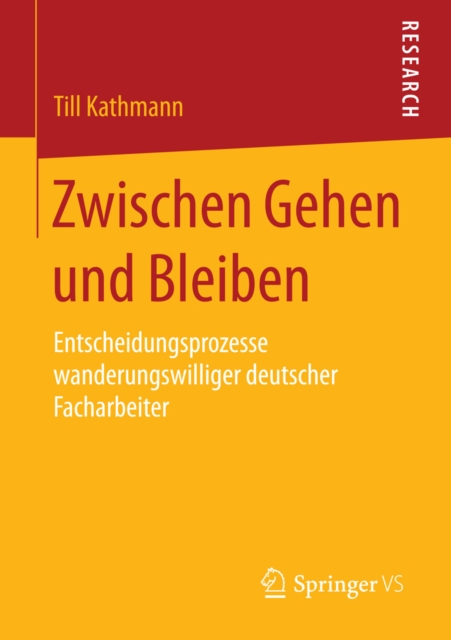
Till Kathmann untersucht den Entscheidungsprozess zwischen Gehen und Bleiben wie auch die Migrationsgründe der gerade in den letzten Jahren gestiegenen Anzahl deutscher Auswanderer.
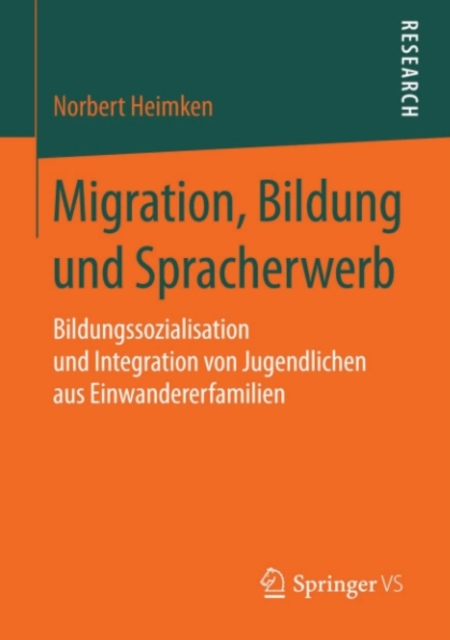
Die sprachliche Integration von Jugendlichen aus Einwandererfamilien mit ihren spezifischen familialen, schulischen und gesellschaftlichen Voraussetzungen steht im Mittelpunkt der Analyse von Norbert Heimken.
Dieser Sammelband nimmt als erste Studie eine Typenbildung der Imame vor und beleuchtet deren Rolle in der Gemeinde und ihren Einfluss auf den Integrationsprozess von Muslimen in Österreich.
Sevnur Bülbül-Emanet fokussiert in ihrer Studie aktuelle gesellschaftliche Stereotype gegenüber Menschen mit türkischem Migrationshintergrund und beschäftigt sich mit dem Konzept der Integration.
Michaela Wendekamm untersucht die These, ob es Zusammenhänge zwischen einer durch die Medien in der Gesellschaft hervorgerufenen oder verstärkten Bedrohungswahrnehmung von Migranten und sicherheitspolitischen Entwicklungen gibt.
Vorgetäuschte Islamkritik, die nur so tut, als verfolge sie seriöse Absichten, ist einer der Hauptverbreitungswege für Islamfeindlichkeit und Vorbehalte gegenüber Muslimen.