This book explores the history of Syria's borders and boundaries, from their creation (1920) until the civil war (2011) and their contestation by the Islamic State or the Kurdish movement.
This book provides a complex, socio-anthropological analysis of organized crime operating in the Vietnamese diaspora in the Czech Republic, and its international implications.
This book offers a critical discussion of Joseph Carens's main works in migration ethics covering themes such as migration, naturalization, citizenship, culture, religion and economic equality.
This study explores the representation of international migration on screen and how it has gained prominence and salience in European filmmaking over the past 100 years.
This Handbook provides the knowledge and tools needed to understand how displacement is lived, governed, and mediated as an unfolding and grounded process bound up in spatial inequities of power and injustice.
This book offers a critical discussion of Joseph Carens's main works in migration ethics covering themes such as migration, naturalization, citizenship, culture, religion and economic equality.
This book examines the integration experiences of refugees to Sweden from Bosnia and Herzegovina (1992-1995), and more recently from Syria (2014-2018) - two of the largest-scale refugee movements in Europe for the last thirty years.
This topical volume deals with the major challenges of migration in the Global South and their governance, which are traditionally much less considered than migration to industrialized countries and its consequences.
This book examines social, economic and political issues in West, Eastern and Southern Africa in relation to borders, human mobility and regional integration.
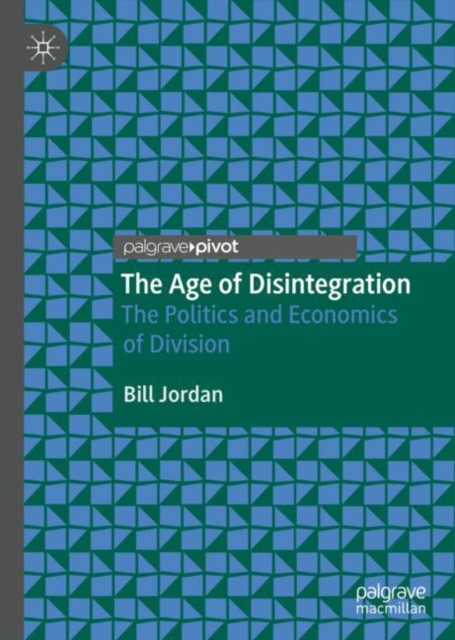
This book addresses the disintegration of collective units of all kinds, under the twin pressures of economic globalisation and technological automation.
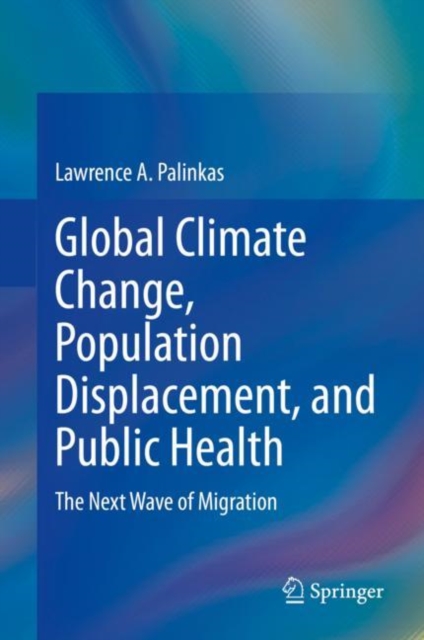
This timely text examines the causes and consequences of population displacement related to climate change in the recent past, the present, and the near future.
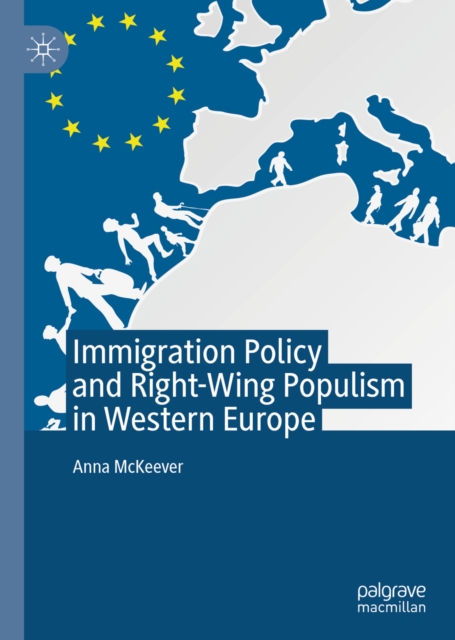
Immigration has become one of the central issues dominating the agenda of political parties, and has also played a crucial role in the rise of right-wing populism in Western Europe.
This book investigates how the externalisation of EU migration policies is implemented in Tunisia after the fall of the Ben Ali regime in 2011 through the involvement of civil society organisations.
This book develops a new concept of post-refugee transnationalism to describe experiences of Bosnian refugees who settled in Ireland after fleeing the conflict in 1990s Bosnia and Herzegovina.
This book is an interdisciplinary collection of essays that delves beneath the media headlines about the "e;migration crisis"e;, Brexit, Trump and similar events and spectacles that have been linked to the intensification and proliferation of stereotypes about migrants since 2015.
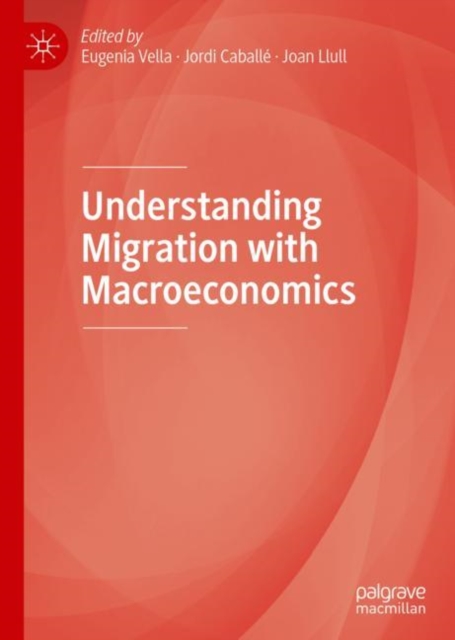
This edited collection includes (but is not limited to) contributions in the form of chapters from the participants of the Workshop on the Macroeconomics of Migration at the University of Sheffield in June 2018.
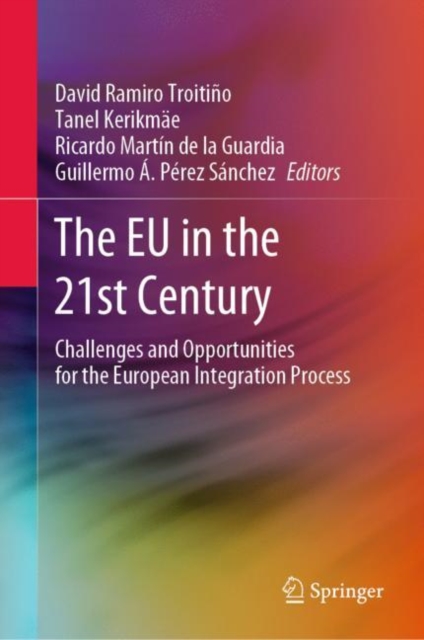
In the light of Brexit, the migration crisis, and growing scepticism regarding the European integration process, this book offers a comprehensive overview of the most pressing problems facing the European Union in the 21st century.
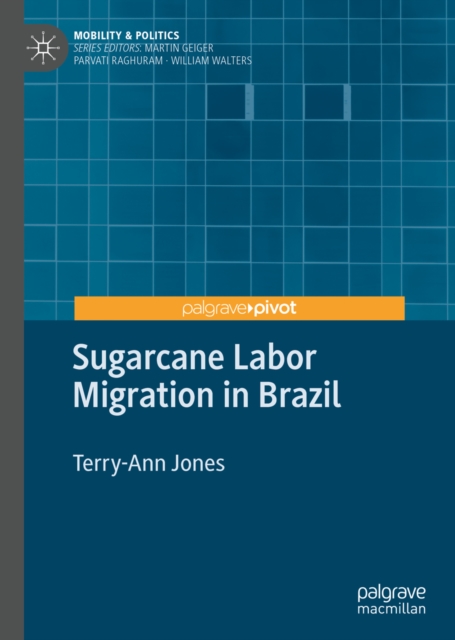
This book examines the experiences of seasonal, migrant sugarcane workers in Brazil, analyzing the deep-seated inequalities pervasive in contemporary Brazil.
This book presents the main findings of an empirical exploration of media discourses on social representations of "e;otherness"e; in seven European countries.
This edited volume investigates the political and socioeconomic impact of the Syrian refugee crisis on Lebanon and Jordan, and these countries' mechanisms to cope with the rapid influx of refugees.
This book offers a unique comparative assessment of the evolution of immigration detention systems in European Union member states since the onset of the "e;refugee crisis.
Forced migration has yet to be sufficiently addressed from the perspective of health policy and systems research, resulting in limited knowledge on system-level interventions and policies to improve the health of forced migrants.
This book discusses the quality of life of early modern Britons emigrating to the New World, which became possible with advances in shipbuilding and long-distance sailing.
Cultural Rights of Third-Country Nationals in EU Law provides a complex analysis of the cultural rights of third-country nationals in European Union Law.
With little existing scholarship on LGBT diaspora from Asia, this groundbreaking book examines the intersectionality of migration, sexuality, and gender, as well as race and ethnicity, through an analysis of the transnational experiences of Japanese LGBT diasporas in the USA, Canada and Australia.
This edited volume aims to problematise and rethink the contemporary European migrant crisis in the Central Mediterranean through the lens of the Black Mediterranean.
This book explores the transformative impact that the immigration of large numbers of Jews from the former Soviet Union to Germany had on Jewish communities from 1990 to 2005.
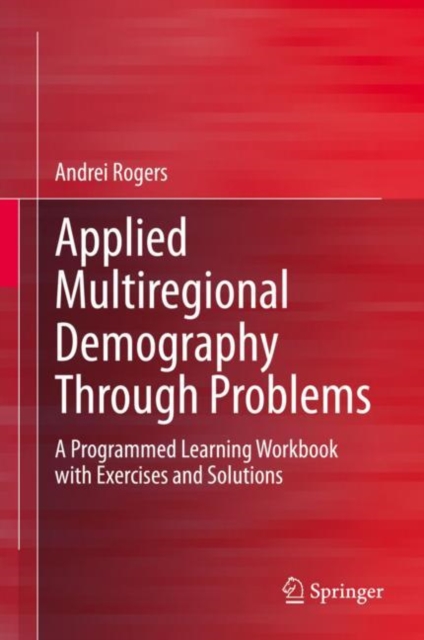
An important backdrop to the achievement of the Millennium Development Goals involves consideration of the impact of a 'new demographics' derived from the interaction of two global developments.
This book examines the migration of women as gendered subjects to and from Turkey, using feminist research practices to explore a range of diverse experiences of migrant women as refugees, asylum seekers, undocumented or documented migrants.
Drawing on in-depth qualitative research, this book provides a nuanced picture of the everyday identifications experienced and expressed among the superdiverse Tamil migrant population in Britain.
Based on ethnographic research with asylum seekers living in a 'direct provision' centre in Ireland, and comprising participatory visual methods, this work offers a unique examination of the 'direct provision' system that analyses the tensions between exclusion and marginalization, and involvement and engagement with local communities.
This book investigates why students choose to study in key Asian cities, and how this trend relates to the strategic intent of states and universities to build 'knowledge economies' and 'world-class' profiles.
This book examines the integration experiences of refugees to Sweden from Bosnia and Herzegovina (1992-1995), and more recently from Syria (2014-2018) - two of the largest-scale refugee movements in Europe for the last thirty years.