Intertidal Deposits: River Mouths, Tidal Flats, and Coastal Lagoons combines the authors personal and professional experience with the mass of available literature to present a cohesive overview of intertidal deposits and the widely diverse conditions of their formation worldwide.
Intertidal Deposits: River Mouths, Tidal Flats, and Coastal Lagoons combines the authors personal and professional experience with the mass of available literature to present a cohesive overview of intertidal deposits and the widely diverse conditions of their formation worldwide.
The current climate crisis and the rapid transformation of the natural environments will inevitably pose a threat to human settlements around the world.
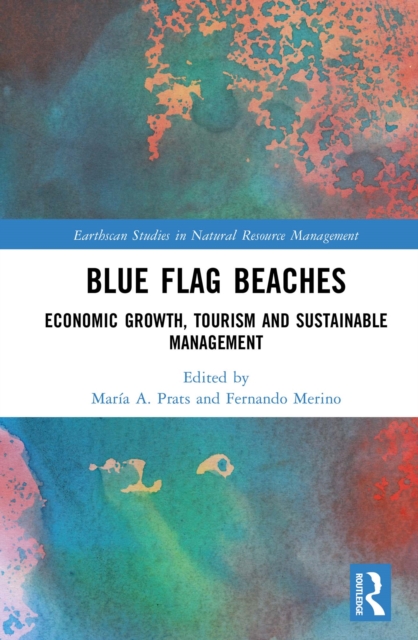
This book presents a comprehensive study of the role that the Blue Flag beach program has played around the world, considering economic, social and environmental perspectives.
This book critically discusses the vulnerabilities and local adaptation actions of the traditional marine fishers of the tsunami-hit coastal regions of South India to climate change and risks, with an emphasis on their local institutions.
This book critically discusses the vulnerabilities and local adaptation actions of the traditional marine fishers of the tsunami-hit coastal regions of South India to climate change and risks, with an emphasis on their local institutions.
This book examines the Southern Indian Ocean corridor as a geographic, geological, and atmospheric space, taking a critical oceanic humanities approach while never losing sight of the land and water interface.
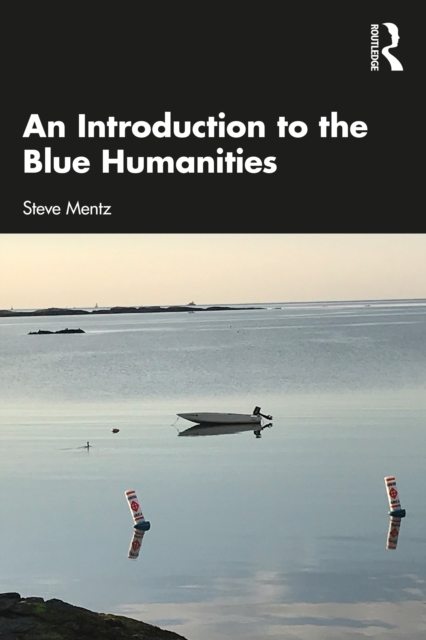
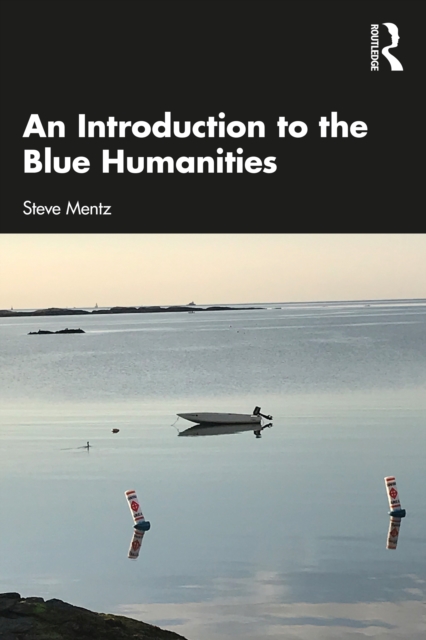
An Introduction to the Blue Humanities is the first textbook to explore the many ways humans engage with water, utilizing literary, cultural, historical, and theoretical connections and ecologies to introduce students to the history and theory of water-centric thinking.
An Introduction to the Blue Humanities is the first textbook to explore the many ways humans engage with water, utilizing literary, cultural, historical, and theoretical connections and ecologies to introduce students to the history and theory of water-centric thinking.
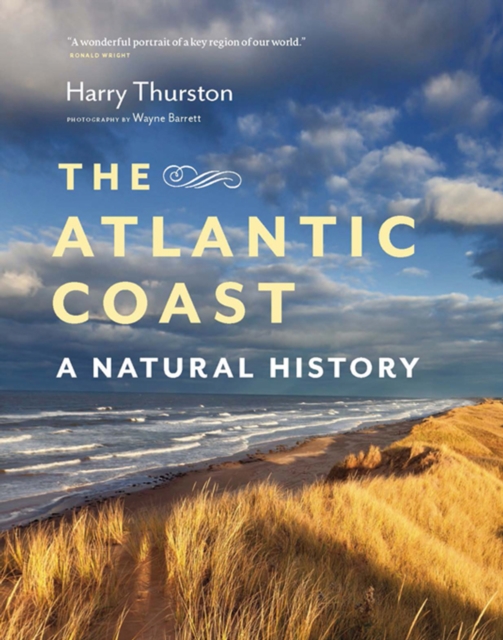
The North Atlantic coast of North Americacommonly known as the Atlantic Coastextends from Newfoundland and Labrador through the Maritime Provinces and the Northeastern United States south to Cape Hatteras.
In her first book, Island in the Sound, Heckman brought to life Anderson Island in Puget Sound, its people, its history, and its sadly vanishing way of life.
In port cities around the world, waterfront development projects have been hailed both as spaces of promise and as crucial territorial wedges in twenty-first century competitive growth strategies.
The book is organized into two parts: the first part covers (i) the precious lessons obtained from recent actual tsunami disasters including the 2004 Indian Ocean Tsunami and 2011 Great East Japan Earthquake Disaster, (ii) fundamental knowledge of tsunami for our survival, and (iii) concludes the lessons learnt and listing measures for tsunami disaster mitigation for saving human lives.
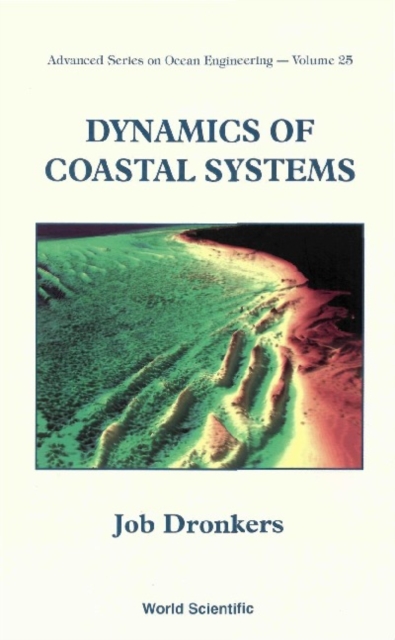
The book provides a comprehensive and up-to-date overview of the physical processes which, according to the present state of knowledge, determine the evolution of coastal systems and their response to human interventions.
The types of plants and animals that live on seashores in temperate regions are similar around the globe, but many of the individual species in south-eastern Australia are found only in this region.
For as long as humanity has ventured on the seas, naval warfare has been an integral part of their activities and the focal point for many histories and ideas of heritage.
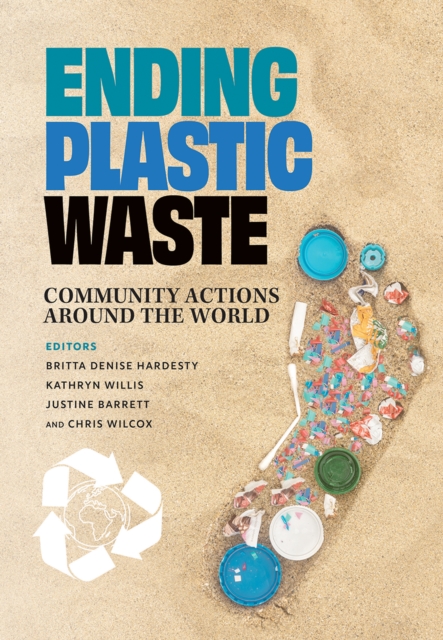
Many informal organisations around the world are making a positive impact on the environment and their communities by turning waste into a resource, increasing the social capacity of their community and reducing the amount of pollution in their environment.
This book presents a comprehensive study of the role that the Blue Flag beach program has played around the world, considering economic, social and environmental perspectives.
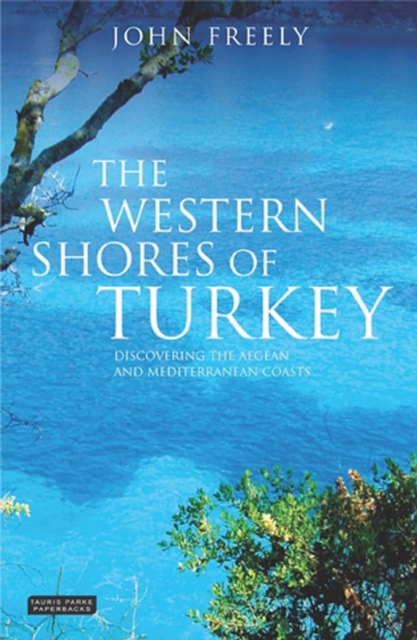
The Western Shores of Turkey is the distillation of a succession of journeys that John Freely made along this coast - an odyssey spanning a quarter of a century.
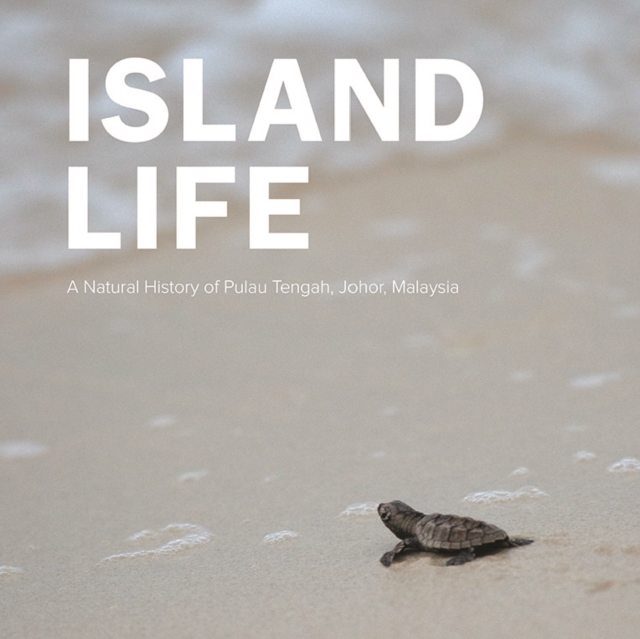
Nine nautical miles off the east coast of peninsular Malaysia, strung along the middle arc of the Seribuat Archipelago, the roving eye will spot a clutch of sun-washed islands.
The book provides a comprehensive and up-to-date overview of the physical processes which, according to the present state of knowledge, determine the evolution of coastal systems and their response to human interventions.
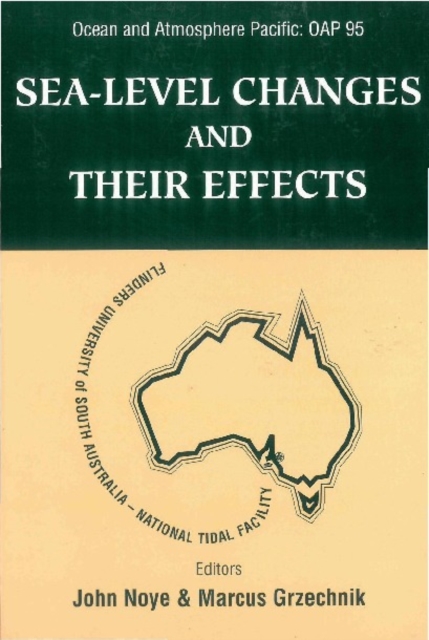
This book contains updated, reviewed versions of some selected papers on "e;Sea-Level Changes and their Effects"e; presented at the International Ocean and Atmosphere Pacific Conference (OAP 95), held in Adelaide, South Australia, 23-27 October 1995.
Dynamics of Coastal Systems is about the dynamic interaction between water motion and seabed topography, which affects the natural response of coastal systems to change in external conditions and to human interventions - from the scale of seabed ripples up to the scale of entire barrier and delta systems.
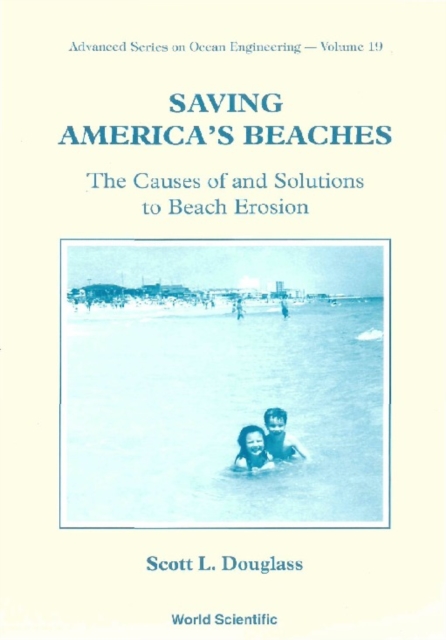
This book tells you where beach sand comes from, how waves are formed and how they break and move sand down the coast, how "e;works of man"e; have blocked this movement and caused beach erosion, and what can be done to save the beaches for future generations of Americans.
The book is organized into two parts: the first part covers (i) the precious lessons obtained from recent actual tsunami disasters including the 2004 Indian Ocean Tsunami and 2011 Great East Japan Earthquake Disaster, (ii) fundamental knowledge of tsunami for our survival, and (iii) concludes the lessons learnt and listing measures for tsunami disaster mitigation for saving human lives.
This timely book is about how to design alternatives to reduce coastal flood and wave damage, erosion, and loss of ecosystems facing an unknown future of sea level rise.