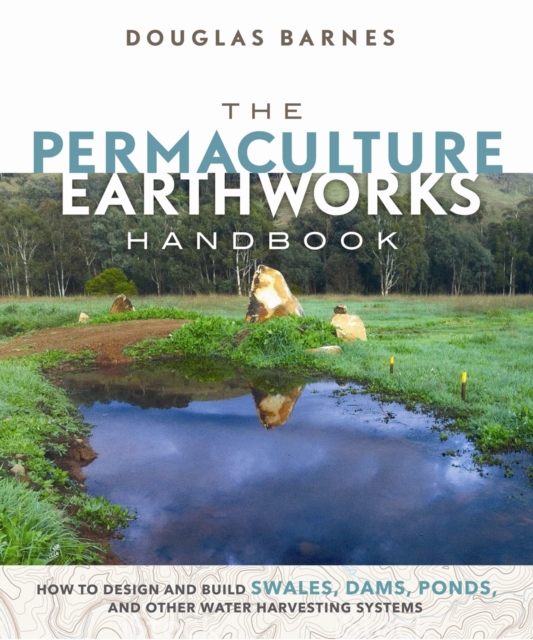
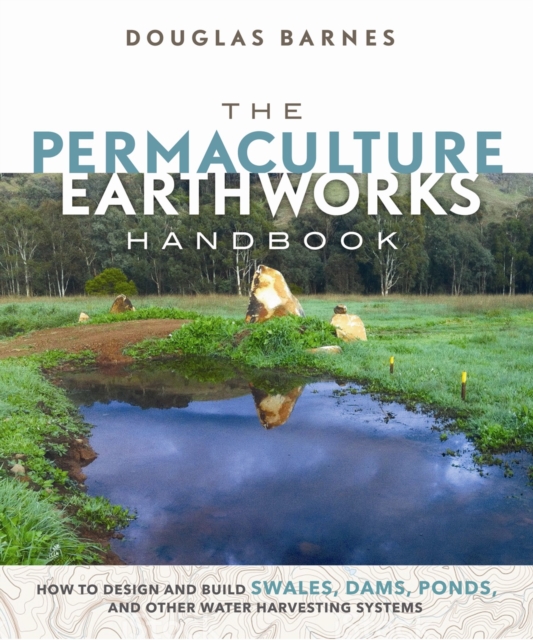
Maximize your water harvesting potential with efficient, cost-effective earthworks In the face of drought and desertification, well-designed, water harvesting earthworks such as swales, ponds, and dams are the most effective way to channel water into productive use.
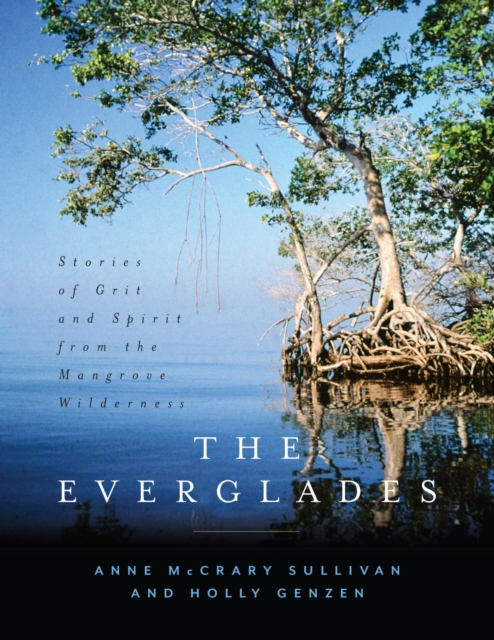
Everglades National Park's mangrove ecosystem, extending over 230,000 acres of south Florida, is the most expansive in the western hemisphere and the largest continuous system of mangroves in the world.
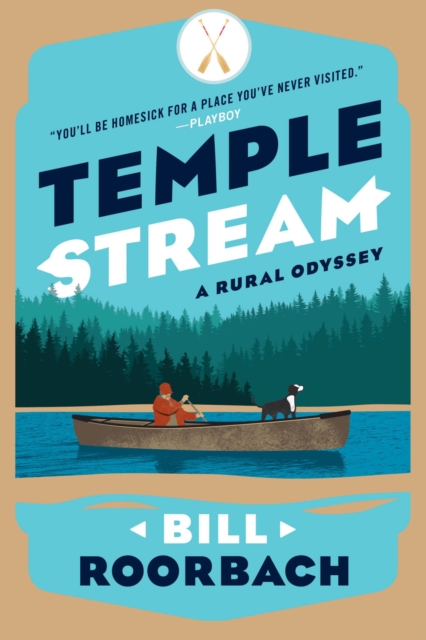
Great blue herons, yellow birches, damselflies, and beavers are among the talismans by which Bill Roorbach uncovers a natural universe along the stream that runs by his house in Farmington, Maine.
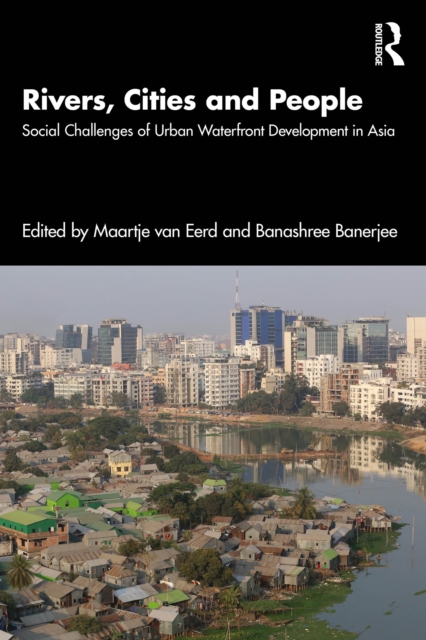
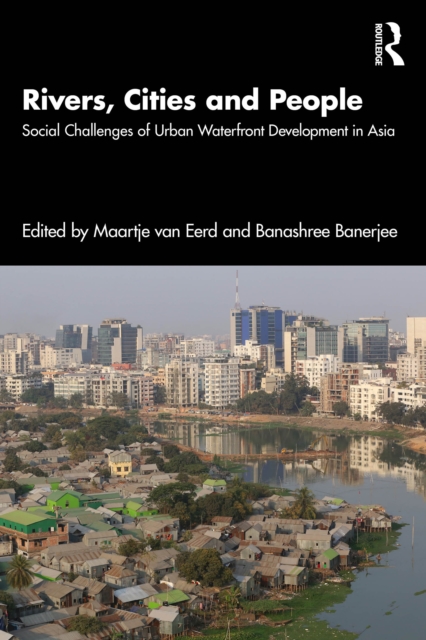
This book looks at recent initiatives for river restoration and riverfront development intended to contribute to making Asian cities resilient, inclusive and less polluted.
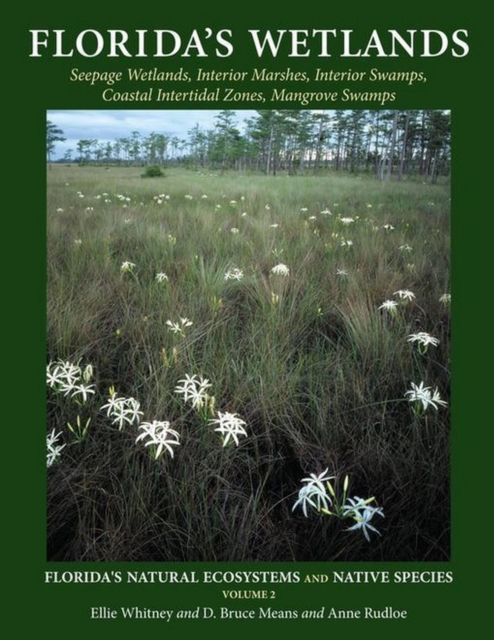
Taken from the earlier book Priceless Florida (and modified for a stand-alone book), this volume discusses Florida's wetlands, including interior wetlands, seepage wetlands, marshes, flowing-water swamps, beaches and marine marshes, and mangrove swamps.
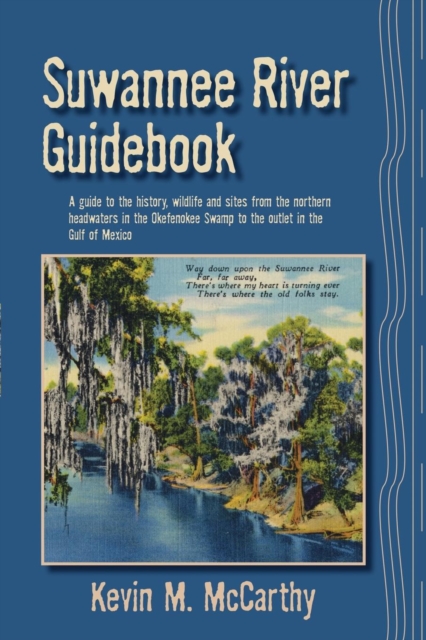
Anyone looking to escape the hustle and bustle of the modern world for a while is invited to sit back and enjoy a leisurely trip down one of the best-known and most beloved rivers in the country.
Maximize your water harvesting potential with efficient, cost-effective earthworks In the face of drought and desertification, well-designed, water harvesting earthworks such as swales, ponds, and dams are the most effective way to channel water into productive use.
INTRODUCED BY ADAM WEYMOUTH, award-winning author of The Kings of Yukon'A wonderful book -- and a highly original contribution to the literature of travel' PAUL THEROUX'The Mississippi.
First published in 1925, this volume contains an interesting account of an ornithological trip to the Danube Delta, the second largest river delta in Europe primarily situated in Romania and the Ukraine.
Originally published in 1875, this work details what life was like on the Upper Thames before the 20th century, the people who lived there and the trades they developed.
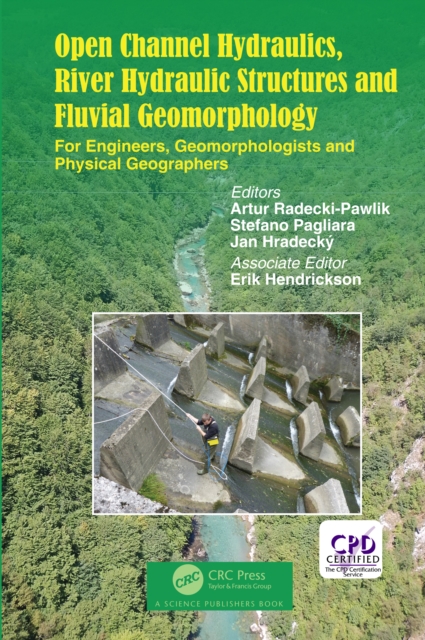
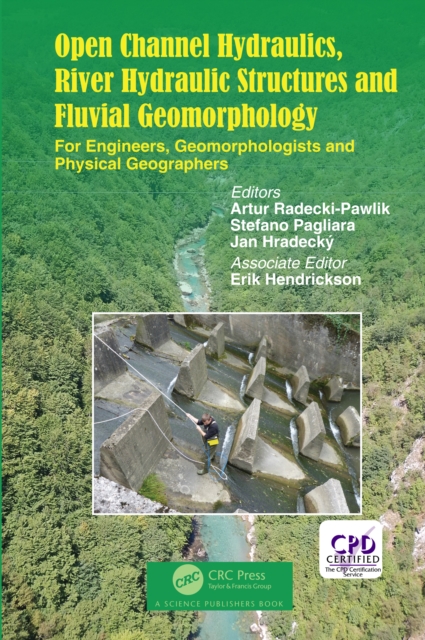
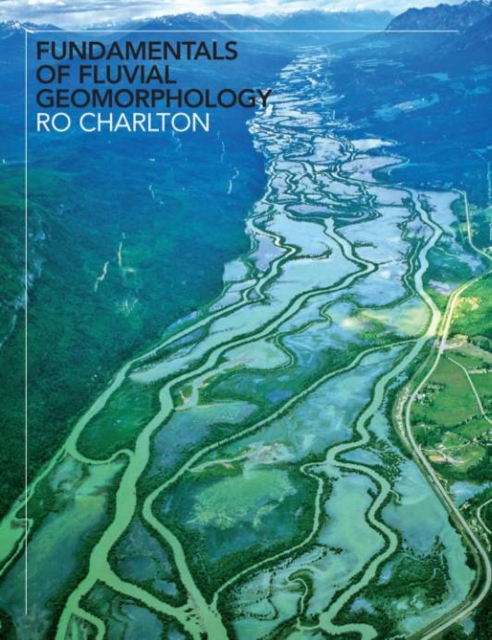
This book presents practical hydraulic and river engineering research along with fluvial geomorphological concepts, and links the theoretical and practical knowledge of people working every day with rivers, streams, and hydraulic structures to fluvial geomorphology.
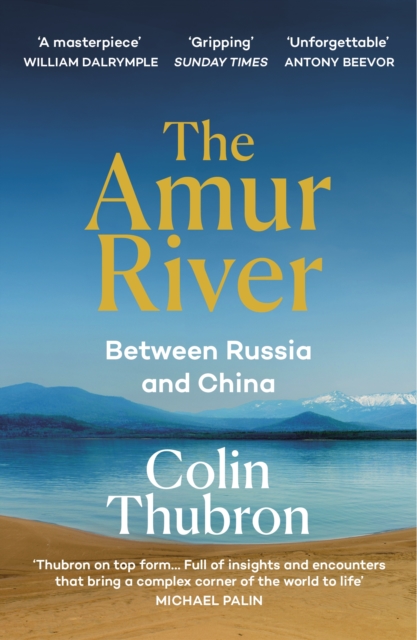
In his eightieth year, Colin Thubron takes a dramatic and often treacherous journey from the Amur's secret source to its giant mouth, covering almost 3,000 miles.
Whether addressing pollution problems or helping protect a specific use, watershed associations are finding that the competition for funds is getting harder.
Packed with surprising and fascinating information, London's Lost Rivers uncovers a very different side to London - showing how waterways shaped our principal city and exploring the legacy they leave today.
This book presents practical hydraulic and river engineering research along with fluvial geomorphological concepts, and links the theoretical and practical knowledge of people working every day with rivers, streams, and hydraulic structures to fluvial geomorphology.
It is now widely accepted that the world is likely to face a major water crisis unless the present management practices are improved very significantly.
It is now widely accepted that the world is likely to face a major water crisis unless the present management practices are improved very significantly.
This book looks at recent initiatives for river restoration and riverfront development intended to contribute to making Asian cities resilient, inclusive and less polluted.
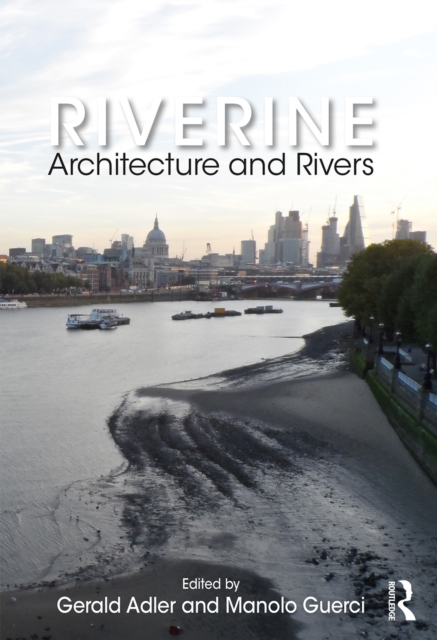
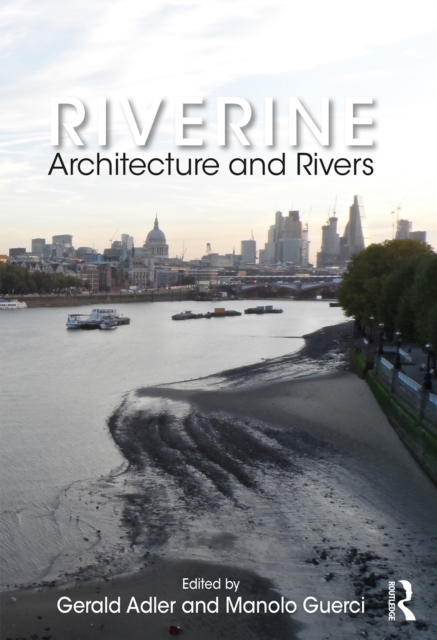
Riverscapes are the main arteries of the world's largest cities, and have, for millennia, been the lifeblood of the urban communities that have developed around them.
Riverscapes are the main arteries of the world's largest cities, and have, for millennia, been the lifeblood of the urban communities that have developed around them.
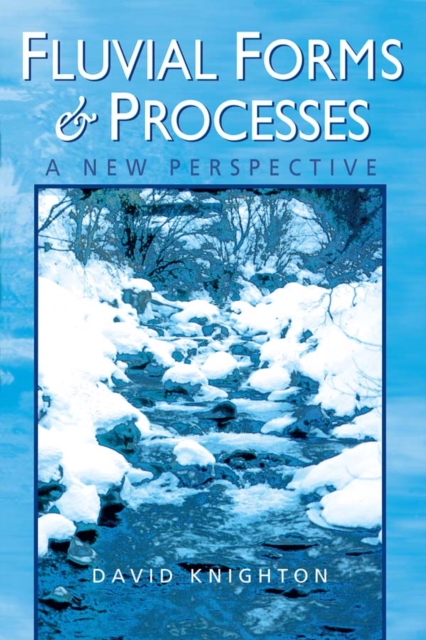
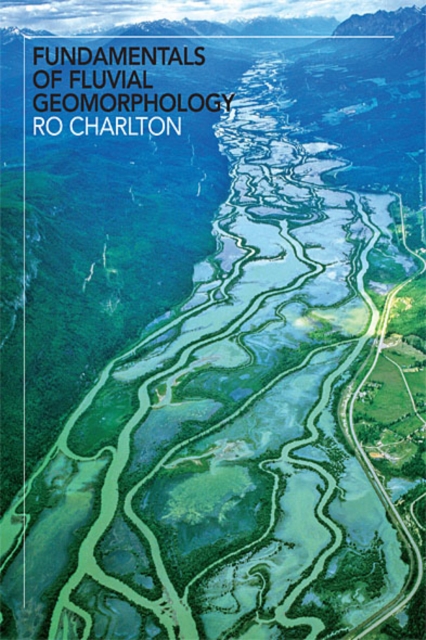
Rivers are significant geomorphological agents, they show an amazing diversity of form and behaviour and transfer water and sediment from the land surface to the oceans.
Rivers are significant geomorphological agents, they show an amazing diversity of form and behaviour and transfer water and sediment from the land surface to the oceans.