The marvelous microbes that made life on Earth possible and support our very existenceFor almost four billion years, microbes had the primordial oceans all to themselves.
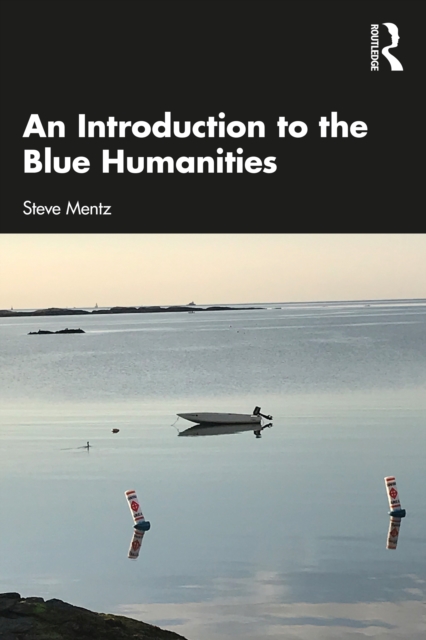
An Introduction to the Blue Humanities is the first textbook to explore the many ways humans engage with water, utilizing literary, cultural, historical, and theoretical connections and ecologies to introduce students to the history and theory of water-centric thinking.
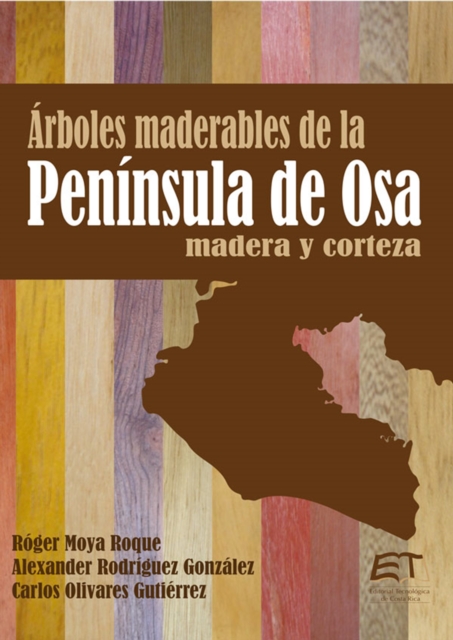
La Península de Osa es una región de 150 000 hectáreas (ha) situada en el suroeste de la provincia de Puntarenas, Costa Rica (entre 8˚ 21' 07˝ y 8˚ 46' 56˝ latitud norte y entre 83˚ 14' 28˝ a 83˚ 45' 24˝ longitud este).
El volumen IV da continuidad a la serie Árboles de Costa Rica, iniciada hace 42 años y encargada de describir la flora arbórea de un país rico en biodiversidad.
For millennia, plants and their habitats have been fundamental to the lives of Indigenous Peoples - as sources of food and nutrition, medicines, and technological materials - and central to ceremonial traditions, spiritual beliefs, narratives, and language.
Berge, Täler und die Geschichte der Erde – eine geologische SpurensucheWenn Blandine Pluchet zu einer Wanderung aufbricht, begleitet sie dabei nicht nur der Wunsch, den Gipfel zu erreichen.
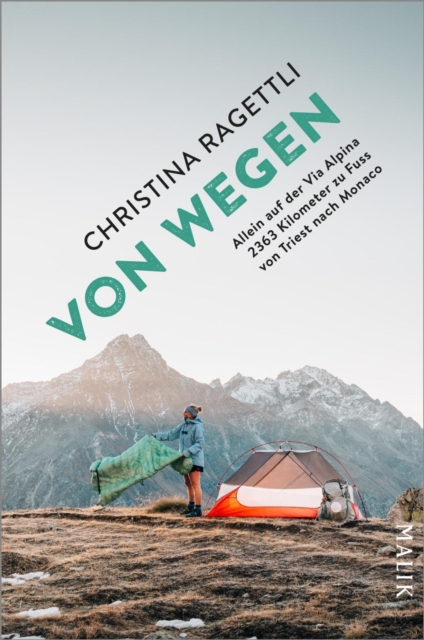
Allein über die AlpenMit Zelt und Gaskocher im Gepäck wandert die junge Schweizerin Christina Ragettli auf der herausfordernden roten Via Alpina vier Monate lang durch sechs Länder.
An Introduction to the Blue Humanities is the first textbook to explore the many ways humans engage with water, utilizing literary, cultural, historical, and theoretical connections and ecologies to introduce students to the history and theory of water-centric thinking.
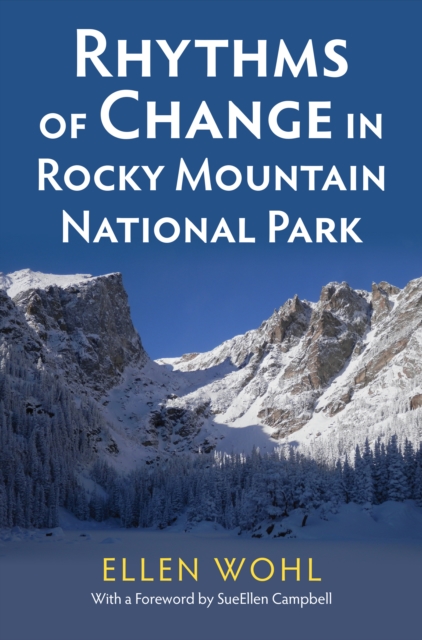
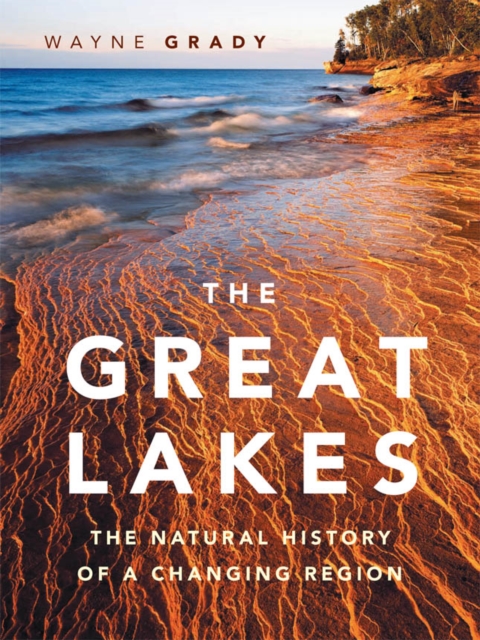
To contemplate an alpine lake or a ribbon of white water twisting down the face of the Rocky Mountains is to appreciate the majesty of this block of bedrock thrust up from Earths interior, weathering eons of nature's assaults.
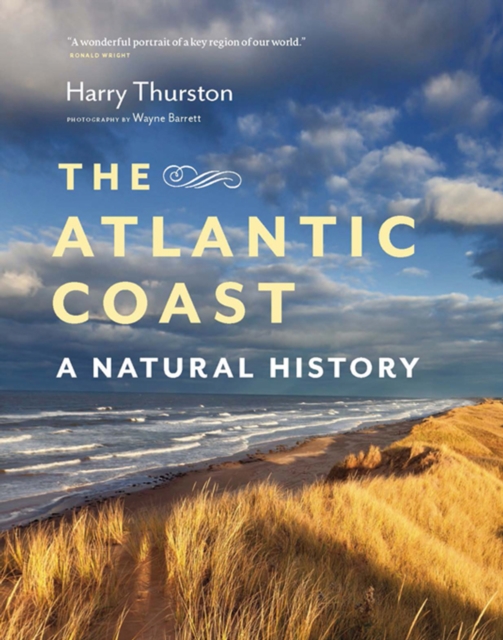
The North Atlantic coast of North Americacommonly known as the Atlantic Coastextends from Newfoundland and Labrador through the Maritime Provinces and the Northeastern United States south to Cape Hatteras.
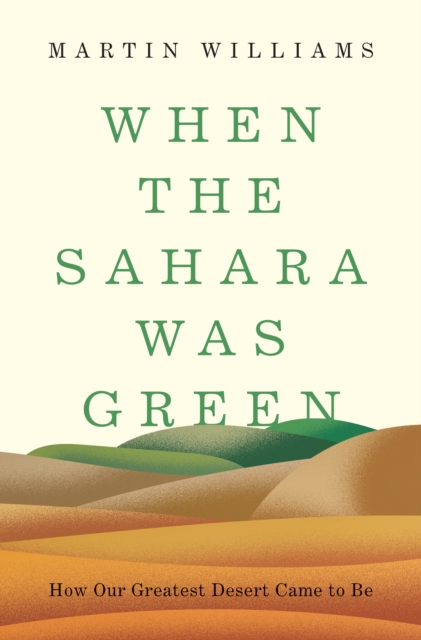
The little-known history of how the Sahara was transformed from a green and fertile land into the largest hot desert in the worldThe Sahara is the largest hot desert in the world, equal in size to China or the United States.
From Kim Heacox, the acclaimed author of The Only Kayak and John Muir and the Ice That Started a Fire, comes Rhythm of the Wild, an Alaska memoir focused on Denali National Park.
In this compelling book, award-winning adventure writer and former Lower Adirondack Search and Rescue team member Peter Bronski chronicles true stories of survival and tragedy, from famous historical cases during the early 20th century, to modern tales of harrowing struggle in the mountains and wilderness.
Lightweight and small enough to fit in your pocket or tucked into your backpack, Survive Snow Country is the must-have item to keep with you in case you find yourself in a snowy survival situation.
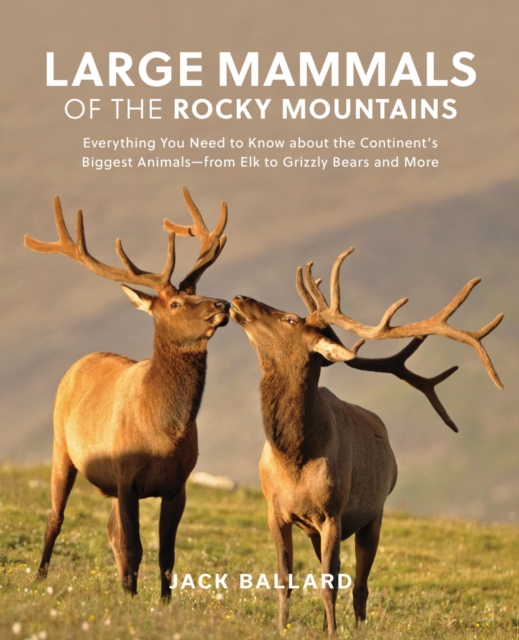
This is the ultimate guide to big mammals of the Rocky MountainsElk, Grizzly Bears, Wolves, Bison, Black Bears, Moose, Bighorn Sheep, Mountain Lions, and Whitetail Deer.
This book presents definitions, key concepts and projects in landscape research and related areas, such as landscape science and landscape ecology, addressing and characterising the international role, status, challenges, future and tools of landscape research in the globalised world of the 21st century.
The book is written in the backdrop of the environmental impacts of and future requirements from the natural environment for rapid economic growth that has characterized recent economic history of China and India, especially over the past few decades.
This book explores the latest advances in our understanding of the evolution of the Ganga-Brahmaputra delta, examining the Damodar basin, Bhagirathi-Hooghly basin and Jalangi basin from historical, quantitative and applied geomorphology perspectives.
This edited book is devoted to environmental risk management in gas industry impacted polar ecosystems of Russia, one of the hottest topics of modern environmental science.
This book presents the most recent innovations, trends, concerns and practical challenges, and solutions in the field of water resources for arid areas.
This book offers a critical analysis of core concepts that have influenced contemporary conversations about environment-society relations in academic, political, and civil circles.
This authored book assesses the spatial patterns of climate change and gender inequalities across the Global South, and analyzes the disproportionate impacts that climate change processes have on women in these regions.
This book, with contributions from international landslide experts, presents in-depth knowledge of theories, practices, and modern numerical techniques for landslide analysis.
This book draws on the author's professional experience and expertise in humid and arid regions to familiarize readers with the basic scientific philosophy and methods regarding floods and their impacts on human life and property.