The fourth edition of this highly acclaimed text on the natural environment of the earth has now been thoroughly revised and updated and includes a new chapter on The Organic World, more "e;windows"e;, new illustrations, and a range of other features.
Coastal-Marine Conservation: Science and Policy introduces students and managers to complex conservation and management issues facing coastal nations of the world, their citizens, and international and non-governmental organizations.
Global Coastal Changeprovides a comprehensive overview of the environmental factors changing the marine systems of the world including atmospheric changes, sea level rise, alterations in freshwater and sediment use and transport, toxins, overfishing, alien species, and eutrophication.
Mountain ranges are the most conspicuous elements of the earth's architecture, and the manner in which the architectural units are arranged or disarranged has become the study of a subdivision of geology known as Tectonics.
Urban agriculture offers promising solutions to many different urban problems, such as blighted vacant lots, food insecurity, storm water runoff, and unemployment.
Urban agriculture offers promising solutions to many different urban problems, such as blighted vacant lots, food insecurity, storm water runoff, and unemployment.
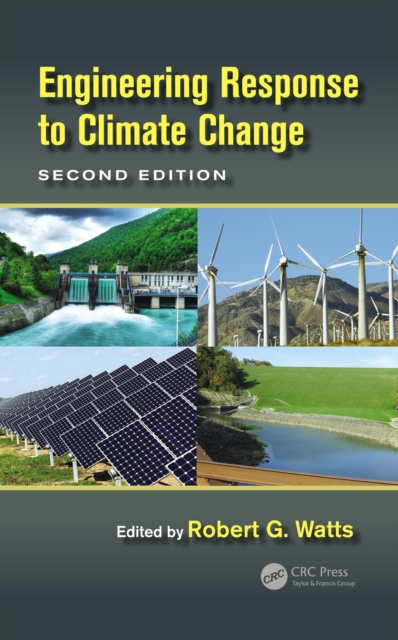
A clear, concise discussion of today's hottest topics in climate change, including adapting to climate change and geo-engineering to mitigate the effects of change, Engineering Response to Climate Change, Second Edition takes on the tough questions of what to do and offers real solutions to the practical problems caused by radical changes in the Earth's climate.
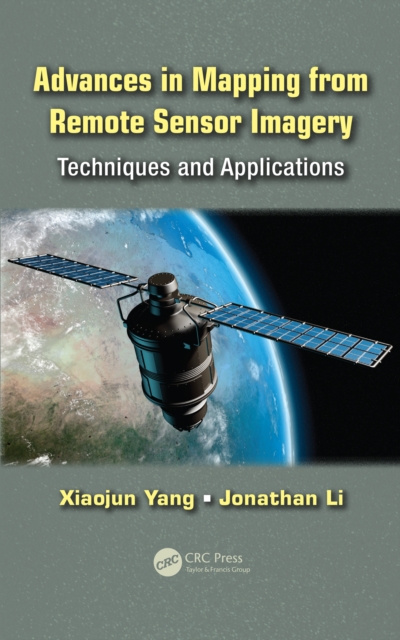
Advances in Mapping from Remote Sensor Imagery: Techniques and Applications reviews some of the latest developments in remote sensing and information extraction techniques applicable to topographic and thematic mapping.
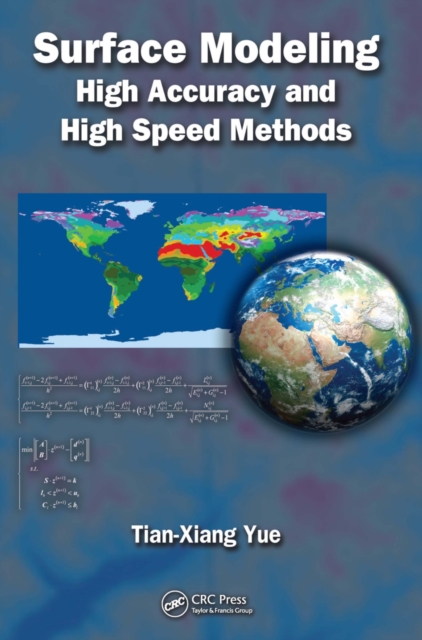
Although GIS provides powerful functionality for spatial analysis, data overlay and storage, these spatially oriented systems lack the ability to represent temporal dynamics, which is a major impediment to its use in surface modeling.
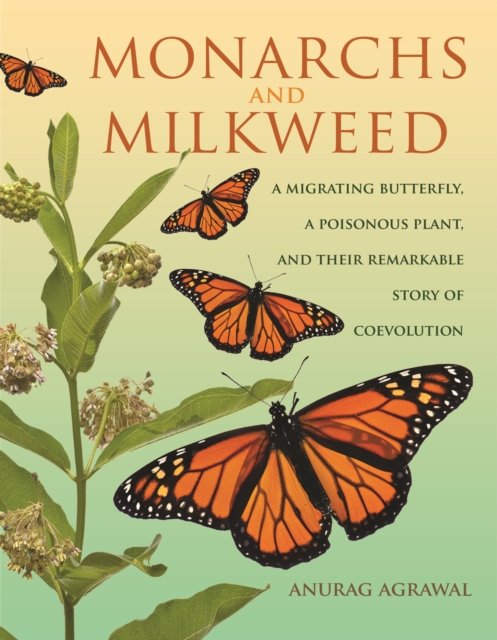
The fascinating and complex evolutionary relationship of the monarch butterfly and the milkweed plantMonarch butterflies are one of nature's most recognizable creatures, known for their bright colors and epic annual migration from the United States and Canada to Mexico.
This book addresses some of the most urgent global problems in today's world from a geographical perspective and highlights contemporary environmental, political, economic, social and geoethical aspects.
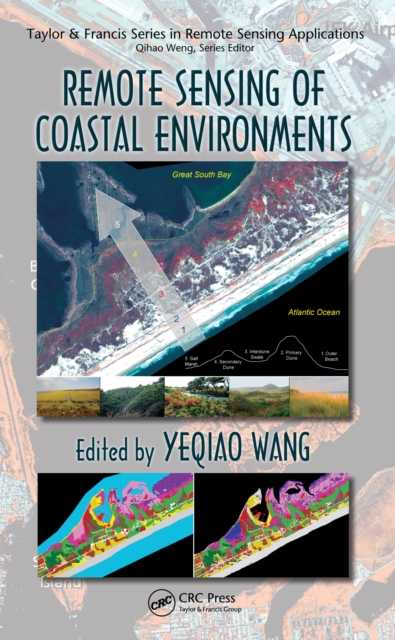
As coastal environments around the world face unprecedented natural and anthropogenic threats, advancements in the technologies that support geospatial data acquisition, imaging, and computing have profoundly enhanced monitoring capabilities in coastal studies.
Whether addressing pollution problems or helping protect a specific use, watershed associations are finding that the competition for funds is getting harder.
This timely volume examines the work of the National Estuary Program, the prominent federally-funded initiative dealing with pollution and other anthropogenic impacts on estuarine ecosystems and the management plans necessary to ensure that these invaluable natural treasures remain healthy and productive for future generations.
Estuaries in every country exemplify the same paradox- they are among the most productive ecosystems and also among the most impacted by anthropogenic activities.
Acknowledging the present inability to determine objectively the status and trends among estuarine ecosystems, the environmental research community has recently stepped up efforts to develop and evaluate meaningful estuarine indicators.
A detailed account of the biology and ecology of vascular wetland plants and their applications in wetland plant science, Wetland Plants: Biology and Ecology presents a synthesis of wetland plant studies and reviews from biology, physiology, evolution, genetics, community and population ecology, environmental science, and engineering.
Increasingly used to analyze and manage marine and coastal zones, Geographical Information Systems (GIS) provide a powerful set of tools for integrating and processing spatial information.
Part of the worldwide biodiversity program DIVERSITAS, the Global Mountain Biodiversity Assessment (GMBA) assesses the biological richness of high-elevation biota.
From the bestselling author of Wintering, Katherine May, The Electricity of Every Living Thing is a life-affirming and poignant exploration of nature, and how reconnecting to wild landscapes can create peace in our unquiet minds.
Pirates and smugglers, ghost ships and sea-serpents, fishermen s prayers and sailors rituals the coastline of the British Isles plays host to an astonishingly rich variety of local legends, customs, and superstitions.
Using unpublished diaries, Jim Perrin, the acclaimed author of The Villain and Menlove, tells the story of the greatest exploring partnership in British history.
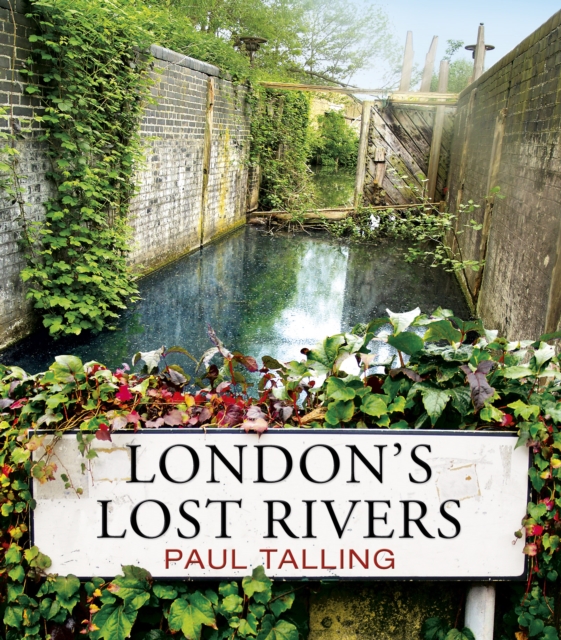
Packed with surprising and fascinating information, London's Lost Rivers uncovers a very different side to London - showing how waterways shaped our principal city and exploring the legacy they leave today.
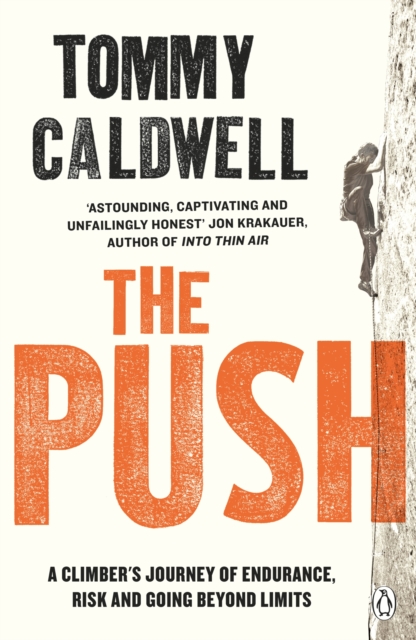
THE STORY BEHIND THE HARDEST CLIMB IN HISTORY & ACCLAIMED DOCUMENTARY 'DAWN WALL' 'Heart-stopping, absorbing' Daily Mail 'The most daring free climber on the planet' The Times__________ In 2015, climber Tommy Caldwell took on the hardest challenge of his life, spending 19 days freeclimbing Yosemite's vertical, 3000-foot Dawn Wall - regarded as the most difficult climb in history and a route nobody had ever done before.